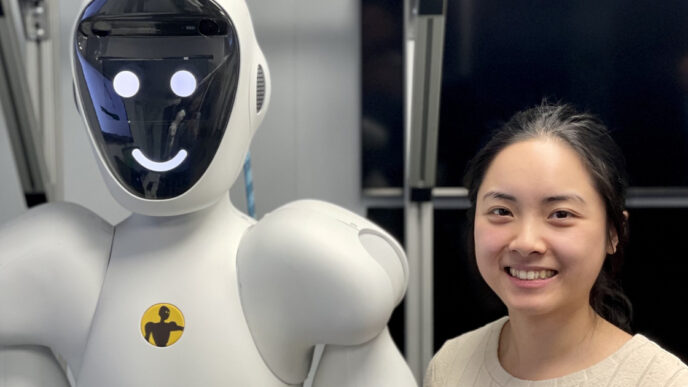

If you want a humanoid robot for your home in 2026, the shopping list is short. You can reserve 1X’s NEO for a $200 deposit, or buy a Unitree research robot from an online store. Atlas, Figure 03, Digit and Apollo, the robots in most of the viral clips, don’t have a consumer checkout page at all.
“A humanoid for the home” is the biggest promise in robotics marketing, and it’s the one with the least public evidence behind it. Here’s what you can actually order today, how to read the chore videos, and the costs that don’t show up on the price tag.
What you can order or reserve right now
| Product | Public terms | Ready for your home? |
|---|---|---|
| 1X NEO | $20,000 Early Access or $499/month; $200 deposit; “US deliveries start 2026” | Marketed for the home; no customer deliveries publicly confirmed yet (full status) |
| Unitree G1, R1 and H2 | US store list prices (check the live store) | Research and hobbyist platforms, not chore appliances with a home service agreement (prices and specs) |
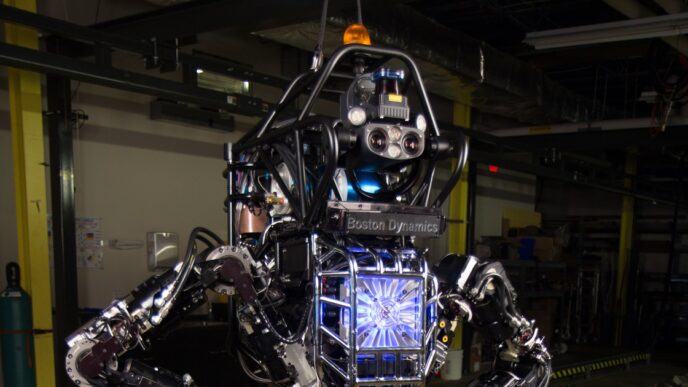
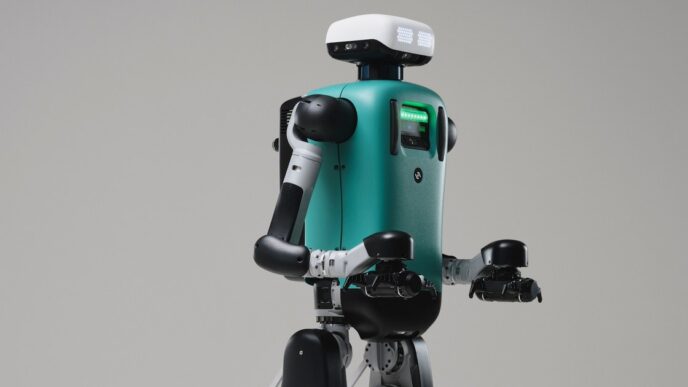
| Figure, Atlas, Digit, Apollo | No consumer checkout page found | Industrial and partner programs |
So there’s really one product built and priced for homes, and as of October 7, 2026, it hasn’t been confirmed as delivered to anyone. 1X says US deliveries start in 2026 and that its Hayward factory is producing units. Unitree will happily sell you a robot today, but you’d be buying a development platform, not a housekeeper.
How to watch a chore demo
Home robot videos are where the line between autonomy and remote control gets blurriest. Before you’re impressed, ask four questions. Was the clip teleoperated, through something like 1X’s Expert Mode, VR control or puppeteering? What does the robot do when a pet, a child or a glass shows up in frame? Which data leaves the house, and is the processing done in the cloud or on the robot? And where’s the product-safety documentation? That last one isn’t the same as the factory standards in our safety standards guide.
Our teleoperation vs autonomy guide walks through the tells in more detail.
You’re inviting a camera array inside
A home humanoid is, among other things, a walking set of cameras and microphones with a network connection. Before one comes through your front door, you’d want a data map showing what’s collected and where it goes, a retention policy, and a commitment on how often security updates ship. We cover the risks in cybersecurity risks of connected robots.
The real cost is more than $20,000
NEO’s published prices, $20,000 to own or $499 a month, are the floor. The real cost of having one also includes electricity and connectivity, possibly paid Expert Mode hours, parts that wear out, and, on a subscription, whatever condition the robot needs to be in when you hand it back.
And industrial humanoids without list prices aren’t a cheaper alternative waiting to be discovered. They simply aren’t sold as home appliances. If you’re weighing ownership against a subscription, our RaaS vs buy breakdown covers the trade-offs.
The date that matters is December 31. If 1X confirms a first customer delivery before the year ends, 2026 becomes the year a home humanoid actually shipped. If not, the category is still a pre-order.
Frequently asked questions
Can I buy a home humanoid robot today?
You can reserve 1X’s NEO on 1X’s site and buy certain Unitree robots from its store. Neither is the same as a confirmed NEO delivery or a ready-to-use chore appliance.
Is 1X NEO shipping?
1X says US deliveries start in 2026 and that its Hayward factory is producing units. As of October 7, 2026, it hasn’t publicly confirmed a first customer delivery date.
Are industrial humanoids coming to homes next?
Vendors sometimes show laundry or kitchen tasks, but most commercial programs are still focused on logistics and manufacturing. Treat home timelines as plans until there are real order terms.
Sources
- 1X order page (1x.tech/order) and NEO Factory posts (checked Oct 7, 2026)
- Unitree US storefront
- Company pages for Figure, Agility, Apptronik and Boston Dynamics (no consumer home checkout found)
Last updated: October 7, 2026. To report an error, see our corrections page. Articles are drafted with AI assistance and reviewed and edited by an editor; see our editorial policy.