


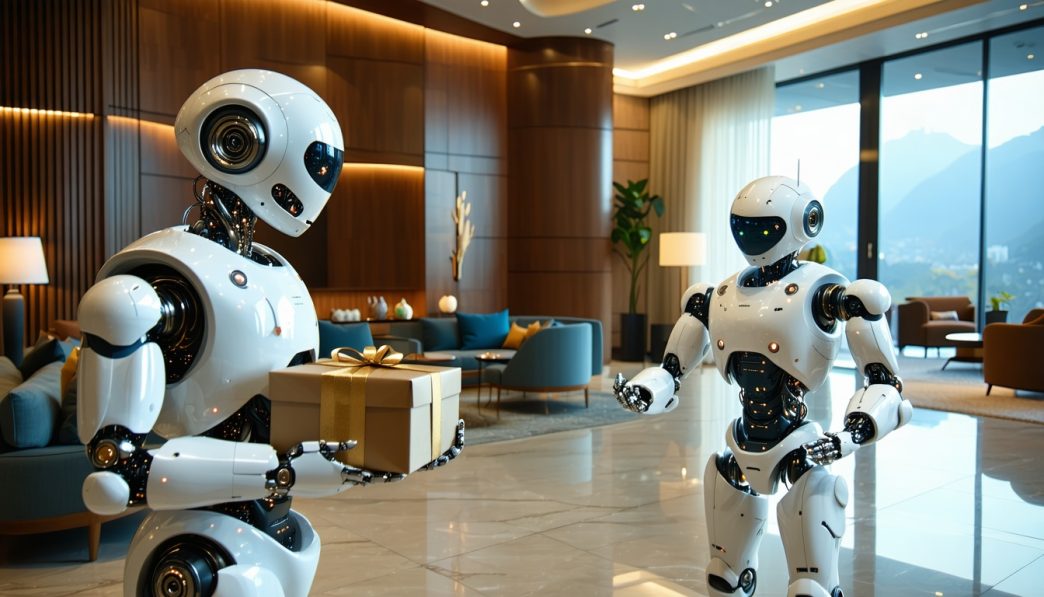
Rise of Robot Services
In recent years, robots have started to make significant inroads in various service industries, particularly in hospitality and businesses. The integration of robotic systems in service sectors is reshaping how services are delivered, enhancing efficiency and customer satisfaction.
Transforming Hospitality and Business Sectors
The hospitality industry, including hotels and restaurants, has increasingly adopted robots to replace traditional service methods. These robots are designed to handle tasks such as room service delivery and customer interaction at the front desk. The growing trend towards automation is not limited to hospitality; businesses across sectors are utilizing robots for tasks ranging from food preparation to package delivery.
The table below illustrates the percentage of businesses that have integrated robots in different sectors: 
| Sector | Percentage of Robots Integrated (%) |
|---|---|
| Hospitality | 35 |
| Retail | 25 |
| Food Service | 40 |
| Warehousing | 50 |
| Transportation | 30 |
Automation Trends in Service Industry
The rise of robots for hotel and office service reflects a broader trend of automation across the service industry. Automation reduces labor costs and increases efficiency by performing repetitive tasks consistently without fatigue. Companies are increasingly investing in robotic systems to streamline operations, improve service delivery, and reduce human error.
Key trends in service automation include:
- Robotic Process Automation (RPA): Automating routine tasks such as data entry and appointment scheduling.
- Service Robots: Robots specifically designed for customer interaction, like concierge robots and delivery bots.
- AI Integration: Leveraging artificial intelligence to enhance the capabilities of service robots, allowing for better decision-making and customer interactions.
As these trends evolve, they pave the way for a future where robots play an integral role in everyday operations, allowing businesses to focus on innovation and customer engagement. For further insights on delivery systems, read our piece on robot delivery and service.
Robot Room Service
How Robots Are Revolutionizing Hospitality
Robots are transforming the hospitality industry, particularly in the area of room service. These automated systems are designed to deliver food, beverages, and other essentials directly to guests in their rooms. With advancements in technology, these robotic service systems can navigate hotel hallways, elevators, and even interact with guests, creating a seamless service experience.
The implementation of robots for hotel and office service has allowed businesses to improve operational efficiency while minimizing human labor costs. Robots equipped with sophisticated sensors and autonomous navigation capabilities can avoid obstacles and adapt to their surroundings, ensuring safe and reliable deliveries. This has significantly changed the dynamics of service delivery in the hospitality sector.
| Feature | Description |
|---|---|
| Navigation Technology | Uses sensors to navigate environments |
| Interaction Capability | Can communicate with guests |
| Delivery Accuracy | Delivers items to specified locations |
| Operating Hours | Available 24/7 |
Benefits of Robot Room Service
The benefits of integrating robots into room service operations are substantial. Here are some key advantages:
-
Increased Efficiency: Robots can handle multiple deliveries simultaneously, reducing wait times for guests. This operational efficiency frees up human staff for more complex tasks, such as personalized guest services.
-
Cost-Effective Operations: By automating room service, hotels can decrease labor costs and improve resource allocation. Robots can serve as a solution for labor shortages, especially during peak times.
-
Enhanced Guest Experience: Guests enjoy the novelty and convenience of robot delivery. This innovation can enhance a hotel’s reputation and create unique guest experiences, encouraging positive reviews and returns.
-
Health and Safety: During times of health concerns, such as the COVID-19 pandemic, robots provide a contactless delivery option, minimizing human interaction while still meeting guests’ needs.
-
Consistent Quality: Robots ensure consistent delivery of services without variation in performance. This reliability is crucial in maintaining health and safety standards.
Robots are not only addressing current demands in the hospitality sector, but they are also paving the way for future innovations in service delivery. For more insights on how robots are being utilized in various fields, check out articles on robot delivery and service and future of robot delivery services.
Robotic Receptionists
The Role of Robots in Front Desk Operations
Robots are increasingly being utilized in front desk operations across hotels and offices. These robotic receptionists are equipped with advanced technology that enables them to handle a variety of tasks. They perform functions such as check-ins, check-outs, answering frequently asked questions, and providing directions within the facility. With their ability to process information rapidly, these robots are efficient in managing the flow of guests and ensuring a smooth experience.
Key tasks performed by robotic receptionists include:
- Automated Check-In and Check-Out: Guests can quickly check in or out without lengthy waiting times.
- Information Assistance: They provide information about hotel amenities, local attractions, and important policies.
- Room Assignments: Robots can assign rooms based on guest preferences and availability.
By integrating robots into front desk operations, hotels and offices can streamline processes and reduce the workload on human staff.
Advantages of Robotic Receptionists
The adoption of robotic receptionists presents multiple advantages for both service providers and customers. Below are some of the key benefits:
| Advantage | Description |
|---|---|
| Increased Efficiency | Robots can handle multiple tasks simultaneously, reducing wait times for guests. |
| Cost-Effective | Reduces labor costs by minimizing the necessity for full-time desk staff. |
| 24/7 Availability | Robotic receptionists can operate around the clock, ensuring assistance is always available. |
| Consistent Service | Offering a uniform level of service, robots eliminate variability associated with human staff. |
| Enhanced Customer Experience | Streamlined operations lead to a smoother experience for guests, increasing satisfaction. |
Robotic receptionists not only enhance operational efficiency but also improve the overall experience for guests. As technology continues to evolve, their role in hospitality and service environments is likely to expand. For those interested in exploring further applications of robots, the robots for hotel and office service landscape offers exciting possibilities.
Hotel and Office Robot Systems
The integration of robots into hotel and office environments is transforming the way services are delivered and operations are conducted. This modernization enhances customer experience and optimizes efficiency in various settings.
Integration of Robots in Hotels
Hotels are increasingly adopting robots to handle a variety of tasks that were traditionally performed by human staff members. These robots assist in areas such as room service, cleaning, and concierge services. Their ability to operate efficiently and effectively contributes to customer satisfaction.
| Function | Robot Type | Impact |
|---|---|---|
| Room Service Delivery | Delivery Robots | Fast and reliable delivery of items directly to guest rooms. |
| Housekeeping Assistance | Cleaning Robots | Automated cleaning of common areas and guest rooms, reducing workload. |
| Concierge Services | Informational Robots | Providing guests with information about hotel amenities and local attractions. |
The implementation of robots in hotels can lead to reduced operational costs and improved guest experiences. For instance, robots can deliver food or information quickly, allowing human staff to focus on more complex guest interactions. This shift reflects a broader trend of utilizing robot delivery and service to enhance hospitality.
Implementation of Robots in Offices
Office environments are also leveraging robotics to streamline operations and enhance productivity. Robots are employed for various tasks, including mail delivery, maintenance, and even assisting in front-desk functions.
| Function | Robot Type | Benefit |
|---|---|---|
| Mail Delivery | Autonomous Delivery Robots | Efficient transportation of documents and packages within the office premises. |
| Maintenance | Cleaning Robots | Consistent upkeep of office spaces, allowing staff to concentrate on core responsibilities. |
| Front Desk Assistance | Robotic Receptionists | Managing check-ins and inquiries, reducing wait times for visitors. |
The advantage of having robots in offices includes improved workflow efficiency and enhanced service quality. These innovations in robotic systems for offices reflect ongoing advancements in robots in last-mile logistics and service automation.
Robotic systems in both hotels and offices demonstrate the potential of automation to revolutionize the way services are provided, paving the way for a more efficient and responsive service delivery model.
Challenges and Considerations
The integration of robots in hotel and office services presents both opportunities and challenges. As businesses explore these robotic solutions, they must consider the implications of human interaction and efficiency, as well as security and privacy concerns.
Human Interaction vs. Robot Efficiency
One of the primary challenges of utilizing robots in hospitality and office settings is striking the right balance between human interaction and the efficiency of robotic systems. While robots can streamline processes and perform repetitive tasks, they may lack the personal touch that customers expect from human employees.
This perception of human touch is crucial in environments such as hotels and restaurants, where customer service plays a key role in experiences. For instance, a guest may appreciate the efficiency of robot room service but may feel a lack of warmth if they do not receive personable interaction during their stay.
| Aspect | Human Employees | Robots |
|---|---|---|
| Personal Interaction | High | Low |
| Efficiency | Moderate | High |
| Adaptability | High | Moderate |
| Customer Satisfaction | Often High | Variable |
Businesses must carefully evaluate how to use robots in ways that enhance customer experiences without sacrificing the human element. The potential integration of receptionists and service robots should focus on supporting staff, not replacing them entirely. For a deeper insight into robotic implementations, explore our article on robot delivery and service.
Security and Privacy Concerns
As robots are deployed in hotels and offices, concerns surrounding security and privacy also arise. Robots often collect and process personal data, which can be sensitive and vulnerable to breaches. For instance, a robot designed for food delivery or room service may handle information about guest preferences, reservations, or payment methods.
Ensuring that these robots have robust security measures in place is essential to protect customer information. Unsecured systems can expose businesses to data breaches, leading to financial loss and reputational damage. Companies must invest in secure technologies and protocols to maintain customer trust and comply with regulations.
Consider the following table representing common security concerns and potential solutions:
| Security Concern | Potential Solution |
|---|---|
| Data Breaches | Encrypted data transmission |
| Unauthorized Access | Multi-factor authentication |
| Loss of Personal Data | Regular security audits and updates |
Addressing these concerns is crucial for the successful implementation of robots in service environments. By focusing on both the efficiency of robotic systems and the importance of security, businesses can create a safer and more satisfactory experience for their customers. For advancements in robotic service systems, see our article on future of robot delivery services.
Future of Robotics in Service
As robotics technology continues to advance, the future of service within various industries looks bright. Integrating robots for hotel and office service is on the rise, signaling a significant shift in how operations are managed and how customer service is delivered.
Evolving Technologies in Service Robotics
The development of service robots is being fueled by rapid advancements in several key areas. Innovations in artificial intelligence (AI), machine learning, and sensor technology are driving the capabilities of robots, making them smarter and more efficient.
These evolving technologies can be categorized into several major trends:
| Technology | Description |
|---|---|
| AI and Machine Learning | Enables robots to learn from interactions and improve decision-making over time. |
| Sensor Technology | Allows robots to navigate safely and understand their environment, enhancing their operational effectiveness. |
| 5G Connectivity | Facilitates real-time communication between robots and centralized systems, allowing for efficient operation across locations. |
| Autonomous Navigation | Empowers robots to move independently in dynamic environments, such as hotels and offices. For more on navigation, see autonomous navigation for delivery robots. |
These advancements are not only improving the performance of current robotic systems but are also setting the stage for future innovations in areas like food delivery, hospitality, and logistics. The growing presence of robots delivering food and other services will increasingly shape consumer experiences.
Predictions for Robotic Service Expansion
Experts predict that the integration of robots in service industries will continue to expand, leading to various transformative effects. Here are some key expectations for the future:
| Prediction | Impact |
|---|---|
| Increased Adoption in Hospitality | Hotels and restaurants will deploy robots for routine tasks such as cleaning, deliveries, and front-desk operations. Explore more at our article on restaurant service robots. |
| Broader Application in Offices | Robotic systems will be adopted for mail delivery, supply restocking, and even cleaning tasks, streamlining office operations. |
| Enhanced Customer Experience | As robots take over mundane tasks, staff can focus on providing personalized service, improving overall guest satisfaction. |
The growing reliance on automated solutions will also lead to advancements in grocery delivery robots and robot lockers and pickup stations that facilitate efficient last-mile logistics.
As the field of robotics evolves, the future holds exciting possibilities for creating innovative service solutions. These developments will shape how consumers interact with services in various environments, increasing efficiency and productivity in the process. For further insights, refer to our article on the future of robot delivery services.


