


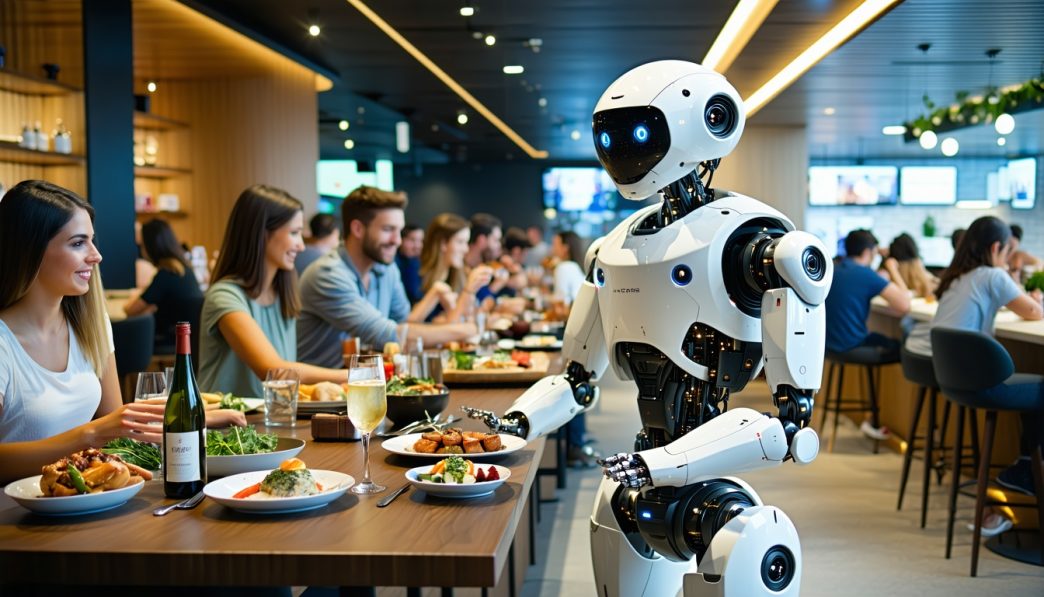
The Rise of Waiter Robots
Introduction to Restaurant Service Robots
The integration of technology in the hospitality industry has led to the emergence of waiter robots, which are designed to automate various aspects of restaurant service. These service robots serve as an innovative solution to enhance operational efficiency while also improving customer satisfaction. With the ability to navigate dining areas and deliver food and drinks, restaurant service robots represent a significant shift in how dining experiences are facilitated.
The implementation of these robots is gaining traction not only in established dining establishments but also in new ventures focused on maximizing efficiency. The community of tech adopters and entrepreneurs looking for ways to modernize their operations plays an integral role in driving this trend.
Advantages of Implementing Waiter Robots
Incorporating waiter robots into restaurant operations brings numerous advantages that influence both diners and restaurant owners. Below are some of the primary benefits of utilizing these innovative machines: 
| Advantage | Description |
|---|---|
| Increased Efficiency | Waiter robots streamline processes, reducing wait times and optimizing table service. |
| Cost Savings | Automating service can reduce labor costs associated with staffing, allowing businesses to allocate resources more effectively. |
| Consistency in Service | Robots deliver standardized service, ensuring that customers receive a similar experience each time they visit. |
| Enhanced Customer Engagement | Tech-savvy diners appreciate the novel experience of interacting with robots, which can elevate the overall atmosphere of dining. |
| Flexibility in Staffing | Robots can operate during peak hours without requiring overtime pay, allowing for better management of human resources. |
The advantages of restaurant service robots can significantly impact business operations and customer experiences, offering opportunities for innovation and automation in a traditional industry. For more insights into the benefits of robotic systems, explore our article on robot delivery and service.
Overall, waiter robots are transforming the dining landscape, presenting exciting opportunities for both consumers and businesses alike.
How Waiter Robots Function
Understanding how waiter robots operate is essential to grasp their impact on the dining experience. This section delves into the functionalities of these autonomous systems, focusing on navigation and obstacle avoidance, as well as their interaction with customers.
Navigation and Obstacle Avoidance
One of the critical features of restaurant service robots is their ability to navigate effectively in a dynamic environment. These robots are equipped with sophisticated sensors and algorithms that allow them to detect and avoid obstacles. Using a combination of technologies such as LIDAR, ultrasonic sensors, and cameras, they can map their surroundings and make informed decisions on the best paths to take.
Most waiter robots follow specific paths or designated areas within the restaurant to ensure they do not interfere with other diners or staff. As shown in the table below, various navigation technologies contribute to their efficiency:
| Technology | Functionality |
|---|---|
| LIDAR | Measures distances to create detailed 2D or 3D maps |
| Ultrasonic Sensors | Detects objects using sound waves and measures distance |
| Cameras | Provides visual recognition for better situational awareness |
| GPS | Assists with larger outdoor areas but less common in indoor settings |
The effectiveness of these systems enables waiter robots to deliver food and beverages to the correct tables, minimizing errors and enhancing the overall dining experience. For more details on how robotic systems manage navigation, refer to our article on autonomous navigation for delivery robots.
Interaction with Customers
Customer interaction is also a vital aspect of waiter robots. While they are not designed to replace human servers entirely, their interface allows for communication and assistance, improving customer satisfaction. Most waiter robots feature touchscreens or voice recognition capabilities, enabling diners to place orders or ask questions directly.
Robots often greet customers, provide menu options, and deliver food items efficiently. Depending on their programming, they may even be able to share information about daily specials or the origin of certain ingredients. Customer engagement through these robots contributes to creating a welcoming atmosphere in restaurants.
The table below outlines common interaction features of waiter robots:
| Interaction Feature | Description |
|---|---|
| Touchscreen Interface | Allows customers to browse menus and place orders |
| Voice Recognition | Enables verbal communication for easier interaction |
| Feedback System | Collects customer feedback for service improvement |
By enhancing customer interactions, waiter robots help to streamline the dining process while maintaining a level of service that meets customer expectations. For insights into robots in other service roles, explore our article on robots for hotel and office service.
Impact on the Dining Experience
The integration of waiter robots into restaurants is significantly transforming the dining experience. By enhancing both efficiency and the quality of customer service, these robotic systems are altering how consumers perceive and enjoy their meals.
Efficiency and Speed
One of the most noticeable impacts of waiter robots is the remarkable increase in efficiency and speed. These robots can streamline various tasks within the restaurant, from delivering food orders to clearing tables. As a result, the overall time customers spend waiting for their meals can be greatly reduced.
| Task Performed | Time Taken by Robot (minutes) | Time Taken by Human (minutes) |
|---|---|---|
| Order Delivery | 2 | 4 |
| Table Clearance | 1 | 3 |
| Drink Refills | 2 | 5 |
The above table showcases the efficiency gap between robotic assistance and traditional service. With quicker service times, customers often experience shorter wait times, leading to more favorable dining experiences.
Enhanced Customer Service
Robot waiters also contribute to enhanced customer service. They are designed to interact with patrons, providing a level of engagement that can improve satisfaction. For instance, these robots can take orders, answer basic questions, and even provide recommendations based on menu items available.
Robotic waiters can work alongside human staff, allowing them to focus on more complex tasks that require a personal touch. This collaboration can lead to an overall more satisfying dining experience.
| Customer Interaction | Effectiveness Rating (1-5) |
|---|---|
| Order Accuracy | 4.5 |
| Response Speed | 4.8 |
| Customer Satisfaction | 4.6 |
The effectiveness ratings indicate a high level of accuracy in order processing and quick responses to customer needs. This level of service not only meets but often exceeds customer expectations.
Organizations considering the implementation of robot delivery and service systems may find that adopting waiter robots can enhance both operational efficiency and customer engagement. As technology advances, the role of restaurant service robots in improving dining experiences is likely to expand further.
Restaurant Adoption of Waiter Robots
As the technology surrounding restaurant service robots evolves, many dining establishments are beginning to implement these innovative solutions. The integration of waiter robots is transforming the landscape of customer service in the food industry.
Trends in Automating Customer Service
Many restaurants are recognizing the operational benefits of adopting waiter robots. Automation is not just about efficiency; it also addresses labor shortages and enhances guest experiences. Here are some current trends related to the use of restaurant service robots:
| Trend | Description |
|---|---|
| Increased Efficiency | Waiter robots streamline food delivery and can handle multiple tables, reducing wait times for customers. |
| Customization | Many robots are designed to learn ordering preferences, allowing for a more personalized dining experience. |
| Enhanced Cleaning Processes | Robots are also employed for cleaning tasks, providing an additional layer of hygiene in restaurants. |
Many consumers are open to the notion of robotic assistance during their dining experience, with studies showing positive attitudes towards service automation. For those interested in broader applications of robotic systems, resources can be found in our articles on robot delivery and service and robots delivering food.
Challenges and Considerations
Despite the advantages, several challenges come with the integration of waiter robots in restaurants. These need to be carefully navigated to ensure success. Key challenges include:
| Challenge | Description |
|---|---|
| Customer Acceptance | Although many patrons may enjoy the novelty, some may prefer human interaction for personalized service. |
| High Initial Costs | The upfront investment for acquiring and maintaining robotic systems can be substantial for smaller establishments. |
| Technical Limitations | Robots may struggle with certain tasks, particularly when navigating complex restaurant layouts or dealing with unexpected situations. |
Understanding these challenges is crucial for businesses contemplating the introduction of robots for customer service. Additional insights into robotics can be explored through our articles on robots for hotel and office service and autonomous navigation for delivery robots.
Restaurants are adapting to technologies that can enhance the dining experience, yet they must weigh the pros and cons effectively. By considering both the current trends and the potential hurdles, establishments can make informed decisions about the future of customer service through automation.
Customer Reception and Feedback
The emergence of restaurant service robots has sparked considerable interest among consumers and businesses alike. As these robotic assistants become more common in dining establishments, understanding their reception and the benefits they offer is essential.
Consumer Reactions to Waiter Robots
The introduction of waiter robots has elicited a variety of reactions from customers. Many individuals express curiosity and excitement, viewing these robots as a modern enhancement to the dining experience. Patrons often find the novelty of robotic service enjoyable, leading to positive dining experiences. However, some customers remain apprehensive, questioning the role of technology in personal interaction within a traditionally human-centered service environment.
Feedback from surveys indicates the following consumer sentiments regarding waiter robots:
| Reaction | Percentage of Respondents |
|---|---|
| Positive Experience | 65% |
| Neutral | 25% |
| Negative Experience | 10% |
Many diners appreciate the efficiency and novelty brought by robotic servers, while others value the human touch that traditional service provides. Understanding these reactions is crucial for restaurants considering the implementation of these technologies.
Benefits of Robot-Assisted Service
The integration of restaurant service robots offers several advantages that enhance the overall dining experience for customers. Key benefits include:
-
Increased Efficiency: Robots can deliver food quickly and efficiently, reducing wait times for patrons. They can navigate through crowded dining areas, ensuring timely service.
-
Consistent Service: Unlike human workers, robots provide consistent service without fatigue. This reliability can improve customer satisfaction.
-
Novelty Factor: The presence of service robots can create a memorable dining experience, attracting more customers to the establishment.
-
Operational Cost Savings: By automating certain tasks, restaurants can lower labor costs and allocate human staff to more complex service needs.
-
Improved Hygiene: Robots can help maintain higher levels of hygiene by minimizing human contact during food delivery.
For more insight into how robots can assist with various service needs, explore our articles on robot delivery and service and robots in last mile logistics.
The reception of waiter robots highlights a significant shift in how consumers interact with food service technology, showcasing both enthusiasm and areas for improvement.
Future Prospects of Waiter Robots
Growth of Service Robots in the Restaurant Industry
The interest in restaurant service robots has been steadily increasing as businesses seek innovative solutions to enhance efficiency. Recent studies illustrate a significant rise in the adoption of robots in various dining establishments, driven by the need to streamline operations and meet customer expectations.
| Year | Estimated Number of Restaurants Using Robots |
|---|---|
| 2021 | 1,000 |
| 2022 | 2,500 |
| 2023 | 5,000 |
The growth trend indicates that more restaurants are integrating robotic technology into their service processes. This trend not only caters to consumer demands for improved service but also addresses challenges such as staffing shortages and the need for cost-effective solutions.
Evolution of Customer Interaction with Technology
As waiter robots become more commonplace, the nature of customer interaction is evolving. Guests are beginning to embrace technology as part of their dining experience. This shift is evident in how customers engage with robots for services such as ordering and delivering meals.
Robotic service systems are designed to facilitate seamless communication between diners and technology. This interaction is being shaped by advanced features that make the experience enjoyable. For example, robots can utilize touchscreens for order placement or verbal communication to enhance customer engagement.
| Interaction Type | Percentage of Preference |
|---|---|
| Touchscreen Ordering | 40% |
| Voice Command Interaction | 35% |
| Traditional Waitstaff Orders | 25% |
With growing familiarity and comfort among customers, the acceptance of waiter robots is projected to increase. Many consumers appreciate the novelty and efficiency that these technologies bring to their dining experience. As restaurants continue adopting these innovations, they can expect improvements in customer satisfaction and operational performance. For more on how technology is shaping service, refer to our article on robot delivery and service.


