


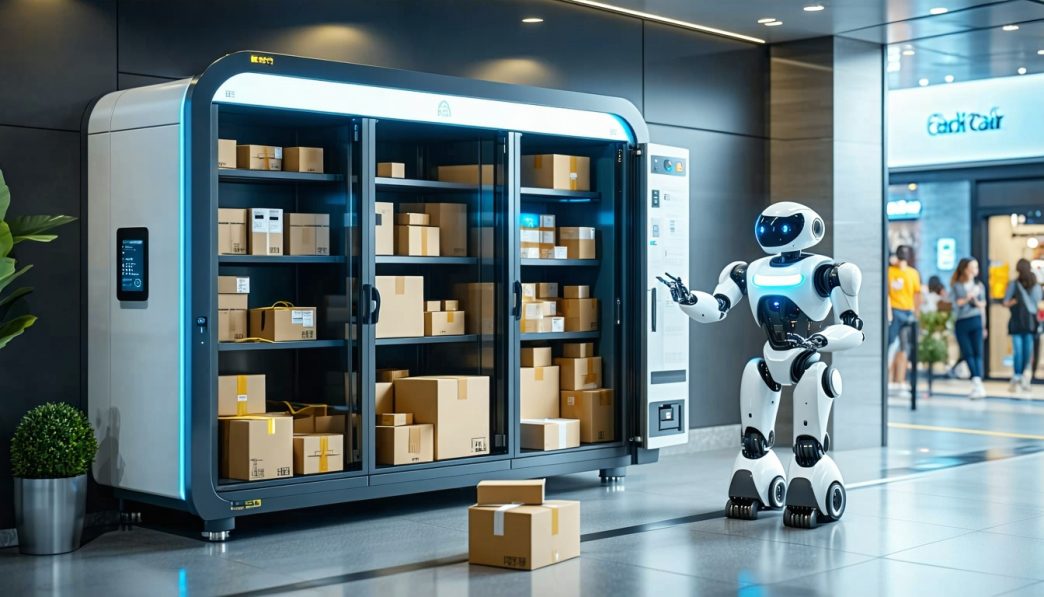
The Rise of Robotics in Last-Mile Delivery
Evolution of Delivery Systems
Delivery systems have undergone significant transformations over the decades, adapting to the growing demands of consumers. Initially, deliveries were made using traditional methods, including postal services and courier companies. These methods, while effective, often faced challenges related to speed, efficiency, and customer satisfaction.
With the rise of e-commerce, the need for rapid and reliable delivery solutions increased. Companies began to explore innovative strategies to enhance their services, including automated processes. The introduction of robotic technology marked a turning point, enabling faster and more efficient last-mile delivery solutions.
| Year | Delivery Method | Key Features |
|---|---|---|
| 1970s | Postal Services | Manual sorting and delivery |
| 1990s | Courier Services | Increased speed but higher costs |
| 2000s | E-commerce Growth | Emergence of online shopping |
| 2020s | Robotics | Automation in delivery processes |
Role of Robotics in Package Drop Off and Pickup
Robotic systems play a pivotal role in modern package drop-off and pickup processes. Technologies such as robot lockers and pickup stations have transformed how consumers retrieve their packages. These systems allow for secure, contactless interactions and are designed to be user-friendly. 
Robots help streamline the delivery experience by reducing wait times and minimizing human intervention. Automated robots can efficiently navigate urban environments, tackle logistical challenges, and ensure that packages reach their intended destinations swiftly. Furthermore, deployment of robots in these capacities enhances service reliability and customer satisfaction.
Robotics systems can also alleviate congested urban delivery systems. By utilizing small autonomous delivery robots, companies can circumvent traditional delivery bottlenecks and reach consumers more effectively, particularly in crowded areas.
The integration of robotic solutions is expected to increase. As technological advancements continue, the role of robots in last-mile delivery will expand, shaping the future of how packages are dropped off and picked up in everyday scenarios. For further insights, explore the article on robots in last mile logistics.
Types of Robotic Solutions
Technological advancements have paved the way for various robotic solutions that enhance package drop-off and pickup processes. Among these solutions, robotic lockers, automated pickup stations, and autonomous delivery robots play significant roles in transforming last-mile delivery services.
Robot Lockers
Robot lockers serve as automated, secure locations where packages can be dropped off and picked up at the consumer’s convenience. These smart lockers are equipped with digital interfaces that allow recipients to retrieve their orders using unique codes or mobile applications.
| Feature | Description |
|---|---|
| Security | Lockers are secure, reducing the risk of theft and damage. |
| Accessibility | Available 24/7, enabling customers to collect packages at their own convenience. |
| Space Efficiency | Compact design can fit into various urban environments. |
| Package Tracking | Users can track packages in real time, increasing transparency. |
For further exploration of how robots enhance various services, visit our article on robot delivery and service.
Automated Pickup Stations
Automated pickup stations are similar to robot lockers but are designed for larger volumes of deliveries and a wider range of services. These stations can accommodate different types of items—from parcels to groceries—making them versatile for consumer needs.
| Feature | Description |
|---|---|
| Multi-Use | Can handle packages, food, and other deliveries simultaneously. |
| Customer Interaction | Equipped with interactive interfaces for user-friendly experiences. |
| Integration | Can work in tandem with existing delivery apps for streamlined service. |
| Real-Time Updates | Provides instant notifications about order status and pickup instructions. |
For instance, consider how these systems are being deployed in urban areas where convenience is paramount. More about their impact can be found in our article on robots delivering food.
Autonomous Delivery Robots
Autonomous delivery robots are designed to transport packages directly from the retailer to the consumer’s doorstep. These robots navigate through sidewalks and streets, using advanced sensors and algorithms to avoid obstacles.
| Feature | Description |
|---|---|
| Navigation Technology | Equipped with autonomous navigation systems that enhance route-planning. |
| Load Capacity | Designed to carry multiple packages at once, optimizing delivery times. |
| Environmental Adaptability | Can operate in various weather conditions and terrains. |
| Cost-Effectiveness | Reduces labor costs associated with traditional delivery methods. |
They play a crucial role in expanding last-mile logistics efficiency. For more information on the role of robotics in logistics, refer to our article on robots in last mile logistics.
The integration of robot lockers, automated pickup stations, and autonomous delivery robots is redefining ordinary service expectations, enhancing convenience, and contributing significantly to the evolution of delivery systems today.
Benefits of Robotic Package Handling
The integration of robotics in the delivery process offers numerous advantages. As the demand for efficient and effective service rises, robotic solutions such as robot lockers and pickup stations are becoming pivotal in reshaping how packages are handled.
Efficiency in Last-Mile Logistics
Robotic solutions streamline the last-mile delivery process, significantly reducing delivery times and operational costs. Automated systems can perform tasks with speed and precision, ultimately increasing overall efficiency.
| Aspect | Traditional Delivery | Robotic Delivery |
|---|---|---|
| Average Delivery Time | 1-3 hours | 15-30 minutes |
| Labor Cost | High | Reduced |
| Package Tracking | Manual Updates | Real-Time Updates |
This table illustrates the efficiency gained in the delivery timeline and cost reduction. The swift processing and delivery of packages are crucial for both businesses and consumers alike, as they value timeliness in their transactions.
Contactless Delivery and Pickup
In today’s environment, contactless service has become increasingly valuable. Robotic delivery solutions offer the advantage of minimizing human interaction, thereby ensuring a safer approach to package handling. Automated lockers and pickup stations allow customers to retrieve their packages without needing direct contact with delivery personnel.
The options for contactless interaction can vary. Consider the following table, which outlines the features of different delivery methods:
| Method | Contactless Feature | Security Measures |
|---|---|---|
| Robot Lockers | Yes | Unique Access Codes |
| Automated Pickup Stations | Yes | Verification Required |
| Traditional Delivery | No | Signature Required |
The robotic options enhance security while also providing convenience and peace of mind for users.
Improved Customer Experience
The implementation of robotic systems in package handling contributes to an enhanced customer experience. With features like real-time tracking, faster delivery times, and convenience of pickup, consumers benefit from streamlined processes that cater to their busy lifestyles.
Robotics also enable personalization and adaptability in services. For instance, users can opt for specific delivery times or locations, providing them with greater control over their packages.
| Factor | Traditional Service | Robotic Service |
|---|---|---|
| Delivery Customization | Limited | Highly Flexible |
| Tracking Information Availability | Basic | Comprehensive |
| Overall Satisfaction Rating | Moderate | High |
The above table demonstrates the marked improvement in customer satisfaction when opting for robotic handling over traditional methods. Consumers are increasingly drawn to services that prioritize efficiency, safety, and personalization, making robotic solutions an attractive choice.
As robotics continue to shape the delivery landscape, the benefits in efficiency, safety, and customer satisfaction will be paramount to fulfilling the demands of an evolving market. For more insights on how robots are impacting delivery and service, explore our articles on robots in last mile logistics and future of robot delivery services.
Challenges and Considerations
As the adoption of robotic solutions for package drop off and pickup, such as robot lockers and pickup stations, expands, there are several challenges and considerations that stakeholders must address. Understanding these factors is essential for successful integration and operation of robotic delivery systems.
Safety and Security
Safety concerns regarding autonomous delivery robots are paramount. These systems must navigate environments that include pedestrians, cyclists, and vehicles. Ensuring that robots can operate without causing accidents is a significant concern for developers and operators.
Moreover, security issues arise with robot lockers and pickup stations. These facilities must be designed to prevent unauthorized access and potential theft. Implementing surveillance, access control systems, and user authentication measures can help safeguard both the packages and the technology involved.
| Safety Aspect | Considerations |
|---|---|
| Robot Navigation | Must detect and avoid obstacles |
| User Interaction | Should ensure safety during package retrieval |
| Security Measures | Need for surveillance and access control |
Regulations and Compliance
Robotic delivery systems must comply with various local, state, and federal regulations. These laws govern the operation of autonomous vehicles, data protection, and public safety.
For instance, the approval process for deploying robots on public streets involves meeting requirements set by transportation authorities. By understanding the regulatory landscape, businesses can better prepare for the implementation of robotic systems.
| Regulatory Area | Requirements |
|---|---|
| Autonomous Vehicle Laws | Varies by region |
| Data Privacy | Must protect user information |
| Public Safety | Need assessment and compliance check |
Integration with Existing Infrastructure
Integrating robotic delivery solutions with current infrastructure poses challenges. Many urban environments may not be equipped to accommodate these systems. Factors such as sidewalk width, accessibility, and traffic patterns must be analyzed to determine where robots can operate effectively.
Moreover, seamless integration with existing logistics networks is crucial for optimizing delivery processes. Businesses must assess current operations and identify areas where robotics can enhance efficiency.
| Integration Aspect | Challenges |
|---|---|
| Structural Limitations | Ensuring infrastructure supports robotic movement |
| Logistics Coordination | Aligning robotic systems with traditional delivery methods |
| System Compatibility | Ensuring interoperability with existing technology |
Addressing these challenges will facilitate the successful deployment of robotic systems in package delivery, enhancing operational efficiency and customer satisfaction across various sectors, such as grocery delivery robots or robots in last mile logistics.
Future of Robotic Delivery Systems
As robotic technologies continue to advance, the landscape of package delivery and service is set to change significantly. This section explores upcoming innovations, potential impacts on delivery services, and the trends shaping the adoption of robotic solutions such as robot lockers and pickup stations.
Innovations and Advancements
Innovations in robotics are making package drop-off and pickup more efficient and user-friendly. Future developments may include enhanced navigation technologies, improved AI algorithms for better decision-making, and sophisticated safety features.
| Innovation | Description |
|---|---|
| Advanced Autonomous Navigation | Utilizes GPS and sensory data for optimal routing to deliver packages efficiently. |
| AI-Driven Customer Interaction | Enhances user experience through chatbots and voice recognition for seamless communication. |
| Smart Lockers | Equipped with real-time tracking and notifications for users regarding package status. |
These advancements are designed to improve the reliability and usability of robotic delivery systems, making them attractive options for consumers and businesses alike. For more insights on this topic, refer to our section on robot delivery and service.
Potential Impact on Delivery Services
The integration of robotics into delivery services could significantly transform the logistics landscape. Benefits include:
- Reduced Delivery Times: As robots automate last-mile delivery, the time to receive packages may decrease, enhancing overall customer satisfaction.
- Lower Operational Costs: Businesses may save on labor costs and increase efficiency by adopting automated systems in their logistics.
- Expanded Accessibility: Robotic solutions can enhance access to deliveries in hard-to-reach areas such as urban centers or remote communities.
| Impact | Description |
|---|---|
| Cost Reduction | Lower operational expenses through automation. |
| Enhanced Speed | Faster delivery times with robotic assistance. |
| Increased Reach | Ability to serve underserved areas effectively. |
As these systems develop, they may reshape consumer expectations and industry standards in last-mile logistics, particularly in urban environments. For specific examples, see our article on robots in last mile logistics.
Adoption Trends and Predictions
Adoption of robotic delivery systems is expected to grow significantly in the coming years. Factors influencing this trend include:
- Consumer Acceptance: As people become more familiar with technology, acceptance of robotic systems is likely to increase.
- Corporate Investment: More companies are investing in robotic solutions to streamline their delivery processes, indicating a positive shift toward automation.
- Pandemic-Driven Change: The COVID-19 pandemic has accelerated the demand for contactless solutions, prompting businesses to adopt robotics in service operations.
| Trend | Description |
|---|---|
| Growing Market Demand | Increasing interest from both consumers and businesses in integrated robotic systems. |
| Investment in R&D | More funds allocated for research and development of robotic technologies. |
| Focus on Sustainability | Robotics can contribute to eco-friendly delivery options by reducing vehicle emissions. |
These trends could lead to significant advancements in how packages are delivered and services are rendered. To stay informed about ongoing developments, check our article on the future of robot delivery services.


