


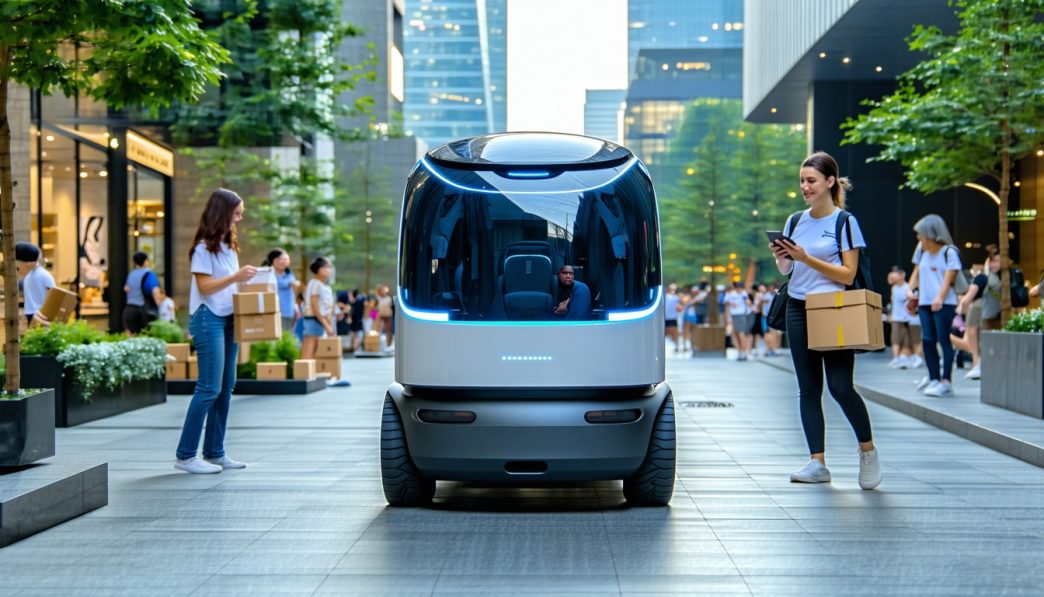
The Rise of Robot Delivery Systems
Introduction to Robot Delivery Systems
Robot delivery systems are rapidly emerging as a solution to the challenges faced in logistics and service industries. These systems utilize advanced technology to move goods from one location to another with minimal human intervention. As urban landscapes become increasingly crowded, and the demand for fast, reliable delivery continues to grow, businesses and consumers are turning to robotic solutions to meet these needs.
Robots can transport various items, from packages and groceries to prepared meals, revolutionizing how people receive their deliveries. Innovations in this field have led to the development of autonomous ground robots, drones, and self-driving vehicles. Each of these technologies is designed to improve the efficiency and speed of delivery, catering to the increasing expectations of consumers.
Impact on Package and Food Delivery Services
The integration of robot delivery systems is altering traditional models within both package and food delivery services. These advancements offer several notable benefits, as shown in the table below. 
| Impact Area | Traditional Delivery Systems | Robot Delivery Systems |
|---|---|---|
| Delivery Speed | Typically 30-60 minutes | 10-20 minutes |
| Operating Costs | Higher due to labor and logistics | Lower due to reduced labor and efficiency |
| Customer Satisfaction | Moderate | High, with consistent updates and reliability |
| Environmental Emissions | Higher due to vehicle use | Lower, especially with electric robots |
Robot delivery systems have proven particularly impactful in urban settings, where traffic congestion and limited parking create hurdles for traditional delivery methods. By utilizing small, compact robots for last-mile delivery, companies can navigate through these obstacles more effectively.
Food delivery has also seen a transformation, with robots delivering food directly to customers’ doorsteps, enhancing convenience for consumers. Restaurants and eateries are increasingly adopting these systems to streamline service, leading to a notable rise in the use of restaurant service robots.
The impact of robot delivery and service systems extends beyond food; the sector for packages and parcels is similarly taking advantage of robots in last mile logistics. As these technologies continue to evolve, they promise to reshape the landscape of logistics and service.
Overall, these developments in robotic delivery mark a significant shift towards automation in everyday services, illustrating the potential of robots to meet modern consumer demands efficiently.
How Robots Are Revolutionizing Last-Mile Logistics
The integration of robots into last-mile logistics is transforming how goods and services are delivered. This advancement presents improvements in efficiency and solutions to challenges faced during urban deliveries.
Improving Efficiency in Last-Mile Delivery
Robots designed for delivery are specifically built to enhance operational efficiency. By leveraging advanced navigation systems and autonomous capabilities, these machines can navigate urban environments with ease and precision.
Key metrics highlighting the effectiveness of robot deliveries include:
| Metric | Traditional Delivery (Average) | Robot Delivery (Average) |
|---|---|---|
| Delivery Time (minutes) | 30 | 15 |
| Delivery Cost (per package) | $5 | $2 |
| Delivery Accuracy (%) | 85 | 95 |
The above table illustrates how robot delivery systems can significantly reduce both time and costs associated with last-mile logistics. As more businesses adopt these technologies, they benefit from streamlined operations while meeting the increasing demand for rapid delivery.
Overcoming Challenges in Urban Deliveries
Urban environments pose unique challenges for delivery services. High traffic congestion, limited parking, and complex navigation can hinder traditional delivery methods. However, robots are equipped to handle these obstacles effectively.
Autonomous navigation technologies enable robots to calculate the best routes in real time, avoiding congested areas and optimizing delivery times. Additionally, these robots can operate during hours when human deliveries may be less feasible, enhancing service availability.
Challenges still exist, including adherence to local regulations for robot operations and public sentiment towards automation. Companies can address these through community engagement and by providing transparency regarding safety and efficiency measures. For more on how robots are utilized in logistics, explore our article on robots in last mile logistics.
With their ability to improve efficiency and tackle urban delivery challenges, robots are set to play a critical role in the future of delivery and service. As advancements in technology continue, the potential for enhanced service offerings becomes increasingly promising.
Types of Robot Delivery Systems
As robotic technology continues to advance, various types of robot delivery systems have emerged to enhance delivery and service operations. These systems are designed to cater to different logistical needs, making them suitable for various applications. Here, we explore three prominent types of robot delivery systems: autonomous ground robots, aerial delivery drones, and self-driving vehicles.
Autonomous Ground Robots
Autonomous ground robots are designed to navigate sidewalks and streets while carrying packages or food. Often equipped with wheels or tracks, these robots can move efficiently in urban environments. They are typically smaller than traditional delivery trucks, allowing access to narrow pathways and crowded areas.
| Feature | Details |
|---|---|
| Weight Capacity | 15-30 lbs |
| Speed | 3-5 mph |
| Navigation | Uses autonomous navigation for delivery robots to avoid obstacles |
These robots are particularly effective in grocery delivery and meal services, as they can transport items directly to consumers’ doorsteps. Their use reduces traffic congestion and minimizes carbon emissions, contributing to more sustainable delivery practices. For more on this, check out our article on robots delivering food.
Aerial Delivery Drones
Aerial delivery drones are becoming increasingly popular for transporting packages over longer distances quickly and efficiently. These drones take advantage of vertical space, bypassing ground traffic entirely, which can significantly accelerate delivery times.
| Feature | Details |
|---|---|
| Weight Capacity | Up to 5-10 lbs |
| Speed | 20-50 mph |
| Flight Range | 3-15 miles depending on battery life |
Drones are especially valuable for urgent deliveries, such as medical supplies or essential goods. Their ability to reach rural or hard-to-access areas further enhances their utility. As aerial delivery technology evolves, more applications are being explored, including their role in last-mile logistics. Learn more about this in our article on robots in last mile logistics.
Self-Driving Vehicles
Self-driving vehicles have been engineered for larger-scale logistics and can transport multiple packages or goods simultaneously. Unlike ground robots, these vehicles are often similar in design to conventional delivery vans but are equipped with sophisticated sensors and autonomous driving capabilities.
| Feature | Details |
|---|---|
| Weight Capacity | 1,000+ lbs |
| Speed | Up to 70 mph |
| Navigation | Advanced GPS and sensor systems |
These vehicles can replace or augment traditional delivery methods, reducing operational costs in last-mile delivery. They may also be used in academic settings or business campuses, improving efficiency in transporting goods. For more information on robots in service roles, consider reading about robots for hotel and office service.
The integration of these three types of robotic delivery systems demonstrates how technology is revolutionizing the landscape of logistics and service. Each type offers unique advantages, catering to the diverse needs of consumers and businesses alike.
Benefits of Using Robot Delivery Systems
The integration of robotic systems in the delivery sector brings various advantages, transforming how packages and food are delivered. These benefits not only enhance operational efficiency but also improve user experiences across multiple platforms.
Increased Delivery Speed and Accuracy
Robots are designed for precision and speed. Autonomous ground robots and drones can navigate through urban environments, optimizing routes to meet tighter delivery timelines. According to studies, delivery robots can reduce the average delivery time by up to 30% when compared to traditional methods.
| Delivery Method | Average Time Reduction |
|---|---|
| Traditional Delivery | 15-45 minutes |
| Robot Delivery | 10-30 minutes |
With enhanced navigation systems, including autonomous navigation for delivery robots, these devices provide precise drop-off locations, minimizing errors and ensuring more accurate deliveries. This precision helps build trust between consumers and delivery services, encouraging broader acceptance of robotic systems.
Reduced Delivery Costs and Emissions
The operational costs associated with using robots can be significantly lower than traditional delivery methods. Robots require minimal human oversight and reduce the need for fuel as many are electrically powered. Furthermore, the following table highlights the potential cost savings:
| Cost Factor | Traditional Delivery | Robot Delivery |
|---|---|---|
| Labor Costs | High | Minimal |
| Fuel Costs | Variable | Low |
| Maintenance Costs | Moderate | Lower |
Using robotic systems also contributes to reduced carbon emissions, aligning with sustainable business practices. Switching to grocery delivery robots and robots delivering food supports efforts to reduce the environmental footprint and promotes eco-friendly logistics.
Enhancing Customer Experience
The automation of delivery services improves the overall customer experience. Consumers appreciate the on-demand capabilities and reliability provided by robots, leading to increased satisfaction. Features that enhance this experience include:
- Real-time tracking for visibility
- Contactless delivery for health safety
- Consistent delivery options available at various hours
Implementing restaurant service robots and robots for hotel and office service can further elevate service quality. The convenience of receiving orders right at the user’s location without delays has proven vital in customer retention strategies and continues to attract a tech-savvy consumer base.
As robot delivery and service systems evolve, these benefits play a critical role in shaping the future of logistics and consumer interactions. For insights into upcoming advancements, explore our article on the future of robot delivery services.
Challenges and Considerations
As robot delivery systems become increasingly prevalent, several challenges must be addressed to ensure their success in everyday applications. These include regulatory hurdles, integration with existing infrastructure, and concerns regarding job displacement.
Regulatory Hurdles and Safety Concerns
One of the primary challenges faced by robot delivery and service systems involves navigating complex regulatory landscapes. Local, state, and federal regulations can vary significantly, creating obstacles for robot deployment in urban areas. Safety is a critical consideration; ensuring that robotic systems can operate safely alongside pedestrians and vehicles is paramount.
| Challenge | Description |
|---|---|
| Regulatory Requirements | Varies by jurisdiction; requires compliance with local laws. |
| Safety Standards | Robots must meet safety codes to minimize risks to the public. |
| Data Privacy | Handling personal information necessitates compliance with privacy laws. |
Companies must work closely with policymakers to develop guidelines and regulations that facilitate the safe integration of robots into public spaces.
Integration with Existing Delivery Infrastructure
To maximize the efficiency of robot delivery systems, seamless integration with current delivery infrastructure is essential. Businesses must consider how robotic systems will interact with traditional delivery methods and logistics networks.
Challenges in integration may include:
- Adapting existing routes for robotic capabilities.
- Collaborating with delivery personnel to enhance efficiency.
- Establishing communication between robots and other delivery systems to improve coordination.
A potential solution involves developing hybrid models that allow for both robotic and human-operated delivery systems. This can enhance productivity while transitioning to more automated services. For insights into recent advancements in this area, explore robots in last mile logistics.
Addressing Job Displacement Concerns
The rise of robotic delivery systems has sparked concerns about potential job displacement within the delivery sector. Many fear that automated systems may replace human workers in roles traditionally filled by delivery personnel.
While automation can lead to increased efficiency, it also raises questions about the future job market. To address these concerns, it is crucial for businesses and policymakers to:
- Invest in retraining programs for workers transitioning to new roles.
- Promote the creation of jobs focused on robot maintenance and oversight.
- Encourage dialogue between stakeholders to identify opportunities for workforce enhancement.
Understanding how to balance automation with the workforce is vital. For more on this topic, consider exploring articles about robots for hotel and office service and their implications for employment in various sectors.
These challenges underline the importance of collaborative efforts between technology developers, businesses, and regulatory bodies to foster a successful transition to automated delivery and service systems. As the industry continues to evolve, addressing these concerns will be essential for broader acceptance and integration into daily life.
The Future of Robot Delivery and Service
As robotics technology continues to advance, the future of robot delivery and service holds enormous promise. Innovations in this sector are expected to transform not only how goods are delivered but also how services are provided in various settings from homes to businesses.
Potential Innovations and Developments
The evolution of robot delivery systems is characterized by several potential innovations that will enhance their functionality and reliability.
| Innovation | Description |
|---|---|
| Enhanced Autonomous Navigation | Improved sensors and AI algorithms will allow robots to navigate complex environments with greater accuracy and safety. See more about this in the article on autonomous navigation for delivery robots. |
| Real-Time Tracking and Updates | Advanced communication technology will enable real-time tracking of delivery robots, providing consumers and businesses with up-to-the-minute updates on the status of their deliveries. |
| Integration with Smart Home Devices | Future systems may integrate seamlessly with smart home technology, allowing users to control delivery robots via voice commands or mobile apps. |
| Increased Payload Capabilities | Innovations in materials and design may lead to robots capable of carrying heavier loads, making them suitable for a wider range of delivery applications, including grocery delivery. Check our article on grocery delivery robots for insights. |
| Multi-Robot Coordination | Utilizing a fleet of robots working together could optimize delivery routes and efficiency, especially in crowded urban areas. |
Adoption and Expansion of Robot Delivery Systems
The adoption of robot delivery systems is on the rise, driven by both consumer demand and technological advancements. Various sectors are embracing these systems for their efficiency and reliability.
| Sector | Adoption Rate | Key Applications |
|---|---|---|
| Food Delivery | 30% increase in usage | Robots delivering food have become a common sight in urban areas, with restaurants integrating them into their delivery models. |
| Retail | 25% increase in implementation | Retailers are using robots for last-mile logistics to speed up deliveries and enhance customer experience. For more on this, see our article on robots in last mile logistics. |
| Hospitality | 20% increase in deployment | Hotels and businesses have begun using robots for hotel and office service to assist with guest services and deliveries. |
| Healthcare | 15% increase in application | Robotics are being utilized for delivering medications and supplies within healthcare facilities. |
As technology evolves, the expansion of robot delivery and service is expected to continue. The combination of enhanced capabilities, growing acceptance in various sectors, and a shift toward automation in everyday tasks will drive this transformation. The future of robot delivery services promises a more efficient, cost-effective, and convenient way to meet consumer needs. For more insights on upcoming developments, explore our article on future of robot delivery services.


