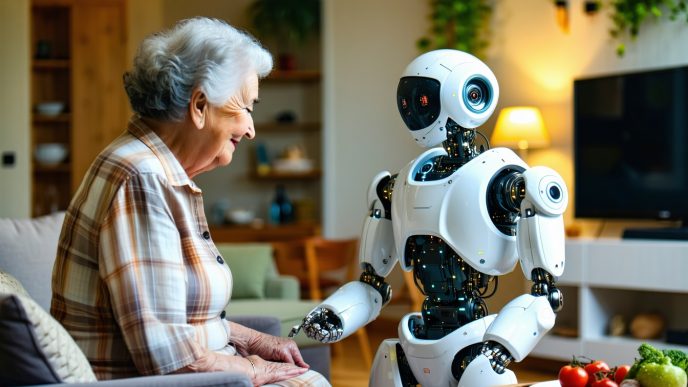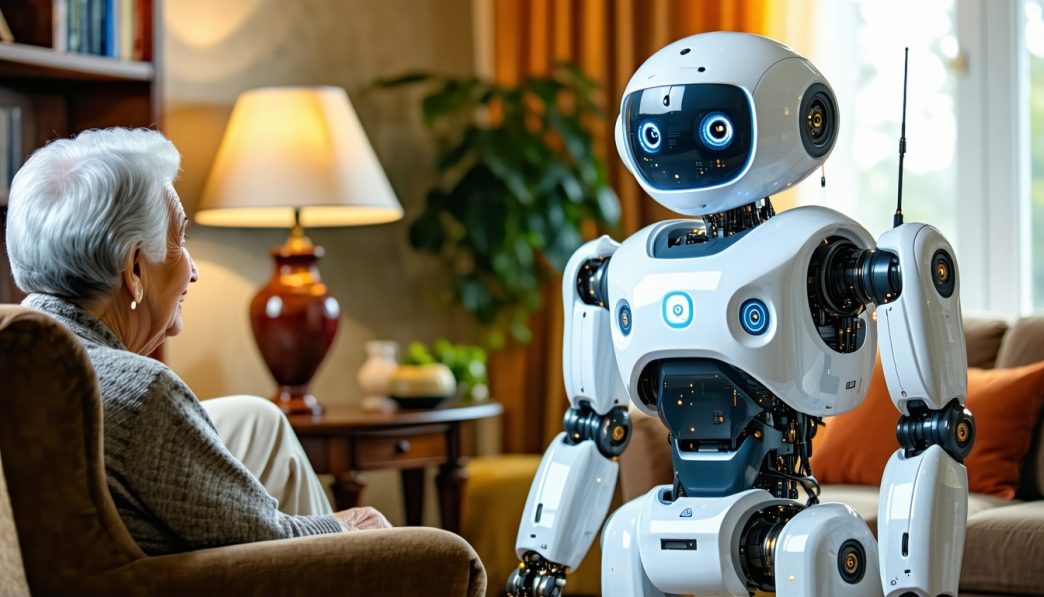
The Role of Robots in Elderly Care
As the population ages, the importance of innovative solutions in elderly care becomes increasingly evident. Robots are emerging as vital tools designed to assist seniors, offering both companionship and practical support.
Advancements in Robot Technology
Recent advancements in robotics have enhanced the capabilities of machines designed for elder care. These innovations include improved sensors for better environmental awareness, sophisticated algorithms for real-time data analysis, and advancements in artificial intelligence that facilitate interaction with elderly individuals.
One significant development is the integration of machine learning, which allows robots to adapt to individual needs over time. For instance, robots equipped with AI can learn a senior’s daily routine, preferences, and even recognize specific health patterns. Such capabilities significantly improve the effectiveness of robots for fall detection and emergency alerts, providing timely assistance and peace of mind to both seniors and their families. 
| Technology Advancement | Description |
|---|---|
| Enhanced Sensors | Allow for accurate monitoring of surroundings and health metrics. |
| Machine Learning | Adapts to individual preferences and routines over time. |
| AI Interaction | Facilitates natural conversations, reducing feelings of loneliness. |
Benefits of Using Robots in Senior Care
The integration of robots within the realm of senior care presents a multitude of benefits. These benefits encompass emotional support, practical assistance, and enhanced safety measures.
Robots can alleviate loneliness by providing companionship to seniors, especially those who may feel isolated. Studies indicate that regular interaction with companion robots can lead to improved mental well-being in elderly individuals. For more information on this subject, refer to our article on robots for senior companionship.
In terms of functionality, robots assist seniors with daily tasks, including medication reminders and mobility support. With systems designed to alert seniors when it is time to take their medication, the likelihood of adherence to prescriptions increases—ensuring better health outcomes. To explore this in-depth, consider reading about robots assisting with medication reminders.
Safety is another primary concern for elderly individuals and their families. Fall detection systems integrated into robots can monitor movement patterns and immediately alert caregivers or emergency services in case of an incident. This capability significantly reduces the risk of serious injuries resulting from falls. Further insights can be found in our exploration of robots helping with daily tasks for seniors.
With these advancements and benefits, robots have become an essential component of modern elderly care, helping families feel more secure while enhancing the quality of life for seniors.
Applications of Robots in Monitoring and Protecting Seniors
Robots are being increasingly utilized in the realm of elder care, offering innovative solutions to enhance safety and independence for seniors. Three notable applications include fall detection systems, emergency alert capabilities, and medication reminders.
Fall Detection Systems
Fall detection systems utilize advanced sensors and algorithms to detect when an elderly individual has fallen. These robots can monitor movement patterns and promptly alert caregivers or emergency services when a fall is detected. This rapid response can significantly reduce the risk of severe injury, enabling quicker assistance for seniors.
The effectiveness of fall detection systems can be illustrated in the following table, which summarizes key features and statistics:
| Feature | Description | Impact on Seniors |
|---|---|---|
| Sensor Technology | Motion detection, accelerometers | Accurate fall detection |
| Response Time | Immediate alerts to caregivers | Faster help reduces injuries |
| User Feedback | Alerts can be customized per individual | Personalized safety measures |
| Integration | Compatible with smart home devices | Comprehensive safety solutions |
Emergency Alert Capabilities
Emergency alert systems are designed to ensure seniors can call for help in critical situations. Many robots come equipped with voice-activated technology, enabling seniors to quickly summon assistance without needing to press buttons or use their phones.
Key features of emergency alert capabilities include:
| Feature | Description |
|---|---|
| Voice Activation | Seniors can request help verbally |
| Direct Communication | Alerts sent to designated caregivers |
| GPS Functionality | Provides location tracking for assistance |
| Panic Button Integration | Easily accessible alert options |
These features offer peace of mind not only for seniors but also for their families, knowing help is always just a call away.
Medication Reminders
Robots can assist seniors with timely medication reminders, ensuring they adhere to their prescribed treatment regimens. These systems can provide verbal prompts, visual alerts, or even notifications through connected devices to remind seniors when it’s time to take their medication.
The effectiveness of robots for medication reminders can be demonstrated through the following table:
| Type of Reminder | Description | Benefits |
|---|---|---|
| Voice Prompt | Reminds seniors to take medication | Personalized interaction |
| Mobile Alerts | Sends notifications to devices | Flexibility for caregivers |
| Pill Dispensing Robots | Automated dispensing of medication | Reduces mistakes |
| Schedule Tracking | Monitors medication intake | Ensures adherence |
Robots that assist with medication reminders can significantly enhance medication compliance, which is crucial for the health and wellbeing of elderly individuals. For more insights into how robots support this aspect of care, visit our article on robots assisting with medication reminders.
As the field of robotics continues to grow, the application of robots in monitoring and protecting seniors will evolve, offering enhanced support and independence for elderly individuals.
Types of Robots for Senior Assistance
Robots designed for elderly assistance come in various forms, each tailored to meet specific needs. These robots can significantly enhance the quality of life for seniors by providing companionship, monitoring, and support.
Companion Robots
Companion robots play a crucial role in alleviating loneliness for seniors. These robots are designed to engage users through conversation, interactive games, and other activities. By fostering social interactions, companion robots can help improve emotional well-being and mental health.
Companion robots often feature voice recognition and response capabilities, allowing them to interact naturally with users. Their activities range from simply engaging in discussions to reminding seniors about daily tasks. For more on these types of robots, visit our article on robots for senior companionship.
| Feature | Description |
|---|---|
| Interaction | Conversational engagement and interactive activities |
| Emotional Support | Helps reduce feelings of loneliness |
| Daily Task Reminders | Alerts to complete tasks like meals or appointments |
Monitoring Robots
Monitoring robots are vital for ensuring the safety and well-being of seniors in their homes. These robots can track various health metrics and provide real-time updates to caregivers and family members. They are equipped with advanced sensors to detect falls and other emergencies, facilitating immediate response.
The capabilities of monitoring robots extend to regular health check-ins and alert systems, reducing stress and providing peace of mind to families. For comprehensive insights on their functionalities, refer to our section on robots for fall detection and emergency alerts.
| Feature | Description |
|---|---|
| Fall Detection | Sensors that identify when a senior falls |
| Emergency Alerts | Immediate notifications sent to caregivers or family |
| Health Monitoring | Regular updates on vitals and well-being |
Telepresence Robots
Telepresence robots serve as a virtual link between seniors and their loved ones or healthcare providers. These robots provide a platform for video calls and virtual visits, helping to keep seniors connected with family members and medical professionals regardless of distance.
Equipped with mobility features, telepresence robots can move around the home, allowing the user to interact with different areas. This technology can be particularly beneficial for those with limited mobility. For further information on assistive robots, explore our article on assistive robots for elderly mobility.
| Feature | Description |
|---|---|
| Video Communication | Enables video calls and virtual visits |
| Mobility | Moves around to provide access to different areas |
| Connection | Strengthens relationships and communication lines with caregivers and family |
These types of robots are transforming the landscape of elder care by offering innovative solutions to enhance the lives of seniors. Each category offers unique benefits, contributing to better health, companionship, and safety for elderly individuals. As technology progresses, the future of elder care robotics promises even more advancements in support and assistance. For insights into upcoming trends, visit our coverage on the future of elder care robotics.
Implementing Robot Systems at Home
The integration of robot systems into homes can significantly enhance the quality of life for elderly individuals. Understanding how these systems work with smart home technology, along with considerations for privacy and security, is crucial for caregivers and families.
Integration with Smart Home Technology
Robot systems designed for seniors can seamlessly integrate with existing smart home technology. This integration allows for enhanced monitoring and assistance. By connecting robots to smart systems, caregivers can remotely access data, receive alerts, and control devices.
Robots equipped with sensors can communicate with other smart devices, such as lights, thermostats, and security cameras. This connectivity allows for more responsive care, enabling quick actions during emergencies. For example, if a robot detects a fall, it can alert caregivers or emergency services while turning on lights for visibility.
The following table illustrates potential smart home integrations with robotic systems:
| Integration Type | Functionality |
|---|---|
| Smart Sensors | Detect movement, falls, or inactivity |
| Smart Lights | Adjust lighting based on activity |
| Security Cameras | Monitor surroundings and send alerts |
| Voice Assistants | Allow for hands-free communication |
For more information on how robots support daily assistance, refer to our article on robots helping with daily tasks for seniors.
Privacy and Security Considerations
While implementing robot systems, privacy and security concerns must be addressed. Data collected by robots and smart home devices may include sensitive information about the seniors’ daily activities, health status, and routines. It is paramount that robust security protocols are established to protect this information.
Potential security measures include:
- Encryption of data transmitted between devices
- Regular software updates to protect against vulnerabilities
- User permissions, allowing control over who can access certain data
Caregivers and families should also educate seniors on the importance of privacy and encourage them to engage with the technology comfortably. For example, explaining how the robot’s features enhance their safety can foster a positive relationship with the technology.
For further reading on ethical considerations, explore our section on the future of elder care robotics.
By thoughtfully integrating robots with smart home systems while addressing privacy and security concerns, families can enhance the support they provide to elderly individuals. This approach not only aids in fall detection and emergency alerts but also contributes to a safer and more connected living environment.
Overcoming Challenges and Concerns
Incorporating robots into elderly care presents several challenges and considerations. Addressing these factors is essential for ensuring the effective use of robots in enhancing the quality of life for seniors.
Cost-Effectiveness
The financial aspect of implementing robotic systems in senior care is often a significant concern. Initial costs for purchasing robots and setting up necessary infrastructure can be substantial. However, it is important to consider the long-term savings that can result from using robots for fall detection and emergency alerts, as well as their role in providing companionship.
Here’s a comparison of potential costs associated with different care options for seniors:
| Care Option | Initial Costs | Monthly Costs | Long-Term Benefits |
|---|---|---|---|
| In-Home Caregiver | High | Varies | Personalized care, companionship |
| Assisted Living Facility | High | High | Comprehensive care, social activities |
| Robots for Fall Detection and Alerts | Moderate | Low | Independence, peace of mind |
While the initial investment in robotic technology may seem high, over time, the ongoing costs might be lower compared to traditional care methods, thus making it a cost-effective solution.
User-Friendly Interfaces
Another vital consideration is the usability of robot systems. For robots to be effective, they must be easy to operate for both seniors and caregivers. A user-friendly interface ensures that seniors can effectively interact with robotic assistants, thus enhancing their autonomy and confidence.
Key features of user-friendly interfaces include:
- Simple Design: Clear icons and easy navigation help reduce confusion.
- Voice Commands: Allowing seniors to communicate with robots naturally can enhance interaction.
- Touchscreen Options: A touchscreen interface can provide an intuitive experience, making it easier for seniors to request help or access functionality.
Training programs for caregivers and seniors are also essential to ensure proper usage and understanding of these technologies.
Ethical and Moral Implications
Lastly, ethical and moral implications surrounding the use of robots in elder care warrant careful consideration. There are multiple concerns related to privacy, autonomy, and the emotional impact of relying on robots for companionship and care.
Some considerations include:
- Privacy Concerns: Data collected by robotic systems might include sensitive information, necessitating strong safeguards.
- Autonomy: It’s essential to ensure that robots enhance the independence of seniors rather than diminish it.
- Emotional Impacts: Reinforcing that robots are companions and support systems without fully replacing human interaction is crucial for mental well-being.
To explore more on the potential of robots in this field, visit our articles on elder care and companionship robots and robots providing physical support. By addressing these challenges and concerns, stakeholders can advance the development and implementation of robotics that effectively support senior citizens, thereby enhancing their quality of life.