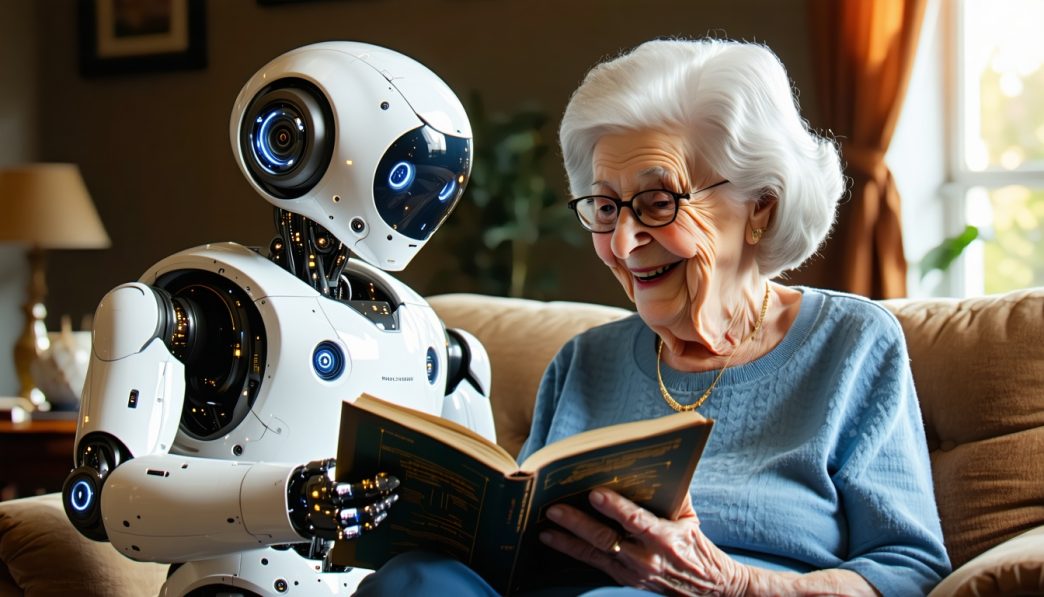
Introduction to Robotics in Elder Care
Role of Robots in Supporting Seniors
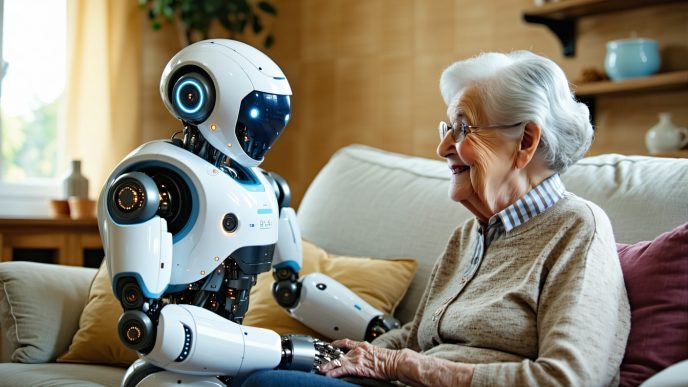
Robots play a transformative role in elder care, providing various forms of support to seniors. These technologies are designed to assist elderly individuals in their daily lives, from helping with routine tasks to providing companionship. By integrating robots into elder care, caregivers can focus more on personal interaction while ensuring seniors receive the necessary assistance.
Robots can help seniors by addressing key areas of need, including:
- Daily Task Assistance: Helping with activities such as meal preparation, cleaning, and personal hygiene by using robots helping with daily tasks for seniors.
- Medication Management: Some robots are equipped to remind seniors to take medications and ensure adherence to prescribed schedules. This service can be explored further through our article on robots assisting with medication reminders.
- Health Monitoring: Certain robotic systems can track vital signs and alert caregivers about any significant changes in a senior’s condition.
Benefits of Using Robots for Elder Care
The incorporation of robots into elder care presents numerous advantages that enhance the quality of life for seniors. Key benefits include: 
| Benefit | Description |
|---|---|
| Increased Independence | Robots can empower seniors by enabling them to perform tasks independently, promoting dignity and self-sufficiency. |
| Companionship | Robots can provide emotional support and reduce feelings of loneliness by engaging seniors in conversation and activities. See more about robots for senior companionship. |
| Enhanced Safety | Through monitoring functionalities, robots can help detect falls and send alerts to caregivers quickly. More details can be found in our article on robots for fall detection and emergency alerts. |
| Support for Health Management | Robots can assist in managing health conditions and encourage physical activity, contributing to overall well-being. Information on robots providing physical support can be explored for greater insights. |
| Peace of Mind for Families | Families can gain reassurance knowing that their loved ones are supported by robotic assistance, allowing for regular check-ins without constant oversight. |
These benefits highlight how elder care and companionship robots are reshaping the landscape of senior support, providing both practical assistance and improving the emotional health of elderly individuals. As technology continues to advance, the potential applications in elder care settings will only increase, further enhancing the lives of seniors and their families. For a deeper understanding of a promising future, visit our section on the future of elder care robotics.
Robotics in Daily Life of Seniors
Robots are becoming increasingly integral in the daily lives of elderly individuals, aiding in both practical tasks and health management. The following sections explore how these technologies assist seniors with daily living and enhance their safety.
Assistance with Daily Tasks
Elder care and companionship robots play an essential role in helping seniors with various everyday activities. These robots can assist with tasks such as cooking, cleaning, and managing household chores. Using advanced sensors and artificial intelligence, these robots can adapt to the needs of seniors, making daily tasks easier and more manageable.
Here are some common tasks that robots can assist with:
| Task | Description |
|---|---|
| Meal Preparation | Robots can help in preparing simple meals, ensuring that seniors eat nutritious food. |
| Cleaning | They can assist with vacuuming and other cleaning tasks to maintain a tidy living space. |
| Medication Reminders | Robots can remind seniors to take their medications on time, reducing the chance of missed doses. For more information, refer to our article on robots assisting with medication reminders. |
| Social Interaction | These robots can engage seniors in conversations, providing companionship and reducing feelings of loneliness. More details can be found in our piece on robots for senior companionship. |
The ability of robots to take over routine tasks allows seniors to maintain a higher degree of independence while easing the burden on caregivers or family members who may manage multiple responsibilities.
Monitoring Health and Safety
Safety is a major concern for many seniors and their families. Robots equipped with monitoring capabilities can significantly contribute to health and safety management. They can track physical activity, monitor vital signs, and even alert caregivers or emergency services in case of an emergency.
The following features are often included in health-monitoring robots:
| Function | Description |
|---|---|
| Fall Detection | These robots can identify when a senior has fallen and automatically alert emergency services. More information is available in our article on robots for fall detection and emergency alerts. |
| Health Monitoring | Robots can track vital signs such as heart rate and blood pressure, providing data to healthcare providers. |
| Activity Tracking | They monitor daily movement and activity levels, helping to ensure that seniors maintain an adequate level of physical engagement. |
By integrating these health and safety features, elder care robots provide peace of mind to families and caregivers, knowing that their loved ones are being monitored and supported in their daily lives.
Robots are paving the way for enhanced support in the lives of seniors, enabling them to live more independently while ensuring their safety and well-being.
Emotional Support and Companionship
Robots are proving to be valuable partners in providing emotional support and companionship for seniors. As elderly individuals often face feelings of loneliness and isolation, the introduction of these technologies aims to address such concerns effectively.
Addressing Loneliness and Isolation
Many elderly individuals experience loneliness, particularly those living alone or in retirement communities. Companion robots are designed to provide companionship and interaction, helping to alleviate the feelings of isolation that can accompany aging. These robots can engage seniors in conversation, play games, and even prompt participation in activities, creating opportunities for social interaction.
The impact of loneliness on seniors can be significant. Studies indicate that a vast majority of older adults report feelings of loneliness. A recent survey found that:
| Age Group | Percentage Reporting Loneliness |
|---|---|
| 65-74 Years | 39% |
| 75 Years and Above | 50% |
By integrating robots into elder care, caregivers can help reduce these feelings, improving overall mental health and enhancing the quality of life for many seniors. For further insights into robotic companionship, refer to our article on robots for senior companionship.
Providing Emotional Engagement
Beyond companionship, robots are programmed to engage users emotionally. Many machines are built with artificial intelligence capabilities that allow them to learn preferences and respond uniquely to individual users. This personalized interaction fosters connection, providing significant emotional fulfillment.
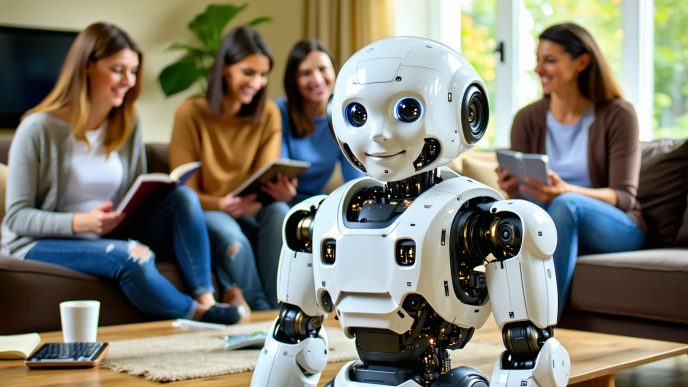
Companion robots can also encourage seniors to share memories or tell stories, enhancing cognitive engagement while creating a sense of purpose. Additionally, these robots can serve as a bridge between seniors and their families, allowing for easier communication and connection. For more on this aspect, explore our article on ai companions for dementia patients.
The emotional support offered by robots helps to create a safe and supportive environment for seniors. As technology advances, the role of robotic companionship in elder care will likely expand. For more information, check our insights on the future of elder care robotics.
Enhancing Mobility and Independence
Robots are increasingly becoming valuable tools in enhancing the mobility and independence of elderly individuals. These advanced technologies offer a range of services that not only assist in day-to-day activities but also promote safety and peace of mind for seniors and their families.
Mobility Assistance
Mobility assistance robots are designed to help seniors maintain their independence while ensuring their safety. These robots can assist with various tasks and challenges faced by older adults, such as moving around the home, navigating stairs, and providing support during walks.
Some key features of mobility assistance robots include:
| Feature | Description |
|---|---|
| Navigation | Equipped with sensors and GPS, these robots can help seniors find their way and avoid obstacles. |
| Physical Support | Many robots offer physical stability and balance while walking, reducing the risk of falls. |
| Customizable Settings | Seniors can personalize settings based on their unique mobility needs, adjusting the speed and assistance level. |
Such robots can also be integrated with health monitoring systems to track the elderly person’s activity levels and remind them to engage in physical activities, contributing to their overall well-being. For more on how robots can assist with mobility, check our article on assistive robots for elderly mobility.
Fall Prevention and Emergency Response
Falls are one of the leading causes of injury among seniors. To combat this issue, robots designed for fall prevention and emergency response play a crucial role. These robots can monitor the environment and alert caregivers in case of any falls or unusual activity.
Key capabilities of these robots include:
| Feature | Description |
|---|---|
| Fall Detection | Utilizing advanced sensors, robots can detect sudden falls and send alerts to emergency contacts. |
| Emergency Alerts | In the event of a fall, the robot can automatically initiate an alert to caregivers or emergency services, ensuring prompt assistance. |
| Safety Monitoring | Robots can continuously monitor for unsafe conditions and provide feedback to seniors on how to stay safe. |
By implementing fall detection and alert systems, these robots instill a greater sense of security for both seniors and their families. For additional information on robots that specialize in fall detection and emergency alerts, see our article on robots for fall detection and emergency alerts.
Through these advancements, elder care and companionship robots are proving essential in improving quality of life and maintaining independence for elderly individuals, ultimately bringing peace of mind to their families and caregivers.
Considerations for Implementing Robotics
As the integration of robots into elder care becomes more prevalent, it is important to recognize the various considerations that come with their use. Ethical considerations and privacy concerns are two key areas that require careful thought.
Ethical Considerations
The introduction of robots in elder care raises several ethical questions. Key points of concern include the potential for reduced human interaction and the implications of relying on machines for companionship and care.
| Ethical Concern | Description |
|---|---|
| Human Displacement | The concern that robots may replace human caregivers, leading to job loss in the care sector. |
| Quality of Care | The question of whether robots can provide the same level of emotional and physical support as trained professionals. |
| Dignity and Autonomy | Ethical implications regarding how robots may affect the dignity and independence of elderly individuals. |
These concerns highlight the need for a balanced approach when implementing elder care and companionship robots. It is crucial that their role complements rather than replaces human involvement, maintaining a strong focus on preserving the dignity of the elderly.
Privacy and Data Security Concerns
As robotics technology evolves, data privacy and security become significant issues. Many elder care robots collect data to function effectively, such as health metrics and personal information. Protecting this data is vital to prevent unauthorized access and ensure the privacy of individuals.
| Privacy Concern | Description |
|---|---|
| Data Encryption | Ensuring that the data collected by robots is encrypted to prevent breaches. |
| Consent | Obtaining informed consent from seniors or their families regarding data collection and its purpose. |
| Usage Disclosure | Transparency about how the collected data will be used and stored by care providers. |
These privacy challenges necessitate strict guidelines, ensuring that the use of robots in elder care prioritizes the security of personal information. Care providers must be vigilant in implementing robust data protection measures to build trust with users and their families.
The careful consideration of these ethical and privacy aspects will aid in the responsible integration of robots designed for elder assistance, enhancing the quality of life for seniors while maintaining essential human values. For further insights, explore articles on robots for senior companionship and robots assisting with medication reminders.
Future of Robotics in Elder Care
As technology advances, the role of robots in elder care continues to evolve. Innovations in robotics technology open new possibilities for supporting seniors, enhancing their quality of life, and reducing the burden on caregivers.
Advancements in Robotics Technology
The field of robotics is experiencing significant advancements that are directly applicable to elder care. Emerging technologies include improved artificial intelligence, enhanced mobility mechanisms, and more intuitive user interfaces. These developments allow robots to interact more naturally with seniors and adapt to their individual needs.
| Technology Advancement | Description |
|---|---|
| Artificial Intelligence | Enables better understanding of user preferences and behaviors. |
| Improved Sensors | Allows for more accurate monitoring of health metrics and environmental conditions. |
| Enhanced Mobility | Facilitates support for seniors with mobility limitations through assistive robots for elderly mobility. |
| User-Friendly Interfaces | Simplifies interactions, making robots easier for seniors to use. |
These advancements pave the way for more effective responses to the daily challenges that seniors face, whether it’s medication management with robots assisting with medication reminders or fall detection with robots for fall detection and emergency alerts.
Potential Impact on Elderly Care Services
The integration of elder care and companionship robots into healthcare services offers numerous benefits. These robots can supplement the workforce in retirement communities and assisted living facilities, allowing caregivers to focus on more complex tasks that require human empathy and understanding.
The impact of these robots can be seen in various areas:
| Impact Area | Description |
|---|---|
| Increased Efficiency | Robots can handle routine tasks, improving the overall workflow in caregiving environments. |
| Enhanced Safety | With fall detection and monitoring capabilities, robots can help prevent accidents and respond quickly in emergencies. |
| Emotional Well-Being | Companionship robots can reduce loneliness, providing emotional engagement for seniors, especially those with conditions like dementia. Learn more about ai companions for dementia patients. |
| Support for Daily Activities | Robots assist seniors with daily tasks, enhancing their independence and quality of life through robots helping with daily tasks for seniors. |
With the ongoing development of robotic technologies, the future of elder care looks promising. The combination of increased autonomy for seniors and the emotional support offered by robotic companions indicates a significant shift in how care is delivered. For more insights on the future of elder care robotics, check our article on future of elder care robotics.