The Role of Robots in Senior Care
Introduction to Robotics in Elderly Care
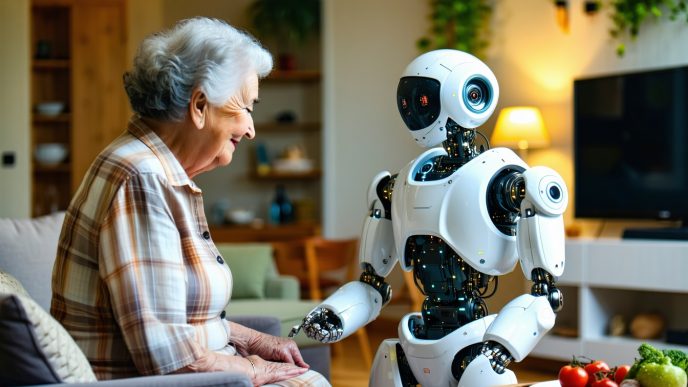
Robotics technology has made significant strides in recent years, particularly in the field of elderly care. Robots are increasingly being developed and utilized to assist seniors in maintaining their independence, managing their health, and enhancing their overall quality of life. From providing companionship to offering practical support, robots play a vital role in addressing the unique challenges faced by older adults.
The integration of robots in senior care is not only a technological advancement but also a response to the growing demand for innovative solutions that support aging populations. With many families unable to provide constant supervision or assistance, robots present a promising option to bridge the gap in care and support.
Benefits of Robots in Assisting Seniors
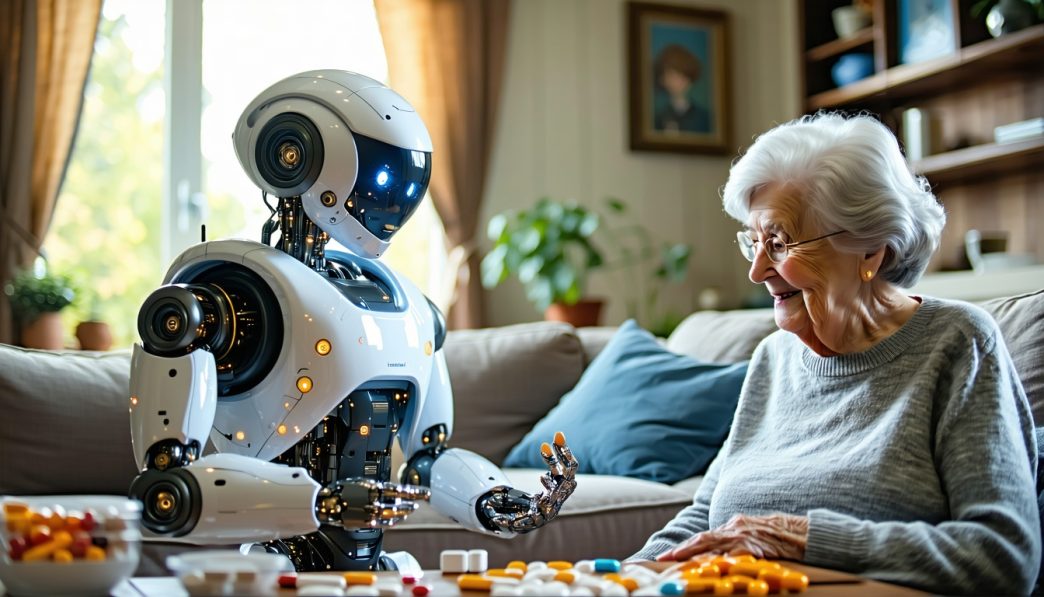
Robots assist with a variety of tasks that enhance the well-being of seniors. One of the most notable applications is in medication management. With the aging population, the complexity of medication regimens often increases, making it easier for seniors to miss doses or take incorrect medications. 
Key Benefits of Robots Assisting with Medication Reminders
| Benefit | Description |
|---|---|
| Timely Reminders | Robots can send alerts and reminders to seniors for medication schedules, ensuring they adhere to their treatment plans. |
| Dosage Management | Some robots are programmed to dispense medication according to prescribed dosages, reducing the risk of errors. |
| Tracking Compliance | Robots can monitor medication adherence and inform caregivers or family members if doses are missed. |
In addition to medication management, robots assist seniors with a variety of daily tasks. This support can range from helping with meal preparation to offering physical assistance during exercises. Studies have shown that these assistive technologies can significantly alleviate daily stressors for both seniors and caregivers. For more information, explore our article on robots helping with daily tasks for seniors.
Robots also contribute to enhancing safety. Many are equipped with features that enable them to detect falls or monitor the environment, providing peace of mind for families concerned about their loved ones’ safety. For instance, robots designed for fall detection and emergency alerts can quickly alert caregivers or emergency services if a fall occurs.
The role of robots in senior care is continually evolving, and with advancements in technology, their capabilities are expected to expand further. By providing support in essential areas such as medication adherence, physical assistance, and safety monitoring, robots serve as valuable partners in promoting healthier, more independent lives for seniors.
Supporting Health Routines
Robots play a pivotal role in assisting seniors with various health routines, promoting adherence to prescribed medications and encouraging regular physical activity. These advancements not only enhance seniors’ overall well-being but also provide peace of mind for families and caregivers.
Medication Reminders and Management
One of the critical areas where robots excel is in medication management. Many elderly individuals face challenges in keeping track of their medications, leading to missed doses or incorrect usage. Robots assisting with medication reminders offer solutions that can significantly improve adherence to prescription schedules. These robots can send timely alerts, dispense the right dosages, and even provide information about potential side effects.
The following table outlines key features of different robotic systems used for medication management:
| Feature | Description |
|---|---|
| Reminders | Timed alerts to notify users when to take medications. |
| Dispensing | Automated dispensing of medication doses. |
| Tracking | Monitoring adherence and sending reports to caregivers. |
| Alerts | Notifications for upcoming refills and missed doses. |
By employing these robots, caregivers can reduce the risks associated with medication mismanagement. Further insights can be found in our article on robots helping with daily tasks for seniors.
Exercise and Physical Activity Assistance
In addition to medication reminders, robots can facilitate physical activity among seniors. Maintaining an active lifestyle is essential for health, especially for elderly individuals. Robotics designed for exercise assistance can guide seniors through workout routines tailored to their ability levels.
These robots can offer various features that help seniors engage in physical activity:
| Feature | Description |
|---|---|
| Personalized workouts | Customized exercise plans based on individual fitness levels. |
| Monitoring | Tracking physical activity to ensure safety during exercise. |
| Instruction | Providing real-time feedback and guidance during workouts. |
Utilizing robots for exercise can encourage seniors to stay active, which is crucial for preventing mobility issues and promoting overall health. For more on mobility support, refer to our article on assistive robots for elderly mobility.
As robots continue to evolve in the realm of elder care, they are set to revolutionize health routines by providing consistent support and enhancing the quality of life for elderly individuals.
Addressing Loneliness and Mental Well-Being
Robots have emerged as valuable tools in tackling loneliness and enhancing the mental well-being of seniors. Their applications range from providing companionship to stimulating cognitive functions, which can be beneficial in maintaining a healthy emotional state.
Companionship and Social Interaction
The integration of robots into elderly care can significantly reduce feelings of isolation and loneliness among seniors. These robotic companions engage users in conversations, offer reminders for social activities, and sometimes even play games with them. Studies indicate that having a robot as a companion can lead to improved mood and a sense of belonging in elderly individuals.
| Research Findings | Percentage Impact |
|---|---|
| Reduction in feelings of loneliness | 40% |
| Improvement in mental health indicators | 35% |
| Increased engagement in social activities | 30% |
Robots for senior companionship can adapt their interactions based on the individual’s preferences, making the experience more personalized and enjoyable. This adaptability enables them to have meaningful conversations and provide activities tailored to the interests of the user. For more on how robots provide companionship, visit our article on robots for senior companionship.
Cognitive Stimulation and Entertainment
In addition to offering companionship, robots assist in stimulating cognitive functions through various activities. Many robots are equipped with games, puzzles, and trivia that encourage mental engagement. These activities not only entertain but also promote cognitive health by providing challenges that exercise the brain.
| Cognitive Benefits | Description |
|---|---|
| Memory exercises | Engaging seniors in memory-based games can help enhance recall and retention skills. |
| Problem-solving tasks | Activities that involve critical thinking can improve mental agility. |
| Music and arts | Robots can play music or facilitate art activities, stimulating creativity and emotional responses. |
Robots assisting with medication reminders also incorporate features that engage users cognitively. By encouraging seniors to participate in activities, robots help in maintaining mental acuity and can slow cognitive decline. For insights into how robots assist with medication reminders, refer to our article on robots assisting with medication reminders.
The use of robotics in elder care is transforming the way seniors experience companionship and cognitive engagement, making a notable impact on their overall quality of life.
Enhancing Safety and Mobility
Robots are making significant strides in improving the safety and mobility of seniors. By leveraging advanced technologies, these robotic systems are equipped to assist elderly individuals in various aspects of daily life, ensuring both their independence and security.
Fall Detection and Emergency Response
Falls are a leading cause of injury among seniors, often leading to serious consequences. Robots designed for fall detection are equipped with sensors and algorithms that can monitor the movements of elderly individuals. When a fall is detected, these robots can automatically alert caregivers or emergency services, providing a critical response in a timely manner.
Here are some key features of fall detection and emergency response robots:
| Feature | Description |
|---|---|
| Sensors | Detect sudden changes in motion or position. |
| Automated Alerts | Inform caregivers or emergency services immediately. |
| Emergency Protocols | Can initiate pre-set emergency procedures. |
| Location Tracking | Helps identify where the fall occurred for quick assistance. |
These systems not only provide peace of mind for families and caregivers but also empower seniors to live independently, knowing that help is readily available if needed. For more information on this technology, explore our article on robots for fall detection and emergency alerts.
Mobility Assistance and Monitoring
Seniors often face challenges related to mobility, affecting their daily activities and overall quality of life. Robots aiding in mobility play a vital role in facilitating movement and enhancing independence. These assistive robots can provide support in several ways:
- Offering physical support while walking.
- Providing a guided navigation system for safer movement.
- Monitoring mobility patterns to detect potential issues.
Robots designed for mobility assistance are tailored to senior needs, often featuring:
| Feature | Description |
|---|---|
| Adjustable Support | Provides varying levels of assistance based on individual needs. |
| Real-Time Monitoring | Keeps track of mobility patterns and alerts caregivers to any changes. |
| User-Friendly Interface | Designed for ease of use with minimal training required. |
By integrating robotics into mobility solutions, seniors can maintain their independence while receiving the necessary support to navigate their environment safely. For insights on similar technologies, check out our article on assistive robots for elderly mobility.
The implementation of these robotic aids not only improves the daily experiences of elderly individuals but also alleviates the stress often felt by their families, knowing that their loved ones have the support they need to stay safe and mobile.
Implementing Robots in Elder Care
The integration of robots in elder care presents unique challenges and considerations that must be addressed to maximize their benefits. Understanding these factors is crucial for adult children, caregivers, retirement communities, and healthcare providers.
Challenges and Considerations
Implementing robotics in senior care involves various challenges. Key considerations include:
-
Technology Acceptance: Some seniors may be resistant to using technology. It’s important for caregivers and family members to ensure that the elderly individuals feel comfortable and understand how to interact with these robots.
-
Training and Support: Caregivers need thorough training to effectively utilize robotic systems. Ongoing technical support is also necessary to address any issues that may arise.
-
Cost and Funding: The financial aspect of robotic systems can be significant. Budget constraints may limit the adoption of these technologies within retirement communities or individual homes.
-
Privacy and Security: Ensuring the privacy of personal data is essential. This includes safeguarding any health information that robots may collect during their interactions.
-
Regulation and Standards: Establishing guidelines for the use of robots in elder care will help ensure safety and effectiveness. Regulatory bodies need to create standards for the development and operation of these care robots.
| Challenge | Description |
|---|---|
| Technology Acceptance | Seniors may resist using new technology. |
| Training and Support | Caregivers need adequate training to use the robots. |
| Cost and Funding | Financial constraints may limit access to robots. |
| Privacy and Security | Protecting personal data is essential. |
| Regulation and Standards | Guidelines for safety and effectiveness are needed. |
Integration with Existing Care Plans
Integrating robots into existing care plans can enhance the assistance provided to seniors. This integration involves the following steps:
-
Assessment: Evaluate the individual needs of the elderly person, including their physical capabilities and social preferences. This assessment helps determine the appropriate robotic solutions.
-
Customization: Tailor the robotic functions to fit into the senior’s daily routine. For example, robots assisting with medication reminders should align with the individual’s prescription schedule to ensure adherence.
-
Collaboration: Involve healthcare professionals, family members, and caregivers in discussions about the integration process. Collaboration ensures that robots complement the current care plan rather than disrupt it.
-
Continuous Monitoring: Regularly monitor and assess the effectiveness of the robot in the care routine. Adjustments may be necessary based on the senior’s evolving needs or preferences.
-
Feedback Mechanism: Implement feedback channels where seniors, caregivers, and family members can communicate their experiences with the robots. This can lead to improved functionality and user satisfaction.
Integrating robots effectively can lead to enhanced support for seniors. For more insights on specific applications, refer to our articles on robots helping with daily tasks for seniors and assistive robots for elderly mobility.
Future of Robotics in Senior Care
Advancements in robotics technology are paving the way for more effective and user-friendly solutions in senior care. As technology evolves, robots are becoming increasingly sophisticated in their capabilities and applications, leading to enhanced support for elderly individuals.
Advancements in Robotics Technology
Recent innovations in robotics technology enable robots to perform a broader range of tasks that directly benefit seniors. These enhancements include improvements in artificial intelligence (AI), machine learning, and sensor technology.
- Artificial Intelligence: AI allows robots to learn from interactions with users, adapting their behaviors to better meet the specific needs of individual seniors.
- Machine Learning: With machine learning capabilities, robots become more efficient over time, refining their responses and improving their task execution.
- Sensor Integration: Advanced sensors help robots understand their environment, ensuring they can navigate safely and interact meaningfully with seniors.
These technological advancements can significantly impact various services offered to the elderly. The table below illustrates potential applications and associated benefits.
| Technology Type | Application | Benefits |
|---|---|---|
| AI & Machine Learning | Medication Management | Personalized reminders based on user habits |
| Sensors | Fall Detection & Emergency Response | Immediate alerts in case of falls |
| Navigation Systems | Mobility Assistance | Safe movement around the home |
Potential Impact on Elderly Health and Well-Being
The integration of advanced robotics in senior care has the potential to transform elderly health and well-being. Robots can aid in maintaining health routines and enhancing quality of life through various functionalities.
- Robots Assisting with Medication Reminders: Automated reminders can help prevent medication mismanagement, which is a common issue among seniors. By offering timely alerts, robots ensure that elderly individuals stick to prescribed regimens.
- Physical Support: Assistive robots can provide physical assistance for mobility, helping seniors perform daily tasks independently and safely. These robots may be equipped with features for robots providing physical support that assist users in standing, walking, or carrying objects.
- Companionship and Engagement: Robots designed for companionship can offer social interaction and cognitive stimulation, which are essential for combating loneliness. Programs and activities tailored to engage seniors can be included in robots for senior companionship.
The future of robotics in senior care promises improved safety, enhanced independence, and overall better health outcomes for elderly individuals. Innovations in this field are set to change how care is delivered, providing peace of mind for families and caregivers. To explore more about these technologies, read further on the future of elder care robotics.