Understanding Robotics in Elder Care
The integration of robotics into elder care is transforming how seniors receive assistance and support. This section explores the role of robots in aiding seniors and the benefits of assistive robots specifically designed for elderly mobility.
The Role of Robots in Assisting Seniors
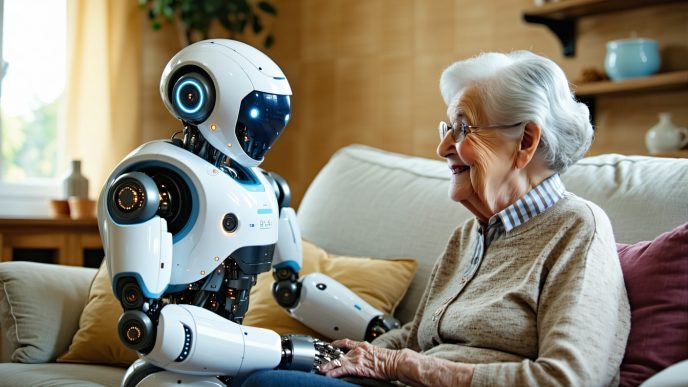
Assistive robots play a crucial role in helping seniors navigate their daily lives safely and independently. These robots can support mobility, provide companionship, and even assist with routine tasks. By doing so, they allow elderly individuals to maintain a higher quality of life while reducing the strain on caregivers.
Some key functions of robots in elder care include: 
- Mobility Assistance: Robots can help seniors move safely within their homes and communities, reducing the risk of falls.
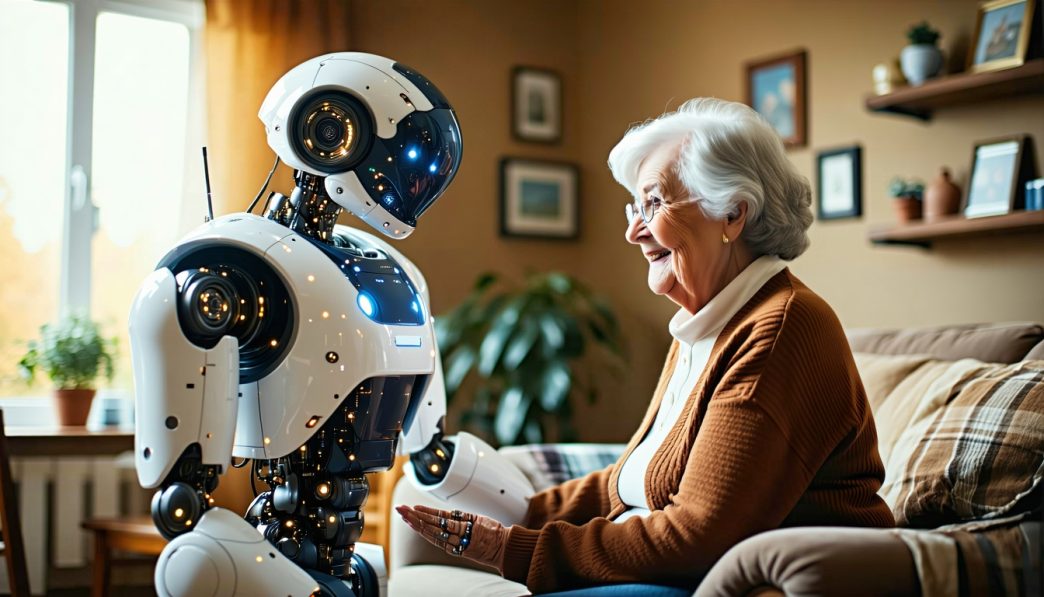
- Companionship: Many robots are designed to provide companionship, addressing feelings of loneliness that can affect seniors.
- Task Assistance: Robots can assist with daily tasks such as reminding seniors to take their medication or helping them perform light household chores.
Benefits of Assistive Robots in Elderly Mobility
The advantages of utilizing assistive robots for elderly mobility are significant and can make a meaningful difference in seniors’ lives.
| Benefit | Description |
|---|---|
| Increased Independence | Seniors can move around more freely, maintaining their independence while reducing the need for constant human assistance. |
| Enhanced Safety | Robots equipped with fall detection and monitoring capabilities help prevent accidents, giving both seniors and their families peace of mind. More on this can be found in our article on robots for fall detection and emergency alerts. |
| Social Interaction | Many assistive robots feature communication abilities, which can promote social interaction and help alleviate feelings of isolation. Information on companionship robots is available in our article on robots for senior companionship. |
| Support for Caregivers | These robots can ease the workload of caregivers by handling tasks such as monitoring health or reminding seniors about appointments. Explore more help with daily tasks in our article on robots helping with daily tasks for seniors. |
| Tailored Assistance | Some robots are designed with features that cater to specific needs, such as AI companions for dementia patients. For more information, visit our article on ai companions for dementia patients. |
The implementation of assistive robots for elderly mobility not only enhances the lives of seniors but also provides reassurance to their families and caregivers. Through advancing technology, the future of elder care robotics looks promising, as explored in our article on the future of elder care robotics.
Types of Assistive Robots
Assistive robots play a vital role in enhancing the mobility and independence of elderly individuals. Several types of robots are designed specifically to assist seniors with various aspects of movement, ranging from walking aids to lifting technologies. Here, the main types of assistive robots for elderly mobility are explored.
Robotic Exoskeletons
Robotic exoskeletons are wearable devices that provide physical support to seniors. These devices are designed to assist individuals with mobility challenges, helping them walk or stand with greater ease. By augmenting the user’s strength and endurance, exoskeletons enable seniors to regain a degree of independence.
Features of Robotic Exoskeletons
| Feature | Description |
|---|---|
| Strength Assistance | Provides support to legs for walking or standing. |
| Adjustable Fit | Designed to fit various body types comfortably. |
| Mobility Feedback | Sensors provide feedback to the user for better control. |
| Rechargeable Battery Life | Equipped with batteries that allow several hours of use before recharging. |
Autonomous Walking Aids
Autonomous walking aids are innovative devices that not only guide seniors while walking but also help them navigate their environment safely. These devices can adjust their pace according to the user’s speed, ensuring they can walk comfortably without the risk of falling.
Benefits of Autonomous Walking Aids
| Benefit | Description |
|---|---|
| Collision Detection | Sensors recognize obstacles and adjust path accordingly. |
| Hands-free Operation | Allows users to focus on their balance and posture while walking. |
| Voice Assistance | Some models offer verbal prompts to enhance user confidence. |
| Customizable Parameters | Users can set speed and sensitivity levels to match personal comfort. |
Robotic Lifts and Transfers
Robotic lifts and transfer devices are essential for seniors who may need assistance getting in and out of bed, chairs, or vehicles. These robots reduce the physical strain on caregivers and enhance the safety of transitions for individuals with limited mobility.
Key Features of Robotic Lifts
| Feature | Description |
|---|---|
| Easy-to-Use Controls | Designed for both the caregiver and the user for simplified operation. |
| Safety Mechanisms | Equipped to prevent accidental drops during transfers. |
| Compact Design | Built to fit in smaller living spaces without compromising functionality. |
| Emergency Shut-off | Provides a fast and secure way to stop operations if needed. |
As the technology behind assistive robots continues to advance, these devices remain critical in promoting mobility among seniors. They not only help reduce the risks of falls but also provide peace of mind for families and caregivers. For more information on how these robots can enhance daily life, visit our articles on robots helping with daily tasks for seniors and robots for fall detection and emergency alerts.
How Robots Support Safe Movement
Robots are increasingly becoming integral in promoting safe movement for elderly individuals. Through advanced technologies, these assistive robots enhance mobility and independence while reducing the risk of accidents. This section discusses key features that enable robots to support seniors effectively.
Fall Prevention Technology
Fall prevention is critical in elderly care, as falls can lead to serious injuries and complications. Assistive robots are equipped with various technologies designed to minimize the risk of falls:
| Feature | Description |
|---|---|
| Sensor Systems | Many robots utilize advanced sensors to detect obstacles in the environment, helping seniors navigate safely without colliding with furniture or other objects. |
| Stability Support | Some robots provide physical support, offering stability during standing or walking. This is especially beneficial for seniors with balance issues. |
| Alert Mechanisms | Robots can be programmed to monitor the movements of seniors. In case of sudden changes (indicative of a potential fall), alerts can be sent to caregivers or family members. |
For a deeper understanding of how robots contribute to fall detection and emergency responses, see our article on robots for fall detection and emergency alerts.
Monitoring and Assistance Features
Monitoring features within assistive robots help caregivers keep track of the well-being of elderly users. These features include:
| Feature | Purpose |
|---|---|
| Movement Tracking | Robots can monitor daily activity levels, providing insights into the levels of mobility. This data helps in ensuring that seniors remain active and healthy. |
| Health Monitoring | Some robots are equipped with health tracking capabilities, monitoring vital signs like heart rate and blood pressure. This real-time data can be shared with healthcare providers for timely intervention. |
| Assistance Reminders | Robots can offer reminders for medication, appointments, and other essential daily tasks, helping seniors adhere to their health routines. Learn more about this technology in our article on robots assisting with medication reminders. |
The integration of these features into elderly care robots not only boosts independence but significantly enhances the peace of mind for families, knowing that their loved ones are supported and monitored. For more information on the role of robots in daily assistance, visit our article on robots helping with daily tasks for seniors.
By implementing these sophisticated technologies, assistive robots for elderly mobility can significantly improve the quality of life for seniors, ensuring they move confidently and safely.
Incorporating Technology in Elderly Care
As technology evolves, the integration of robotics into healthcare settings has become increasingly beneficial for elderly individuals. This section explores how assistive robots can be incorporated into elder care environments and the challenges that accompany their deployment, as well as future developments in robotic assistance.
Integration of Robotics in Healthcare Settings
Assistive robots for elderly mobility are being adopted in various healthcare settings, including hospitals, nursing homes, and assisted living facilities. Their applications range from providing physical support to enhancing social interactions. The integration of these robots can lead to improved quality of care and increased independence for seniors.
| Setting | Application |
|---|---|
| Hospitals | Robots assisting with medication reminders, monitoring vital signs |
| Nursing Homes | Robotic lifts for transferring residents, social robots for companionship |
| Assisted Living Facilities | Robots helping with daily tasks, robots for fall detection and emergency alerts |
The use of robots in these settings can augment the capabilities of human caregivers. By performing repetitive or physically demanding tasks, such as lifting or transferring patients, robots allow caregivers to focus on providing personalized care and attention. This balance enhances efficiency within the healthcare system.
Challenges and Future Developments in Robotic Elder Care
Despite the benefits of robotics in elder care, several challenges need to be addressed for widespread adoption. One major concern is the cost of implementing robotic technology, which can be prohibitive for some facilities. Additionally, there is a need for training both seniors and caregivers to ensure effective usage of these robots.
The table below outlines key challenges and potential future developments in elder care robotics.
| Challenge | Description | Future Development |
|---|---|---|
| Cost | High initial investment for robotic systems | Development of more affordable solutions |
| Training | Need for proper training for seniors and caregivers | Enhanced user-friendly interfaces and tutorials |
| Acceptance | Resistance to adopting robotic assistance | Increased awareness and proven effectiveness of robots for senior companionship |
Looking forward, advancements in artificial intelligence and machine learning are poised to enhance the capabilities of assistive robots. These improvements may lead to greater personalization in care, adapting to individual needs and preferences, and fostering connections in the form of robots for senior companionship.
As robotics technology continues to evolve, it is crucial for stakeholders to stay informed about the latest developments in this field, including the potential of ai companions for dementia patients and other innovative solutions that benefit seniors.
Considerations for Implementing Robotic Assistance
As the adoption of assistive robots for elderly mobility continues to grow, it is essential to consider various factors that can influence their effective integration into elder care. Cost-effectiveness and proper training play crucial roles in ensuring that both seniors and caregivers can fully benefit from these innovative solutions.
Cost-effective Solutions
The expense associated with purchasing and maintaining robotic devices can be a significant barrier for many families and healthcare facilities. Careful planning and evaluation of cost-effective solutions are necessary to ensure that assistive robots are accessible to those who need them most. Key strategies include:
| Strategy | Description |
|---|---|
| Government Grants | Many regions offer financial support or grants for technologies aimed at improving elder care. Exploring these options can reduce initial costs. |
| Bulk Purchasing | Retirement communities and healthcare providers can negotiate discounts when purchasing multiple units, lowering overall expenses. |
| Leasing Options | Exploring leasing options instead of outright purchases can provide flexibility and reduce initial financial burdens. |
| Training Programs | Government or nonprofit organizations may offer free or low-cost training programs on how to effectively use assistive robots, maximizing their utility without additional expense. |
These approaches can help alleviate the financial impact of implementing robotic assistance in elderly care environments.
Training and Familiarization for Seniors and Caregivers
Training is vital for ensuring that seniors and their caregivers can confidently utilize assistive robots. Effective training programs can promote familiarity and comfort with technology, leading to enhanced usage and acceptance. Important aspects of training include:
- Hands-on Demonstrations: Practical sessions that allow seniors to interact with and practice using the robots can significantly improve their comfort level.
- Instructional Materials: Providing easy-to-understand guides and videos can help reinforce learning and allow for independent review.
- Support Networks: Establishing support groups where individuals can share experiences, tips, and resources about using assistive robots fosters community and provides ongoing assistance.
The combination of cost-effective solutions and comprehensive training will facilitate the successful integration of assistive robots into elderly care, ultimately enhancing mobility and independence for seniors. For more information about how these robots work, check out our article on elder care and companionship robots.
Ethical and Social Implications
As the use of assistive robots for elderly mobility grows, so do the ethical and social implications associated with their implementation. Understanding these concerns is crucial for caregivers, families, and healthcare providers.
Privacy Concerns in Using Assistive Robots
One significant issue surrounding the deployment of assistive robots in elder care is privacy. Many robots are equipped with sensors and cameras that collect data on an individual’s daily activities, health metrics, and movement patterns. This data collection can raise concerns regarding the privacy rights of elderly individuals.
To address these concerns, it’s important to ensure that data collected by assistive robots is securely stored and only accessed by authorized personnel. Transparency about what data is being collected and how it is used is vital in building trust with seniors and their families.
The following table outlines common privacy concerns and potential solutions:
| Privacy Concern | Potential Solutions |
|---|---|
| Unauthorized data access | Implementing robust cybersecurity measures |
| Lack of transparency | Clear communication about data use and policies |
| Data misuse | Strict regulations on data sharing and use |
The Role of Human Interaction in Robotic Elder Care
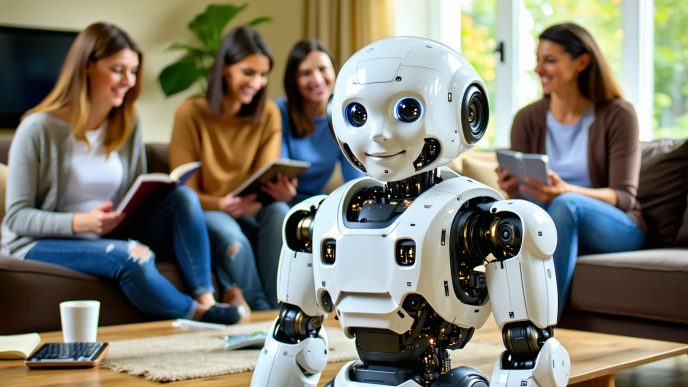
While robots provide valuable support for elderly individuals, the importance of human interaction cannot be understated. Assistive robots offer functional benefits like aiding in mobility and delivering medication reminders, but they cannot replicate the emotional connection that human caregivers provide.
Studies show that social interaction plays a critical role in mental health and overall well-being for seniors. Therefore, a balanced approach to using robotics in elder care should integrate human connection with technological assistance.
To illustrate the impact of social interaction alongside robot assistance, consider the following table:
| Contribution of Human Interaction | Benefits |
|---|---|
| Emotional support | Reduces feelings of loneliness |
| Interaction during activities | Enhances engagement and cognitive function |
| Personalized care | Tailors assistance to individual needs |
Integrating assistive robots with human caregivers can create a comprehensive support system for seniors, enhancing both their physical and emotional well-being. For more insights into this integration, visit our article on elder care and companionship robots and explore how robots can effectively complement human caregivers.