Addressing Loneliness in the Elderly
Understanding the Impact of Loneliness on Elderly Populations
Loneliness is a significant issue among elderly individuals, affecting their emotional and physical well-being. Research indicates that a substantial percentage of seniors experience feelings of isolation, which can lead to serious health problems. According to studies, approximately 43% of seniors report feeling lonely on a regular basis. Chronic loneliness is associated with increased risks of anxiety, depression, and cognitive decline.
| Impact of Loneliness on Elderly Populations | Statistics |
|---|---|
| Percentage of seniors feeling lonely | 43% |
| Increased risk of depression | 24% |
| Higher likelihood of health decline | 30% |
| Cognitive decline incidences | 28% |
Elderly populations often face challenges that contribute to feelings of isolation, such as losing close friends or family members, mobility limitations, and living alone. Addressing these feelings is crucial for improving overall health and quality of life for seniors.
Introduction to the Role of Social Robots
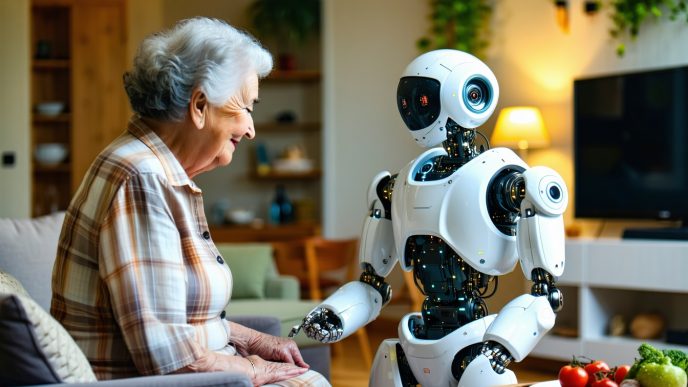
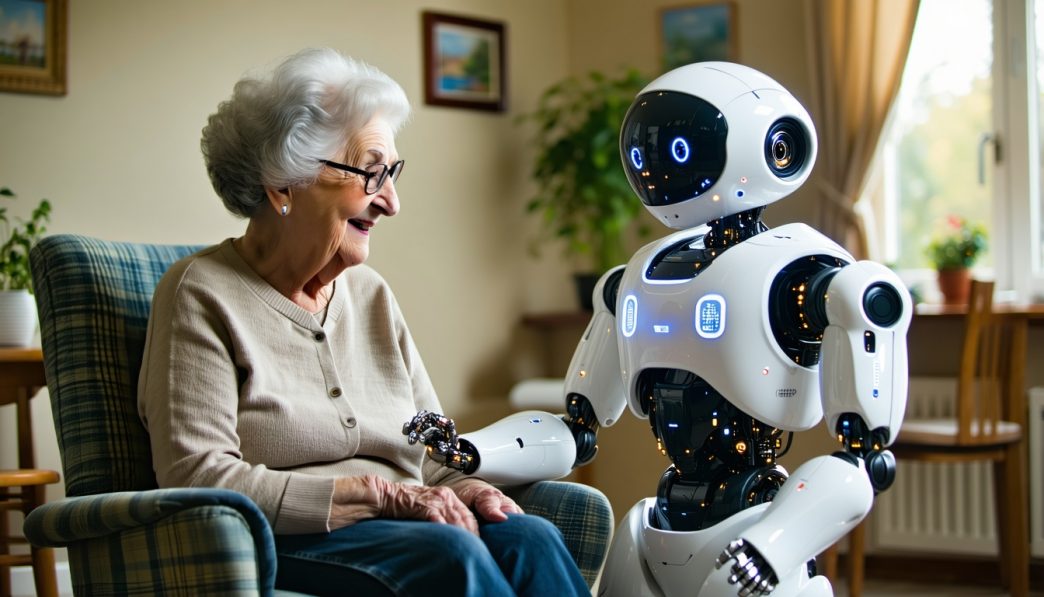
In response to the growing issue of loneliness among older adults, social robots have emerged as a potential solution for providing companionship and care. These robots, designed with functionality and emotions, aim to engage seniors, bridge the gap of loneliness, and offer meaningful interactions. 
Social robots can serve various purposes, from simple companionship to assisting with daily activities, thereby enhancing the lives of elderly individuals. Robots for senior companionship can help reduce feelings of isolation by providing consistent interaction, which is essential for emotional support. These advanced technologies are equipped with capabilities to initiate conversations, play games, and even perform basic tasks that contribute to the daily lives of seniors.
Examples of applications for social robots include reminders for medication, emotional support for those with dementia, and assistance with mobility challenges. As technology continues to advance, the role of social robots in elder care promises to grow, making a significant impact on reducing loneliness and providing peace of mind for families and caregivers.
For more information on how these innovative solutions are shaping elder care, explore our articles on elder care and companionship robots, robots helping with daily tasks for seniors, and ai companions for dementia patients.
Benefits of Social Robots for the Elderly
Social robots present numerous advantages for elderly individuals, particularly regarding companionship and assistance with daily tasks. These benefits can significantly enhance the quality of life for seniors, addressing both emotional and practical needs.
Providing Companionship and Emotional Support
Loneliness is a prevalent issue among elderly populations. It can lead to depression, anxiety, and a decline in overall health. Social robots serve as a valuable solution by providing companionship and emotional support. These robotic companions are designed to interact with seniors in meaningful ways, offering conversation, entertainment, and even basic emotional validation.
A study conducted on the impact of robotic companions revealed positive effects on loneliness and overall well-being. The data showed a marked improvement in emotional health among users who engaged regularly with social robots.
| Metric | Before Interaction | After Interaction |
|---|---|---|
| Feelings of Loneliness (Scale 1-10) | 8.5 | 4.2 |
| Reported Happiness (Scale 1-10) | 3.0 | 7.5 |
| Engagement in Activities (Hours/Week) | 1 | 5 |
The presence of these robots promotes social interaction and reduces feelings of isolation, making them an essential tool in elder care. For more details on the application of different types of robots in elder care, check out our article on elder care and companionship robots.
Assisting with Daily Tasks and Promoting Independence
In addition to providing companionship, social robots can assist seniors with daily tasks. This technological support significantly contributes to maintaining independence among elderly individuals. Social robots can help with medication reminders, prompts for daily activities, and engaging in physical support when necessary, thus ensuring that seniors manage their routines efficiently.
The following table illustrates how various tasks can be aided by robots designed for elder care:
| Task | Robot Functionality |
|---|---|
| Medication Reminders | Timely alerts for medication consumption. See more on robots assisting with medication reminders. |
| Physical Support | Assistance for standing up or walking, reducing the risk of falls. Check our article on robots providing physical support for additional insights. |
| Daily Chores | Help with simple tasks like fetching items or organizing spaces. Refer to robots helping with daily tasks for seniors for further details. |
| Emergency Alerts | Immediate notification systems for fall detection and help. Learn more about robots for fall detection and emergency alerts. |
By integrating these technologies into their daily lives, elderly individuals can experience a greater sense of autonomy and safety, which in turn contributes to both physical and mental well-being.
The introduction of robots for senior companionship addresses multiple facets of the challenges faced by elderly populations, making them a vital resource in enhancing the elder care landscape. For insights into future developments, explore our article on the future of elder care robotics.
Types of Social Robots
Social robots come in various forms, each designed to meet specific needs in elder care and companionship. Understanding the different types can help caregivers and families choose appropriate solutions for reducing loneliness and providing support to elderly individuals.
Humanoid Robots
Humanoid robots are designed to resemble human beings in appearance and behavior. These robots typically possess facial expressions and can engage in conversation, mimicking the nuances of human interaction. Their human-like features can make them more relatable for elderly individuals, easing feelings of loneliness.
| Features | Advantages |
|---|---|
| Human-like appearance | Enhances emotional connection |
| Conversational skills | Reduces feelings of isolation |
| Mobility | Can assist with physical activities |
Humanoid robots can serve as companions that engage the elderly in conversation and activities, promoting mental stimulation and connection. Their advanced programming allows for responsive interactions that adapt to the user’s emotional state.
Companion Robots
Companion robots are specifically designed to offer emotional support and companionship to the elderly. They often feature soft, comforting designs and interactive functionalities that appeal to seniors. These robots can engage users through music, games, and conversation, providing a sense of company and joy.
| Features | Benefits |
|---|---|
| Interactive play | Enhances cognitive engagement |
| Music and entertainment | Uplifts mood |
| Memory support | Helps with reminiscence activities |
Companion robots are beneficial for individuals living alone or those who may feel isolated. They can help alleviate feelings of depression and anxiety by providing consistent companionship.
Service Robots
Service robots focus on assisting elderly individuals with daily tasks and promoting independence. These robots can help with practical activities such as medication reminders, meal preparation, and even mobility assistance.
| Features | Applications |
|---|---|
| Medication reminders | Helps manage health effectively (robots assisting with medication reminders) |
| Meal preparation | Aids in nutrition and meal planning (robots helping with daily tasks for seniors) |
| Fall detection | Alerts caregivers in emergencies (robots for fall detection and emergency alerts) |
By assisting with these tasks, service robots not only promote independence but also provide peace of mind to families and caregivers, knowing their loved ones are supported.
Each type of robot plays a unique role in enhancing the quality of life for elderly individuals, minimizing loneliness, and ensuring a safer and more engaging environment. The integration of these robots into elder care strategies reflects a growing trend in recognizing the importance of technology in providing companionship and assistance. Caregivers and families interested in exploring these innovations can look towards the future of elder care robotics for further insights.
Implementation and Acceptance
The introduction of robots for senior companionship into elderly care settings is a complex process that presents various challenges and considerations. Understanding these factors is crucial for successful implementation and acceptance among older adults.
Challenges and Considerations in Introducing Social Robots
Several obstacles can hinder the effective integration of social robots into elder care. Key challenges include:
| Challenge | Description |
|---|---|
| Technology Fear | Many elderly individuals may feel intimidated by new technology, leading to reluctance in using robots. |
| Cost and Accessibility | The financial investment required for acquiring and maintaining robots may be a barrier for families and care facilities. |
| Training Needs | Caregivers and seniors may require training to effectively utilize robots, which can be time-consuming and require additional resources. |
| Integration with Existing Systems | Ensuring that robots work seamlessly with current care practices and technologies may necessitate adjustments and adaptations. |
These challenges highlight the importance of providing education and support to ensure that robots are viewed positively within the caregiving framework.
Factors Affecting Elderly Acceptance and Engagement
Elderly acceptance of social robots is influenced by multiple factors. Understanding these aspects can enhance the effectiveness of robotic companions:
| Factor | Description |
|---|---|
| Personalization | Robots that can adapt to individual preferences and needs are more likely to be embraced by seniors. |
| Social Interaction | The ability of robots to engage in meaningful conversation and interactions can significantly increase their acceptance. |
| Perceived Usefulness | Seniors are more inclined to accept robots perceived as beneficial for daily life, such as robots assisting with daily tasks for seniors. |
| Emotional Connection | Robots designed to simulate emotions and companionship, particularly for ai companions for dementia patients, can foster stronger bonds with users. |
Addressing these factors during the planning and implementation phase can improve the overall acceptance of robots among older adults, contributing to reduced loneliness and enhanced well-being.
By recognizing the challenges and focusing on the factors that promote acceptance, caregivers, families, and retirement communities can better integrate robots into the lives of seniors. This proactive approach will help maximize the benefits of elder care and companionship robots, ultimately leading to healthier and more connected aging experiences.
Success Stories and Case Studies
Real-Life Examples of Social Robots in Elderly Care
Social robots are making significant strides in providing companionship and support for elderly individuals across various settings, including retirement communities and family homes. Here are some notable real-life examples of robots used for senior companionship:
| Robot Name | Description | Location |
|---|---|---|
| PARO | A therapeutic robot resembling a baby seal, providing comfort and calming effects for seniors with cognitive impairments. | Assisted living facilities |
| ElliQ | A proactive social companion that engages users in conversation, reminds them to take medications, and helps manage daily tasks. | Home care environments |
| Buddy | A humanoid robot designed to interact and provide companionship, capable of video calling and medication reminders. | Retirement homes |
| RoboKind’s Milo | A social robot focusing on emotional engagement through interactive storytelling and games, particularly benefiting seniors with dementia. | Dementia care centers |
These examples demonstrate the diverse functions of robots in enhancing the quality of life for elderly individuals.
Positive Outcomes and Feedback from Users
Feedback from users of social robots has been overwhelmingly positive. Many elderly individuals report feeling less lonely and more engaged in their daily lives. The following table summarizes key benefits reported by users of robots for senior companionship:
| Benefit | Percentage of Users (%) |
|---|---|
| Improved mood and emotional well-being | 75 |
| Increased social interaction | 70 |
| Enhanced sense of safety | 68 |
| Greater independence | 60 |
Elderly users have expressed gratitude for the companionship and support that these robots provide. Many appreciate the reduction in loneliness, with some stating that the presence of a robot in their home has made a significant difference in their quality of life. Caregivers also report that robots assisting with medication reminders and daily tasks have reduced their workload and provided peace of mind.
The success stories and feedback highlight the potential of robots in enhancing elder care and companionship, addressing the pressing issue of loneliness among seniors. As the technology continues to evolve, future developments may bring even more innovative solutions for elderly populations, as discussed in our article on the future of elder care robotics.
Future Trends and Ethical Considerations
Emerging Trends in Social Robotics for Elderly Care
The landscape of social robotics is rapidly evolving, especially within the realm of elder care. Recent advancements point toward innovative solutions that cater specifically to the needs of senior individuals, focusing on reducing loneliness and enhancing quality of life.
Current trends include:
- Increased Integration of Artificial Intelligence: AI technologies are enabling robots to learn from interactions, improving their ability to engage effectively with elderly users.
- Enhanced Personalization: Robots are becoming more adaptable, allowing for customized interactions based on individual preferences, such as preferred activities or historical interaction patterns.
- Multifunctionality: Many robots are now designed to perform a variety of tasks beyond companionship, including providing medication reminders and assisting with daily chores. A breakdown of these capabilities can be found in our article on robots helping with daily tasks for seniors.
| Trend Feature | Description |
|---|---|
| AI Integration | Robots learn and adapt to user preferences. |
| Personalization | Tailored interactions based on individual needs. |
| Multifunctionality | Combines companionship with practical assistance. |
These advancements suggest a promising future for robots in elder care. The growing acceptance by families indicates a shift toward integrating robotic solutions into eldercare strategies. Highlighting the importance of regular monitoring and updates, the future of partnerships between robots and humans depends on their continuous improvement to meet changing needs.
Ethical Implications of Using Robots for Senior Companionship
As robots become more prevalent in senior care, ethical considerations arise, addressing the implications of their use in providing companionship. Key issues include:
- Privacy Concerns: Data collected by robots could lead to privacy violations if not managed properly. Ensuring user data confidentiality is paramount.
- Dependence vs. Autonomy: There’s a fine line between providing necessary support and fostering dependence on robotic companions. It’s crucial to promote independent living while offering assistance.
- Emotional Attachment: With the potential for seniors to form emotional bonds with robots, questions arise regarding the effects on human relationships. Establishing balance is essential.
| Ethical Concern | Implications |
|---|---|
| Privacy | Ensuring data confidentiality and protection of personal information. |
| Dependence | Balancing support with encouragement for autonomy. |
| Emotional Attachment | Managing the impact on human interactions and relationships. |
Addressing these ethical dilemmas is vital for fostering trust and acceptance among users and their families. Continuous dialogue among developers, caregivers, and policymakers will be crucial in navigating these complex issues surrounding robots for senior companionship.
By remaining proactive about both emerging trends and ethical considerations, stakeholders can contribute to the responsible development and implementation of social robots in elder care settings.