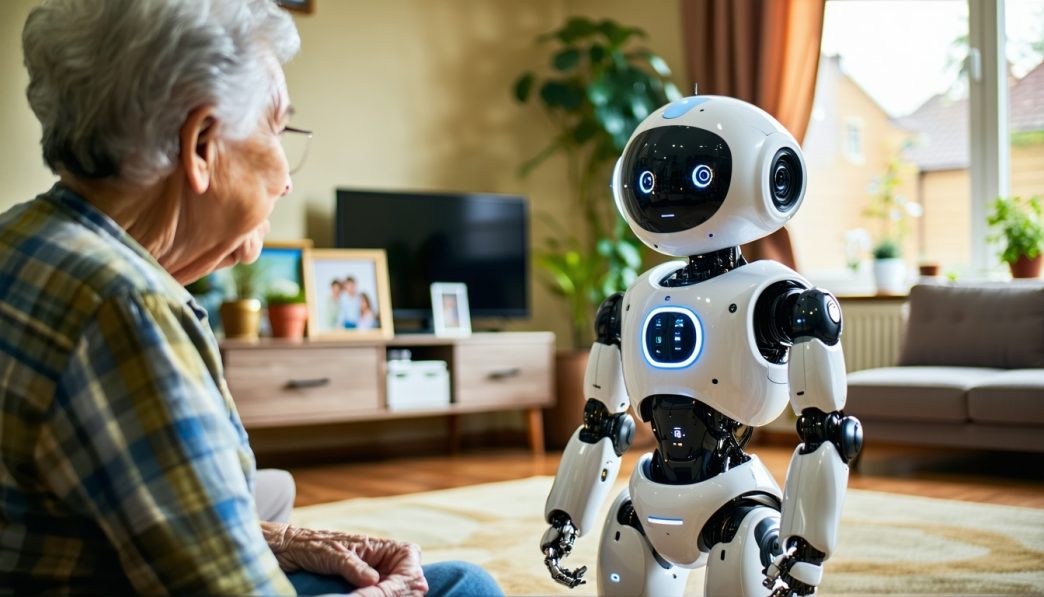
The Role of Robots in Dementia Care
Understanding the Impact of Dementia on Individuals
Dementia is a progressive neurological disorder that affects a person’s cognitive functions, including memory, reasoning, and communication. The impact of dementia can vary but generally includes significant declines in the ability to perform daily activities, making it challenging for individuals to maintain their independence.
Statistics reveal the prevalence of dementia among the elderly population, highlighting the need for effective care solutions. The following table summarizes the estimated number of individuals living with dementia by age group:
| Age Group | Estimated Number of Individuals with Dementia |
|---|---|
| 65–74 years | 1.6 million |
| 75–84 years | 3.1 million |
| 85 years and older | 2.9 million |
The emotional toll of dementia also leads to increased feelings of loneliness, isolation, and depression among patients. Understanding these challenges is essential in developing supportive interventions. 
How Robots Can Support Cognitive Wellness
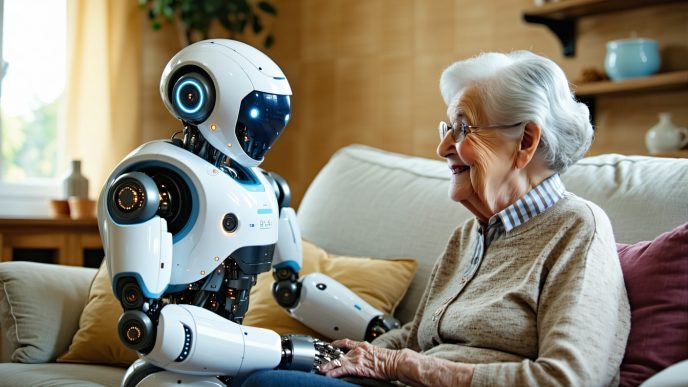
AI companions specifically designed for dementia patients play a pivotal role in enhancing cognitive wellness. These robotic systems provide companionship, mental stimulation, and assistance tailored to the unique needs of individuals with dementia.
The following are several ways in which robots can support cognitive wellness:
-
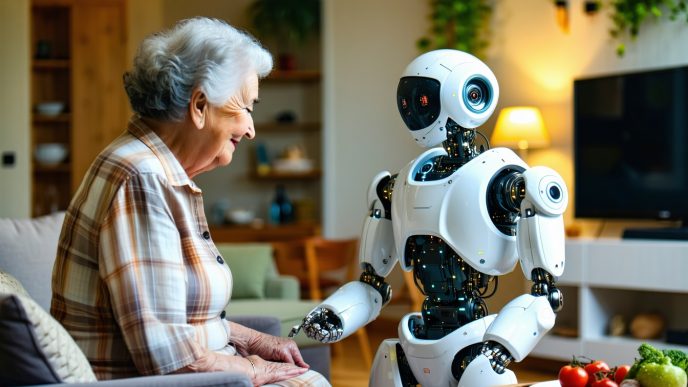
Companion Interaction: AI companions can engage in conversations, share memories, and provide interactive experiences that stimulate cognitive function. This engagement helps in reducing feelings of loneliness.
-
Memory Aids: Robots can remind patients of important events and tasks, such as medication schedules or appointments. This function enhances cognitive engagement while assisting with daily routines. More details can be found in our article on robots assisting with medication reminders.
-
Mental Exercises: Some AI companions are programmed with games and activities specifically aimed at promoting memory and cognitive exercises. These activities keep the mind active and can potentially slow the progression of cognitive decline.
-
Personalized Interactions: AI companions can learn and adapt to the user’s preferences. By providing personalized interactions based on the individual’s history and preferences, these robots foster connections and support overall well-being.
In addition to alleviating loneliness through social interaction, robots also provide various forms of support, including physical assistance and reminders for daily tasks. For more comprehensive coverage on how robots can assist in daily living, check out our article on robots helping with daily tasks for seniors.
In summary, the role of AI companions for dementia patients is multifaceted, providing essential support in cognitive wellness and enhancing the quality of life for individuals facing the challenges posed by dementia.
AI Companions for Dementia Patients
The integration of AI companions into dementia care has gained significant attention for their potential to enhance the lives of individuals with cognitive impairments. These technologies play a crucial role in addressing various challenges faced by dementia patients, from loneliness to assistance with daily activities.
Benefits of AI Companions in Dementia Care
AI companions offer several advantages that can positively impact the quality of life for dementia patients. These benefits include:
| Benefit | Description |
|---|---|
| Reduction of Loneliness | AI companions provide social interaction, helping to alleviate feelings of isolation often experienced by dementia patients. |
| Cognitive Stimulation | Engaging with AI companions can promote mental exercises, enhancing cognitive functioning and delaying deterioration. |
| Emotional Support | The presence of an AI companion can offer emotional comfort, reducing anxiety and agitation in patients. |
| Daily Assistance | AI companions can assist with reminders for medications and appointments, supporting organization and independence. |
| Monitoring Health | Some AI companions are equipped with monitoring features, providing data to caregivers about the patient’s well-being. |
Types of AI Companions Available
There are various types of AI companions designed specifically for dementia patients, each with unique functions. Below are some common types:
| Type of AI Companion | Features |
|---|---|
| Social Robots | Designed for interaction, they engage users with conversation, play games, and provide entertainment. |
| Smart Speakers | Devices like voice-activated assistants that can set reminders, control smart home devices, and answer questions. |
| Health Monitoring Bots | Focused on health metrics, these robots can remind patients of medication times and alert caregivers to irregularities. |
| Robots Assisting with Daily Tasks | Equipped to help with routine activities, from fetching items to guiding mobility. For more about these features, visit our article on robots helping with daily tasks for seniors. |
The incorporation of AI companions in dementia care represents a significant advancement in elder care technologies. By understanding their benefits and types, families and caregivers can make informed decisions about supporting individuals diagnosed with dementia. For more in-depth information on related technologies, explore our articles on elder care and companionship robots and future of elder care robotics.
Enhancing Quality of Life
Artificial intelligence (AI) companions are emerging as valuable tools in dementia care, significantly enriching the lives of individuals with cognitive decline. This is particularly evident in the areas of loneliness and isolation, as well as engagement and mental stimulation.
Addressing Loneliness and Isolation
Individuals with dementia often experience feelings of loneliness and isolation due to social withdrawal and cognitive challenges. AI companions can play a vital role in alleviating these feelings by providing companionship and interaction throughout the day. Research indicates that social interaction can positively influence mental health, making companionship robots especially beneficial.
| Impact Area | Before AI Companions | After AI Companions |
|---|---|---|
| Frequency of Social Interaction | 1-2 times a week | Daily interaction |
| Reported Feelings of Loneliness | High (70%) | Reduced (30%) |
| Engagement in Activities | Low (15%) | Increased (50%) |
By serving as empathetic listeners or interactive partners, AI companions foster an environment where individuals feel valued and connected. This emotional support enhances their overall quality of life and can lead to improved mental health outcomes.
Encouraging Engagement and Mental Stimulation
AI companions can also encourage engagement and mental stimulation through a variety of interactive activities. These companions are designed to facilitate cognitive exercises, such as puzzles, games, and storytelling, which can help maintain cognitive skills and promote mental health.
| Type of Activity | Frequency | Engagement Level After AI |
|---|---|---|
| Memory Games | 1-2 times a week | 4-5 times a week |
| Conversation Practice | Rarely | Daily interactions |
| Activity Participation | 10% | 60% |
The ability of AI companions to adapt to an individual’s preferences means they can personalize activities that challenge the user’s mind while making them enjoyable. This sustained engagement can improve mood, boost confidence, and contribute to cognitive wellness in dementia patients.
The integration of AI companions in dementia care not only helps to combat loneliness and stimulate thinking but also provides much-needed companionship to enrich the lives of those experiencing cognitive challenges. For more insights into the benefits of these technologies, refer to our article on elder care and companionship robots and explore the various forms of support they offer.
Assisting with Daily Living
Robots play a vital role in enhancing the daily living experiences of individuals with dementia. They offer practical support that promotes independence while ensuring safety and well-being.
Supporting Mobility and Independence
Assistive robots designed for elderly individuals provide essential support for mobility. These devices can help individuals move safely within their environment, reducing the likelihood of falls and enhancing independence. Mobility robots can facilitate various tasks, such as standing up from a seated position, walking, or even navigating stairs.
| Type of Mobility Support | Key Features |
|---|---|
| Mobility Aids | Lightweight, portable, and adjustable for various needs |
| Walking Assistants | Provide stability and balance while walking |
| Smart Wheelchairs | Autonomously navigate spaces and avoid obstacles |
These technologies contribute to a greater sense of independence, allowing dementia patients to perform daily activities with reduced risk. For a deeper look into specific solutions, visit our article on assistive robots for elderly mobility.
Providing Reminders and Assistance
Cognitive decline can affect daily routines, making it difficult for dementia patients to remember important tasks. Robots designed to assist with reminders can provide crucial support in managing routines. These AI companions can remind users to take medications, attend appointments, and perform daily chores.
| Type of Reminder Assistance | Description |
|---|---|
| Medication Reminders | Alerts for medication times and doses Learn more |
| Appointment Notifications | Regular prompts for scheduled activities or meetings |
| Daily Tasks Reminders | Alerts for household chores or personal care routines |
Additionally, these robots often feature voice recognition and touchscreen interfaces, making it easy for users to interact and set personalized reminders. With this level of support, patients can maintain their independence while benefiting from the technology designed to assist them. For more information on how robots can help, explore our article on robots helping with daily tasks for seniors.
Promoting Peace of Mind for Families
Integrating robots into dementia care not only aids patients’ cognitive wellness but also brings significant peace of mind to families. These AI companions can address various concerns, from monitoring to alleviating caregiver stress.
Monitoring and Safety Features
One of the primary advantages of AI companions for dementia patients lies in their monitoring capabilities. These devices can track the whereabouts and activities of individuals, ensuring their safety and well-being. Features often include real-time alerts to caregivers and family members if an unusual event occurs, such as a fall or wandering outside safe boundaries.
The following table illustrates some common monitoring and safety features found in AI companions:
| Feature | Description |
|---|---|
| Fall Detection | Uses sensors to detect falls and sends alerts to caregivers. |
| Alert Systems | Sends notifications if the patient leaves designated areas. |
| Emergency Contact | Allows patients to contact designated individuals quickly. |
| Daily Activity Tracking | Monitors daily routines to gauge well-being and consistency. |
These features enhance the safety of dementia patients and allow families to stay informed about their loved ones’ health and activities. For more insights on robots that focus on safety, explore our article on robots for fall detection and emergency alerts.
Alleviating Caregiver Stress
Caring for someone with dementia can be overwhelming for family members and professional caregivers. AI companions provide vital support that can greatly reduce this burden. By assisting with daily tasks and can offering reminders, these robots can free up time and mental energy for caregivers.
Here are some ways AI companions help alleviate caregiver stress:
| Benefit | Description |
|---|---|
| Medication Reminders | Robots can remind patients to take medications on time, reducing caregiver worry. Read more about this in our article on robots assisting with medication reminders. |
| Assistance with Daily Tasks | They can help with tasks such as cooking, cleaning, and personal care, allowing caregivers to focus on emotional support. More details can be found in our article on robots helping with daily tasks for seniors. |
| Companionship | Providing social interaction, which lessens feelings of isolation for both patients and caregivers. Visit our section on robots for senior companionship for more information. |
By implementing AI companions, families can enjoy greater confidence in their loved one’s safety and support system. This integration not only optimizes care but also cultivates a more harmonious home environment for everyone involved. Furthermore, advancements in assistive technology continue to evolve, promising even greater benefits in the future of elder care robotics. For more information on emerging technologies, check out our article on future of elder care robotics.
Ethical Considerations and Future Trends
The integration of robots into dementia care raises significant ethical considerations. It is essential to address these concerns to maintain trust and ensure the well-being of patients.
Privacy and Ethical Concerns
Privacy is a major concern when employing robotic companions for dementia patients. These devices often collect and process personal data, which increases the risk of sensitive information being misused or compromised. Ensuring secure data handling is crucial for protecting patient information.
Another ethical consideration involves the emotional connection that patients may form with AI companions. While these robots can provide comfort and companionship, there is a risk of patients becoming overly dependent on them, leading to diminished human interactions. Caregivers and families should closely monitor the balance between robotic and human support.
The following table outlines common ethical concerns associated with AI companions in dementia care:
| Ethical Concern | Description |
|---|---|
| Privacy Issues | Collection and storage of personal data without adequate safeguards. |
| Emotional Dependency | Risk of reduced human interactions as patients bond with robotic companions. |
| Accountability | Determining responsibility for actions taken by AI companions in care situations. |
| Quality of Care | Ensuring technology does not replace human care but enhances support and interaction. |
Informed consent is another critical aspect. Patients and their families should be educated about the features and limitations of AI companions to make informed decisions. Self-awareness among caregivers about the limitations and ethical implications of these technologies is essential.
Innovations and Future Applications in Dementia Care
As technology evolves, innovative solutions are emerging in dementia care. Future applications of AI companions hold promise for transforming how care is delivered. Researchers are exploring advancements in machine learning and natural language processing to enhance the responsiveness and adaptability of robots to individual needs.
New approaches are focusing on integrating robotics with virtual reality (VR) and augmented reality (AR) to create immersive experiences for cognitive stimulation. These multisensory engagements may enhance memory recall and promote emotional well-being among dementia patients.
| Innovation Type | Potential Application |
|---|---|
| Machine Learning | Customized interactions based on individual patient behavior. |
| Virtual Reality (VR) | Immersive environments for mental stimulation and engagement. |
| Augmented Reality (AR) | Visual aids for memory recall and daily task assistance. |
| Advanced Safety Features | Enhanced monitoring for fall detection and emergency alerts, providing peace of mind. |
Future trends also indicate the potential for collaboration between robots and healthcare professionals, enabling a hybrid approach where technology complements human care. This synergy could lead to improved outcomes and higher quality of life for individuals living with dementia.
For those interested in the latest developments in robotic technology, exploring the future of elder care robotics will provide deeper insights into how innovations are shaping the landscape of dementia care.