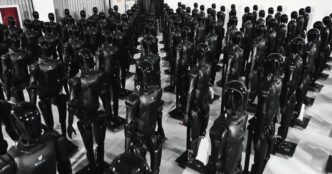
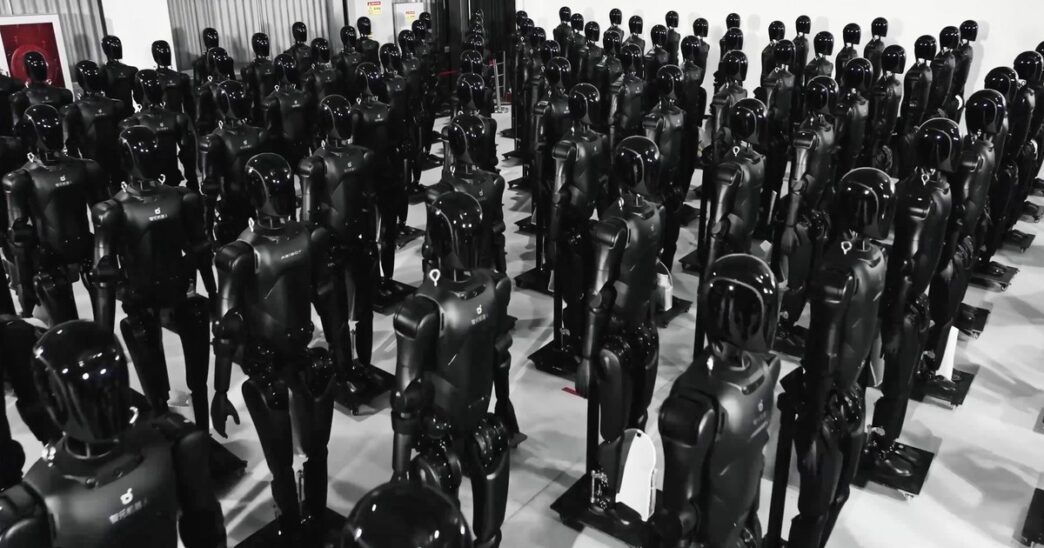
AgiBot wants China’s next generation of robotics engineers to learn on its machines. On October 16, 2026, the Shanghai humanoid maker said in a press release that it will put more than 1,000 robots into a first group of more than 20 Chinese universities, including Peking University, Tsinghua, Zhejiang University and Shanghai Jiao Tong. The company values the hardware and software memberships it is supplying at RMB 200 million, or roughly $30 million at the central bank’s October 16 reference rate of 6.722 yuan per dollar.
That is a big bet on classrooms, and it says a lot about how AgiBot sees the market. Selling robots to factories is still slow work. Getting thousands of students to build their coursework, theses and first jobs around one company’s hardware and software could pay off for years.
What AgiBot says it is giving universities
The release describes the program as an “industry-education integration innovation practice platform” built under AgiBot’s Yuansheng (元苼) ecosystem plan. The details AgiBot has published:
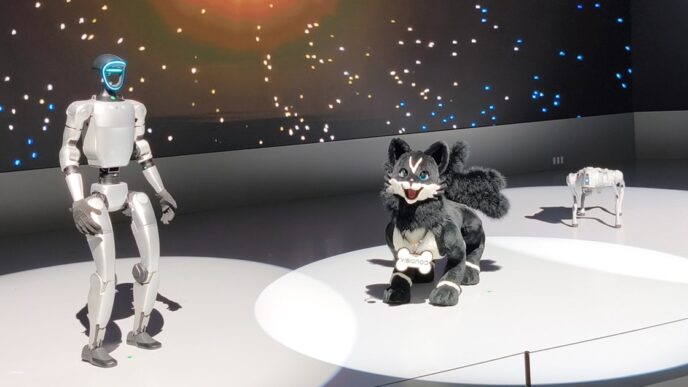
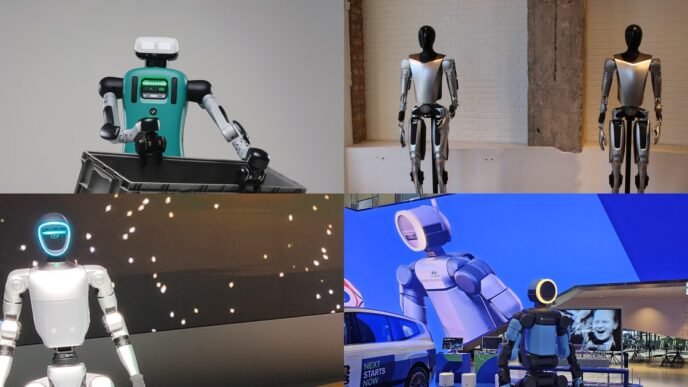
- Robots. More than 1,000 units drawn from what the company says is its full lineup: wheeled Genie (精灵) robots, half-size Lingxi (灵犀) humanoids, full-size Expedition (远征) humanoids and its D1 quadrupeds. AgiBot says the program “solves the machine shortage at many universities.”
- Software. Access to AgiBot’s AIMA developer platform, which bundles LinkSoul (an agent development platform), LinkCraft (a robot content creation tool) and Genie Studio (its workflow and training platform). The company pitches the combination as “real-robot training plus software platform development.”
- The value. “The total value of robot bodies and software membership rights provided this time reached 200 million” yuan, the release says. The headline puts it at more than RMB 200 million.
- What comes next. AgiBot says it will set up a dedicated fund for joint courses and textbooks, research projects, teacher training and student practice, and will explore a regular exchange mechanism with universities.
The first named schools are Peking University, Tsinghua University, Zhejiang University, South China University of Technology, Shanghai Jiao Tong University, Xi’an Jiaotong University, Southeast University and Sun Yat-sen University. Photos in the release show signing ceremonies at several of them.
What the RMB 200 million figure doesn’t tell you
The number is a valuation set by AgiBot, not cash, and the release leaves out most of what would show how big the commitment really is.
It does not say whether the robots are donated, loaned or sold at a discount. The Chinese verb it uses, 投入, means to put in or invest, and it covers all three. It does not break the 1,000-plus units down by model or by university, give a delivery schedule, or say how long the software memberships last. It does not explain how the RMB 200 million was calculated, though list prices are the obvious basis. Taken at face value, the figures work out to no more than about RMB 200,000 (roughly $30,000) per robot with software included, which fits a mix weighted toward smaller and wheeled machines rather than full-size Expedition humanoids. The size of the promised fund is also undisclosed.
None of that makes the program small. AgiBot says it rolled its 20,000th robot off the line on September 24, an Expedition A3 Ultra delivered to the Chimelong theme park group. A thousand units would be about 5% of everything it says it has built. But “more than 1,000 robots” and “RMB 200 million” are company claims about a plan, and they should be read that way until the units show up in labs.
Why a humanoid maker courts universities
AgiBot is explicit that this is about talent and loyalty. The Yuansheng plan, launched at its partner conference on April 17, promises more than RMB 2 billion (about $300 million) over five years for research, education, partner development and developer community work. The company says the plan has already linked up with 237 research institutions and more than 500 ecosystem partners and has gathered more than 10,000 application developers and 70,000 subscribed developers. It also runs robot competitions, summer schools and teacher training, and its campus recruiting tour for the class of 2027 is under way.
That is a familiar playbook from computing. Chipmakers and software platforms have long seeded universities so that graduates arrive already fluent in their tools. In embodied AI, where training data is scarce and expensive, a large installed base in research labs could also mean more models, benchmarks and datasets built on AgiBot hardware. The release does not say whether any data collected by university users will flow back to the company.
The money side is moving too. IT Home, citing Caijing magazine on October 13, reported that AgiBot is close to finishing a new round of roughly RMB 1 billion to 1.5 billion at a valuation of about RMB 50 billion. AgiBot has not confirmed those figures, and we have not added them to our funding tracker.
What to watch
The useful test is whether named universities start publishing courses, theses and papers that use AgiBot robots, and how many units each one actually received. AgiBot’s next public moment is its 2026 Innovation Day on October 29 at the Shanghai World Expo Center, according to a promotional banner on its website. If the company publishes per-school allocations or the terms of the robot placements there, we will update this story.
Frequently asked questions
How many robots is AgiBot giving to universities?
AgiBot says it will put more than 1,000 robots into a first group of more than 20 Chinese universities. It has not published how many units each school gets or a delivery schedule.
Which universities are in AgiBot’s program?
The first named schools are Peking University, Tsinghua University, Zhejiang University, South China University of Technology, Shanghai Jiao Tong University, Xi’an Jiaotong University, Southeast University and Sun Yat-sen University. AgiBot says more than 20 universities are in the first group.
Are the AgiBot robots free for universities?
AgiBot has not said. Its release says the company will “put in” (投入) the robots and software memberships, valued at RMB 200 million in total, but it does not say whether they are donated, loaned or sold at a discount.
Which AgiBot robots are included?
The release lists wheeled Genie robots, half-size Lingxi humanoids, full-size Expedition humanoids and D1 quadrupeds, plus the AIMA software platform (LinkSoul, LinkCraft and Genie Studio). It does not give the mix by model.
What is AgiBot’s Yuansheng plan?
It is AgiBot’s ecosystem program, launched April 17, 2026, with a pledge of more than RMB 2 billion over five years for research, education, partners and developer communities. The university placement is part of it.
Sources
- AgiBot (智元), press release “智元’元苼生态发展计划’加速推进,投入超2亿元构筑高校具身智能人才新生态,” October 16, 2026 (robots, universities, AIMA platform, RMB 200 million value, fund, Yuansheng figures): agibot.com.cn
- IT Home, “智元宣布与首批 20+ 高校合作,投入超 2 亿元建设具身智能人才生态,” October 16, 2026 (also cites Caijing’s October 13 funding report): ithome.com
- IT Home, AgiBot’s 20,000th robot rolls off the line, September 24, 2026: ithome.com
- China News Service, People’s Bank of China yuan central parity rate of 6.7220 per dollar, October 16, 2026: chinanews.com.cn
- AgiBot website, 2026 Innovation Day banner (October 29, Shanghai World Expo Center) and A2 product page (image): agibot.com.cn
All sources accessed October 19, 2026.
Related: Demo, pilot or commercial? How to read humanoid claims · Where humanoid training data comes from · Shanghai’s 8,000-humanoid factory plan · Robot companies directory · More Robot Companies coverage
Last updated: October 19, 2026. To report an error, see our corrections page. Articles are drafted with AI assistance and reviewed and edited by an editor; see our editorial policy.