


Introduction to Service and Utility Robots
Defining Service and Utility Robots
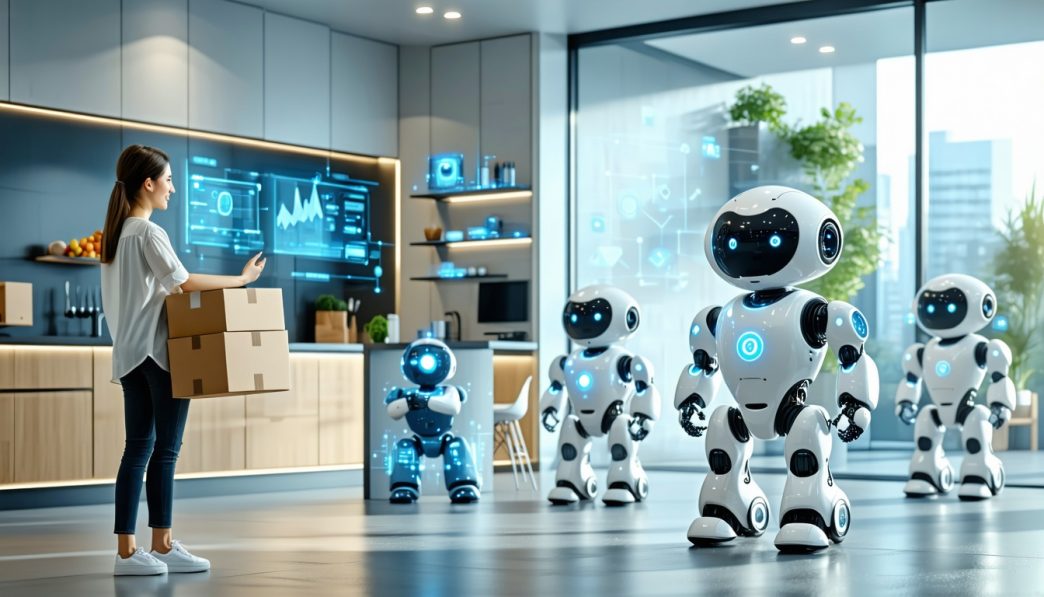
Service and utility robots are designed to perform specific tasks that assist humans in various settings, such as homes, offices, and commercial environments. Service robots typically focus on customer-facing roles, offering support in areas like hospitality and healthcare. For example, they may function as robot waiters and servers or robot hotel staff. On the other hand, utility robots are tailored for practical tasks, encompassing roles like cleaning, delivery, and security.
| Robot Type | Functionality |
|---|---|
| Service Robots | Customer support and assistance in public settings |
| Utility Robots | Performing practical tasks like cleaning and delivery |
Importance of Practical AI in Robotics
Practical AI is crucial for the functionality and efficiency of service and utility robots. It enhances their ability to learn from experiences, adapt to new environments, and interact effectively with humans. The integration of AI technologies allows these robots to analyze data, make informed decisions, and improve task performance over time. This demonstrates the significance of implementing AI in creating robots that are not only versatile but also capable of solving real-world challenges effectively.
The growing importance of practical AI can be observed through the implementation of service and utility robots in various sectors, which includes their use in warehouse utility robots and robots in retail customer service. This evolution of robotics showcases how practical AI is shaping the future of operational efficiency and customer interaction, making it an essential element in the development of the next generation of robots. 
Advantages of Service and Utility Robots
Service and utility robots offer numerous advantages, making them beneficial in both residential and commercial environments. Their ability to enhance productivity, improve safety, and provide cost-effective solutions sets them apart as valuable assets for modern operations.
Efficiency in Task Completion
Service and utility robots excel in completing tasks efficiently. By automating repetitive and time-consuming activities, these robots allow humans to focus on more complex and strategic responsibilities. Here are some examples of tasks that benefit from robotic efficiency:
| Task Type | Robot Application | Time Saved (Approx.) |
|---|---|---|
| Cleaning | Automated vacuum or floor cleaner | 30% – 50% |
| Delivery | Delivery robots for packages | 20% – 40% |
| Hospitality | Robot waiters and servers | 25% – 35% |
These time savings translate to increased productivity in various sectors, from robot waiters and servers in restaurants to warehouse utility robots handling inventory logistics.
Increased Safety
Another significant advantage of service and utility robots is their ability to enhance safety in various environments. By taking over dangerous jobs, robots help prevent workplace accidents and injuries. For instance, robots can handle hazardous materials in factories or perform surveillance tasks in high-risk zones. Robot applications in security include:
| Application | Safety Benefit | Example Use Case |
|---|---|---|
| Surveillance | Reduces risk of human injury | Security robots on patrol |
| Hazardous Material | Minimizes exposure to toxic substances | Automated cleanup robots |
| Firefighting | Operates in extreme conditions | Firefighting drones |
Utilizing robots in these capacities allows businesses to maintain a safer environment for employees while ensuring operational continuity.
Cost Savings
Implementing service and utility robots can lead to significant cost savings over time. Although there is an initial investment, the robots’ efficiency reduces labor costs and minimizes human error. A breakdown of potential savings can be illustrated as follows:
| Cost Reduction Source | Percentage Savings | Notes |
|---|---|---|
| Labor Costs | 20% – 30% | Fewer staff needed |
| Operational Errors | 15% – 20% | Precision eliminates waste |
| Maintenance | 10% – 15% | Less wear and tear |
For example, businesses utilizing robot delivery services can cut costs associated with labor while still meeting customer demand effectively. Thus, service and utility robots are not only practical solutions but can greatly enhance the financial health of an organization. The advantages outlined contribute to the growing adoption of these robots across various sectors, fulfilling real-world needs while promoting innovation.
Types of Service Robots
Service robots are designed to perform tasks that assist humans in various settings, improving efficiency and safety. This section explores three main categories of service robots: domestic, healthcare, and commercial.
Domestic Service Robots
Domestic service robots are increasingly becoming common in households. These robots are programmed to perform tasks that help in daily chores, making life easier for homeowners.
| Type of Domestic Service Robot | Common Functions |
|---|---|
| Vacuum Cleaning Robots | Automated vacuuming of floors, often with smart navigation. |
| Lawn Mowing Robots | Mow lawns autonomously, programmed to avoid obstacles. |
| Home Assistants | Provide voice-activated assistance for various tasks and control of smart home devices. |
The rise of home utility robots highlights their growing importance in modern households, allowing users to save time and effort.
Healthcare Service Robots
Healthcare service robots play a vital role in enhancing patient care and supporting healthcare professionals. These robots can perform tasks ranging from delivery to surgical assistance.
| Type of Healthcare Service Robot | Primary Functions |
|---|---|
| Delivery Robots | Transport medications and supplies within hospitals, ensuring timely delivery. |
| Surgical Robots | Assist surgeons with precision and control during procedures. |
| Rehabilitation Robots | Aid in the therapy and recovery process of patients with mobility issues. |
The integration of technology in healthcare, including robot staff like robot hotel staff, is transforming the patient experience and operational efficiency.
Commercial Service Robots
Commercial service robots are utilized in various industries, providing support in tasks that enhance customer service and operational productivity.
| Type of Commercial Service Robot | Key Functions |
|---|---|
| Robot Waiters and Servers | Deliver food and drinks in restaurants, enhancing customer experience. |
| Retail Service Robots | Assist customers by providing product information and managing inventory. |
| Warehouse Robots | Automate storage and retrieval processes, improving efficiency. |
As businesses adopt robots in retail customer service, the impact of service robots on commercial operations is becoming increasingly prominent, enhancing productivity while reducing labor costs.
Types of Utility Robots
Utility robots are designed to perform specific tasks that enhance productivity and efficiency in various environments. This section will focus on three main types of utility robots: cleaning robots, delivery robots, and security robots.
Cleaning Robots
Cleaning robots have gained popularity in both domestic and commercial settings. These autonomous machines are programmed to perform cleaning tasks, such as vacuuming, mopping, and even window washing. The key benefits include time savings and consistent cleaning performance.
| Feature | Residential Cleaning Robots | Commercial Cleaning Robots |
|---|---|---|
| Typical Use Cases | Home floors, carpets | Offices, shopping malls |
| Average Battery Life | 60-120 minutes | 2-4 hours |
| Coverage Area | Up to 2,000 sq. ft. | Up to 10,000 sq. ft. |
| Price Range | $200 – $800 | $1,000 – $10,000 |
Many organizations choose cleaning robots for their efficiency. By integrating these robots into their operations, they can reduce labor costs and improve cleanliness. For more information on robots in commercial settings, refer to our article on warehouse utility robots.
Delivery Robots
Delivery robots are changing the way goods are transported and delivered. Often used in urban environments or large campuses, these robots navigate sidewalks and roads to deliver packages, food, or other items directly to customers.
| Feature | Residential Delivery Robots | Commercial Delivery Robots |
|---|---|---|
| Typical Use Cases | Grocery delivery at homes | Package delivery in offices |
| Average Speed | 2-3 mph | 3-5 mph |
| Payload Capacity | Up to 15 lbs | Up to 50 lbs |
| Price Range | $1,000 – $2,500 | $3,000 – $20,000 |
These robots enhance convenience and reduce delivery times, which is particularly beneficial in busy urban areas. Businesses are increasingly utilizing robot delivery services to improve customer satisfaction. More details can be found in our article on robot delivery services.
Security Robots
Security robots are emerging as a reliable solution for enhancing safety in various environments. Equipped with cameras and sensors, these robots patrol designated areas, monitor for suspicious activity, and provide real-time data to security personnel.
| Feature | Indoor Security Robots | Outdoor Security Robots |
|---|---|---|
| Typical Use Cases | Offices, malls | Parking lots, campuses |
| Monitoring Range | 500-1,000 sq. ft. | 10,000+ sq. ft. |
| Battery Life | 8-12 hours | 12-24 hours |
| Price Range | $1,500 – $5,000 | $10,000 – $50,000 |
Organizations benefit from the continuous monitoring capabilities of security robots, which can aid in crime prevention and response. For further insights into robotics in retail environments, explore our article on robots in retail customer service.
The diverse applications of utility robots significantly improve operational efficiency. By understanding the various types available, professionals and tech-savvy individuals can better harness their potential in both home and commercial settings.
Future Potential of Service and Utility Robots
The advancements in service and utility robots signal a transformative era for various industries. As these robots become increasingly prevalent, their future potential is tied closely to integration with innovative technologies and their role in enhancing productivity across sectors.
Integration with IoT
The Internet of Things (IoT) is set to play a significant role in the effectiveness of service and utility robots. By enabling these robots to connect and communicate with other smart devices, IoT integration facilitates real-time data sharing and analytics. This interconnectedness allows robots to make informed decisions, leading to optimized performance in various tasks.
Using IoT technology, service and utility robots can:
- Monitor environmental conditions
- Adjust operations based on user preferences
- Share data with other connected devices for enhanced functionality
The following table highlights some examples of IoT integration in service and utility robots:
| Robot Type | IoT Integration Benefits |
|---|---|
| Cleaning Robots | Automatic scheduling and real-time cleaning updates |
| Delivery Robots | Real-time navigation and tracking for efficient routes |
| Security Robots | Instant alerts and monitoring through connected cameras |
This level of integration not only improves efficiency but also maximizes the effectiveness of these robots in practical applications, paving the way for broader adoption.
Role in Enhancing Workforce Productivity
Service and utility robots are also poised to significantly enhance workforce productivity. By automating repetitive and time-consuming tasks, these robots free up human employees to focus on more complex and value-driven activities. This shift leads to improved job satisfaction and higher overall productivity.
For example, in sectors such as hospitality and retail, robots can take on roles like delivery and customer service, allowing human workers to engage more meaningfully with customers. Here are some specific roles that benefit from this integration:
| Industry | Role of Robots | Impact on Workforce Productivity |
|---|---|---|
| Hospitality | Robot hotel staff | More time for personalized service |
| Restaurants | Robot waiters and servers | Reduced wait times and errors |
| Retail | Robots in retail customer service | Enhanced customer engagement |
| Warehousing | Warehouse utility robots | Streamlined inventory management |
As the capabilities of service and utility robots evolve, their potential to streamline operations and enhance workforce productivity becomes increasingly evident. Embracing these technologies can lead to not only improved efficiency but also a significant competitive edge in various industries.
Challenges and Considerations
As service and utility robots become increasingly integrated into various sectors, it is essential to address the challenges and considerations that arise with their implementation.
Data Security and Privacy
The deployment of service and utility robots often involves the collection and processing of large amounts of data. This data can include sensitive information about users, environments, and operational processes. Ensuring the security of this data is paramount. Cybersecurity threats can lead to unauthorized access, data breaches, and potential misuse of information.
Organizations must implement safeguards such as encryption, secure data storage, and regular audits to protect against these risks. Additionally, transparency in data handling practices is vital to build trust with users. It is important for businesses to comply with relevant regulations and standards regarding data protection.
| Data Security Measures | Description |
|---|---|
| Encryption | Secures data by converting it into unreadable code |
| Secure Storage | Keeps data in protected environments to prevent breaches |
| Regular Audits | Evaluates security practices and identifies potential vulnerabilities |
For more insights into data handling in robotics, refer to articles on robot delivery services and warehouse utility robots.
Maintenance and Upkeep Requirements
Service and utility robots require regular maintenance to ensure their longevity and efficiency. Users must be aware of the upkeep involved, as neglecting maintenance can lead to decreased performance and malfunctions. Routine checks and updates to software and hardware components are necessary.
Proper maintenance practices may include cleaning, battery management, software updates, and periodic inspections of mechanical parts. A well-defined maintenance schedule can help prevent unexpected downtime and extend the operational life of these robots.
| Maintenance Task | Frequency |
|---|---|
| Cleaning | Weekly |
| Software Updates | Monthly |
| Mechanical Inspections | Quarterly |
Organizations and homeowners must factor these maintenance considerations into their budget and operational plans when adopting service and utility robots. For examples of practical applications, see our articles on robot hotel staff and robot waiters and servers.
Being aware of data security and maintenance needs will help ensure effective utilization of service and utility robots in both commercial and home environments.


