


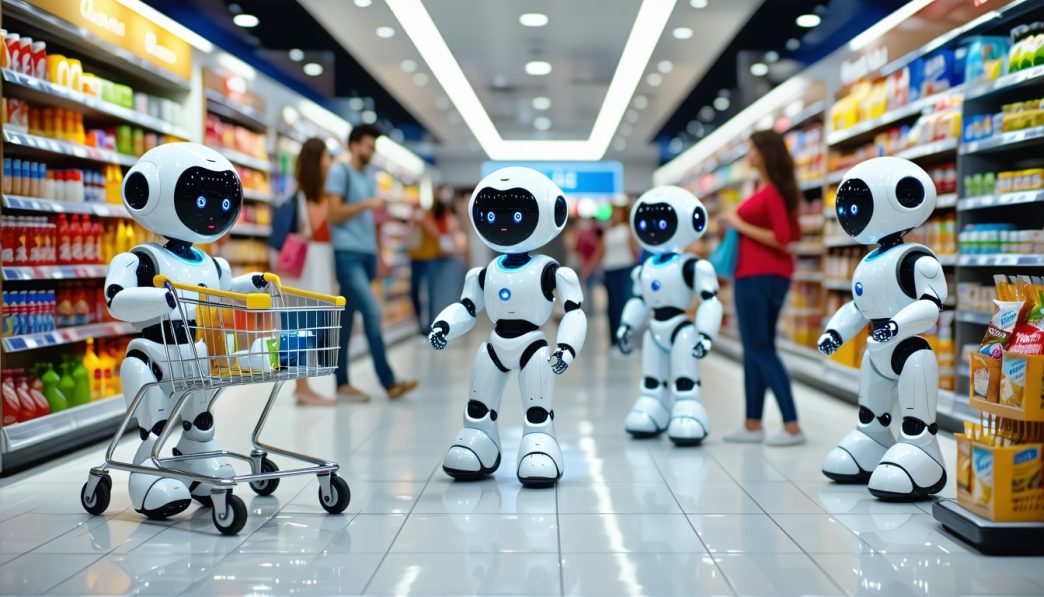
The Rise of Service Robots
Evolution of Service Robots
The development of service robots has transformed the way businesses operate. Initially, service robots were simple machines designed for repetitive tasks, yet advancements in technology have led to more sophisticated and versatile systems. Early versions were limited in functionality, primarily focused on factory settings.
Progressing through the decades, service robots began to emerge in various sectors beyond manufacturing. This includes retail environments, where robots started assisting with inventory management and customer interaction. The evolution has seen an increase in automation features, artificial intelligence, and machine learning capabilities. These innovations enable robots to perform more complex interactions, such as answering customer inquiries or navigating store layouts.
Application of Service Robots in Various Industries
As service robots continue to evolve, their applications have expanded across multiple industries. Below is a table highlighting various sectors where robots are making a significant impact. 
| Industry | Applications |
|---|---|
| Retail | Customer service, inventory management |
| Hospitality | Robot hotel staff, concierge services |
| Food Service | Robot waiters and servers |
| Healthcare | Patient monitoring, assistance with medication |
| Delivery | Robot delivery services |
| Warehousing | Warehouse utility robots for inventory sorting |
In the retail sector specifically, robots are revolutionizing the customer experience through enhanced interactions. These advancements allow robots to provide quick responses to product questions and streamline the shopping process. They not only improve operational efficiency but also contribute to customer satisfaction by ensuring assistance is readily available.
The integration of service robots across diverse applications emphasizes their growing significance in addressing real-world challenges. As technology continues to develop, the potential for robots in various industries will likely expand, offering innovative solutions that cater to both businesses and consumers alike.
Robots in Retail Customer Service
The Role of Robots in Retail
In the retail industry, robots are becoming increasingly integral to enhancing customer service efficiency. They serve various roles, from greeting customers at the entrance to assisting them in finding products. Retail robots may include service bots that navigate the store independently, providing information or directions, and check-out robots that streamline the purchasing process.
These machines help bridge the gap between customers and retail staff, particularly during peak shopping hours when human resources may be stretched thin. The introduction of robots in retail has not only improved operational efficiency but has also contributed to a more engaging shopping experience.
| Type of Robot | Function |
|---|---|
| Greeting Robots | Welcome customers and provide store information |
| Inventory Robots | Track stock levels and assist in restocking |
| Checkout Robots | Facilitate transactions and assist with payments |
| Information Kiosks | Offer product details and store navigation |
Benefits of Using Robots for Customer Interaction
Utilizing robots in retail environments presents numerous advantages. These include:
-
Improved Efficiency: Robots can operate continuously without breaks, managing multiple tasks simultaneously. This capability ensures that customer inquiries are met promptly and operational delays are minimized.
-
Enhanced Customer Experience: Robots can provide instant assistance and answer frequently asked questions. This immediate interaction can lead to increased customer satisfaction.
-
Cost Savings: Over time, robots can reduce operational costs by automating routine tasks. This allows human staff to focus on more complex customer service needs.
-
Data Collection: Robots can gather valuable data about customer interactions and preferences. This information can be used to enhance marketing strategies and improve service delivery.
| Advantage | Description |
|---|---|
| Efficiency | Continuous operation minimizes delays |
| Customer Satisfaction | Instant responses enhance the shopping experience |
| Cost Reduction | Automation of tasks leads to long-term savings |
| Data Insights | Valuable customer data supports business growth |
Integrating robots in retail customer service is transforming the industry, showcasing the potential for service and utility robots to streamline operations and improve customer satisfaction. For further insights on how robots are changing service industries, explore our articles on service and utility robots and warehouse utility robots.
Types of Robots for Customer Interactions
In the realm of customer interactions, various types of robots have emerged, each designed to fulfill specific roles and enhance service efficiency. Here, we will explore three prominent categories: humanoid robots, chatbots and virtual assistants, and autonomous mobile robots.
Humanoid Robots
Humanoid robots are designed to resemble human beings in both appearance and behavior. These robots can engage with customers in a more relatable manner, offering a personal touch to the service experience. They can perform tasks such as greeting customers, answering questions, and providing information about products and services. The use of humanoid robots can create a more interactive and engaging environment, appealing particularly to tech-savvy customers.
| Feature | Description |
|---|---|
| Interaction Style | Face-to-face conversations |
| Appearance | Human-like design |
| Applications | Information desks, customer greeting |
| Notable Strengths | Personalized service, emotional connection |
Chatbots and Virtual Assistants
Chatbots and virtual assistants operate primarily through digital platforms. They are programmed to handle inquiries, provide support, and assist customers on websites or mobile applications. These automated systems can respond to common questions and guide users through processes, such as placing orders or troubleshooting issues. Chatbots enhance the customer experience by providing quick responses and ensuring 24/7 availability.
| Feature | Description |
|---|---|
| Interaction Style | Text-based or voice interactions |
| Platforms | Websites, mobile apps |
| Applications | Customer support, product inquiries |
| Notable Strengths | Quick responses, cost-effective |
Autonomous Mobile Robots
Autonomous mobile robots (AMRs) are capable of navigating spaces independently to assist customers and staff. These robots can deliver items, guide customers through stores, or assist in logistics operations within retail environments. By integrating AMRs, businesses can streamline various processes, reducing wait times and improving service efficiency.
| Feature | Description |
|---|---|
| Interaction Style | Physical presence and navigation |
| Functionality | Delivery of goods, guiding customers |
| Applications | Retail environments, logistics support |
| Notable Strengths | Increased efficiency, reduction of human labor |
The integration of these different types of robots in retail customer service offers numerous benefits, increasing efficiency while enhancing customer experience. Firms considering the implementation of robots in their operations should evaluate their specific needs to determine the most suitable type for their services. For more insights into the applications of robots in retail, refer to our article on service and utility robots.
Advantages of Using Robots in Customer Service
Implementing robots in customer service roles can yield significant benefits. These advantages include enhanced customer experience, efficiency and productivity gains, and the ability to provide services around the clock.
Enhanced Customer Experience
Robots in retail customer service can significantly improve the overall customer experience. They provide quick access to information and assist customers with inquiries, ensuring a smoother shopping process. This immediate assistance can lead to greater customer satisfaction, as individuals receive support without the long wait times often associated with human assistance.
| Customer Interaction Point | Robot Contribution |
|---|---|
| FAQ Assistance | Rapid response to frequently asked questions |
| Product Location | Guiding customers to product locations |
| Order Status | Providing real-time updates on customer orders |
Efficiency and Productivity Gains
The efficiency of robots allows businesses to handle a higher volume of customer interactions in a shorter timeframe. This not only streamlines operations but also frees up human staff to focus on more complex tasks that require personal interaction. Robots can handle routine inquiries and tasks, ultimately leading to increased overall productivity.
| Task Type | Human Involvement | Robot Involvement |
|---|---|---|
| Routine FAQs | Medium | High |
| Detailed Product Queries | High | Low |
| Transaction Processes | Low | High |
24/7 Availability
One of the most significant advantages of employing robots is their ability to operate 24/7. Unlike human staff, robots do not require breaks or sleep, ensuring that customers can access assistance at any time. This constant availability enhances the service experience, especially for those who shop outside traditional business hours or in different time zones.
| Service Availability | Human Staffing | Robot Staffing |
|---|---|---|
| Peak Hours | High | High |
| Off-Peak Hours | Low | High |
| After Hours | Low | High |
Integrating robots into customer service roles aligns with their potential to enhance customer satisfaction, increase service efficiency, and provide continuous availability. For a deeper understanding of the role of robots in these settings, explore our articles on service and utility robots and robot hotel staff.
Challenges and Considerations
Initial Investment and Maintenance Costs
One of the primary obstacles when implementing robots in retail customer service is the financial investment required for both initial purchase and ongoing maintenance. Businesses must consider the costs associated with acquiring robotic systems, which can range widely based on the sophistication and functionality of the technology.
Additionally, regular maintenance and updates are necessary to keep robots operating efficiently. This ongoing cost can pose a challenge for smaller retail establishments. The table below highlights estimated costs associated with various robot types.
| Robot Type | Initial Cost Range | Maintenance Cost Estimate (Annual) |
|---|---|---|
| Humanoid Robots | $5,000 – $50,000 | $500 – $5,000 |
| Chatbots/Virtual Assistants | $3,000 – $30,000 | $300 – $2,000 |
| Autonomous Mobile Robots | $10,000 – $100,000 | $1,000 – $10,000 |
Integration with Human Staff
Integrating robots into existing retail environments requires careful planning regarding how they will work alongside human employees. There may be concerns about job displacement, which can lead to resistance from staff. It is essential to create a harmonious interaction environment where both robots and people can effectively collaborate.
Training programs for employees on how to work with robots will be crucial for successful integration. Establishing clear roles for robots, such as assisting human staff rather than replacing them, can help alleviate concerns. For insights on how robots interact with human employees, explore our article on robot hotel staff.
Data Security and Privacy Concerns
As robots collect and process customer data, issues related to data security and privacy become significant considerations. Ensuring that customer interactions and personal information are adequately protected is paramount. Retail businesses must comply with regulations and standards related to data security to maintain customer trust.
Implementing robust security protocols and ensuring that both the robots and supporting systems are secure from breaches is crucial. Regular audits and updates to security measures will be necessary to mitigate risks. For more on how robots can safeguard data in retail settings, refer to our article on warehouse utility robots.
Addressing these challenges is fundamental for successfully deploying robots in retail customer service roles, as these factors can significantly influence acceptance and efficiency in operations.
Implementing Robots in Customer-Facing Roles
The integration of robots in customer-facing roles requires careful planning and execution. Organizations must address various aspects to ensure successful implementation.
Planning and Implementation Strategies
Developing a comprehensive plan for integrating robots in customer service is essential. Businesses should first identify which tasks and functions the robots will perform. This might include greeting customers, answering frequently asked questions, or assisting with product inquiries. Creating a detailed roadmap can help outline specific goals, timelines, and resources required.
Crucially, businesses must assess the technological infrastructure already in place. This includes ensuring compatibility with existing systems and preparing for any necessary upgrades. Organizations should also consider how to effectively integrate robots with human employees, fostering a collaborative environment where both can work together.
| Strategy | Description |
|---|---|
| Task Identification | Determine which tasks robots will handle. |
| Infrastructure Assessment | Evaluate current systems for compatibility. |
| Collaboration Planning | Develop strategies for human-robot interaction. |
Training for Staff and Customers
Training is vital for ensuring both staff and customers are comfortable working with robots. Employees should receive training on how to interact with the robots effectively and how to respond to any issues that may arise. This helps create a seamless experience where robots complement human roles.
Customers may require brief guidance on how to use robots for assistance. Workshops or informational materials can help demystify the technology and enhance customer engagement. By informing customers about the robot’s capabilities, businesses can improve satisfaction and boost acceptance.
| Training Component | Audience | Focus |
|---|---|---|
| Employee Training | Staff | Robot interaction techniques and troubleshooting. |
| Customer Guidance | Customers | Robot capabilities and usage instructions. |
Monitoring and Evaluation of Robot Performance
To ensure optimal functioning, ongoing monitoring and evaluation of robot performance is necessary. Organizations should establish metrics to assess the effectiveness of robots in customer interactions. This could include customer satisfaction ratings, response times, and task completion rates.
Regular reviews help identify areas for improvement and ensure the robots are meeting business objectives. Feedback from employees and customers can also provide valuable insights into the effectiveness of robots in retail customer service.
| Performance Metrics | Evaluation Criteria |
|---|---|
| Customer Satisfaction | Ratings and feedback collected after interactions. |
| Response Time | Average time taken to respond to customer inquiries. |
| Task Completion Rate | Percentage of tasks completed successfully by the robot. |
Implementing robots in retail customer service requires strategic planning, thorough training, and continuous evaluation. By focusing on these areas, businesses can maximize the benefits of automation and enhance customer experiences while leveraging the capabilities of service and utility robots.
Success Stories
Examples of Successful Implementation in Retail
Across various retail environments, the integration of robots for customer service has shown encouraging results. Many businesses have embraced different types of robots to enhance their customer interactions, improve efficiency, and ultimately drive sales. Here are some notable examples highlighting their successful deployment:
| Retail Environment | Type of Robot | Functionality |
|---|---|---|
| Large Supermarket | Autonomous Mobile Robots | Assisting customers in locating items |
| Electronics Store | Humanoid Robots | Providing product information and demos |
| Fashion Retail | Chatbots | Answering queries and helping with orders |
| Grocery Store | Robot Navigation Assistants | Guiding shoppers to products and promotions |
These implementations not only streamline the shopping experience but also alleviate pressure on human staff, allowing them to focus on more complex customer needs.
Impact on Customer Satisfaction and Sales
The introduction of robots in retail customer service has led to measurable improvements in customer satisfaction and sales metrics. Data collected from various retailers shows a significant positive impact:
| Metric | Before Implementation | After Implementation |
|---|---|---|
| Customer Satisfaction Rate (%) | 70 | 85 |
| Sales Growth Percentage (%) | 5 | 15 |
| Customer Query Response Time (min) | 5 | 2 |
Robots not only enhance the customer experience by providing immediate responses to queries, but also contribute to a more engaging shopping environment. The integration of robots fosters a more efficient process, increasing customer loyalty and boosting overall sales.
Such success stories can be seen in various sectors, with the advent of service and utility robots paving the way for a more automated and interactive retail future.
The Future of Customer Service Robots
Trends and Innovations in the Field
The landscape of customer service is evolving rapidly with advancements in technology. Key trends are emerging to shape the deployment of robots in retail customer service. Integrating artificial intelligence (AI) with robotics enhances the capabilities of service robots during customer interactions. AI enables these robots to learn from customer interactions, improving their understanding and ability to handle inquiries.
Another significant trend is the development of mobile service robots that can navigate retail environments independently. These robots are equipped with advanced sensors and mapping technology, allowing them to assist customers by guiding them to products and providing information. Increasingly, businesses are adopting these solutions to streamline operations.
| Trend | Description |
|---|---|
| AI Integration | Robots learn from interactions to provide better service. |
| Mobile Navigation | Robots can move freely in stores to assist customers. |
| Enhanced Personalization | Tailored customer experiences through data analysis. |
Potential Applications and Advancements
Looking ahead, the potential applications for robots in retail customer service continue to expand. Robots can take on roles such as greeting customers, answering questions, and processing orders, effectively enhancing the overall shopping experience.
Robots may also play a critical role in inventory management. By automating stock checks and providing real-time inventory data, robots can help reduce errors and ensure products are always available. This application can be particularly beneficial in large retail environments.
Furthermore, advancements in human-robot interaction are expected to improve the effectiveness of robots in customer service. As robots become more intuitive in understanding customer emotions and behavior, they can respond in ways that feel more natural and engaging.
| Application | Description |
|---|---|
| Customer Assistance | Robots greet and answer questions efficiently. |
| Inventory Management | Automation of stock checks enhances accuracy. |
| Customer Insights | Data collection on shopping habits informs strategies. |
The integration and evolution of robots in retail customer service not only promise to elevate operational efficiency but also aim to enhance customer satisfaction and loyalty. As these technologies develop, professionals and business owners should remain informed about the latest innovations in service and utility robots to harness their full potential.


