


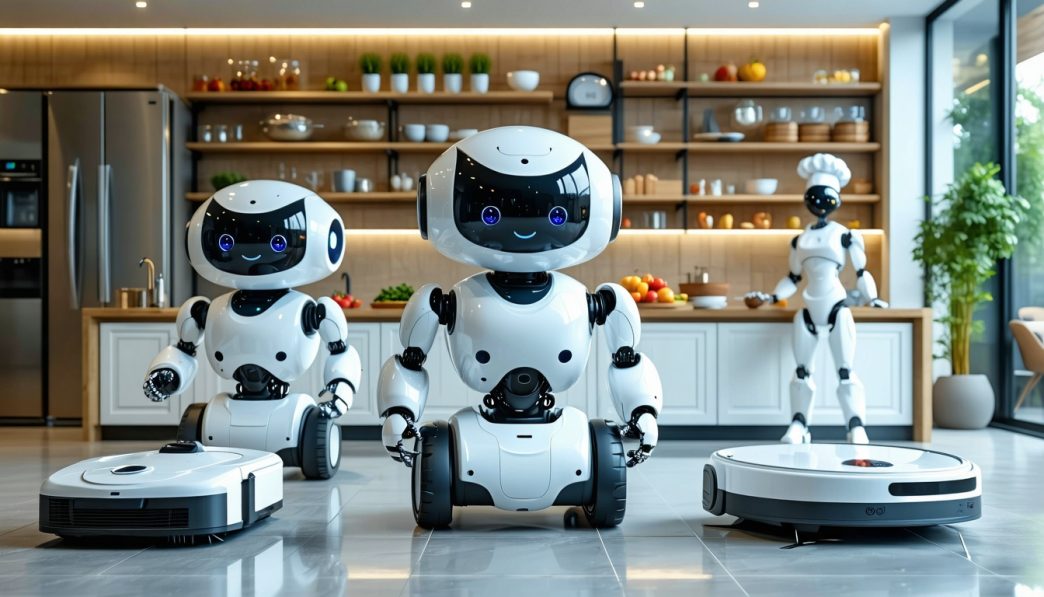
Introduction to Household Utility Robots
The Emerging Role of Robots in Household Tasks
Household utility robots represent a growing segment of technology designed to assist with various tasks within the home. From vacuuming and lawn care to kitchen assistance, these robots are increasingly becoming an integral part of daily living. Their presence is reshaping how individuals manage tasks, allowing homeowners to focus on other priorities while relying on automation for routine chores. The efficiency of these robots can significantly enhance the quality of life for families, professionals, and tech-savvy individuals.
As the technology advances, robots are equipped with improved sensors and artificial intelligence, enabling them to perform tasks more effectively. Many home utility robots can now execute complex functions such as navigating around furniture and adapting to different floor types, ensuring thorough cleaning without human intervention.
Advantages of Using Household Utility Robots
The adoption of home utility robots offers numerous advantages, making them appealing for various demographics. Below are some key benefits associated with their use: 
| Advantage | Description |
|---|---|
| Time-Saving | Robots can complete tasks independently, freeing up time for other activities. |
| Consistency | Automated tasks are performed with the same quality and thoroughness every time. |
| Cost-Effective | Over time, the investment in utility robots can lead to reduced costs in hiring services. |
| Convenience | Robots can be programmed to operate at specific times, providing homeowners with convenience. |
| Innovation | Utilizing robots fosters a modern, tech-enhanced lifestyle that appeals to forward-thinking individuals. |
These characteristics of home utility robots highlight their potential to transform household management, making everyday tasks less burdensome. As consumers continue to explore practical, task-oriented robotic solutions, the demand for innovative home utility robots is expected to grow. For further insights on this topic, refer to our section on service and utility robots.
Vacuuming and Cleaning Robots
The use of robots in household cleaning tasks has gained popularity in recent years, providing convenience and efficiency for busy professionals and homeowners. This section focuses on two primary types of cleaning robots: robotic vacuum cleaners and robotic mops.
Robotic Vacuum Cleaners
Robotic vacuum cleaners are designed to autonomously navigate and clean floors, making them an essential tool for modern households. Equipped with advanced sensors, these devices can detect obstacles, navigate around furniture, and even return to their charging stations when their battery is low.
Key features of robotic vacuum cleaners typically include:
| Feature | Description |
|---|---|
| Suction Power | Varies based on the model, affecting cleaning efficiency |
| Battery Life | Ranges from 60 to 120 minutes between charges |
| Mapping Technology | Allows for systematic cleaning patterns |
| Smart Connectivity | Enables control via mobile apps |
Robotic vacuum cleaners save time and effort, allowing users to maintain clean floors with minimal intervention. For further insights about the evolution of robots for various functions, explore our article on service and utility robots.
Robotic Mops
Robotic mops represent a significant step forward in automated cleaning technology. These devices complement robotic vacuum cleaners by providing wet cleaning capabilities, essential for maintaining hard floor surfaces.
Key features of robotic mops usually include:
| Feature | Description |
|---|---|
| Mop Type | Can be microfiber or disposable pads |
| Water Tank Capacity | Typically ranges from 200 to 500 milliliters |
| Cleaning Modes | Options for specific cleaning needs, like spot cleaning |
| Navigation Technology | Advanced models may use mapping for efficient coverage |
Robotic mops not only clean but also sanitize floors, offering a deeper clean compared to traditional mopping methods. By combining the functions of vacuuming and mopping, these robots increase cleaning efficiency, making them a valuable addition to any home. For additional information about how robots are transforming different sectors, view our articles on robot delivery services or robots in retail customer service.
Lawn Care Robots
As home utility robots continue to gain popularity, lawn care robots have emerged as a reliable solution for maintaining outdoor spaces. These robots enhance convenience and can help homeowners achieve well-kept lawns without the labor-intensive effort typically required.
Robotic Lawn Mowers
Robotic lawn mowers are designed to autonomously trim grass, allowing owners to enjoy a perfectly manicured lawn with minimal effort. Equipped with sensors and GPS, these machines navigate their surroundings and efficiently mow the lawn while avoiding obstacles.
| Feature | Description |
|---|---|
| Cutting Width | Typically ranges from 18 to 24 inches |
| Battery Life | Between 60 to 120 minutes |
| Charging Time | Usually around 60 minutes |
| Area Coverage | Can manage lawns from 600 to 1.5 acres |
Robotic lawn mowers offer programmable schedules, allowing homeowners to set specific mowing times. This results in a consistently trimmed lawn while freeing up valuable time for other activities. For individuals interested in commercial applications, robotic lawn mowers can also be utilized for maintaining larger outdoor spaces, such as parks and golf courses.
Garden Maintenance Robots
Beyond mowing, garden maintenance robots extend their capabilities to various gardening tasks. These robots can assist with weeding, watering, and planting, contributing to efficient garden upkeep.
| Feature | Description |
|---|---|
| Functionality | Can include weeding, watering, and soil aeration |
| Sensors | Equipped with moisture sensors for optimal watering |
| Size | Designed to navigate different garden layouts |
| Battery Life | Varies by model, generally between 1 to 3 hours |
Garden maintenance robots often come with customizable settings for different types of plants and soil conditions. By assessing the needs of the garden, these robots can tailor their operations for optimal plant growth. For more information on various service options, refer to our article on service and utility robots.
The merging of technology into lawn care and gardening presents a practical solution for busy households and professional landscapers alike. As the robotics industry continues to evolve, the potential for sophisticated home utility robots is expanding, promising increased efficiency in garden management tasks.
Smart Home Assistance
The landscape of home utility robots is rapidly evolving, especially in the realm of smart home assistance. Home security robots and voice-activated assistance robots are two significant categories that enhance security, convenience, and efficiency in modern homes.
Home Security Robots
Home security robots play a crucial role in safeguarding properties. These automated devices are designed to monitor and report any suspicious activities in real-time. They typically come equipped with various capabilities, such as video surveillance, motion detection, and audio alerts.
| Feature | Description |
|---|---|
| Video Surveillance | High-definition cameras allow for continuous monitoring. |
| Motion Detection | Sensors trigger alerts for any unauthorized movements. |
| Two-Way Audio | Enables communication with individuals at home or visitors. |
| Remote Access | Users can monitor their property from smartphones or tablets. |
These robots can integrate with existing smart home systems, allowing households to strengthen their security measures. They are particularly valuable for professionals and tech-savvy homeowners seeking peace of mind.
Voice-Activated Assistance Robots
Voice-activated assistance robots are another innovative addition to the realm of home utility robots. These devices utilize advanced speech recognition technology to perform various tasks based on verbal commands. Their functionalities enhance convenience within the household environment.
| Capability | Description |
|---|---|
| Task Management | Users can create reminders or shopping lists through voice commands. |
| Smart Home Control | These robots can control lighting, thermostats, and appliances. |
| Information Retrieval | They can provide answers to queries, weather updates, and news briefings. |
| Entertainment | Capable of playing music, audiobooks, and controlling media playback. |
Voice-activated assistants are especially helpful for busy professionals and families, streamlining daily routines and allowing hands-free operation of household tasks. The integration of these smart technologies reflects a significant shift towards automation in everyday life.
Household utility robots like home security robots and voice-activated assistance robots are becoming essential tools for enhancing safety and efficiency in both home and commercial settings. For more information on various types of robots that offer valuable services, explore our section on service and utility robots.
Kitchen Helpers
As household tasks become increasingly automated, kitchen helpers are at the forefront of home utility robots designed to streamline cooking and cleaning tasks. Two major types of kitchen robots are cooking and meal prep robots, and dishwashing robots.
Cooking and Meal Prep Robots
Cooking and meal prep robots are designed to assist with meal preparation, making it easier for individuals to cook efficiently. These robots can chop, mix, sauté, and even cook meals with minimal human intervention. They often feature various cooking modes and recipes, allowing users to prepare a wide range of dishes.
| Feature | Description |
|---|---|
| Cooking Modes | Multiple settings for baking, steaming, and sautéing |
| Integration | Ability to connect with smart home systems for recipe suggestions |
| Automation Level | Fully automated or semi-automated options available |
Utilizing these machines can dramatically cut down on preparation time in the kitchen. For tech-savvy homeowners, these robots serve a dual purpose by enhancing cooking skills and saving valuable time during busy days.
Dishwashing Robots
Dishwashing robots are another emerging category within home utility robots. These devices are designed to efficiently clean and sanitize dirty dishes, cutlery, and cookware once the meal is finished. The automation of dishwashing ensures that homeowners can spend their time on other activities instead of scrubbing pots and pans.
| Feature | Description |
|---|---|
| Capacity | Varies from small units suitable for apartments to larger systems for families |
| Energy Efficiency | Designed to use less water and energy than traditional dishwashing methods |
| Smart Integration | Many offer connectivity with home technology for scheduling and monitoring |
These robots enhance convenience in the kitchen, especially in households with busy schedules. Dishwashing can be scheduled through smart apps, making it easy to manage tasks without the need for constant supervision.
The integration and convenience of cooking and dishwashing robots illustrate the evolving capabilities of home utility robots, showcasing their potential to mimic and streamline everyday tasks in the kitchen. For more insights into various types of utility robots, visit our section on service and utility robots.
Laundry Assistance
As households look for ways to streamline their daily chores, laundry assistance robots are gaining traction. These robots are designed to take the hassle out of laundry-related tasks, making it easier for professionals and busy homeowners to manage their time effectively. The two main types of laundry robots currently available are automated laundry folding robots and ironing robots.
Automated Laundry Folding Robots
Automated laundry folding robots are designed to take freshly laundered clothes and neatly fold them, reducing the time and effort required for this mundane task. These robots utilize advanced technology to recognize different types of garments, ensuring that each item is folded correctly.
| Feature | Description |
|---|---|
| Folding Speed | Some models can fold a shirt in under 10 seconds. |
| Capacity | Many can handle up to 30 pieces of clothing per load. |
| Size | Typically compact, allowing for easy storage in laundry rooms. |
Automated folding robots can save significant time for users, particularly in busy households where laundry tends to pile up. For more on the efficiencies provided by different types of service and utility robots, check our additional resources.
Ironing Robots
Ironing robots have emerged as another valuable addition to laundry assistance. These devices can automatically iron clothes, achieving smooth, wrinkle-free results without the need for manual effort.
| Feature | Description |
|---|---|
| Heating Time | Most models heat up in less than 1 minute. |
| Fabric Compatibility | Can handle a variety of fabrics, including cotton, silk, and synthetic materials. |
| Size | Available in various sizes, some designed to fit easily on ironing boards. |
Ironing robots not only reduce labor but also provide consistent results while preventing damage to garments. For those looking to further automate household tasks, exploring other robotic solutions such as robot delivery services and robot waiters and servers can enhance everyday life.
The advancements in home utility robots, particularly in laundry assistance, are making a real difference in how households manage their chores, allowing individuals to focus on more meaningful activities.
Personal Care Robots
As technology advances, personal care robots are becoming essential tools for various household tasks. These robots cater specifically to individual needs, whether it involves assisting pet owners or providing support for the elderly and disabled.
Robotic Pet Care Devices
Robotic pet care devices are designed to ease the responsibilities of pet ownership. These devices can handle a range of tasks, from feeding pets at scheduled times to keeping them entertained with interactive play. Some advanced models even monitor pets’ health and activity levels through integrated sensors.
Key features of robotic pet care devices may include:
| Feature | Description |
|---|---|
| Feeding Schedule | Automatic dispensation of food at set times |
| Activity Monitoring | Tracking pets’ movements and behaviors |
| Play Interaction | Engaging pets through toys or games |
| Health Alerts | Notifications for unusual activity or health concerns |
Robotic pet devices offer convenience and peace of mind for pet owners, making it easier to manage their furry companions. For further insights on automation in service roles, you can explore our article on service and utility robots.
Robotic Assistants for Elderly or Disabled Individuals
Robotic assistants designed for elderly or disabled individuals play a vital role in enhancing independence and safety. These robots assist with daily activities, providing support with various tasks such as medication reminders, mobility assistance, and companionship.
Notable features of robotic assistants for personal care might include:
| Feature | Description |
|---|---|
| Medication Reminders | Alerts for scheduled doses of medication |
| Voice Activation | Hands-free operation through voice commands |
| Navigation Assistance | Guidance for safe movement around the home |
| Communication Support | Facilitation of calls or messages to family and caregivers |
Such robots can significantly improve the quality of life for individuals with mobility challenges, enabling them to manage everyday tasks more efficiently. They bridge the gap between independence and necessary assistance, ensuring that those who need help can receive it in a timely manner. For more information on how robots are transforming service roles, see our articles on robot delivery services and robot hotel staff.
Future Prospects of Household Utility Robots
Advancements in AI and Robotics
Recent developments in artificial intelligence (AI) and robotics are shaping the future of household utility robots. As technology progresses, these robots are becoming more sophisticated, enabling them to perform tasks with increased efficiency and precision. AI algorithms allow robots to learn from their environment, adapt to different scenarios, and execute complex tasks autonomously.
One significant advancement is the improvement in sensor technology. Enhanced sensors provide better navigation capabilities, allowing robots to accurately map their surroundings and avoid obstacles. This is particularly important for robots tasked with cleaning or maintenance, ensuring they can operate in a variety of environments without human intervention.
The integration of machine learning is another critical innovation. Robots equipped with machine learning capabilities can analyze user preferences and habits over time, leading to more personalized interactions. For instance, home utility robots might learn the best times to perform cleaning tasks based on the homeowner’s routines, optimizing efficiency.
| Technology | Impact |
|---|---|
| Advanced Sensors | Improved navigation and obstacle avoidance |
| Machine Learning | Personalized task execution based on user habits |
| Enhanced AI Algorithms | Greater autonomy and adaptability |
Potential Impact on Daily Life
The rise of home utility robots is poised to transform everyday life for homeowners and business operators alike. By automating routine tasks, robots can free up significant time for individuals, allowing them to focus on more important activities—whether that’s spending time with family, pursuing hobbies, or enhancing productivity at work.
As robots become more integrated into homes, the potential for improved convenience and efficiency becomes apparent. For example, individuals might rely on robotic lawn mowers to maintain their lawns, while simultaneously utilizing robotic vacuum cleaners to keep indoor spaces tidy. This level of automation enhances cleanliness and organization, contributing to a more comfortable living environment.
Moreover, the implications extend beyond residential settings. In commercial environments, service and utility robots such as robot waiters and servers or robot hotel staff can streamline operations and reduce labor costs. These advancements not only impact efficiency but also elevate customer experiences through seamless service delivery.
Overall, as home utility robots evolve with technological advancements, their influence on daily life promises to create a more convenient, efficient, and enjoyable living experience, whether in personal residences or business environments.


