


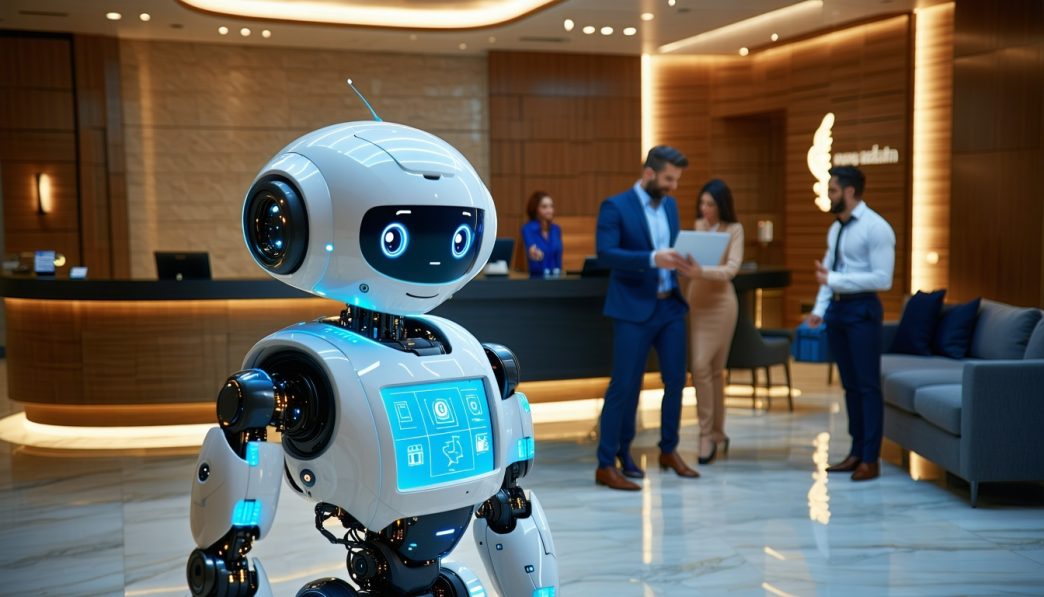
Evolution of Hotel Services
The hospitality industry has undergone significant changes over the years, evolving from traditional service models to incorporate advanced technology. Understanding these changes provides insight into the role of technology, particularly robotics, in modern hotel operations.
Traditional vs. Modern Hotel Services
Traditional hotel services primarily involve human interaction, where staff members perform various tasks such as check-in, room service, and concierge functions. These services rely on personal touch and interpersonal communication, resulting in a unique experience for guests.
Modern hotel services have shifted towards a more automated approach, integrating technology to enhance efficiency and guest satisfaction. This shift includes self-service kiosks for check-in, mobile apps for room service, and online booking platforms, transforming the guest experience. 
| Feature | Traditional Hotel Service | Modern Hotel Service |
|---|---|---|
| Check-in Process | Face-to-face interaction | Self-service kiosks |
| Room Service | Delivered by staff | Robot delivery systems |
| Customer Communication | In-person assistance | Mobile apps and chatbots |
Introduction of Service Robots in Hotel Industry
The introduction of service robots in the hotel sector represents a significant advancement in customer service. These robots assist with various tasks, including room service delivery, front desk operations, and guest interactions. The integration of such technology allows hotels to streamline operations, reduce labor costs, and improve overall guest experiences.
Service robots can navigate through hotel premises, communicate with guests, and perform tasks efficiently, adding a tech-forward element to the hospitality sector. Their presence not only boosts operational capability but also appeals to tech-savvy guests who appreciate innovative solutions.
The growing interest in service and utility robots highlights the potential for these machines to reshape the interactions and services guests receive within hotel environments. As robotics technology advances, they are likely to play an increasingly prominent role in hotel operations.
Roles of Service Robots
The integration of robots in the hospitality industry has transformed traditional hotel operations. Among these advancements, service robots have taken on significant roles, particularly at the front desk and in room service.
Front Desk Service Robots
Front desk service robots are designed to enhance the check-in and check-out experience for guests. These robots can greet guests, assist with room assignments, and provide information about hotel amenities. By streamlining the check-in process, these robots reduce wait times and free up human staff for more complex inquiries.
Key features of front desk service robots include:
- Automated Check-In and Check-Out: Guests can use touchscreens or voice commands to complete check-in and check-out processes quickly.
- Information Assistance: Robots can provide guests with details on hotel services, local attractions, and dining options.
- Real-Time Support: If guests encounter issues, robots can alert human staff, ensuring prompt assistance.
| Feature | Benefit |
|---|---|
| Automated Processes | Reduces wait times |
| Information Provision | Enhances guest knowledge |
| Alerts for Staff | Ensures problem resolution |
Room Service Robots
Room service robots take on delivery tasks within hotels, offering a unique and convenient way to deliver food and amenities to guests. These robots navigate the hotel premises to bring orders directly to guests’ rooms, thereby increasing efficiency in service delivery.
The notable aspects of room service robots include:
- Delivery Efficiency: Robots can carry multiple orders at once, ensuring timely deliveries and reducing the workload on staff.
- Contactless Service: In an era where health and safety are paramount, these robots offer a contactless delivery option, minimizing physical interactions.
- Guest Interaction: Some robots are programmed to engage directly with guests, providing a novel and entertaining experience while presenting their deliveries.
| Feature | Benefit |
|---|---|
| Multiple Delivery Capability | Streamlines service |
| Contactless Options | Enhances safety |
| Interactive Experience | Engages guests positively |
The introduction of robots at the front desk and for room service exemplifies how technology is reshaping the hospitality landscape. For more on the various types of robots, refer to our article on service and utility robots. The advancements in robot hotel staff continue to evolve, promising additional innovations in the hospitality sector.
Types of Robots in Hotels
The incorporation of robotic technology in hotels has led to various types of robots designed to assist with different functions. These robots enhance operational efficiency while improving the overall guest experience. The three main types of robots in hotels include humanoid robots, delivery robots, and communication robots.
Humanoid Robots
Humanoid robots are designed to resemble human beings in appearance and behavior. They are typically employed in roles such as front desk service, where they greet guests, check them in, and provide information about hotel amenities. These robots can effectively manage basic inquiries, allowing human staff to focus on more complex tasks.
Features of Humanoid Robots:
| Feature | Description |
|---|---|
| Appearance | Human-like form, often friendly in design |
| Interaction | Capable of basic conversation and assistance |
| Tasks | Check-in, guest inquiries, multilingual support |
Delivery Robots
Delivery robots are specifically designed to transport items within the hotel. They can deliver amenities, room service, or other requested items directly to guest rooms. This automation ensures timely delivery while reducing the workload on hotel staff.
Advantages of Delivery Robots:
| Advantage | Description |
|---|---|
| Efficiency | Fast and reliable delivery service |
| Reduced Labor Costs | Automates routine delivery tasks |
| Increased Guest Satisfaction | Enhances convenience and service experience |
Communication Robots
Communication robots play a crucial role in enhancing guest interaction and information dissemination. These robots can assist guests with inquiries, provide directions, and even facilitate check-out processes. Their capabilities often include voice recognition and multilingual support, making them versatile tools in a multicultural environment.
Capabilities of Communication Robots:
| Capability | Description |
|---|---|
| Voice Recognition | Understands and responds to spoken inquiries |
| Multilingual Support | Communicates in various languages |
| Information Dissemination | Offers details about services, attractions, and events |
The integration of such robotic types into hotel operations emphasizes the growing significance of technology in enhancing service efficiency. For detailed insights into different robotic applications, explore our articles on service and utility robots and robot delivery services.
Benefits of Robot Staff in Hotels
The implementation of robot staff in hotels introduces a variety of advantages that can enhance operations and guest experiences. These benefits include increased efficiency, improved guest satisfaction, and significant cost savings.
Efficiency and Accuracy
Robots are designed to perform tasks with high precision and speed, optimizing various hotel services. By handling repetitive tasks, they free up human staff to focus on more complex interactions that require a personal touch.
| Task | Time Saved (avg. min) | Efficiency Improvement (%) |
|---|---|---|
| Check-in Process | 2 | 50 |
| Room Service Delivery | 10 | 40 |
| Guest Inquiry Response | 5 | 60 |
Robots, equipped with advanced technology, consistently execute tasks without the typical errors associated with human oversight, ensuring that services are delivered accurately and promptly. For more insights on robots fulfilling critical roles, explore our article on service and utility robots.
Enhanced Guest Experience
The integration of robot hotel staff can also significantly enhance the guest experience. Guests are often intrigued by the novelty of interacting with robots, which can lead to memorable stays. Robots can provide 24/7 assistance, responding to requests and inquiries at any time, greatly improving accessibility for guests.
| Benefit | Description |
|---|---|
| Instant Service | Guests can rely on immediate responses for room service or information. |
| Unique Interaction | Many guests appreciate the modern touch of robot interactions. |
| Personalization | Robots can be programmed to recognize repeat guests and offer tailored services. |
Guests favor the convenience and efficiency provided by robotic staff, leading to increased satisfaction and loyalty. Discover more about how robots enhance service experiences in our article on robot waiters and servers.
Cost Savings
Implementing robotic staff can lead to substantial cost savings for hotels over time. While the initial investment in robots can be significant, the long-term savings in labor costs, reduced error rates, and increased efficiency can offset these expenses.
| Expense Category | Savings Potential (%) |
|---|---|
| Labor Costs | 20-30 |
| Operational Errors | 15-25 |
| Maintenance and Downtime | 10-15 |
By handling specific tasks, robots allow hotels to operate with fewer staff members while maintaining a high level of service. This shift not only enhances profitability but also allows human staff to engage in more value-added activities. For additional applications of robotics in business settings, see our article on robots in retail customer service and robot delivery services.
Challenges and Limitations
As the integration of robot hotel staff becomes more prevalent, it is essential to recognize the challenges that accompany this evolution. These challenges primarily include maintenance and technical issues, as well as interactions and communication hurdles.
Maintenance and Technical Issues
Service robots in hotels require ongoing maintenance and updates to function properly. Technical malfunctions can disrupt operations and impact guest satisfaction. Common technical issues include software glitches, battery failures, and hardware malfunctions, which can lead to downtime for the robots.
The table below summarizes common maintenance and technical issues faced by robot hotel staff:
| Issue Type | Frequency | Impact on Service |
|---|---|---|
| Software Glitches | Moderate | Service interruptions |
| Battery Failures | High | Limited operational time |
| Hardware Malfunctions | Low | Requires immediate repair |
Hotel management must allocate resources for routine inspections and repairs to minimize disruptions. The investment in maintenance can be significant, affecting the overall cost-effectiveness of implementing robot staff.
Interactions and Communication Challenges
While service robots are designed to enhance guest experiences, interactions can sometimes be awkward. These robots rely on programmed responses and may struggle to understand nuanced human communication. This can lead to misunderstandings and frustration for guests who expect natural interactions.
The effectiveness of robot staff in hotels heavily depends on the design of their communication interfaces. A breakdown in communication can affect guest satisfaction and the perceived quality of service. It is vital for hoteliers to consider how these interactions will occur and ensure that guests are informed about how to engage with robotic staff.
| Interaction Aspect | Challenge | Potential Solution |
|---|---|---|
| Understanding Speech | Limited recognition of accents or dialects | Implementing more advanced AI software |
| Non-Verbal Cues | Inability to interpret body language | Providing clear visual prompts for guest actions |
Training staff on how to assist guests in their interactions with robots can bridge the gap in communication. Additionally, clear signage and instructions for guests on how to engage with robot hotel staff can enhance user experience. For more information on the application of robots in various industries, refer to our articles on service and utility robots and robot delivery services.
Implementing Robot Staff
Incorporating robot staff in hotels comes with several considerations for hotel owners and necessitates proper training for both staff and guests to ensure smooth operations.
Considerations for Hotel Owners
When contemplating the integration of robot hotel staff, owners must evaluate various factors that will influence the successful adoption of these technologies. Key considerations include:
| Factor | Description |
|---|---|
| Cost of Implementation | Initial procurement costs and ongoing maintenance expenses should be assessed. Understanding the return on investment (ROI) is crucial. |
| Space Requirements | The physical layout of the hotel must accommodate robot operations, including charging stations and navigation paths. |
| Guest Acceptance | It is vital to gauge potential guests’ openness to interacting with robots. Surveying clientele about their preferences can provide insights. |
| Technology Integration | Compatibility of robots with existing systems (e.g., booking and management software) is necessary to ensure seamless operations. |
| Regulatory Compliance | Ensuring adherence to local laws and regulations regarding technology use in service environments is essential. |
By addressing these factors, hotel owners can effectively plan for the deployment of robotic personnel in their establishments.
Training Staff and Guests on Robot Interaction
Successful implementation of robot staff also depends on the training of both hotel employees and guests regarding robot interaction. Hotel staff need to be equipped to work with these technologies effectively, while guests should be educated on the features and benefits of the robotic services offered.
Training components may include:
| Training Aspect | Description |
|---|---|
| Familiarization Sessions | Staff should participate in training to understand how to operate and troubleshoot robots. |
| Guest Orientation | Providing information about the role and functionality of robot staff can enhance the guest experience. This may include demonstrations during check-in. |
| Handling Issues | Staff should be trained to address guest inquiries or concerns regarding robot interactions, ensuring a positive service experience. |
| Feedback Collection | Creating avenues for guests to provide feedback on their experiences with robot staff can inform future improvements and adaptations. |
By focusing on these training aspects, hotels can ensure both staff and guests are prepared for a tech-forward hospitality experience. For more insights on the evolving role of robots, be sure to explore our articles on service and utility robots and robot delivery services.
Future of Robot Staff in Hotels
As the hospitality industry continues to integrate advanced technology, the future of robot staff in hotels appears promising. Through emerging trends in technology and increasingly expanded roles for robotic assistants, hotels are set to enhance their operations significantly.
Trends in Robot Technology
The innovation in robot technology is accelerating, paving the way for more sophisticated and versatile hotel staff. Key trends shaping the future include:
-
Artificial Intelligence (AI) Integration: AI enables robots to learn from interactions, enhancing their ability to serve guests efficiently. Through AI, robots can understand natural language, improving communication.
-
Improved Navigation Systems: Advancements in navigation technology, such as LiDAR and computer vision, allow robots to move seamlessly throughout hotel spaces, avoiding obstacles and interacting safely with guests.
-
Enhanced Connectivity: IoT (Internet of Things) features are becoming prominent in service robots, allowing them to connect with hotel management systems for real-time updates and guest interactions.
-
Customization Options: Upcoming robots will offer customization features, allowing hotels to tailor robot interactions according to brand identity and guest preferences.
| Trend | Description |
|---|---|
| AI Integration | Robots learn and improve service through AI capabilities. |
| Navigation Systems | Enhanced movement thanks to advanced LiDAR and vision. |
| Connectivity | IoT enables seamless interaction with hotel systems. |
| Customization | Tailored experiences for guests based on hotel brand. |
Expanding Robot Roles in Hospitality Industry
As the technology evolves, the roles of robot staff in hotels are expanding beyond simple tasks. Some anticipated role expansions include:
-
Personalized Guest Interactions: Future robots might not only perform transactional tasks but also engage guests in personalized conversations and deliver tailored recommendations based on their preferences.
-
Housekeeping and Maintenance: Robots could take on additional responsibilities in housekeeping, automating cleaning processes, and conducting routine maintenance without requiring human intervention.
-
Event Assistance: Robots may handle logistics and guest services during events, offering real-time support such as directing guests, delivering items, and managing schedules.
-
Multifunctional Capabilities: With advancements in technology, robots will be capable of combining different roles, such as serving food and providing information, reducing the need for multiple specialized robots.
This growth in roles can improve operational efficiency and lead to better service quality, ultimately enhancing guest satisfaction. For related insights regarding service applications and their impact, refer to our articles on service and utility robots and robot delivery services.
By staying ahead of these trends and expanding robot roles, hotels can establish themselves as leaders in hospitality innovation and adapt to the ever-evolving needs of their guests.


