


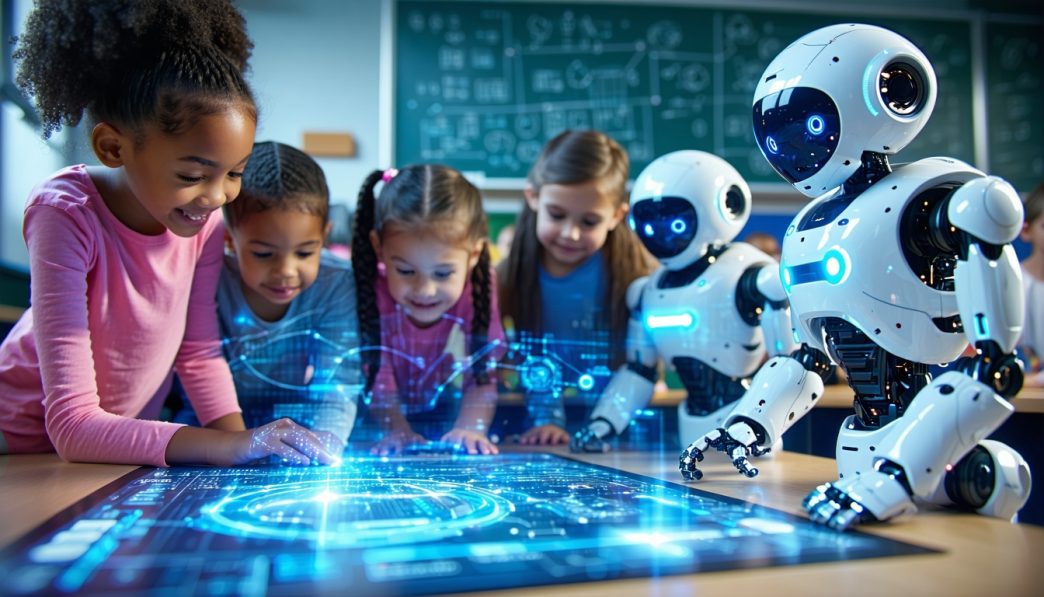
Robotics in Education
Robots are becoming an integral part of the educational landscape. Their introduction into learning environments is reshaping how students engage with critical concepts such as coding, STEM, and problem-solving.
The Role of Educational Robots
Educational robots serve multiple purposes in the classroom. They are not just tools for instruction; they are interactive entities that create engaging learning experiences. These robots can assist in teaching a variety of subjects, from basic programming to complex engineering concepts. Some roles they play include:
- Facilitators of Learning: They provide hands-on experiences, allowing students to learn by doing.
- Personalized Tutors: Robots can adapt to the individual learning pace of each student, offering customized assistance.
- Promoters of Collaboration: They encourage teamwork among students while tackling challenges together.
The increasing use of robots in classrooms exemplifies their significance. Many educational institutions are integrating robots in classrooms to foster engagement and practical learning. 
Benefits of Using Robots in Education
Introducing robots into educational settings yields numerous advantages:
| Benefit | Description |
|---|---|
| Engagement | Robots capture students’ attention, making learning more enjoyable and stimulating. |
| Hands-On Learning | They offer practical experiences in coding and engineering through interactive activities. |
| Development of Critical Skills | Students develop essential skills such as coding, problem-solving, and teamwork. |
| Bridging Gaps in Learning | Robots can assist in addressing varying learning styles and paces, supporting diverse learners. |
| Encouragement of STEM Interest | Robotics education fosters interest in STEM fields, crucial for future job markets. |
The evolution of educational robots showcases their potential to change traditional teaching methods. Many programs and initiatives focus on robots teaching coding, ensuring that students are prepared for a technology-driven world.
Furthermore, using robot kits for kids allows parents and educators to introduce students to engineering principles in an engaging manner. Institutions are beginning to recognize the value of robotic competitions for students as a way to enhance learning with exciting challenges. Overall, educational robotics stands at the forefront of innovative teaching methods, signaling a promising future for both educators and students.
Through the utilization of educational robots, students not only gain knowledge but also learn the importance of collaboration through robots teaching teamwork and problem solving. As the technology advances, the future of educational robotics will continue to evolve, securing a significant place in the classroom.
Current Landscape
The current landscape of educational robotics is marked by an increasing number of programs designed to foster learning through hands-on engagement. These initiatives are becoming integral in classrooms worldwide, shaping the future of educational robotics.
Existing Educational Robotics Programs
Numerous educational robotics programs have emerged globally, providing students with opportunities to explore STEM concepts through interactive learning. Below is a table listing a few notable programs:
| Program Name | Target Age Group | Key Features |
|---|---|---|
| FIRST LEGO League | 9-16 years | Team-based robotics competitions using LEGO kits |
| VEX Robotics | Middle and High School | Robotics kits and competitions |
| Code.org | 4-18 years | Free coding resources including robotics |
| Ozobot | 6-14 years | Small coding robots that teach programming |
These programs not only introduce students to robotics but also emphasize critical skills such as teamwork and problem-solving. Many educators have noted that the integration of robots in classrooms significantly enhances the learning environment.
Success Stories and Case Studies
Several schools and educational organizations have successfully implemented robotics programs, demonstrating the effectiveness of educational robots in enhancing learning outcomes. Below are examples of successful implementations:
| School/Organization | Success Highlights |
|---|---|
| STEM Academy | Increased student interest in STEM fields by 40% through robotics workshops. |
| Local Middle School | 85% of students reported improved problem-solving skills after robotics classes. |
| City Tech Institute | Participated in national robotic competitions, winning multiple awards. |
These cases highlight the positive impact of educational robotics on student engagement and achievement. Notably, programs involving robots teaching teamwork and problem solving have shown significant results in developing interpersonal skills among students.
In addition, partnerships between schools and companies, along with initiatives like robotic competitions for students, further promote collaboration and innovation. Such endeavors pave the way for a transformative approach in teaching, positioning robotics as a vital tool in education while shaping the future of educational robotics for generations to come.
Through these programs and success stories, educators and parents recognize the value of engaging students with technology and fostering a learning atmosphere where creativity and critical thinking can thrive.
Future of Educational Robotics
The future of educational robotics is poised for significant transformation, driven by the integration of artificial intelligence (AI) and advancements in robotics technology. These developments will enhance the learning experience and make education more engaging and effective for students.
Integration of AI in Educational Robots
AI technology is increasingly being integrated into educational robots, allowing them to personalize learning experiences based on individual student needs. AI enables robots to adapt to various teaching styles, assess student progress, and provide real-time feedback. This personalization fosters an environment where students can learn at their own pace, leading to better comprehension of STEM concepts.
Some key advantages of AI integration include:
| AI Feature | Benefit |
|---|---|
| Personalized Learning | Adapts content and pacing to individual student needs |
| Real-Time Feedback | Offers immediate responses to students, enhancing their understanding |
| Data Analytics | Tracks student progress and identifies areas for improvement |
Examples of applications include AI tutors and learning companions that assist in individualized learning, making subjects like math and science accessible and enjoyable.
Advancements in Robotics for Learning
Recent advancements in robotics technology have significantly enhanced the learning capabilities of educational robots. Improved sensors, mobility, and interactivity enable robots to engage students in more meaningful ways. These enhancements encourage hands-on learning, collaboration, and creativity.
Some notable advancements include:
| Advancement | Description |
|---|---|
| Enhanced Sensors | Improved detection of environmental changes, allowing robots to interact more effectively with their surroundings |
| Mobility Innovations | Advanced locomotion systems enabling robots to navigate diverse learning spaces |
| Interactivity | Increased ability to respond to student actions, promoting user engagement |
Educational robots can now be found in various settings, from robots in classrooms to robot kits for kids used for project-based learning. These tools not only teach coding but also instill teamwork and problem-solving skills, as demonstrated in robots teaching teamwork and problem solving initiatives.
The future of educational robotics is filled with promise, as the combination of AI and cutting-edge robotics will redefine how students interact with technology and learn new concepts. As more educational institutions adopt these innovations, the landscape of learning is set to evolve impressively.
Impact on Education
Educational robots are transforming the landscape of learning, particularly in enhancing STEM education and fostering creativity and problem-solving skills among students.
Enhancing STEM Learning
Integrating educational robots into the classroom significantly boosts engagement in STEM subjects. By providing hands-on experiences, students can better grasp complex concepts through interactive learning. Robots serve as tools for teaching programming, mathematics, and engineering principles, making abstract ideas more tangible.
The following table illustrates the popularity of different robotics-focused learning activities in enhancing STEM education:
| Activity Type | Student Engagement Rate (%) |
|---|---|
| Hands-on Robotics Projects | 85 |
| Coding with Robots | 78 |
| Robotics Competitions | 90 |
| Group Problem-Solving Sessions | 82 |
Through activities like building and programming robots, students gain practical skills that align with modern workforce demands. As noted, robots in classrooms enable learners to collaborate and explore scientific inquiries effectively.
Fostering Creativity and Problem-Solving Skills
In addition to promoting STEM learning, educational robots nurture creativity and problem-solving abilities. Students engage in design thinking as they conceptualize, build, and program robots to accomplish specific tasks. This process encourages exploration and experimentation.
Robots also provide a medium for students to tackle real-world challenges, as they often require innovative solutions. The table below highlights key skills developed through robotics activities:
| Skill Development Area | Estimated Improvement (%) |
|---|---|
| Critical Thinking | 75 |
| Team Collaboration | 80 |
| Creative Problem Solving | 72 |
Programs utilizing robots teaching teamwork and problem solving foster an environment of collaboration where students learn from one another. The integration of robotics in educational settings equips students with essential skills that they will carry into their future careers.
The evolving landscape of education, marked by the future of educational robotics, presents numerous opportunities for enhancing learning experiences and preparing students for success in a digital world.
Challenges and Considerations
As educational robots become increasingly integrated into learning environments, several challenges and considerations must be addressed to ensure their effective use. This includes addressing privacy and security concerns, as well as providing comprehensive training and support for educators.
Addressing Privacy and Security Concerns
The use of educational robots involves collecting data from students to enhance their learning experience. This data collection raises important privacy and security concerns. Parents and educators must ensure that any information gathered by these robots is securely stored and managed to protect students’ personal data.
Key issues include:
- Data Protection: Safeguarding sensitive information from unauthorized access or breaches.
- Transparency: Ensuring that parents and students understand what data is collected and how it is used.
- Compliance: Adhering to legal requirements, such as the Family Educational Rights and Privacy Act (FERPA).
To illustrate the importance of privacy in educational settings, consider the following table showcasing common data collected by educational robots and the associated risks:
| Data Type | Description | Potential Risks |
|---|---|---|
| Student Profiles | Information about learning patterns | Identity theft or misuse of data |
| Performance Data | Metrics on skills and progress | Misinterpretation leading to biases |
| Interaction Logs | Records of student-robot interactions | Invasion of privacy |
Training and Support for Educators
Successful implementation of educational robotics requires adequate training and support for educators. Many teachers may not have prior experience using robots or integrating them into their curriculum. Providing the necessary resources can enhance their comfort and efficiency with these tools.
Key aspects include:
- Professional Development: Workshops and training sessions focused on robotics and coding.
- Ongoing Support: Access to mentors or online resources for troubleshooting and skill enhancement.
- Curriculum Integration: Guidance on how to effectively incorporate robotics into existing lesson plans.
The following table provides insight into the types of training support available to educators and their intended benefits:
| Training Type | Description | Benefits |
|---|---|---|
| Hands-On Workshops | Practical sessions to use robots | Boosts confidence and skill level |
| Online Resources | Access to tutorials and guides | Flexibility and self-paced learning |
| Peer Collaboration | Opportunities for educators to share tips | Fosters community and resource sharing |
Addressing these challenges is vital for shaping the future of educational robotics, ensuring that both students and educators can maximize their benefits. Integrating robots into education can lead to enhanced learning experiences, particularly in areas like coding and problem-solving. For more insights on how robots are used in teaching, visit our articles on robots teaching coding and robots in classrooms.
Looking Ahead
Predictions for the Future of Educational Robotics
The future of educational robotics anticipates significant advancements that will further enhance the learning experience. It is expected that more schools will integrate educational robots into their curricula, paving the way for immersive and interactive learning environments.
| Year | Projected Growth in Educational Robotics (%) |
|---|---|
| 2024 | 25% |
| 2026 | 40% |
| 2028 | 65% |
This growth will likely result in a wider variety of educational robots, tailored to different age groups and learning objectives. These robots will not only focus on STEM education but will also support humanities subjects by promoting critical thinking through interactive storytelling and discussions.
Opportunities for Growth and Innovation
The potential for growth and innovation in the field of educational robotics is vast. New technologies, such as artificial intelligence (AI) and machine learning, are set to play a crucial role. AI can personalize learning experiences by adapting to individual students’ needs and learning styles. This will enable the creation of AI tutors and learning companions, which can engage students in a unique manner.
Furthermore, robot learning platforms are projected to expand, offering comprehensive resources for educators to create tailored lessons around robots. Training for educators will also be essential, as teachers will require support to effectively implement these technologies in their classrooms.
The rise of robotic competitions for students will provide additional motivation for students to engage with robotics, fostering teamwork and problem-solving skills. These competitions will cultivate a spirit of innovation, encouraging students to think creatively and critically.
As interest in robots teaching coding grows, so too will the tools available for hands-on learning. With the introduction of robot kits for kids, children will have more opportunities to explore robotics independently and collaboratively, setting the stage for the next generation of thinkers and innovators.
Overall, the future of educational robotics holds promising opportunities for enhancing educational experiences, making learning more enjoyable and effective for students of all ages. The integration of these technologies can transform traditional learning environments into dynamic hubs of discovery and creativity.


