The Evolution of Education
Adapting to Technological Advancements
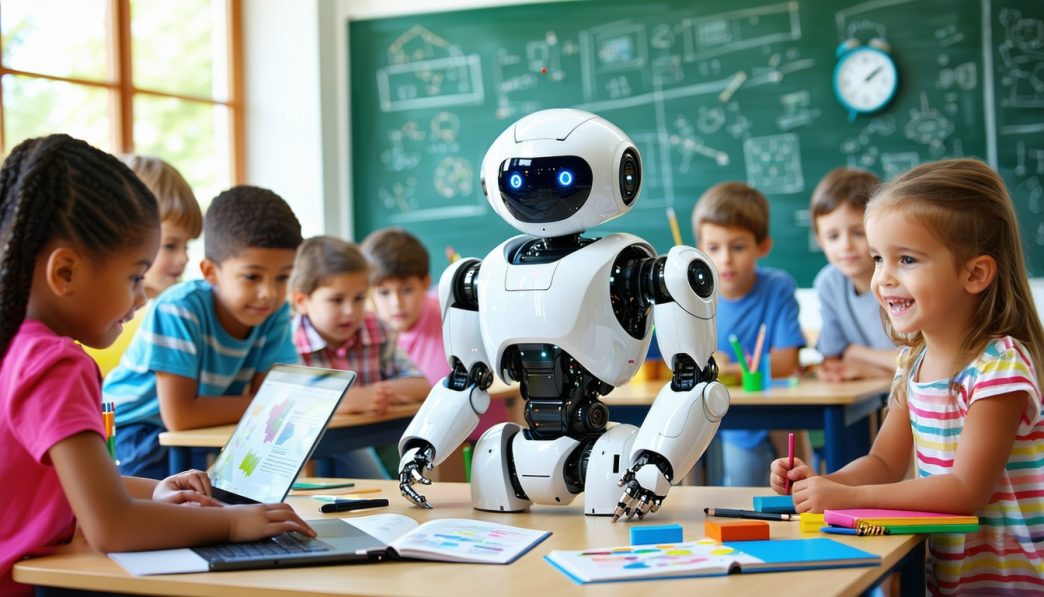
Education has undergone significant transformations over the years, particularly with the rise of technology. The integration of digital tools and resources has reshaped traditional teaching methods, leading to a more interactive and engaging learning environment. One of the most notable advancements in this field is the incorporation of robots in classrooms. These innovations serve as powerful tools to make learning more effective and enjoyable.
As technology continues to evolve, teachers and educators must adapt to these changes. Many are now looking for innovative ways to incorporate educational robots into their lesson plans. This shift not only enhances student engagement but also prepares them for a world increasingly driven by technology.
| Year | Key Technological Advancements in Education |
|---|---|
| 1990 | Introduction of personal computers in classrooms |
| 2000 | Rise of the internet and online learning platforms |
| 2010 | Proliferation of tablets and mobile learning devices |
| 2020 | Integration of robots and artificial intelligence in education |
Importance of STEM Education
STEM (Science, Technology, Engineering, and Mathematics) education has gained critical importance as society becomes more reliant on technology. A strong foundation in these subjects equips students with the skills needed to thrive in a rapidly changing job market. Incorporating robots in classrooms can significantly enhance STEM learning by providing hands-on experiences that foster creativity and critical thinking. 
Robots serve as practical tools for teaching essential skills such as coding, problem-solving, and teamwork. Engaging students through robotics can spark interest in STEM fields, leading to increased workforce readiness. In fact, studies have shown that students who engage in STEM education perform better in standardized tests and demonstrate improved analytical skills.
| Benefits of STEM Education | Impact on Students |
|---|---|
| Encourages critical thinking and problem-solving | Higher achievement in academic performance |
| Promotes creativity and innovation | Increased engagement in learning processes |
| Develops teamwork and collaboration skills | Preparation for future careers in technology |
By recognizing the significance of STEM education and adapting to technological advancements, educators can better prepare students for a successful future where robotics and technology play crucial roles. This evolution emphasizes the need for hands-on learning experiences, making the case for why robots should be fundamental tools in modern classrooms. More insights can be found in articles about robots teaching coding and robots teaching teamwork and problem solving.
Introduction to Educational Robotics
Definition and Purpose
Educational robotics refers to the use of robotic systems and kits as teaching tools in classrooms. They are designed to support the learning of science, technology, engineering, and mathematics (STEM) concepts through hands-on activities that engage students in active learning. The primary purpose of educational robots is to enrich the curriculum by providing students with practical experiences that complement theoretical knowledge.
Through robotics, students can learn coding, problem-solving, and critical thinking skills in an interactive environment. These tools also bridge the gap between abstract concepts and real-world applications, making learning more relevant and exciting. Educators often incorporate educational robots into their lesson plans to enhance students’ understanding of complex topics while fostering innovation and creativity.
Benefits of Using Robots in Education
Integrating robots into classroom activities offers numerous advantages that enhance the educational experience for students. The following table outlines some key benefits of using robots in education:
| Benefit | Description |
|---|---|
| Increased Engagement | Robots capture students’ interest, making learning enjoyable and motivating them to participate. |
| Hands-on Learning | Engaging with robots allows students to apply theoretical knowledge practically, reinforcing concepts. |
| Development of STEM Skills | Students develop essential skills in coding, engineering, and problem-solving through robotics. |
| Teamwork and Leadership Skills | Collaborative projects encourage students to work together, fostering teamwork and leadership. |
| Preparation for Future Careers | Exposure to technology prepares students for careers in an increasingly tech-oriented job market. |
| Critical Thinking Enhancement | Problem-solving challenges encourage students to think critically and devise solutions creatively. |
These benefits highlight how robots in classrooms not only contribute to technical skills development but also support soft skills that are crucial for future success. Educators can utilize robots to teach coding through engaging activities, fostering robots teaching coding and enabling students to explore robotics further with robot kits for kids.
By incorporating robotics into education, schools can create a dynamic learning environment that prepares students for the challenges of the 21st century, including teamwork and problem-solving skills, as noted in discussions about robots teaching teamwork and problem solving.
Integration of Robotics in School Curriculum
Integrating robotics into the school curriculum can significantly enhance educational experiences. By incorporating robots into various subjects, educators can provide students with hands-on learning opportunities that promote coding, problem-solving, and critical thinking skills.
Coding and Programming Lessons
Robots can serve as an effective tool for teaching coding and programming. Through interactive lessons, students learn basic programming concepts by controlling robots’ movements and behaviors. This experiential learning approach can make abstract concepts more tangible.
| Age Group | Coding Lessons Duration | Common Programming Languages |
|---|---|---|
| Grades K-2 | 30-45 minutes | Scratch, Blockly |
| Grades 3-5 | 45-60 minutes | Python, JavaScript |
| Grades 6-8 | 60-90 minutes | Python, Java |
Educators often utilize robots teaching coding to engage students. By programming a robot to perform specific tasks, students develop logical thinking and enhance their understanding of programming principles.
Problem-Solving Challenges
Robots also facilitate various problem-solving challenges that encourage collaboration and critical thinking among students. Teachers design activities where students must use their creativity and reasoning skills to navigate obstacles with robots or complete specific tasks.
| Challenge Type | Example Activity | Student Engagement Level |
|---|---|---|
| Obstacle Course | Design and program a robot to navigate a maze | High |
| Rescue Mission | Create a robot that can transport ‘victims’ to safety | Medium-High |
| Building Challenge | Collaboratively design robots to lift objects | High |
These challenges align with robots teaching teamwork and problem solving, showing students the value of collaboration and collective effort. Students learn to communicate effectively and think critically in a collaborative environment.
Application in Science and Engineering Classes
Integrating robots into science and engineering classes allows students to explore real-world applications of their studies. By engaging with robots, students can investigate concepts such as motion, energy, and mechanics in a hands-on manner.
| Subject Area | Robot Activities | Learning Outcome |
|---|---|---|
| Science | Experiment with robots to observe simple machines | Understanding of physical principles |
| Engineering | Build robots using various materials | Engineering design process |
| Environmental Science | Program robots for waste sorting tasks | Awareness of environmental issues |
This experiential learning approach aligns with the principles of educational robots, allowing students to connect theoretical knowledge with practical applications in fields like science and technology. The use of robotics in these subjects fosters interest in STEM careers and prepares students for future challenges.
Real-World Examples of Robots in Classrooms
The integration of robots in educational settings opens up numerous opportunities for hands-on learning experiences. Schools across the nation utilize robots in various ways to enhance engagement and bolster understanding of STEM concepts.
Robotics Clubs and Competitions
Many schools have established robotics clubs where students can collaborate on projects and participate in competitions. These clubs offer a platform for students to learn coding and engineering skills while fostering teamwork.
In these competitions, students design, build, and program robots to compete against peers. Such initiatives not only encourage practical application of their classroom learning, but they also instill a sense of accomplishment and motivation.
| Competitions | Description |
|---|---|
| School Robotics Tournaments | Local competitions that encourage collaboration and innovation among students. |
| Regional Robotics Challenges | Larger events that draw participants from multiple schools to showcase their robotics skills. |
| National Robotics Competitions | Prestigious competitions where students can compete on a national level and gain recognition. |
Students involved in robotics clubs often report increased enthusiasm for science and technology, showcasing the positive impact of these projects on their learning journey. Explore more about robotic competitions for students to understand how these events shape abilities.
Guest Speakers and Workshops
Inviting guest speakers from the technology and robotics industry to share their experiences enriches the educational experience for students. These professionals can provide insights into real-world applications of robotics, making lessons more relevant and engaging.
Workshops led by experts often allow students to interact hands-on with robots, applying the concepts they learn in the classroom. This practical exposure aids in reinforcing coding and problem-solving skills and can spark interest in future careers in technology.
| Workshop Examples | Details |
|---|---|
| Robotics Programming Sessions | Hands-on workshops where students learn to code and program robots. |
| Robotics Engineering Design Classes | Classes that focus on the engineering principles behind building and designing robots. |
| Speaker Events | Session where industry professionals discuss the impact of robotics and technology in society. |
Understanding the role of robots teaching coding can help educators integrate these experiences into their curriculum effectively.
Collaborative Projects
Robots can be utilized in collaborative projects among students from different grades or subjects. These projects encourage teamwork and foster an environment where students can learn from one another.
For instance, a science class may work alongside a technology class to design a robot that performs a specific function, such as a bot that can sort recyclable materials. Such initiatives enhance interdisciplinary learning, linking concepts from various subjects.
| Project Types | Description |
|---|---|
| Interdisciplinary STEM Projects | Projects requiring input from various subjects, promoting teamwork and broader learning outcomes. |
| Community-Centered Initiatives | Programs that focus on solving real-world problems within the community using robotics. |
| Cross-Age Team Collaborations | Older students mentoring younger peers in robotics projects, sharing their knowledge and skills. |
These collaborative efforts demonstrate the effectiveness of robots teaching teamwork and problem solving in educational settings.
Impact on Student Learning
Integrating robots into educational settings has a significant influence on student learning experiences. This section explores how the use of robots in classrooms impacts engagement, critical thinking, and career readiness.
Increased Engagement and Motivation
The implementation of robots in educational contexts often leads to increased student engagement and motivation. When learners interact with robots, they participate in hands-on activities that make learning more dynamic. This interactive approach enhances interest in STEM subjects, encouraging students to explore and experiment.
Teachers have reported that utilizing robots results in higher participation rates. Students who may otherwise struggle to engage with traditional classroom methods often find motivation in robotics activities. This shift not only contributes to improved performance in academic work but also fosters a positive attitude towards learning.
| Engagement Metrics | Before Robots (%) | After Robots (%) |
|---|---|---|
| Student Participation | 65 | 85 |
| Interest in STEM | 70 | 90 |
| Completion of Projects | 60 | 80 |
Development of Critical Thinking Skills
Incorporating robotics into lessons helps cultivate critical thinking and problem-solving skills. Students are often tasked with programming robots to complete specific challenges, which requires them to apply logic and analytical reasoning. This process teaches students to troubleshoot, think creatively, and devise solutions to complex problems.
Many robotics projects incorporate collaborative elements, prompting students to work together and exchange ideas. This teamwork environment nurtures communication skills while enhancing individual critical thinking abilities. Programs that focus on robots teaching teamwork and problem solving further support the development of these essential skills.
Career Readiness in Technology Fields
As technology continues to advance rapidly, the need for skilled individuals in STEM careers grows. Integrating robots into education prepares students for future careers in technology by providing them with relevant skills and knowledge. Exposure to robotics can spark interest in fields such as computer science, engineering, and robotics itself.
Several educational programs and initiatives focus on equipping students with the competencies required for the workforce. Students who engage with robotics not only learn coding but also gain experience in project management and teamwork—skills highly valued in the job market. For instance, robotics clubs and robotic competitions for students play a vital role in enhancing practical learning experiences.
| Career Skills Developed | Skills Offered |
|---|---|
| Programming | Coding proficiency and logic |
| Engineering | Understanding of design and mechanics |
| Collaboration | Teamwork and communication skills |
By integrating robots into classrooms, educational institutions enhance student learning through increased engagement, development of critical thinking, and preparation for technology careers. The impact of robotics in education continues to evolve, further influencing how students approach their learning journey.
Future of Robotics in Education
As schools continue to embrace technology, the future of robotics in education looks promising. The integration of robots into classrooms is evolving rapidly, offering new opportunities for enhancing learning experiences.
Advancements in Educational Robotics
Recent advancements in robotics technology have expanded the capabilities of educational robots. These innovative tools are becoming more interactive, intelligent, and versatile. Key developments include:
| Advancement | Description |
|---|---|
| Enhanced Interactivity | Many robots are now equipped with sensors and artificial intelligence that allow them to respond to students’ actions and queries, making lessons more engaging. |
| User-Friendly Programming | Educational robots are increasingly being designed with user-friendly programming interfaces, enabling students to code with ease. This encourages creativity and experimentation. |
| Collaborative Learning | New robotics platforms promote teamwork through collaborative projects, where groups of students must work together to solve challenges. Resources like robots teaching teamwork and problem solving are becoming integral to curriculums. |
| Integration with AI Tutors | The combination of robots with AI capabilities enhances personalized learning experiences, enabling students to receive tailored support. Explore more about AI tutors and learning companions. |
The ongoing development of robotic learning platforms means that students can engage in a broader range of subjects while developing critical skills.
Potential Challenges and Considerations for Implementation
While the future of robotics in classrooms is bright, several challenges remain. Educators and administrators must consider the following:
| Challenge | Description |
|---|---|
| Cost of Implementation | Budget constraints can limit the adoption of advanced robotics in schools. Ensuring that funding is available to purchase robotic kits and maintain them is essential. Check our article on robot kits for kids for further insights. |
| Teacher Training | Educators require proper training to effectively utilize robots in the classroom. Professional development programs focused on robotics education need to be more prominent. |
| Curriculum Integration | Incorporating robotics seamlessly into existing lesson plans can be challenging. Schools must create a cohesive framework for using robots in various subjects while maintaining educational standards. |
| Accessibility | Ensuring all students have equal access to robotics education is crucial. This includes addressing discrepancies in resources between schools in different regions. |
The potential impact and benefits of robots in classrooms are vast, but addressing these challenges will be crucial in realizing their full capabilities in educational settings.