Role of Educational Robots
Educational robots serve as powerful tools in modern learning environments. They not only enhance engagement but also help students develop essential skills necessary for the 21st century, such as teamwork and problem-solving.
Advancements in Technology
Technological advancements have significantly transformed how robots are incorporated into educational settings. Today’s robots come equipped with sophisticated sensors, artificial intelligence, and user-friendly interfaces. These features allow students to interact with robots in ways that promote hands-on learning and active participation.
| Technology Aspect | Description |
|---|---|
| Sensors | Enable robots to detect their environment |
| Artificial Intelligence | Facilitates intelligent responses and interactions |
| User-Friendly Interfaces | Allow easy programming and operation |
The integration of technology in educational robots aids in creating dynamic learning experiences. With continuous upgrades, these robots become more accessible and adaptable, making them suitable for various learning levels. 
Integrating Robots into Education
Integrating robots into educational curricula involves employing them as interactive tools that support learning objectives. Schools and educators are increasingly recognizing the importance of utilizing robots in teaching disciplines like coding, math, and science.
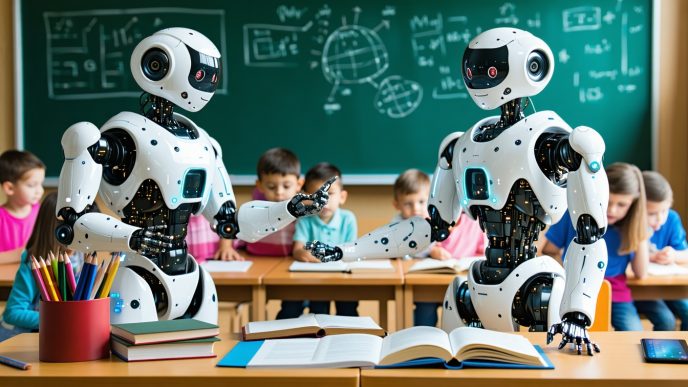
Robots are not limited to STEM topics. They also assist in teaching soft skills, including communication and collaboration, which align with the growing focus on developing well-rounded students. Many institutions have started using robots in classrooms to enhance engagement and provide practical learning experiences.
Focus on Collaboration and Critical Thinking
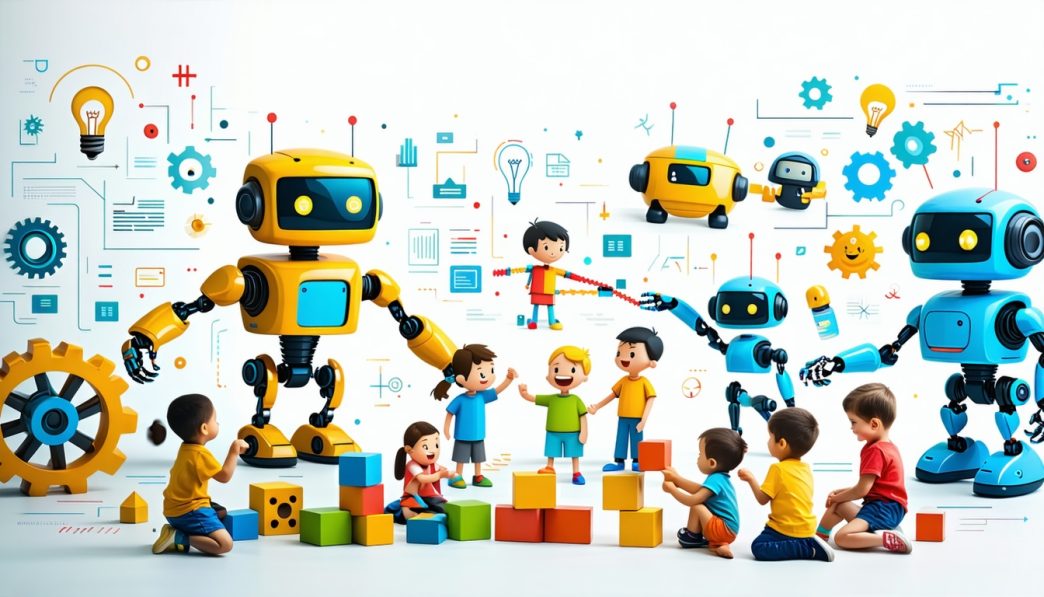
The primary role of educational robots is to foster collaboration and critical thinking among students. By working in groups, students learn valuable teamwork skills through shared tasks that require cooperation and communication.
Educational robots are designed to challenge students intellectually, prompting them to navigate complex problems and devise creative solutions. This focus on teamwork and problem-solving aligns with the growing educational emphasis on soft skills, ensuring students are well-prepared for future collaborative work environments.
Educators interested in employing robots can explore various robot learning platforms to enhance their teaching methods. Additional resources include robot kits for kids which make it easier to introduce robotics concepts at home or in classrooms.
Overall, the integration of robots in education not only makes learning enjoyable but also prepares students for the challenges of the future, whereby collaboration and critical thinking will be paramount.
Benefits of Robots in Learning
Integrating robots into educational settings offers significant advantages, particularly in enhancing teamwork skills and fostering problem-solving abilities. These benefits are crucial in preparing students for collaborative and analytical tasks in future professional environments.
Enhancing Teamwork Skills
Educational robots encourage collaboration among students as they work together on projects and problem-solving tasks. When students engage with robots, they often need to share ideas, delegate responsibilities, and communicate effectively to achieve common goals.
| Activity Type | Teamwork Skills Developed |
|---|---|
| Group Robotics Projects | Communication, Delegation, Conflict Resolution |
| Collaborative Coding Challenges | Cooperation, Strategy Development, Feedback Giving |
| Robotic Competitions | Leadership, Role Assignment, Task Management |
Through these activities, students learn to appreciate the diverse strengths of their peers, enhancing their overall teamwork capabilities. This collaboration is critical in STEM fields, where projects often require diverse skill sets and insights.
Fostering Problem-Solving Abilities
The use of robots in education also significantly bolsters problem-solving skills. When students encounter challenges while programming or operating robots, they must think critically and analytically to devise solutions.
| Problem-Solving Activity | Skills Developed |
|---|---|
| Building and Testing Robots | Analytical Thinking, Creativity, Adaptability |
| Debugging Code | Logical Reasoning, Pattern Recognition, Persistence |
| Completing Robot Missions | Strategic Planning, Troubleshooting, Resource Management |
With robots as learning tools, students can engage in complex challenges and hands-on experiences that require them to think on their feet. As they work through problems, students enhance their ability to analyze situations, identify underlying issues, and develop effective solutions.
Overall, utilizing robots teaching teamwork and problem solving in educational contexts creates dynamic environments that not only teach academic concepts but also prepare students for real-world challenges. For more insights into establishing a robotic presence in educational environments, visit our articles on educational robots and robots in classrooms.
Robots for Teaching Collaboration
The integration of robots into education plays a significant role in promoting teamwork and enhancing problem-solving skills among students. By utilizing interactive technology, educators can facilitate hands-on learning experiences that prioritize cooperation and communication.
Interactive Group Tasks
Robots can be employed in various group tasks that require students to work collaboratively to achieve a set goal. These tasks encourage teamwork by assigning specific roles to each group member, allowing students to leverage their strengths while learning from one another.
For example, a classroom project could include programming a robot to navigate an obstacle course. Students must communicate effectively to devise a strategy, troubleshoot issues, and execute their plans successfully. Incorporating robots into such tasks ensures that students experience problem-solving in a practical context.
The following table provides examples of interactive group tasks using robots:
| Task Description | Learning Outcomes |
|---|---|
| Program a robot to complete a maze | Teamwork, strategic thinking |
| Build a robot to solve a specific challenge | Collaboration, creativity |
| Conduct a robotic competition | Communication, time management |
Encouraging Communication and Cooperation
The use of robots in educational settings fosters an environment where students must engage in meaningful dialogue and cooperate with their peers. By working together on projects involving robots, students develop essential communication skills as they share ideas, provide feedback, and discuss various approaches to problem-solving.
To further enhance communication, educators can incorporate specific activities that focus on developing these skills. For instance, students can participate in peer reviews of each other’s robot designs or engage in discussions about the challenges faced during programming. By emphasizing collaboration, educators can help students understand the importance of effective communication in various contexts.
Engaging in group settings where robots are an integral part of the learning process prepares students for real-world collaboration, fostering essential life skills. For more information on educational robots and their benefits, check the article on educational robots.
Using robots teaching teamwork and problem solving, educators can build a strong foundation for students to excel in collaborative environments, thus equipping them with skills that are invaluable in their future endeavors.
Robots for Cultivating Critical Thinking
In contemporary education, robots have emerged as a significant tool for cultivating critical thinking among students. Through engaging in complex challenges and developing analytical skills, robots not only enhance the learning experience but also prepare students for future problem-solving scenarios.
Engaging in Complex Challenges
Robots facilitate engagement in complex and multifaceted challenges that require students to think critically and creatively. These challenges often involve programming the robot to complete tasks that demand a strategic approach, enhancing cognitive capabilities.
| Challenge Type | Description | Skills Developed |
|---|---|---|
| Obstacle Course | Students program robots to navigate through obstacles. | Problem-solving, planning |
| Maze Solving | Robots must find their way out of a maze using sensors. | Logical reasoning, teamwork |
| Build and Program | Students design structures for robots to interact with. | Creativity, engineering principles |
By confronting these challenges, students learn to analyze situations, devise plans, and adapt their strategies based on feedback from the robots.
Developing Analytical Skills
The use of robots in education enhances students’ analytical skills. As they interact with educational robots, learners are encouraged to assess data, understand patterns, and make informed decisions. This process often includes reviewing outcomes and optimizing their approaches in real-time.
| Skill | Activities Involved | Benefits |
|---|---|---|
| Data Analysis | Students collect data from robot performance metrics. | Informed decision-making |
| Problem Evaluation | Students analyze why a robot failed a task and adjust. | Critical assessment, adaptability |
| Strategic Improvement | Students refine their approach based on trial and error. | Resilience, iterative thinking |
These analytical activities are essential in building a mindset oriented towards questioning and exploration—foundational elements in both academic and real-world problem-solving scenarios. For further exploration of how robots can enhance learning experiences, visit our articles on educational robots and robots teaching coding.
Students who engage in robotics-based learning experiences are not only developing key skills for immediate use but also preparing for a future in a digital and technology-driven world. Explore more about the role of robots in education, including robots in classrooms and robot learning platforms.
Implementing Robots in Educational Settings
Integrating robots into educational settings requires careful planning and execution. This includes not only training educators on how to effectively use these tools but also customizing the curriculum to incorporate robotics in a meaningful way.
Training Educators on Robot Usage
Proper training equips educators with the skills necessary to utilize robots effectively in their teaching. Training programs should focus on various aspects of robotic implementation, including:
- Understanding the functionalities of the robots
- Designing lessons around robotics
- Encouraging collaboration among students
Training sessions can take various formats, such as hands-on workshops, online courses, or peer mentoring. Research has shown that well-trained educators are more likely to effectively teach key concepts such as teamwork and problem-solving.
| Training Method | Description | Benefits |
|---|---|---|
| Workshops | In-person sessions focusing on hands-on interactions with robots | Immediate feedback and community building |
| Online Courses | Flexible training that educators can complete at their own pace | Convenience and accessibility |
| Peer Mentoring | Experienced educators guide their peers in using robots | Personalized support and real-world insights |
Customizing Curriculum to Include Robotics
Customization of the curriculum is essential for maximizing the benefits of robots in learning settings. Curriculum adjustments can include:
- Integrating coding lessons that align with robotics
- Developing project-based tasks that promote teamwork
- Aligning educational goals with standards in STEM education
By incorporating robots into various subjects, educators can create engaging learning experiences that foster teamwork and problem-solving skills. For example, using robots in science classes can enhance comprehension of complex concepts through interactive activities. For insights into specific tools and methods for teaching, explore our article on robots teaching coding.
Schools may also implement project-based learning initiatives that include robotics competitions. These competitions propel students to work together and apply their knowledge in practical scenarios, reinforcing collaborative skills essential for future careers. The inclusion of robotics in classrooms paves the way for a generation adept in navigating the technological future while honing critical skills. For more information on how robotics is transforming learning environments, visit our page on robots in classrooms.