


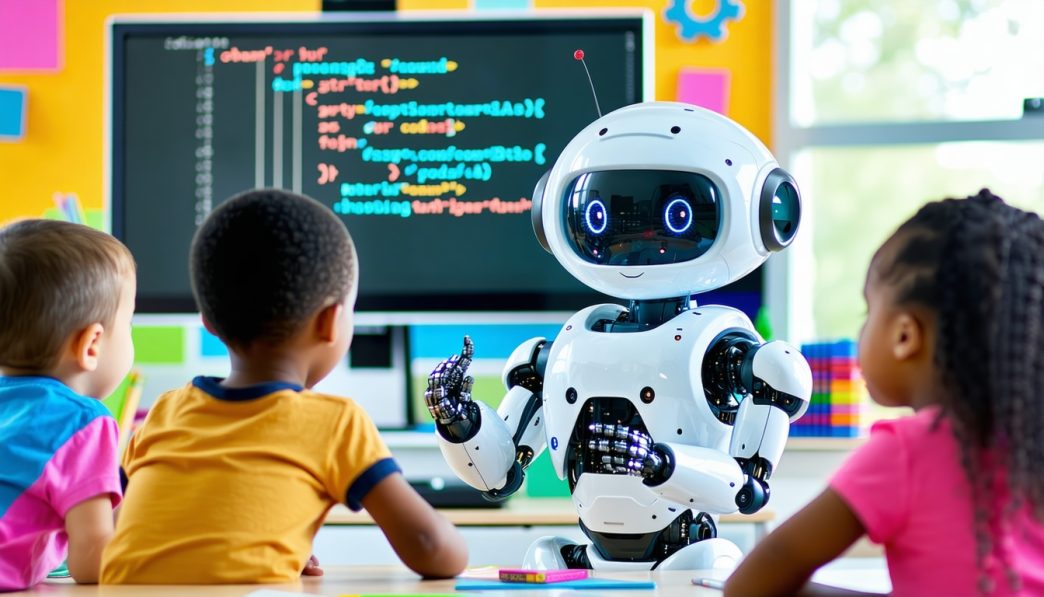
Introduction to Educational Robots
Educational robots serve as dynamic teaching tools in the classroom and at home, helping children learn critical skills such as coding, problem-solving, and engineering concepts. Their integration into learning environments is revolutionizing the way children engage with technology and science.
The Role of Educational Robots in Teaching Coding
Robots are becoming increasingly central to teaching coding effectively. They provide tangible, interactive experiences, enabling children to see the direct effects of their programming efforts. By manipulating robots, kids learn not only how to write code but also how to troubleshoot and debug their programs in a hands-on environment.
This kind of experiential learning helps solidify programming concepts, as children can easily understand the relationship between the code they write and the actions performed by the robot. Various educational robots are designed specifically for coding, catering to different skill levels, allowing for gradual progression in learning. 
| Educational Robot Type | Age Group | Coding Languages Supported |
|---|---|---|
| Simple Robot Kits | 5-8 years | Scratch, Blockly |
| Intermediate Kits | 8-12 years | Scratch, Python |
| Advanced Programmable Robots | 10+ years | Python, JavaScript |
Benefits of Using Robots for Learning Programming
The use of robots for teaching programming offers numerous advantages, including:
-
Engagement: Children often find learning through play exciting. Educational robots turn abstract coding principles into concrete activities, keeping students engaged and motivated.
-
Collaboration: When working with robots, students often collaborate, fostering teamwork. This mirrors real-world programming scenarios where group efforts are necessary.
-
Critical Thinking Development: Robots enhance critical thinking skills by encouraging children to identify issues within their code during the programming process. This develops perseverance and analytical capabilities.
-
Accessibility: Many educational robots are designed to cater to various learning styles and ages, making coding more accessible.
-
Preparation for Future Careers: By introducing coding and robotics at a young age, children develop skills that will be valuable in the future job market.
For further information on the impact of robots in educational settings, visit our article on robot learning platforms. Understanding these benefits underlines the importance of integrating educational robots into both school curriculums and at-home learning environments.
Programming Concepts Through Robot Play
Engaging children in programming concepts through robot play introduces them to the world of coding while fostering essential skills. This section explores the benefits of hands-on learning, problem-solving development, and enhancement of STEM education through the use of robots.
Hands-On Learning with Robots
Hands-on learning involves active engagement and interaction, which is paramount when teaching children programming. Educational robots provide a tactile experience that enhances understanding of programming concepts. As children manipulate robots, they apply coding skills in real-time, learning to see the direct consequences of their commands.
Through robot play, children can experiment with various programming languages and commands. This experiential learning leads to better retention of knowledge. Programs like robot learning platforms allow for incremental learning that aligns with children’s understanding, making coding accessible and enjoyable.
| Learning Benefits | Description |
|---|---|
| Active Engagement | Children interact directly with robots, enhancing exposure. |
| Real-Time Feedback | Immediate responses from robots help solidify coding concepts. |
| Multisensory Experience | Visual, auditory, and tactile stimuli enhance learning. |
Developing Problem-Solving Skills
Educational robots serve as exceptional tools for developing critical problem-solving skills. Through challenges and tasks, children encounter obstacles that require analytical thinking and strategic planning. They learn to troubleshoot issues, identify patterns, and devise solutions, which are crucial skills for future education and careers.
Activities can range from simple navigation tasks to complex challenges requiring algorithms. Research shows that engaging with robots promotes logical reasoning and critical thinking. Programs that focus on robots teaching teamwork and problem solving emphasize collaboration among peers, further enriching the learning experience.
| Problem-Solving Tasks | Skills Developed |
|---|---|
| Navigation Challenges | Critical Thinking, Logical Reasoning |
| Building Autonomous Programs | Analytical Skills, Strategic Planning |
| Group Competitions | Teamwork, Communication |
Enhancing STEM Education
Robots enhance the overall STEM (Science, Technology, Engineering, and Mathematics) education experience. By incorporating robotics into various subjects, educators make the curriculum more dynamic and engaging. Students can see real-world applications of STEM concepts through robotics, fostering a deeper interest in these fields.
The integration of robotics into school environments can lead to increased student participation in STEM-related activities. Programs can include robotics in school curriculums, such as robots in classrooms, providing a comprehensive approach to learning. Through these initiatives, teachers can create a more interactive and engaging classroom atmosphere.
| STEM Education Impact | Description |
|---|---|
| Increased Engagement | Robotics captures students’ interest in STEM subjects. |
| Real-World Applications | Students connect theoretical concepts to practical uses. |
| Encouraging Future Careers | Early exposure to robotics can influence career choices. |
By incorporating robotics into education, children gain familiarity with coding, problem-solving, and STEM principles in an engaging and fun manner. This approach not only prepares them for future academic pursuits but also motivates them to explore their interests in technology and engineering.
Types of Educational Robots
Educational robots come in various forms, each designed to enhance the learning experience for children. Understanding the different types of robots available can help parents and educators select the most suitable tools for teaching programming concepts effectively. Here, we explore three major categories: programmable robot kits, remote-controlled robots, and interactive educational robots.
Programmable Robot Kits
Programmable robot kits provide children with the opportunity to build and program their own robots. These kits typically contain various components such as motors, sensors, and microcontrollers, allowing kids to create custom designs. The hands-on experience helps reinforce coding skills as they learn how to instruct their robots to perform specific tasks.
The flexibility of programmable robot kits encourages creativity and problem-solving. By engaging with these kits, children become familiar with basic programming concepts, which are foundational for pursuing more advanced coding in the future.
| Feature | Description |
|---|---|
| Components Included | Motors, sensors, microcontrollers |
| Skill Development | Coding, engineering, creativity |
| Suitable Age Range | 8 years and up |
For more information on different robot kits, check out our article on robot kits for kids.
Remote-Controlled Robots
Remote-controlled robots allow children to manipulate robots through external controllers. This type encourages interaction and play while introducing basic coding principles. Many remote-controlled robots can be programmed with simple coding languages or apps, providing an easy entry point for young learners.
With these robots, children can learn about programming logic while enjoying the immediate feedback of controlling their robot’s movements. This fosters engagement and enjoyment, essential elements in keeping kids excited about learning.
| Feature | Description |
|---|---|
| Control Method | Remote control, app-based |
| Skill Development | Basic programming, logical thinking |
| Suitable Age Range | 6 years and up |
Explore how remote-controlled robots can aid learning in classrooms in our article on robots in classrooms.
Interactive Educational Robots
Interactive educational robots provide an engaging way to learn coding and STEM principles through interactive play. These robots often come equipped with sensors and respond to environmental stimuli, allowing children to program behaviors and actions.
Interactive robots can be used alone or in group settings, making them ideal for fostering collaboration and teamwork among students. They often include challenges and games that encourage problem-solving while navigating different scenarios.
| Feature | Description |
|---|---|
| Interaction Type | Responsive to inputs, games |
| Skill Development | Collaboration, problem-solving, coding |
| Suitable Age Range | 5 years and up |
Discover more about how robots can teach teamwork and problem-solving skills in our article on robots teaching teamwork and problem solving.
Various types of educational robots help facilitate learning programming in engaging ways. By integrating these tools into learning, children can develop vital skills that prepare them for the future, including those highlighted in our articles on robot learning platforms and the future of educational robotics.
Programming Languages for Kids
Teaching coding to children is increasingly being done through robots, making the learning process engaging and interactive. Various programming languages cater specifically to kids, allowing them to grasp fundamental coding concepts while playing with educational robots.
Scratch and ScratchJr
Scratch and ScratchJr are visual programming languages designed for younger audiences. Scratch is suited for children aged 8 and older, while ScratchJr targets those as young as 5. Both platforms utilize a drag-and-drop interface, allowing kids to create animations, games, and stories by snapping together blocks of code.
| Feature | Scratch | ScratchJr |
|---|---|---|
| Age Range | 8+ | 5-7 |
| Interface | Drag-and-drop | Drag-and-drop |
| Platforms | Web, Windows, macOS | iOS, Android |
| Coding Concepts | Events, loops, conditionals | Sequences, loops, timing |
Using these platforms, children can learn the basics of programming logic while building projects that control robots. This method reinforces their understanding of concepts such as algorithms and debugging. For more information about the nature of educational robots, see our article on educational robots.
Blockly
Blockly is another visual programming tool that simplifies coding tasks through a block-based interface. It is versatile and can be implemented in various educational contexts, including robotics. Blockly allows children to create programs by assembling blocks that represent different coding concepts, such as loops, variables, and functions.
| Feature | Blockly |
|---|---|
| Age Range | 8+ |
| Interface | Drag-and-drop |
| Platforms | Web-based |
| Coding Concepts | Loops, conditionals, functions |
This language is often used in conjunction with programmable robot kits, providing students with a clear understanding of coding while controlling their robotic creations. For more ways robots facilitate learning, explore robots in classrooms.
Python and JavaScript for Kids
As children advance in their programming skills, languages like Python and JavaScript become accessible. These languages are text-based, allowing for more complex programming tasks than visual languages. Python is particularly popular among beginners due to its simple syntax and readability, making learning easier.
| Feature | Python | JavaScript |
|---|---|---|
| Age Range | 10+ | 10+ |
| Syntax | Easy to read | Cross-platform |
| Uses | Web development, data science | Web development, game development |
Both languages can be applied in various educational robots, enabling children to explore programming principles in a hands-on manner. With these languages, students can develop apps or games that interact with their robots, fostering creativity and problem-solving skills. For more on how robots help build these skills, visit our article on robots teaching teamwork and problem solving.
By introducing children to different programming languages through robotics, parents and educators can enhance their learning experience and solidify important STEM concepts. For insights into the future of educational robotics, check our article on the future of educational robotics.
Integrating Robots into Learning Environments
The inclusion of educational robots in various learning environments offers tangible benefits in teaching coding and STEM concepts. This section explores how robotics can be successfully integrated into school curriculums, extracurricular activities, and home learning.
Robotics in School Curriculums
Robots teaching coding can be seamlessly incorporated into school curriculums. Many educators use robotics as a tool to engage students with practical applications of programming. Lessons can be structured around projects that require students to code robots to complete specific tasks, thereby reinforcing programming concepts through hands-on experience. Schools implementing robotics in their curriculums typically report increased student engagement and interest in STEM subjects.
To illustrate the impact of educational robots in classrooms, the following table summarizes the benefits observed across various subjects:
| Subject Area | Benefit Observed |
|---|---|
| Math | Improved problem-solving skills |
| Science | Enhanced understanding of scientific principles |
| Technology | Increased familiarity with coding and robotics |
| Arts | Greater creativity through design projects |
Educators looking for resources on integrating robots can refer to our article on robots in classrooms.
Robotics Clubs and Competitions
Robotics clubs and competitions provide students with opportunities to apply their coding skills outside the classroom. These platforms encourage teamwork, creativity, and critical thinking. Participants often collaborate to design, build, and program robots, applying theoretical knowledge to practical scenarios. Engaging in competitions fosters a spirit of innovation and problem-solving among students.
Many schools host or participate in local and national competitions, allowing students to showcase their skills and creativity. Competitions are structured to challenge students in coding and robotics tasks, enhancing their learning experience.
| Club Type | Benefits |
|---|---|
| School Robotics Clubs | Peer collaboration and support |
| Local Competitions | Real-world application of skills |
| National Competitions | Exposure to diverse challenges |
To explore more about robotic competitions and their advantages, check our article on robotic competitions for students.
At-Home Learning with Educational Robots
At-home learning is another effective way for children to engage with coding through robots. Parents and caregivers can utilize robot kits for kids to create a supportive learning environment. Many educational robots come with accompanying learning platforms that feature interactive tutorials and challenges tailored for young learners.
These robots offer various programming languages, simplifying the introduction of coding concepts right from home. This helps children develop critical skills at an early age, fostering both independence and self-directed learning.
To further empower parents, many resources are available outlining effective strategies for using robots as educational tools. Learning activities can include coding games, robotic challenges, and creative projects that align with children’s interests in technology.
For insights into leveraging AI for personalized learning, refer to our article on ai tutors and learning companions.
By integrating robots into various learning environments, educators, parents, and students can enhance the educational experience while making learning about coding and technology fun and practical.
Tips for Parents and Educators
Exploring the world of robotics can be an exciting journey for kids, especially when it comes to learning programming and STEM concepts. Here are some tips for parents and educators to enhance this experience.
Choosing the Right Educational Robot
Selecting the appropriate robot for kids is essential for fostering interest and engagement. Factors to consider include age, coding level, and learning goals.
| Robot Type | Age Group | Features |
|---|---|---|
| Simple Robot Kits | 5-8 years | Basic assembly, visual coding |
| Intermediate Robots | 8-12 years | Programmable functions, sensors |
| Advanced Robots | 12+ years | Advanced coding languages, project-based learning |
Parents and educators should assess available options based on the child’s interests and capabilities. They can explore various types of educational robots, such as programmable kits and interactive educational devices.
Creating Engaging Robot-Based Activities
Hands-on activities can make learning programming enjoyable. Here are some engaging project ideas:
- Obstacle Course Challenge: Create a simple obstacle course for the robot to navigate. Children can write the code for the robot’s movement.
- Robot Art: Program the robot to draw shapes or patterns using markers, integrating art with coding.
- Team Competitions: Organize friendly competitions, like races or problem-solving challenges, encouraging teamwork while utilizing concepts of robots teaching teamwork and problem solving.
These activities can help link theoretical concepts to practical application, enhancing the learning experience.
Fostering Creativity and Persistence in Programming
Encouraging creativity and resilience in children is key to effective learning. Parents and educators can promote these traits by:
- Allowing Exploration: Kids should be encouraged to experiment with their coding and robotics projects, even if they encounter setbacks. Offering guidance during troubleshooting instead of solving problems for them can nurture persistence.
- Building Collaborative Projects: Group projects or robotic competitions for students can foster collaboration and ignite creativity as kids work together to solve challenges.
- Integrating AI and Robotics: Introduce concepts relating to AI tutors and learning companions to inspire children to think about the broader implications of robots and programming.
By creating a supportive learning environment, parents and educators can cultivate a passion for learning that encourages children to thrive in coding and beyond. Remember to utilize reputable robot learning platforms to easily access resources and support.
As the landscape of educational technology evolves, understanding the future of educational robotics will be vital for maintaining relevance in teaching methods and tools.


