The Rise of Robotics in Education
Importance of STEM Education
STEM education—focusing on science, technology, engineering, and mathematics—has gained increasing recognition in modern curricula. These subjects foster critical thinking and problem-solving skills essential for success in a rapidly evolving technological landscape. Parents and educators acknowledge the importance of preparing students for future careers where these competencies are vital. Research shows that early exposure to STEM concepts significantly boosts students’ confidence and interest in these fields.
| Key Benefits of STEM Education | Description |
|---|---|
| Develops Critical Thinking | Encourages analytical reasoning and decision-making. |
| Enhances Problem Solving | Teaches practical applications of theories and concepts. |
| Fosters Creativity | Stimulates innovation and idea generation. |
| Prepares for Future Careers | Aligns educational paths with job market demands. |
Role of Robotics in Enhancing Learning
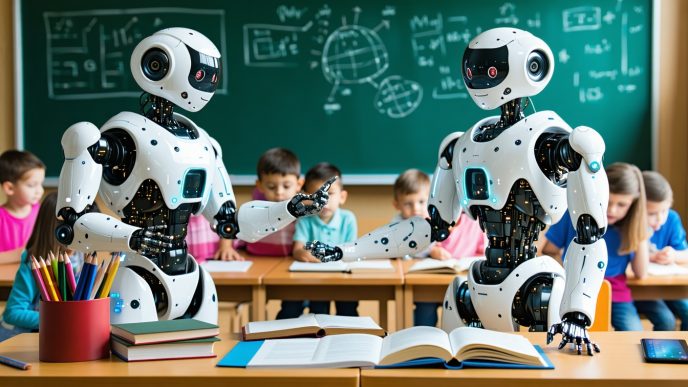
Robotics serves as a pivotal tool in enhancing STEM education. It provides a hands-on learning experience that makes complex concepts more accessible. By integrating robotics into the curriculum, students engage with technology in an interactive and enjoyable way, allowing them to visualize real-world applications of theoretical concepts. Studies indicate that robotics activities cater to various learning styles, which enables diverse groups of students to thrive in a tech-forward environment. For more insights on how robots contribute to learning, visit our article on robots in classrooms.
Introduction to Robotic Competitions for Students
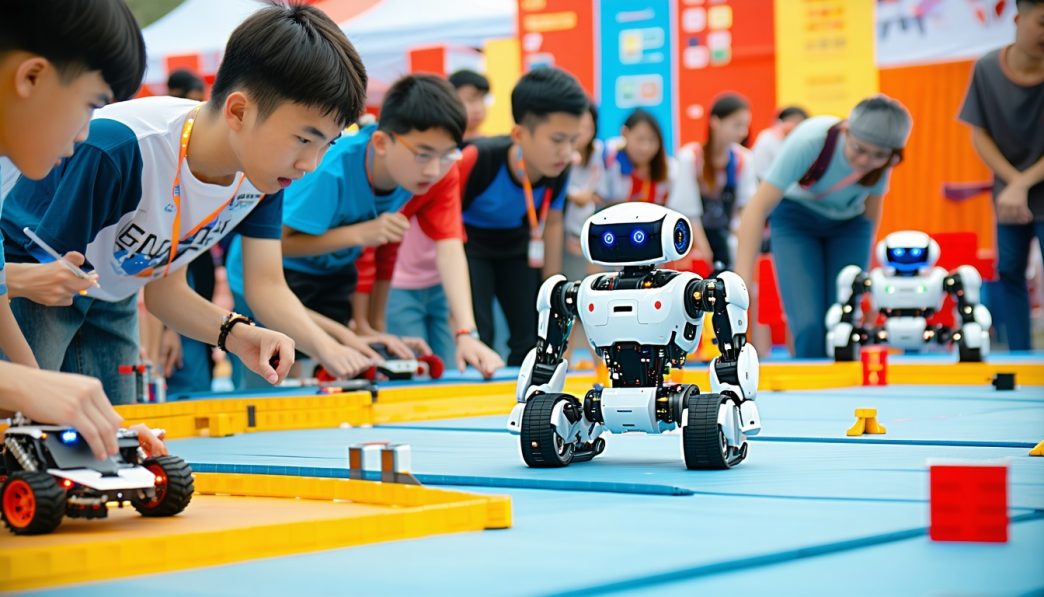
Robotic competitions for students are gaining popularity as a fun and innovative extension of STEM education. These competitions, such as FIRST Robotics and VEX Robotics, challenge students to build and program robots to complete specific tasks. Participants not only gain technical skills but also learn valuable lessons in teamwork, project management, and resilience. In structured environments, students are motivated to push their boundaries and think creatively to solve problems. 
| Robot Competition | Age Group | Main Focus |
|---|---|---|
| FIRST Robotics Competition | 14-18 years | Engineering design, programming, collaboration |
| VEX Robotics Competition | 12-18 years | Coding, machine design, teamwork |
| RoboCup | All ages | Artificial intelligence, soccer game automation |
Through these competitions, students cultivate a keen interest in technology and engineering, offering a pathway toward future careers in these fields. For resources related to getting involved in robotics contests, refer to our article on robot kits for kids.
Benefits of Robotics Contests
Robotics contests offer numerous advantages for students, promoting essential skills and fostering a love for science, technology, engineering, and mathematics (STEM). These benefits extend beyond the immediate competition, shaping the future of young learners in profound ways.
Encouraging Problem-Solving Skills
One of the most significant benefits of participating in robotic competitions is the enhancement of problem-solving skills. Students face various challenges and must devise effective solutions to overcome them. This hands-on approach to learning helps students to think critically and develop resilience.
| Problem-Solving Skills Developed | Description |
|---|---|
| Analytical Thinking | Students evaluate problems and devise logical strategies. |
| Resourcefulness | Participants learn to utilize available tools and materials creatively. |
| Decision Making | Competitors make choices under pressure and evaluate outcomes. |
These experiences can be foundational for future endeavors in fields that require analytical skills. For more ways robots can aid in cultivating problem-solving capabilities, visit robots teaching teamwork and problem solving.
Fostering Collaboration and Teamwork
Robotics contests emphasize the importance of collaboration and teamwork. Participants work in groups to design, build, and program their robots, which encourages communication and cooperation among team members. This environment fosters key interpersonal skills essential for success in both academic and professional settings.
| Teamwork Skills Enhanced | Description |
|---|---|
| Communication | Participants must articulate ideas and share feedback effectively. |
| Leadership | Students often take on roles that require them to guide their peers. |
| Conflict Resolution | Group dynamics teach students how to address disagreements constructively. |
Through collaboration, students experience firsthand the value of diverse perspectives in achieving common goals. For insights on the educational benefits of robots in classrooms, check out robots in classrooms.
Inspiring Creativity and Innovation
Robotics competitions serve as a platform for students to express their creativity. They can develop unique designs and solutions that showcase their innovative thinking. Students are encouraged to explore new technologies and apply their knowledge in imaginative ways, resulting in creative problem-solving strategies.
| Creativity Aspects Fostered | Description |
|---|---|
| Design Thinking | Participants engage in brainstorming and conceptualizing new ideas. |
| Experimentation | Students test various approaches to find the most effective solutions. |
| Artistic Expression | Building robots allows for the integration of aesthetics with functionality. |
This encouragement of innovation is pivotal for inspiring the next generation of engineers and technology leaders. For additional resources on using robotics to enhance learning, explore our page on robot learning platforms.
In conclusion, engaging in robotic competitions offers a wealth of benefits for students, from honing problem-solving skills to fostering teamwork and creativity. These experiences lay a strong foundation for the development of the next generation of engineers and innovators.
Popular Robotics Competitions
Robotic competitions for students are pivotal in promoting hands-on learning experiences. Various competitions enable students to engage in robotics and engineering, fostering interest in STEM fields. Here, we discuss three of the most popular robotics contests: FIRST Robotics Competition, VEX Robotics Competition, and RoboCup.
FIRST Robotics Competition
The FIRST Robotics Competition (FRC) is designed for high school students, encouraging them to collaborate and innovate. Teams are tasked with designing, building, and programming robots to compete in challenge-based games that change each year. FRC emphasizes teamwork, professional mentorship, and real-world problem-solving.
| Key Features | Details |
|---|---|
| Age Group | High School Students (grades 9-12) |
| Team Size | Typically 10-25 members |
| Duration | 6-8 weeks for robot design and construction |
| Competition Format | Regional, national, and international events |
Participating in FRC provides valuable experience in robots teaching teamwork and problem solving and is a fantastic way for students to engage in engineering practices.
VEX Robotics Competition
The VEX Robotics Competition is another prominent platform, welcoming students from elementary through high school. In this competition, students are given a challenge each season and must build robots that can successfully complete tasks outlined in the rules. VEX promotes engineering processes alongside programming skills, making it an excellent choice for varied age groups.
| Key Features | Details |
|---|---|
| Age Group | Elementary to High School Students |
| Team Size | 2-10 members |
| Duration | Season lasts approximately 4-6 months |
| Competition Format | Local, regional, and global tournaments |
This competition places a strong emphasis on learning opportunities, reinforcing concepts from educational robots through collaborative efforts.
RoboCup
RoboCup focuses on the development of autonomous robots that can compete in soccer matches. Designed for students and researchers alike, RoboCup aims to advance the field of robotics and artificial intelligence while promoting teamwork and collaboration. Students work on designing robots capable of strategizing, moving, and even communicating during matches.
| Key Features | Details |
|---|---|
| Age Group | All ages, including university students |
| Team Size | Variable; typically 3-5 members |
| Duration | Events take place during the summer |
| Competition Format | International tournaments held worldwide |
RoboCup not only enhances technical skills but significantly contributes to research in robotics, paving the way for the future of educational robotics.
These robotics events serve as excellent platforms for students to explore engineering and technology through hands-on learning experiences, enriching their understanding and skills in STEM fields. For families and educators, participating in these competitions can ignite interest in innovation and provide practical applications for learning.
Impact on the Next Generation of Engineers
Robotic competitions for students play a pivotal role in shaping the next generation of engineers. By participating in these contests, students develop essential skills and interests that pave the way for future careers in technology and engineering.
Nurturing Interest in STEM Fields
Engagement in robotics competitions cultivates a passion for STEM (Science, Technology, Engineering, and Mathematics) subjects among students. Through hands-on experiences, they can explore complex concepts in a fun and interactive manner. Robotics not only makes learning engaging but also sparks curiosity, allowing students to experiment and discover.
| Interest Area | Percentage of Students Reporting Interest |
|---|---|
| Computer Science | 73% |
| Engineering | 68% |
| Mathematics | 60% |
| Physics | 55% |
Research shows that students who participate in robotics competitions are more likely to pursue higher education in STEM fields. The practical application of theoretical knowledge solidifies their understanding and makes learning more relevant. For more insights into how robots facilitate learning, refer to our article on robots in classrooms.
Preparing Students for Future Careers in Technology and Engineering
Robotics competitions integrate various skills that are essential for success in future careers in technology and engineering. Participating in these contests encourages students to develop problem-solving abilities, teamwork skills, and innovative thinking.
| Skill Developed | Percentage of Students Reporting Improvement |
|---|---|
| Problem-Solving | 85% |
| Team Collaboration | 82% |
| Critical Thinking | 78% |
| Technical Skills | 75% |
These skills are vital in today’s job market, where employers seek individuals who can navigate challenges creatively and work effectively in teams. Furthermore, competency in coding and engineering principles gained through these competitions aligns with the increasing demand for technical expertise in the workforce. To learn more about robots helping children learn coding, visit robots teaching coding.
Through nurturing interest in STEM fields and equipping students with valuable skills for future careers, robotic competitions serve as a gateway for aspiring engineers to thrive in an increasingly technological world. For additional resources on this topic, explore our section on robot learning platforms and ai tutors and learning companions.
Getting Involved in Robotics Contests
Participating in robotic competitions can significantly enhance students’ skills and interest in STEM. Getting involved can start with forming a robotics team and utilizing available resources designed to support participation in these exciting events.
Starting a Robotics Team
Establishing a robotics team is a rewarding first step in engaging students with robotic competitions. A successful team comprises dedicated members who share an interest in technology and innovation. Here are some key steps to consider when forming a team:
- Recruit Team Members: Gather students with a passion for robotics, coding, and engineering. Encourage diversity in skills and backgrounds to foster creativity.
- Appoint Roles: Assign specific roles based on team members’ strengths. Common roles include programmer, builder, designer, and researcher.
- Select a Competition: Research various robotic competitions for students, such as those mentioned in previous sections, to select one that aligns with your team’s interests and goals.
- Set Goals: Outline what your team hopes to achieve, whether it’s developing technical skills, building a competitive robot, or winning a specific competition.
- Secure Funding: Explore potential sources for team funding, including school budgets, community grants, and local businesses that may sponsor the team.
Resources and Support for Participation
Accessing the right resources can streamline the process of participating in robotics contests. Below are valuable resources that can assist teams in their journey:
| Resource Type | Description |
|---|---|
| Educational Robots | Equipment that can facilitate hands-on learning for students. Learn more about these tools in our article on educational robots. |
| Robot Kits for Kids | Constructive kits that provide materials for building robots while learning coding. Explore different kits in our article on robot kits for kids. |
| Online Learning Platforms | Platforms offering tutorials and courses focused on robotics and coding. Check them out in our article on robot learning platforms. |
| Community Support | Find local robotics clubs or online forums where mentors and experienced participants provide guidance and encouragement. |
| Workshops and Events | Participate in robotics workshops and hackathons that enhance team skills and collaboration. Find local events related to the future of educational robotics online. |
| AI Tutors | Incorporate artificial intelligence tools for personalized tutoring and enhanced learning. Discover more in our article on ai tutors and learning companions. |
| Team-building Activities | Engage in exercises that promote teamwork and problem-solving, skills vital for robotic competitions. Read more about these in our article on robots teaching teamwork and problem solving. |
By forming a robotics team and utilizing available resources, participants can enhance their learning experience and foster a deeper interest in STEM subject areas. The journey through robotic competitions for students opens doors to fun, practical applications in science and technology.