


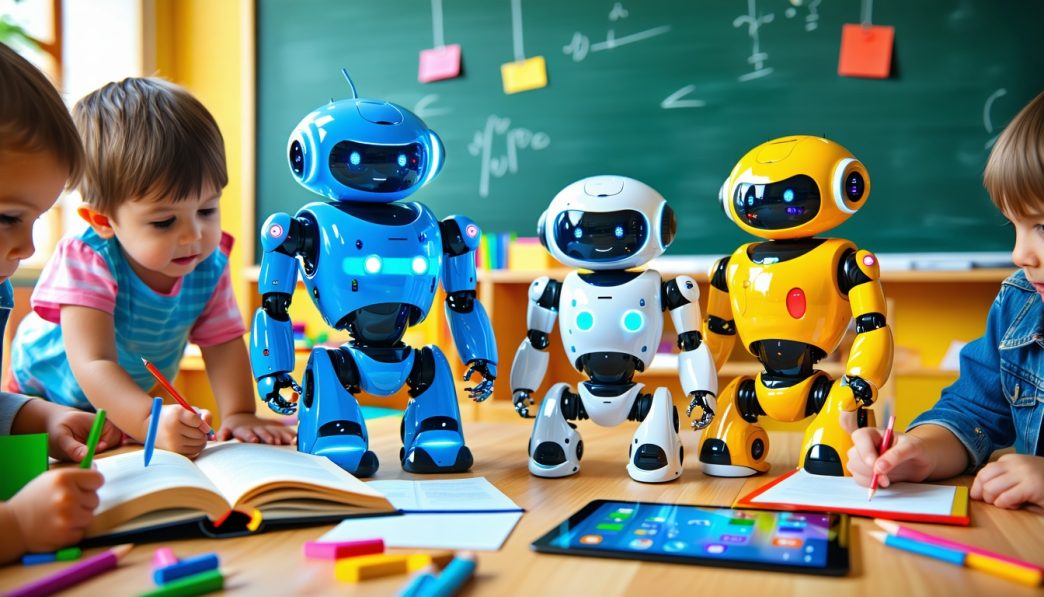
The Rise of Educational Robots
Introduction to Educational Robots
Educational robots have become an essential tool in modern classrooms. They serve as engaging learning assistants, helping students explore various concepts in science, technology, engineering, and mathematics (STEM). These devices vary in design and functionality, catering to different age groups and skill levels. With enhanced interactivity, educational robots stimulate students’ curiosity, making it easier for them to grasp complex subjects.
The integration of robots into the curriculum has revolutionized traditional teaching methods. As they showcase the practical applications of STEM concepts, these robots allow both teachers and students to discover more about robotics, coding, and engineering principles. The use of educational robots not only encourages curiosity but also promotes hands-on learning experiences, thereby enriching the overall educational environment.
Importance of STEM Education
STEM education plays a vital role in preparing students for a world increasingly driven by technology. Skills in science, technology, engineering, and mathematics are in high demand, making it crucial for students to develop a strong foundation in these areas. Educational robots serve as an effective medium for fostering these essential skills. 
The incorporation of robots into the learning process helps students cultivate problem-solving abilities, creativity, and critical thinking. Research has shown that students engaged in active learning methods, such as those facilitated by educational robots, tend to perform better academically. Below is a table highlighting the significance of STEM education:
| Importance of STEM Education | Description |
|---|---|
| Enhances Critical Thinking | Encourages students to analyze and solve problems effectively. |
| Promotes Innovation | Fosters creativity and the development of new ideas. |
| Prepares for Future Careers | Equips students with skills relevant to the job market. |
| Encourages Collaboration | Helps students learn to work together on projects. |
By understanding the crucial role of robots in education, parents, educators, and institutions can work together to better integrate these tools into learning environments. More about the various ways educational robots can positively impact classrooms is covered in our section on robots in classrooms.
Benefits of Using Robots in Education
Incorporating educational robots into the learning environment presents numerous advantages for students. These benefits span across various aspects of their educational journey, enhancing not only their learning experiences but also their overall engagement with STEM concepts.
Enhancing Learning Outcomes
Educational robots significantly contribute to improved learning outcomes. By providing interactive and hands-on experiences, these tools help solidify complex concepts in science, technology, engineering, and mathematics. A study indicated that students who used educational robots scored an average of 20% higher in STEM-related assessments compared to those who learned through traditional methods.
| Assessment Method | Traditional Learning Average Score (%) | Robot-Enhanced Learning Average Score (%) |
|---|---|---|
| STEM Assessments | 75 | 90 |
| Engagement Scores | 60 | 85 |
Fostering Problem-Solving Skills
Robots encourage students to tackle challenges through problem-solving activities. As students engage with robots, they learn to identify issues, devise strategies, and implement solutions. This hands-on approach not only nurtures critical thinking but also encourages perseverance as students work through difficulties. Research shows that exposure to robotics can improve students’ problem-solving abilities by up to 30%.
Robots also offer opportunities for collaborative projects, where students work together to program or build robots. These collaborative efforts enhance teamwork and communication skills, allowing students to learn from one another.
For more information on how robots teach teamwork and problem-solving, visit robots teaching teamwork and problem solving.
Making STEM Education Engaging
One of the most significant advantages of using educational robots is their ability to make STEM education engaging and fun. By integrating technology with play, students often find learning more enjoyable. The interactive nature of robots captivates students’ attention and motivates them to participate actively in their educational process.
Feedback from educators indicates that students show a marked increase in enthusiasm when educational robots are part of the curriculum. Robotics programs have been linked to higher attendance rates and increased student motivation.
In addition, various educational robots are designed to cater to a range of learning styles, allowing for a more personalized approach to education. For further exploration of robotics in the classroom, see our article on robots in classrooms and discover the vast potential of these educational tools.
The integration of educational robots has become a transformative force in enhancing learning outcomes, fostering essential skills, and creating engaging experiences in STEM education.
Types of Educational Robots
Educational robots come in various forms, each designed to enhance different aspects of learning and skills development in students. Understanding the different types of educational robots can help parents and educators select the most suitable tools for promoting coding, problem-solving, and STEM concepts.
Programmable Robots
Programmable robots allow students to write code that controls the robot’s actions. These robots are particularly effective in teaching coding concepts and computational thinking. They often come with user-friendly software that helps ease beginners into programming, making them ideal for students at various skill levels.
| Features | Benefits |
|---|---|
| Customizable Coding | Empowers students to create unique programs. |
| Feedback Mechanism | Students can see immediate results of their code, enhancing learning. |
| Project-Based Learning | Encourages hands-on experience through tangible projects. |
Programmable robots enable students to engage in practical coding exercises, which can complement traditional learning. For more about how robots can teach coding, refer to our article on robots teaching coding.
Remote-Controlled Robots
Remote-controlled robots are operated using a remote interface, including joysticks or smartphone applications. These robots help students understand the principles of robotics and help develop fine motor skills. They are useful for hands-on experiments in maneuverability and control.
| Features | Benefits |
|---|---|
| Immediate Control | Provides students with direct involvement in robotics. |
| Team Collaboration | Encourages group work and communication among students. |
| Engagement in Learning | Offers a fun, interactive approach to learning concepts such as mechanics and movement. |
These robots create opportunities for teamwork and cooperative problem-solving, making them ideal for classroom settings. Learn more about teamwork skills taught through robotics in our article on robots teaching teamwork and problem solving.
Interactive Robots
Interactive robots come equipped with sensors and respond to environmental stimuli or human interaction. They can engage students in conversations or respond to commands, making learning more immersive. Interactive robots often focus on social skills and emotional learning.
| Features | Benefits |
|---|---|
| Adaptive Learning | Adjusts responses based on student interactions, offering personalized experiences. |
| Encourages Creativity | Students can engage in storytelling and imaginative play. |
| Versatile Learning Opportunities | Can be used in various subjects, integrating STEM with arts and humanities. |
These robots not only contribute to technical skills but also promote collaboration and social interaction among peers, essential for developing well-rounded students. For more possibilities of how robots can integrate into educational environments, check our article on robots in classrooms.
The diverse types of educational robots available facilitate various aspects of learning, making the acquisition of essential skills not only achievable but enjoyable for students.
Applications in Learning and Teaching
Educational robots serve a variety of purposes in modern classrooms, enhancing the learning experience in numerous ways. They facilitate coding and programming, engage students in hands-on problem-solving, and promote collaborative learning environments.
Coding and Programming
Robots provide an interactive way for students to learn coding and programming skills. These activities not only teach essential technical skills but also develop logical thinking and creativity. Many educational robots come with platforms that allow children to write and test their code in real time, providing immediate feedback and encouragement.
| Skill Development | Description |
|---|---|
| Logical Thinking | Students learn to structure their code logically to achieve desired outcomes. |
| Creativity | Programming robots offers a platform for students to express their ideas and solutions creatively. |
| Real-Time Feedback | Immediate results from coding efforts help students learn from mistakes quickly. |
Educators integrating robots into their curriculum can explore various resources. To learn more about how robots can assist in teaching coding, read our article on robots teaching coding.
Hands-On Problem Solving
Hands-on problem-solving is a key component in the skill set of students. Robots allow learners to tackle real-world challenges and develop critical thinking abilities. Students can engage in activities that require them to design solutions, debug issues, and overcome obstacles in a practical setting. This experiential learning approach enhances retention and understanding.
| Activity Type | Example |
|---|---|
| Design Challenges | Students program a robot to navigate a maze or perform a specific task. |
| Robotics Competitions | Participating in events fosters teamwork and encourages innovation under pressure. |
| Interactive Simulations | Ensuring students apply scientific concepts to solve problems using robotics. |
These experiences can be further enriched through competitions. For more insights on how robotic competitions enhance skills, check our article on robotic competitions for students.
Collaborative Learning Environments
Educational robots foster teamwork and collaboration among students. Working together on robot-based projects encourages communication and enhances social skills. This collaborative environment prepares students to work effectively in teams, a crucial skill in both academic and professional settings.
| Collaboration Benefits | Description |
|---|---|
| Teamwork | Students learn to delegate tasks and support one another in completing projects. |
| Conflict Resolution | Navigating differing ideas encourages students to resolve disputes constructively. |
| Shared Goals | Working towards a common end-point strengthens group dynamics and responsibility. |
As students engage with robots, they also develop soft skills vital for their futures. There are compelling programs specifically designed to enhance teamwork and problem-solving capabilities with robots. Learn more about this process in our article on robots teaching teamwork and problem solving.
Educational robots are a transformative tool in teaching methodologies, providing immersive learning experiences that enrich coding, problem-solving, and collaborative skills in students.
Transforming STEM Education
Integrating educational robots into STEM education is revolutionizing how students engage with science, technology, engineering, and mathematics. The incorporation of these innovative tools not only fosters an interactive learning environment but also equips students with the skills needed for future success.
Integrating Technology in the Classroom
The use of educational robots in the classroom provides a unique opportunity to merge technology with traditional teaching methods. By introducing robotics, teachers can create an engaged learning atmosphere that encourages curiosity and exploration.
| Technology Integration | Benefits |
|---|---|
| Collaborative Learning | Encourages teamwork and shared responsibility |
| Hands-On Experiences | Promotes active participation and retention |
| Real-World Applications | Connects theoretical concepts to practical tasks |
With the continuous advancement of technology, educational robots facilitate seamless integration into various subjects, allowing for cross-curricular learning. For insights on specific implementations, refer to our article on robots in classrooms.
Empowering Students with Practical Skills
Educational robots empower students to gain practical skills that are essential in today’s job market. Through hands-on experiences, students develop critical thinking and problem-solving abilities. Designing and programming robots allows learners to experiment with coding, grasp complex concepts, and enhance their analytical skills.
| Skills Developed | Description |
|---|---|
| Coding | Understanding programming languages and logic |
| Robotics | Gaining insights into mechanical design and simulation |
| Problem-Solving | Tackling challenges and devising effective solutions |
Additionally, students can collaborate on projects that require teamwork and communication, which are invaluable skills in any field. Explore more about this collaborative aspect in our article on robots teaching teamwork and problem solving.
Preparing for Future Careers
Adopting educational robots in learning settings significantly prepares students for future careers in STEM-related fields. By familiarizing them with robotics and coding, students cultivate interest in advanced technologies that are prevalent in modern workplaces. Career pathways in engineering, computer science, and technology gain greater appeal when students have the opportunity to engage with these concepts early on.
| Career Pathways | Relevant Skills |
|---|---|
| Engineering | Design, testing, and production |
| Information Technology | Software development and network management |
| Robotics | Automation and intelligent systems |
Hands-on experience with robotics increases students’ confidence in pursuing further education and careers in these areas. For future trends and developments in this field, visit our article on the future of educational robotics.
By integrating educational robots into the learning experience, students are not only motivated but also equipped with the essential skills needed for success in both their academic and professional futures.
Challenges and Considerations
As educational robots become more prevalent in learning environments, several challenges must be addressed to ensure their effective integration into classrooms. Understanding these challenges will help educators, parents, and policy-makers maximize the benefits of robots in education.
Addressing Technological Barriers
While technological advancements have made educational robots more accessible, there are still barriers that can impede their effective use. These barriers may include limited access to devices, insufficient internet connectivity, and lack of technical support. Some schools may not have the resources to implement a robust robotics program, which can limit students’ exposure to these valuable learning tools.
To illustrate the impact of technological barriers, the following table displays potential issues in various educational settings:
| Barrier Type | Impact on Educational Robots |
|---|---|
| Limited Access to Devices | Students unable to engage with robots |
| Poor Internet Connectivity | Difficulty in updating software and accessing online resources |
| Lack of Technical Support | Inability to troubleshoot issues that arise during use |
Ensuring Inclusivity and Equity
Ensuring that all students have equitable access to educational robots is essential for fostering an inclusive learning environment. Some students may face challenges due to socioeconomic factors, disabilities, or varying levels of prior knowledge. It is crucial to provide diverse resources and opportunities to engage all learners in STEM activities.
To promote inclusivity, educators and institutions can employ the following strategies:
- Adapting Curricula: Modify lesson plans to cater to different learning styles and capabilities.
- Providing Support: Offer additional assistance for students who may need extra help in understanding robotics concepts.
- Creating Inclusive Spaces: Foster an environment where all students feel comfortable participating in robotics activities, regardless of their background.
Training Educators for Robot Integration
The successful implementation of educational robots largely depends on the educators’ ability to effectively integrate these tools into their lessons. Teachers must be proficient in using technology, as well as how to teach coding and robotics concepts.
To facilitate this, professional development and training programs should be established. These programs can focus on the following areas:
- Hands-On Workshops: Allow educators to gain practical experience with robots and coding.
- Ongoing Support: Provide resources and mentorship to help teachers troubleshoot and improve their robotics instruction.
- Collaboration Opportunities: Encourage teachers to share best practices and strategies for integrating robots into their classrooms.
By addressing these challenges, the potential for educational robots to enhance learning, promote equity, and develop the necessary skills for future careers can be fully realized. Those interested in understanding further applications of robotics in learning should explore our articles on robots teaching coding and robot learning platforms.


