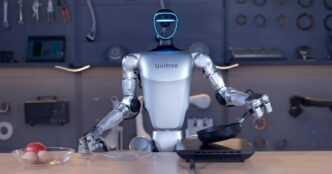
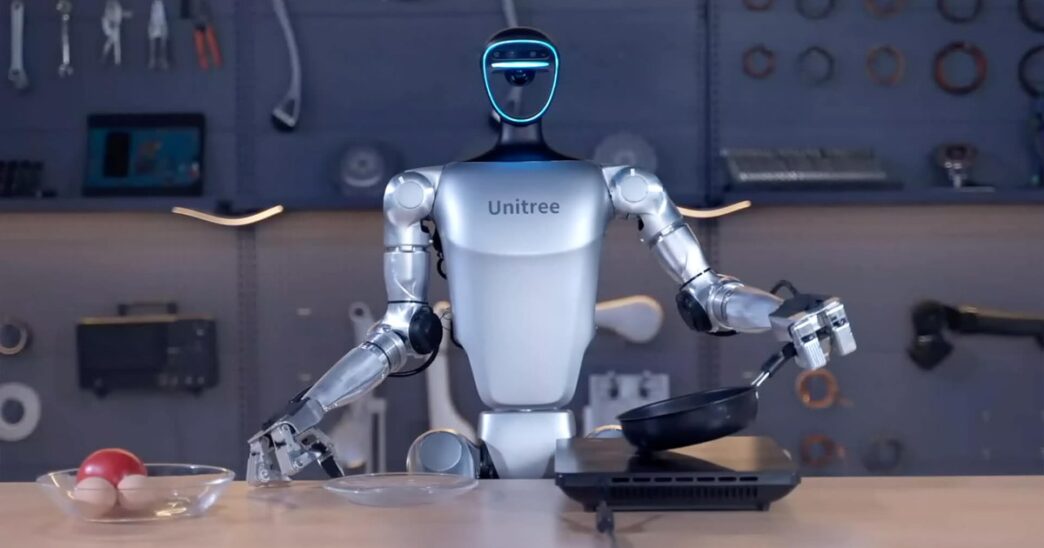
UK homeowners can now add a humanoid robot to their home insurance. Broker Adrian Flux and insurer Tokio Marine HCC International (TMHCCI) announced on October 29, 2026, what they call the UK’s first humanoid robot insurance for the home: a household policy for domestic humanoid robots. It covers the robot against damage and theft, the home against damage the robot causes and the owner against claims if the robot hurts someone. It also pays for a malfunctioning robot to be recovered or safely shut down.
Very few people in the UK own a home humanoid yet. The insurers themselves say domestic robots are expected in UK homes from 2027. But this is the first time a mainstream broker has written down, in policy terms, how humanoid robot insurance for a household should work. Here’s what the cover includes, what the companies haven’t published, and what it tells buyers about the risks of a robot at home.
- Who sells it: Adrian Flux, as an add-on to its UK home insurance, underwritten by Tokio Marine HCC International. Announced October 29, 2026.
- What it covers: accidental damage, fire and theft of the robot; sudden damage it causes to your home or contents (up to £5,000); personal liability; and emergency recovery or safe shutdown after a malfunction.
- Price: not published. Adrian Flux says quotes are individual.
- Not yet clear: which robot models qualify, the liability limit, and how hacking, software updates or remote operators are treated.
What the humanoid robot insurance covers
The policy isn’t a standalone product. It extends an Adrian Flux home insurance policy so the robot is listed as a named possession, much like a high-value watch or a piece of jewelry. Adrian Flux makes that comparison itself on its product page, pointing out that some home robots cost the equivalent of £15,000 to £20,000.
According to Adrian Flux’s page, cover specific to the robot can include:
- Accidental damage to the robot, including, in the company’s example, the family dog treating it as a chew toy.
- Fire, theft or attempted theft. A stolen robot is replaced new for old with the same model or its newest equivalent.
- Sudden damage the robot causes to your home or contents, up to £5,000 according to the FAQ on the page.
- Personal liability if the robot injures a visitor or damages someone else’s property.
- Emergency recovery or safe disablement after a sudden and unforeseen malfunction.
The page also says the robot is covered when it leaves the house to help with tasks such as carrying shopping or loading the car. And if a robot-caused fire makes the home unlivable, the policy offers alternative accommodation while repairs are done.
One line stands out. Asked “What if the robot turns against me?”, Adrian Flux says rogue scenarios are unlikely but that “rogue software behaviour, command execution or complete control lockouts could happen,” and that liability and emergency damage cover are designed to respond. That’s an insurer naming software failure as a home risk in plain language.
What Adrian Flux hasn’t published
The announcement leaves several questions a buyer would want answered before signing:
- Price and excess. Adrian Flux says the cost “will be bespoke to you and your circumstances.” No example premium has been given.
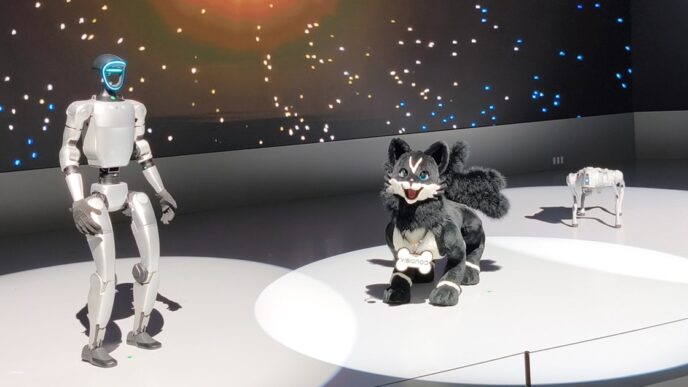
- Eligible robots. The page mentions the Unitree G1 as a model already on sale in the UK, but it doesn’t list which robots qualify or whether kit-built and research robots count.
- Liability limit. The £5,000 figure applies to damage the robot causes to your own home and contents. The page doesn’t state the personal liability limit for injuries to others.
- Hacking and privacy. The public material doesn’t address a robot being hacked or its cameras leaking data. Insurance Business, a trade publication, flagged the same gap in its coverage.
- Remote operators. Some home robots let a company employee take over remotely. 1X, for example, offers an Expert Mode for its NEO robot. How the policy treats damage caused while a remote operator is driving isn’t addressed.
None of those gaps make the product unusual. Most new insurance lines start broad and get more specific as claims come in. Adrian Flux general manager Gerry Bucke said the policy “will be updated as the technology and the risks evolve,” as the broker did with the driverless car policy it launched in 2016.
Why an insurer is moving before the robots arrive
TMHCCI’s announcement points to the US, where companies have opened pre-orders for home humanoids, “with early models on open pre-order at $20,000.” That matches the $20,000 Early Access price on 1X’s NEO order page, though the release doesn’t name a company. Insurance Times converted the figure to about £14,900. When we last checked 1X’s order page, on October 19, it said US deliveries start in 2026, with international timing later.
Stuart Heath, head of distribution, international at TMHCCI, put the logic simply: “A robot that costs thousands of pounds is not something you want sitting outside your insurance policy.” He added that insurance “has traditionally reacted to rather than facilitated new markets and products.”
There’s also a practical reason to act early. A standard home policy may cap single items, exclude mechanical breakdown or say nothing about liability for a machine that moves on its own. If you buy a robot priced like a small car and assume your contents cover handles it, you may find out otherwise after a claim. Insurance Business made a similar point for brokers: check contents limits, check whether accidental damage and malfunction are included, and ask whether liability cover responds when a device, not the policyholder, causes harm.
Who pays when a home robot causes harm
Bucke said the aim was “to provide clarity on who is responsible if something goes wrong.” The policy settles one part of that: the owner’s own losses and the owner’s legal liability. It doesn’t settle the rest.
If a robot injures someone because of a design or software defect, the injured person, or the homeowner’s insurer, may also look to the manufacturer. In the UK, Part 1 of the Consumer Protection Act 1987 lets people harmed by a defective product claim against its producer. With robots, working out whether a fault came from the hardware, an over-the-air software update, a remote operator or the owner’s own instructions will be hard. Our liability and insurance guide walks through the same chain of parties for workplace humanoids.
For now this is a consumer product for a market that barely exists. Its value is in the detail: a written list of the risks an insurer thinks a home robot creates, including malfunctions, software misbehavior and the need for someone to come and safely switch the machine off.
What to check before you insure a home robot
Whether you use this policy or ask your current insurer, these are the questions to put in writing:
- Is the robot named on the policy, and is it valued at full replacement cost?
- Does cover include accidental damage and malfunction, or only fire and theft?
- What is the limit for damage the robot causes to your home, and what is the liability limit for injuries to others?
- Are you covered if a manufacturer’s software update or a remote operator caused the problem?
- Does the policy require you to keep the robot’s software updated or follow the maker’s safety rules?
Get the answers from the insurer, not from a sales page. The product page describes cover that “can include” each item, which usually means the final terms depend on the policy you buy.
What to watch
Watch for published premiums and policy wording, a list of eligible robots, and whether other UK insurers follow. The bigger test comes when home humanoids actually ship in volume and the first claims show how malfunction and liability cover work in practice.
Frequently asked questions
Can you insure a humanoid robot in the UK?
Yes. Since October 29, 2026, Adrian Flux has offered domestic humanoid robot cover as part of its UK home insurance, underwritten by Tokio Marine HCC International. The companies call it the UK’s first policy of its kind.
What does Adrian Flux’s robot insurance cover?
Accidental damage, fire and theft of the robot; sudden damage the robot causes to your home or contents, up to £5,000; personal liability if it injures someone or damages their property; and emergency recovery or safe disablement after a malfunction.
How much does humanoid robot insurance cost?
Adrian Flux hasn’t published a price. It says each quote is bespoke and depends on the customer’s circumstances.
Is the robot covered outside the home?
Adrian Flux says the robot is insured while helping with tasks away from home, such as carrying groceries, running errands or loading the car.
Can you buy a home humanoid robot in the UK yet?
A few models are on sale. Adrian Flux names the Unitree G1 as one. The insurers say domestic robots are expected in UK homes from 2027, and 1X’s NEO is taking US orders first, with international timing later.
Sources
- Tokio Marine HCC, “Tokio Marine HCC International and Adrian Flux partner to launch first-of-its-kind domestic humanoid robot coverage in the UK” (October 29, 2026): tmhcc.com
- Adrian Flux, “Domestic Humanoid Robot Home Insurance” (product page and FAQ): adrianflux.co.uk
- Insurance Times, “Tokio Marine teams up with broker on ‘first’ humanoid robot cover” (October 30, 2026; £14,900 conversion): insurancetimes.co.uk
- Insurance Business, “Adrian Flux and TMHCC launch UK home cover for humanoid robots” (October 30, 2026): insurancebusinessmag.com
- Consumer Protection Act 1987, Part 1 (product liability): legislation.gov.uk
- 1X, NEO order page (Early Access price and delivery wording), as summarized in our NEO status article: 1x.tech
- Unitree, G1 product page (source of the featured image): unitree.com
All sources accessed October 31, 2026, between about 7:00 and 8:45 AM ET.
Last updated: October 31, 2026. This is not insurance advice. To report an error, see our corrections page. Articles are drafted with AI assistance and reviewed and edited by an editor; see our editorial policy.