Introduction to Robotic Assistance in Elder Care
Understanding the Role of Robots in Supportive Care
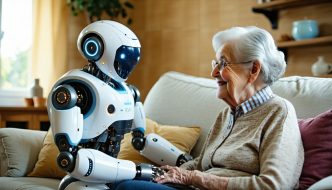
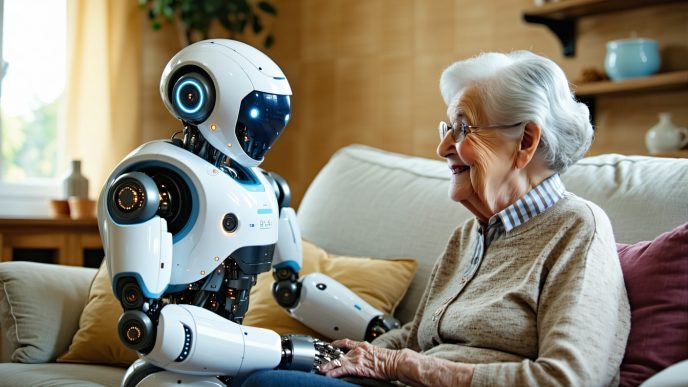
Robots providing physical support play a significant role in elder care, offering assistance that enhances the daily lives of elderly individuals. These machines are designed to help with various tasks, including lifting, transferring, and walking, ultimately promoting independence and safety. By integrating robots into care routines, caregivers can ensure that mobility challenges are addressed effectively.
Robotic systems are equipped with advanced sensors and programming that allow them to adapt to the specific needs of individuals. They can assist with tasks ranging from simple lifting to more complex transfers, which can significantly reduce the physical strain on caregivers. For more insights into how these robots operate, visit our article on elder care and companionship robots.
Importance of Physical Support for Elderly Individuals
Physical support is crucial for elderly individuals, who may experience limitations in mobility and strength. The inability to move freely can lead to feelings of frustration and dependency. Robotic assistance can help mitigate these issues by providing the necessary support for activities that require movement or lifting. 
The following table outlines common physical challenges faced by elderly individuals and the corresponding robotic solutions that can assist:
| Physical Challenge | Robotic Assistance Solutions |
|---|---|
| Difficulty standing up | Lifting robots that provide stability and support |
| Trouble walking | Robotic walkers that aid in balance and mobility |
| Transferring between surfaces | Transfer robots that ensure safe movement |
| Forgetting to take medication | Robots assisting with medication reminders |
| Risk of falling | Robots equipped with fall detection technology |
By implementing these robotic solutions, families and caregivers can enhance the quality of care provided to elderly individuals. The incorporation of technology into caregiving not only addresses physical demands but also contributes to improving the emotional well-being of seniors. For more on how robots can offer companionship, explore our article on robots for senior companionship.
In doing so, they can alleviate loneliness and provide peace of mind to both seniors and their families.
Robots Assisting with Mobility
Robots are increasingly playing a pivotal role in enhancing mobility for elderly individuals. This assistance not only provides physical support but also contributes to overall wellbeing and independence.
Lifting and Transferring Techniques
Robotic systems designed for lifting and transferring can aid individuals in various situations, such as getting in and out of bed, moving from a wheelchair to a chair, or repositioning in bed. These robots are equipped with advanced technology that ensures safety and comfort during the process.
Use of robotic lifting aids can significantly reduce the physical strain on caregivers while ensuring that the elderly individual receives the necessary support. Below are common techniques employed in robotic lifting and transferring:
| Technique | Description |
|---|---|
| Robot-Assisted Lifting | Mechanical arms or supports lift the individual, minimizing physical effort. |
| Transfer Robots | These robots seamlessly move individuals from one location to another, such as from a bed to a wheelchair. |
| Smart Slings | Integrated slings support the body during transitions, ensuring safety and comfort. |
Implementing these technologies can ensure smoother transitions for the elderly and reduce the risk of injury for both the individual and the caregiver.
Benefits of Robotic Support for Mobility
The integration of robots providing physical support in elder care brings a multitude of benefits. Here are some primary advantages:
| Benefit | Description |
|---|---|
| Enhanced Safety | Robots reduce the likelihood of falls or injuries during transfers. |
| Increased Independence | Elderly individuals can manage daily tasks with less reliance on caregivers. |
| Stress Reduction | Caregivers experience less physical stress, improving their overall job satisfaction. |
| Improved Quality of Life | Robots support mobility, allowing elderly individuals to engage in activities they enjoy. |
In addition to these tangible benefits, robots can also serve as a source of companionship, addressing loneliness that seniors may feel. For more information on this topic, refer to our article on robots for senior companionship.
The advancements in robotic technology continue to provide essential assistance to elderly individuals, guiding them toward a more independent and fulfilling life while ensuring that caregivers can perform their duties with ease. Supportive technology is designed to integrate seamlessly into daily routines, creating a positive impact on both the elderly and those who care for them. For further insight into how robots can assist with everyday tasks, explore our article on robots helping with daily tasks for seniors.
Robots in Walking Assistance
As the population ages, the need for effective mobility aids becomes increasingly important. Robots providing physical support play a significant role in assisting elderly individuals with walking, reducing the risk of falls, and enhancing independence.
Walking Aids and Devices
Robotic walking aids are designed to support elderly individuals in maintaining balance and stability while walking. These devices come equipped with advanced technologies to assist users by providing the necessary support during movement. Different types of robotic walking aids include:
| Type of Walking Aid | Description |
|---|---|
| Exoskeletons | Wearable robots that provide support to the legs and assist with walking. |
| Robotic Walkers | Devices with wheels that offer support and enable users to walk with reduced effort. |
| Smart Canes | Traditional canes enhanced with sensors and technology to aid balance and detect obstacles. |
These aids are designed to cater to various mobility challenges faced by seniors. They can help users regain their confidence when moving around and provide a sense of security.
How Robots Aid in Walking for Elderly
Robots assist with walking by offering various levels of support tailored to the user’s needs. Here are some ways these robots enhance mobility for elderly individuals:
-
Stability and Balance: Robotic aids provide additional support, helping to prevent falls and maintain stability while walking. This is particularly important for those with limited strength or balance issues.
-
Encouraging Movement: Many robotic devices are designed to motivate users to move, promoting physical activity and helping to improve overall health. Regular movement can help prevent health complications associated with a sedentary lifestyle.
-
Monitoring and Alerts: Some robotic walkers are equipped with sensors that monitor the user’s movements. They can detect when a user is unsteady, triggering alerts or notifications to caregivers or family members. This feature is essential for ensuring safety, particularly in cases of potential falls. For further details, refer to our article on robots for fall detection and emergency alerts.
-
Customization: Many walking aids can be adjusted to meet the specific needs of the user, including height adjustments and different support levels, ensuring maximum comfort and effectiveness.
Robots providing physical support for walking are a critical component of modern elder care. They not only assist with mobility but also enhance overall quality of life by promoting independence and reducing feelings of isolation in a population that often faces mobility challenges. For more insights into how robots support elderly individuals, explore our articles on elder care and companionship robots and robots helping with daily tasks for seniors.
Technological Innovations in Robot-Assisted Support
The rise of robotic assistance in elder care has been bolstered by significant technological advances. These innovations have made it possible for robots to provide physical support in a variety of ways, particularly through integrated sensors and customizable assistance.
Sensors and Safety Features
One of the most crucial aspects of robots providing physical support is the advanced sensor technology they incorporate. These sensors enable robots to interact safely and effectively with elderly individuals. Key features include:
- Obstacle Detection – Sensors can detect objects in the environment, allowing the robot to navigate safely without causing harm to the user or itself.
- Proximity Sensors – These sensors ensure that the robot maintains a safe distance while assisting with mobility or during transfers, minimizing the risk of accidents.
- Weight Sensors – Used during lifting and transferring, these sensors help the robot assess the user’s stability and weight, ensuring that assistance is applied correctly.
- Fall Detection – Many modern robots are equipped with fall detection capabilities, alerting caregivers if a user falls or requires immediate help.
The implementation of such features can significantly enhance safety and provide peace of mind to families and caregivers.
| Sensor Feature | Purpose |
|---|---|
| Obstacle Detection | Prevents collisions during navigation |
| Proximity Sensors | Maintains safe distances during assistance |
| Weight Sensors | Assesses user stability for safe lifting |
| Fall Detection | Alerts caregivers to emergencies |
Customizable Assistance for Different Needs
Robotic assistance can be tailored to meet the diverse requirements of elderly individuals. Different users may have unique mobility challenges or preferences, and customizable features allow robots to provide personalized support. Key aspects include:
- Adjustable Settings – Caregivers can modify a robot’s operating parameters (e.g., speed, lifting strength) to suit individual user needs, ensuring comfort and safety.
- User Profiles – Some robots utilize user profiles to remember individual preferences and past interactions, enhancing the user experience during each session.
- Mobile App Integration – Many robotic systems offer companion apps that allow families or caregivers to adjust settings, monitor robot activity, and receive alerts regarding the user’s well-being.
These features ensure that robots can adapt to varying physical capabilities and preferences, fostering a supportive environment. For more on the role of robots in elder care, see our article on elder care and companionship robots.
The blend of advanced sensors and personalized assistance creates an effective support system, empowering elderly individuals to maintain independence while providing reassurance to their families and caregivers.
Impact of Robots on Quality of Life
Robots providing physical support play a significant role in enhancing the quality of life for elderly individuals. Their benefits extend beyond mere physical assistance; they also contribute fundamentally to the emotional and psychological well-being of seniors.
Enhanced Independence and Freedom
One of the most notable impacts of robotic assistance is the increased independence it fosters among elderly individuals. By enabling seniors to perform daily activities without constant human intervention, robots promote a sense of self-sufficiency. This autonomy can be particularly beneficial in various aspects of life, from mobility to personal care.
The table below illustrates how robotic assistance can enhance independence:
| Activity | Function of Robots | Impact on Independence |
|---|---|---|
| Walking Assistance | Robot walkers help maintain balance and support | Seniors can walk without constant help |
| Lifting and Transferring | Robots can lift individuals from beds or chairs | Reduces reliance on caregivers |
| Medication Reminders | Robots remind seniors to take medications | Encourages self-management |
| Daily Task Assistance | Robots assist with chores like cleaning or cooking | Increases ability to live independently |
This increased independence not only helps preserve dignity but can also lead to improved satisfaction with life. Many elderly individuals experience a renewed sense of purpose and self-worth, knowing they can manage their daily routines effectively with the help of technology. For more on this topic, explore our article on elder care and companionship robots.
Psychological and Emotional Benefits for Elderly Individuals
The psychological and emotional impacts of robotic assistance are equally significant. Loneliness and isolation are common challenges faced by the elderly, particularly those living alone. Social robots that offer companionship can provide emotional support, alleviate feelings of loneliness, and create opportunities for social interaction.
Various studies highlight these emotional benefits:
| Benefit | Description |
|---|---|
| Companionship | Robots can engage seniors in conversation |
| Emotional Support | Robots provide comfort during distressing situations |
| Cognitive Stimulation | Interactive robots can assist with games and tasks |
| Monitoring Emotional Well-being | Some robots can detect changes in mood and alert caregivers |
These psychological benefits are crucial for maintaining cognitive health and emotional stability in elderly individuals. By reducing feelings of isolation and providing engaging interactions, robots positively influence the mental health of seniors. For more insights into this area, refer to our article on robots for senior companionship.
The implications of robots providing physical support are profound, not only enhancing the freedom and independence of elderly individuals but also significantly improving their psychological and emotional well-being. The future of elder care robotics promises to continue addressing these essential aspects of quality of life. For a look into what lies ahead, check out our article on the future of elder care robotics.
Considerations for Implementing Robotic Assistance
When considering the integration of robots providing physical support in elder care, several factors must be addressed. Training for caregivers and the ethical implications regarding privacy and care quality are two key aspects that impact the successful adoption of robotic assistance.
Training and Education for Caregivers
Effective use of robotic technologies requires adequate training and education for caregivers. This includes understanding how the robots function, how to interact with them, and how to support elderly individuals in using these devices. Comprehensive training programs can enhance caregiver confidence and ensure that they are knowledgeable about the features and limitations of the robots.
| Training Focus Area | Description |
|---|---|
| Operation Skill | Learning to operate various robotic assistance devices effectively. |
| Safety Protocols | Understanding safety measures to prevent accidents or malfunctions. |
| Communication Techniques | Developing ways to introduce robots to elderly clients, promoting comfort and acceptance. |
| Maintenance | Training on routine checks and basic troubleshooting for robotic devices. |
By prioritizing caregiver training, retirement communities and healthcare providers can improve the overall effectiveness of robots in providing physical support.
Ethical and Privacy Concerns in Robot-Assisted Care
The introduction of robots into elder care raises important ethical and privacy issues. Concerns may include the potential for loss of personal interaction and the implication of monitoring technology. Maintaining the dignity and privacy of elderly individuals is crucial in ensuring that they feel comfortable with robotic assistance.
- Informed Consent: Ensuring that patients and their families understand how robots function and what data may be collected.
- Data Security: Implementing safeguards to protect sensitive information collected by robotic systems.
- Emotional Well-Being: Balancing the reliance on robots with the need for human interaction to prevent feelings of loneliness.
Developing robust ethical guidelines will help families and caregivers feel more secure in the use of robotic technologies, ensuring that the primary focus remains on enhancing the quality of life for the elderly. For more information about robots’ role in companionship, refer to our discussion on elder care and companionship robots.
Integrating robots into elder care has the potential to improve both physical support and emotional well-being, but careful consideration of training and ethical issues is essential for success.