The Rise of Robotic Assistance
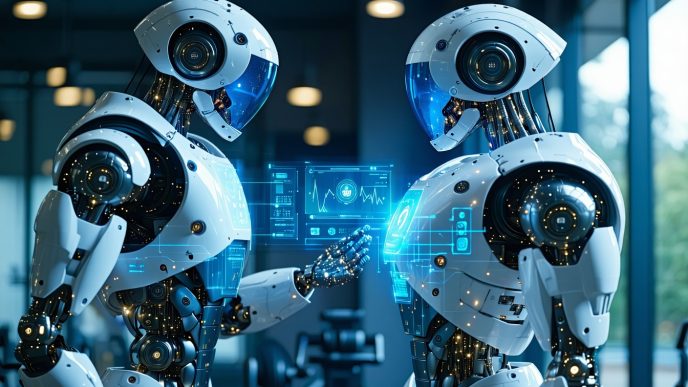
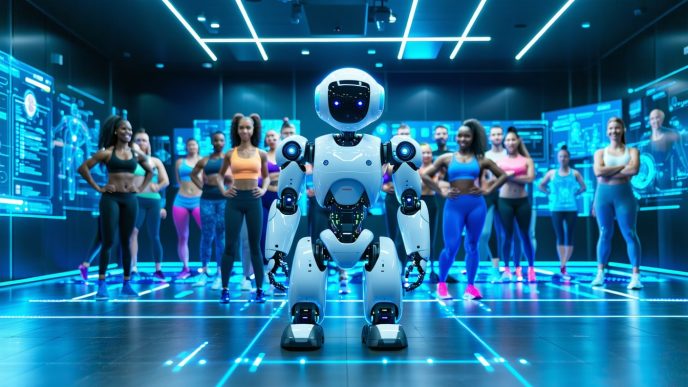
The integration of robotics into the realm of physical support has gained significant momentum over the years. As technology advances, the evolution of robots designed for fitness and physical assistance has reshaped how individuals approach mobility, exercise, and rehabilitation.
Evolution of Robotics in Fitness and Physical Assistance
The journey of robotics in fitness can be traced back several decades. Initially, robots were largely confined to industrial applications. However, advancements in technology, artificial intelligence, and machine learning have broadened their capabilities, particularly in personal fitness and rehabilitation.
Early robotics focused on convenience and basic assistance. Over time, developments led to the introduction of sophisticated solutions equipped with sensors and feedback systems, enabling them to adapt to user movements and requirements. Fitness and physical assistance robots now cover a range of functionalities tailored to various needs, including: 
| Stage of Evolution | Description |
|---|---|
| Basic Assistance | Early robotics providing simple mobility support. |
| Sensor Integration | Robots equipped with sensors to monitor activity levels. |
| AI-Driven Support | Advanced robots utilizing AI for personalized fitness programs. |
| Rehabilitation Focus | Robots specifically designed for physical therapy and recovery. |
As these technologies progressed, their applications expanded to include robots designed to assist the elderly in maintaining mobility and independence. This shift signals a significant leap toward personalized care solutions tailored to individual fitness and rehabilitation needs.
Role of Robots in Enhancing Mobility
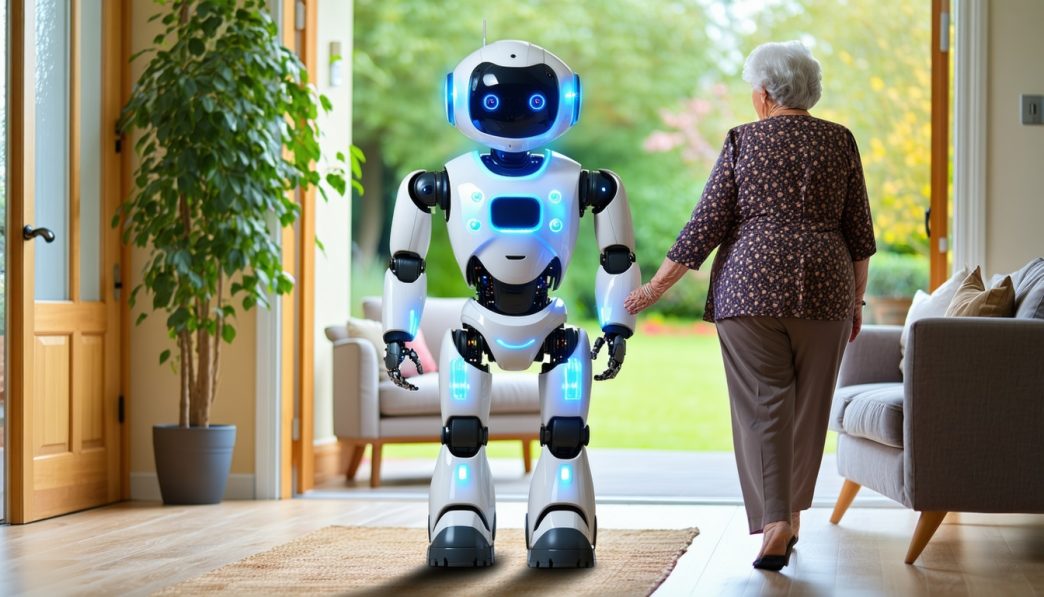
Robots play a crucial role in enhancing mobility for various populations, particularly the elderly. The introduction of robots dedicated to mobility assistance empowers seniors and individuals recovering from injuries to regain confidence and autonomy in their daily activities.
Robotic solutions such as assistive walking robots have been instrumental in providing support while walking, offering stability, and helping users develop a more secure gait. The intelligent systems allow for real-time feedback, which can be integral in adjusting support based on the user’s specific movements.
In addition, robots designed for physical therapy are becoming increasingly prevalent. These devices can assist users with tailored exercises to improve strength, flexibility, and balance. For more information on how these robots are reshaping recovery, refer to our article on robots for physical therapy.
The collaborative nature of these robotic systems facilitates a supportive environment that encourages proactive engagement in fitness and rehabilitation. As further innovations emerge, the use of robot personal trainers and advanced assistive technology continues to redefine mobility assistance, paving the way for healthier aging and recovery processes.
The rise of robotic assistance presents a promising future, particularly regarding how technology can support mobility for aging populations and others needing physical help. For a comprehensive overview of emerging robotics in fitness, read about the future of fitness robotics.
Robotic Solutions for Balance Walking
Robots have emerged as significant aids for individuals requiring assistance with mobility, especially seniors. These robotic solutions provide essential support for balance and walking, contributing to improved safety and independence.
How Robots Support Walking Balance
Robots designed for enhancing walking balance employ various mechanisms to assist users. These devices often include sensors and intelligent technology that detect the user’s movement patterns and overall stability. By analyzing this data, such robots can adjust their support dynamically to provide optimal balance assistance.
Some common features in these systems include:
- Sensors: Detect shifts in weight and movement, allowing the robot to respond in real-time.
- Stabilizing Mechanisms: Enable the robot to adjust its position, providing support during uneven surfaces or sudden movements.
- User-Friendly Interfaces: Allow seniors to interact easily, tailoring the assistance to individual needs.
The use of assistive walking robots has shown promising outcomes in clinical studies, decreasing the risk of falls and enhancing mobility. A summary of the effectiveness of these robots can be found in the table below.
| Feature | Impact on Balance Walking |
|---|---|
| Weight Distribution Sensors | Improved real-time balance support |
| Adjustable Stabilizers | Enhanced safety on various terrains |
| Feedback Mechanisms | Boosted confidence and independence |
Benefits of Robotic Assistance for Seniors
The incorporation of robotic technology into mobility assistance offers multiple advantages for seniors. Some of these benefits include:
- Enhanced Mobility: Robots facilitate smoother movement, enabling seniors to walk longer distances safely.
- Increased Confidence: With reliable robot assistance, users may feel more secure, reducing anxiety related to falling.
- Promoting Independence: Robots enable seniors to perform daily activities without constant human assistance.
The following table highlights some key benefits of robotic mobility aid for older adults:
| Benefit | Description |
|---|---|
| Safety | Reduced risk of falls through direct support |
| Autonomy | Encouragement of independent living |
| Motivation | Increased engagement in physical activity |
| Improved Quality of Life | Enhanced ability to participate in social and recreational activities |
As seniors look for innovative ways to enhance their mobility, robotic solutions present a valuable resource. These advancements signify a shift in how technology can be integrated into everyday life for improved health and wellness. For additional insights into how such robots are utilized, see our articles on fitness and physical assistance robots and robots for physical therapy.
Safety Features in Robotic Mobility Assistance
In the realm of robotic mobility assistance, safety is a paramount concern. Robotic systems designed for aiding movement incorporate advanced features to help prevent falls and monitor users in real-time. These technologies are vital for ensuring the well-being of seniors and individuals recovering from injuries.
Fall Prevention Technology
Fall prevention is a key feature of robots designed for elderly mobility assistance. Many robotic systems employ innovative technologies that detect potential fall risks and actively help users maintain their balance.
Some commonly used fall prevention technologies include:
| Technology Type | Description |
|---|---|
| Computer Vision | Cameras and sensors analyze surroundings, identifying obstacles and potential hazards. |
| Stability Sensors | Sensors embedded in the robot detect shifts in weight or balance, providing immediate support. |
| Adaptive Feedback Systems | Robots offer real-time guidance or corrective measures, adjusting support as needed based on user movements. |
| Emergency Response | Many systems are equipped with alert features that notify caregivers or emergency services if a fall occurs. |
These advancements in fall prevention help seniors and those with mobility challenges feel more secure when navigating their environments.
Real-time Monitoring and Support Systems
Real-time monitoring systems are another critical component of robotic mobility assistance. Robotic devices often include features that continuously assess a user’s condition and surroundings.
Features may include:
| Monitoring Feature | Benefits |
|---|---|
| Health Monitoring Systems | Track vital signs such as heart rate and mobility patterns, alerting users or caregivers to potential issues. |
| GPS Tracking | Ensures users can be located in case they wander or experience difficulties. |
| Communication Systems | Allows seamless contact between users and caregivers, providing immediate support during emergencies. |
| Activity Logs | Keeps detailed records of activities and mobility, helping to tailor physical therapy or exercises accordingly. |
These systems not only enhance safety but also provide valuable data for rehabilitation, allowing for adaptive care strategies. For more on robotic applications in rehabilitation, visit our article on robots for physical therapy.
Incorporating these safety features into robotic mobility assistance offers substantial benefits for aging populations and individuals with varying mobility needs. For additional insights into the latest advancements, explore our piece on the future of fitness robotics.
Personalized Care and Support
As the demand for robotic assistance continues to grow, the focus on providing personalized care for seniors has become a pivotal aspect of this technology. Robots designed for elderly mobility assistance are being developed to address specific needs and preferences, ensuring that seniors receive optimal support tailored to their unique requirements.
Customized Assistance for Seniors
Robots for elderly mobility assistance are equipped with advanced algorithms that allow them to personalize their help based on individual health conditions, mobility challenges, and activity levels. These robots can assess a senior’s physical abilities and provide custom-tailored support during exercises or daily activities, promoting confidence and independence.
A study showed the effectiveness of customized robotic assistance:
| Customization Feature | Impact on Seniors (%) |
|---|---|
| Enhanced Mobility | 87% |
| Increased Confidence | 78% |
| Improved Quality of Life | 82% |
This personal approach helps motivate seniors, encouraging them to engage in regular physical activity and maintaining a healthy lifestyle. For more on how innovative designs can assist with physical activity, see our article on fitness and physical assistance robots.
Adaptive Technology for Varied Mobility Needs
Adaptive technology plays a vital role in ensuring that robots can accommodate the diverse mobility needs of seniors. Features such as adjustable settings, responsive sensors, and user-friendly interfaces enable these robots to modify their assistance according to the user’s physical and emotional states.
Robots can be programmed to support various mobility needs, such as:
| Mobility Need | Robot Features |
|---|---|
| Limited Range of Motion | Assistive walking robots, support handles |
| Post-surgery Rehabilitation | Robots for physical therapy, personalized training |
| Fall Risk Management | Real-time monitoring, stability support |
Such adaptive solutions enable seniors to receive help specific to their situation, making robotic assistance not only functional but also practical for everyday use. For insights into specific types of robots designed for various restrictions, refer to our article on assistive walking robots.
The integration of personalized care and adaptive technology highlights the potential of robots in enhancing mobility and safety for seniors, supporting their independence while addressing their specific needs. For further understanding of how robots can motivate active lifestyles, explore our articles on robot personal trainers and robot companions for fitness tracking.
Integration into Daily Life
The integration of robotic assistance into daily life has transformed the way seniors and individuals undergoing rehabilitation can maintain their fitness and mobility. By incorporating robots into home gyms and rehab centers, users can experience enhanced support, improved outcomes, and increased independence.
Incorporating Robotic Assistance in Home Gyms
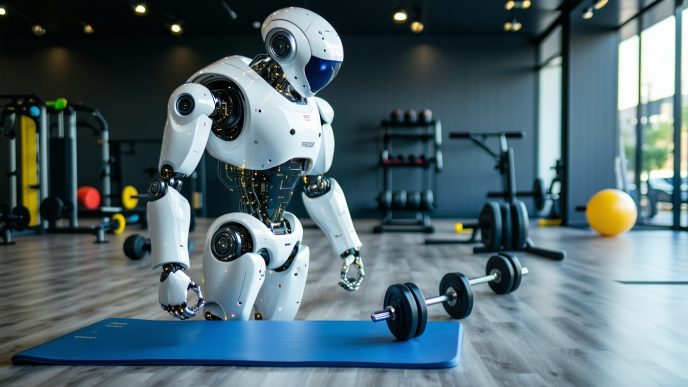
Home gyms equipped with robotic assistance can provide a tailored workout experience for individuals. These robots can assist with exercises, monitor performance, and offer real-time feedback. With the right technology, seniors can engage in safe and effective workouts, enhancing strength and balance.
| Type of Robotic Assistance | Benefits | Examples of Use |
|---|---|---|
| Robot Personal Trainers | Provides guidance and motivation | Interactive workout sessions |
| Assistive Walking Robots | Supports balance during exercises | Walking and mobility training |
| Robot Stretching and Massage Systems | Aids in recovery and flexibility | Post-workout sessions |
In addition to their physical benefits, robotic systems can help monitor user progress, ensuring that individuals stay on track with their fitness goals. For further insights, explore our article on robot personal trainers.
Potential Applications in Rehab Centers
Rehabilitation centers are increasingly adopting robotic technologies to aid recovery. Robotics can provide tailored exercise regimens for patients recovering from injuries, strokes, or surgery. These solutions enhance mobility, making therapy more engaging and effective.
| Type of Rehabilitation Robot | Benefits | Potential Applications |
|---|---|---|
| Exoskeleton Robots | Enhances mobility for rehabilitation | Walking exercises for patients with severe mobility issues |
| Robots for Physical Therapy | Facilitates targeted treatment | Strengthening exercises for post-operative recovery |
| Assistive Walking Robots | Helps relearn walking patterns | Balance training for fall prevention |
The use of robotics in rehab centers not only supports patients physically but also improves their psychological well-being through interactive and engaging therapy. For more on this topic, refer to our article on robots for physical therapy.
By incorporating robots into home gyms and rehab centers, individuals can experience a holistic approach to fitness and rehabilitation, fostering independence and enhancing mobility quality.
Future Trends and Innovations
Advancements in Robotic Mobility Technology
The field of robotic mobility technology is rapidly evolving, driven by advancements in artificial intelligence, machine learning, and sensor technology. These innovations have significant implications for the development of effective robots for elderly mobility assistance. One key area is the integration of smart sensors, which allow robots to detect environmental obstacles and adapt in real-time, enhancing safety during mobility.
Another trend involves the development of adaptive algorithms that enable robots to learn an individual’s walking patterns and preferences. This personalized approach can greatly improve user experience and effectiveness. Additionally, the integration of telehealth capabilities into robotic systems permits remote monitoring and adjustments, providing continuous support for seniors without requiring in-person visits.
| Recent Advancements | Description |
|---|---|
| Smart Sensors | Detect obstacles and adjust paths in real-time. |
| Adaptive Algorithms | Learn and personalize assistance based on user behavior. |
| Telehealth Integration | Allows remote monitoring of users’ conditions and adjustments to support. |
Possibilities for Enhanced Support in Aging Populations
The continued innovation in robotic technology presents an array of possibilities for improved support among aging populations. Robots designed for elderly mobility assistance can be tailored to not only help with walking but also to support daily tasks, from medication reminders to physical therapy exercises.
Future robots may incorporate enhanced robot companions for fitness tracking, providing motivation and encouraging adherence to exercise regimens. Furthermore, the development of exoskeleton robots for fitness could support strength training and rehabilitation efforts, facilitating recovery and improving physical health.
| Potential Applications | Benefits |
|---|---|
| Robot Companions | Encourage active lifestyle and adherence to fitness plans. |
| Exoskeleton Robots | Assist in strength training and recovering physical abilities. |
| Mobility Assistants | Enhance independence through help with daily activities. |
The integration of these technologies not only aligns with the needs of the aging population but also highlights the potential for a more active and engaging lifestyle. As these innovations unfold, they will likely revolutionize the landscape of fitness and physical assistance, addressing the unique challenges faced by seniors more effectively. For further insights into the role of robotics in this field, explore topics such as fitness and physical assistance robots and future of fitness robotics.