


The Fusion of Robotics and Fitness
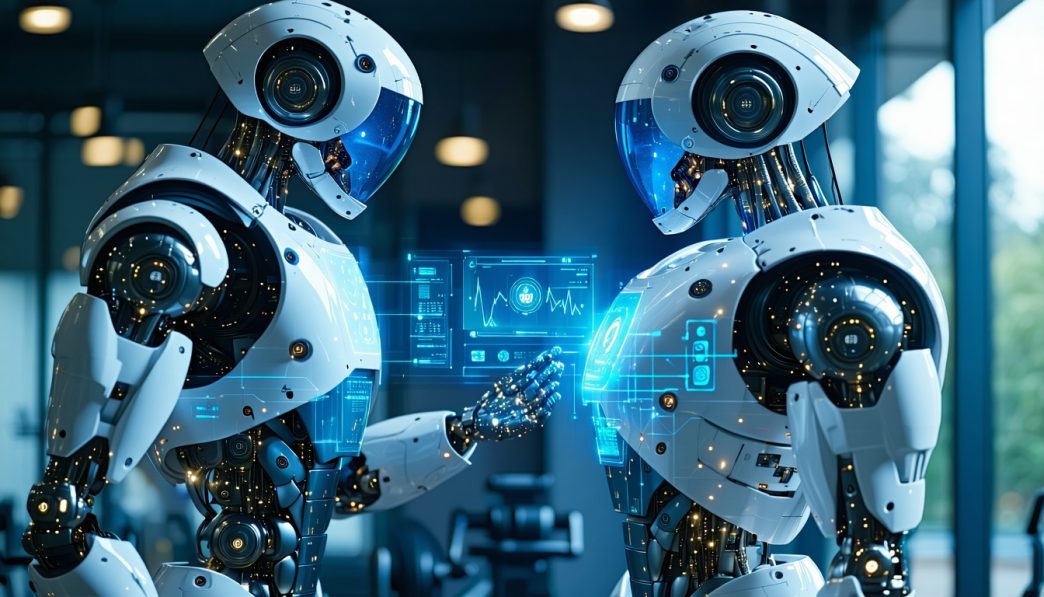
Fitness and technology are merging through the development of robotics, which is transforming how individuals approach their fitness goals. This fusion of robotics and fitness not only enhances performance but also offers personalized support to users.
Harnessing Technology for Fitness Goals
Robotics offers innovative solutions for tracking fitness progress and achieving personal health objectives. Robotics in fitness allows for precise data collection, enabling tailored training regimes. By integrating sensors and artificial intelligence, robots can provide real-time feedback on performance and form.
The following table outlines some key benefits of using robotic technologies in fitness: 
| Feature | Benefit |
|---|---|
| Real-Time Feedback | Immediate course corrections to improve technique |
| Personalized Plans | Customizable routines tailored to individual needs |
| Data Tracking | Long-term progress monitoring to adjust training plans |
| Motivation | Encouragement through virtual trainers and companions |
Role of Robots in Monitoring and Supporting Fitness
Robot companions play a vital role in monitoring physical activity and providing support during workouts. These robotic systems can help users stay accountable to their fitness regimes by offering reminders, tracking daily steps, and logging workout sessions.
For individuals recovering from injuries, the role of robots becomes even more significant. They are designed to offer assistance during rehabilitation, guiding users through specific exercises prescribed by healthcare professionals. For more information on this application, refer to our article on robots for physical therapy.
Robotic personal trainers can adapt their guidance based on progress and performance levels, creating a supportive and responsive training environment. These systems not only cater to fitness enthusiasts but also address the needs of aging populations and individuals requiring mobility assistance.
For individuals interested in fitness mobility, technologies like assistive walking robots and exoskeleton robots for fitness are paving the way for enhanced independence and movement.
With the continual advancements in this field, the impact of robotics on personal fitness is set to expand, offering users tailored experiences that enhance their overall health and well-being. For more insights into the evolution of this technology, explore our article on the future of fitness robotics.
Robotic Personal Trainers
The integration of robots into fitness routines has opened new avenues for achieving exercise goals. Robotic personal trainers can offer virtual coaching and tailored workout plans to enhance physical fitness effectively.
Virtual Coaching and Feedback
Robotic personal trainers provide real-time virtual coaching, helping individuals improve their exercise techniques. Through advanced sensors and algorithms, these robots can closely monitor users during workouts, offering immediate feedback on form and performance.
The coaching can include:
| Coaching Aspect | Function |
|---|---|
| Immediate Feedback | Corrections on posture and movements |
| Motivational Support | Encouragement during workouts |
| Progress Tracking | Real-time updates on workout achievements |
By leveraging technology, individuals can benefit from having a personal coach at their fingertips. This continual support can be especially useful for adults who may be new to fitness or those recovering from injuries. The guidance from robotic trainers fosters a more effective and safe workout environment, leading to increased confidence and motivation.
Personalized Workout Plans
One of the significant advantages of robotic personal trainers is their ability to create customized workout plans tailored to individual fitness levels and goals. These plans can take into account various factors, such as age, fitness experience, and specific physical conditions.
Considerations for personalized workout plans might include:
| Factor | Impact on Workout Plan |
|---|---|
| Fitness Level | Adjustments for beginners versus advanced users |
| Health Status | Modifications for individuals recovering from injuries |
| Goals | Specific plans for weight loss, strength training, or rehabilitation |
The versatility and adaptability of robotic trainers make them valuable for all adults, particularly those interested in fitness and physical assistance robots. This personalized approach encourages commitment to fitness routines and helps users progress at their own pace, ensuring that each individual receives the support they need for successful outcomes.
Using robots for fitness tracking, individuals can embark on their fitness journeys with a high degree of confidence and personalization, leading to lasting healthy habits.
Fitness Tracking with Robots
As the integration of technology and fitness evolves, robots play a pivotal role in tracking individual progress and performance during workouts. This section explores how robotic systems enhance the efficiency and effectiveness of fitness tracking.
Monitoring Progress and Performance
Robots designed for fitness tracking utilize advanced sensors and algorithms to monitor various performance metrics during workouts. These metrics may include heart rate, calories burned, workout intensity, and overall fitness level. By providing real-time feedback, robot companions assist users in maintaining proper form and maximizing their workout efficiency.
The following table outlines common metrics monitored by fitness robots:
| Performance Metric | Description |
|---|---|
| Heart Rate | Measures cardiovascular performance and intensity levels. |
| Calories Burned | Calculates energy expenditure during exercises. |
| Workout Duration | Tracks how long a user exercises in a single session. |
| Repetitions and Sets | Counts the number of completed repetitions and sets for strength training. |
With this data, individuals can adjust their routines for optimal results, ensuring they stay on track to meet their personal fitness goals.
Data Collection and Analysis
The data collected by robotic fitness companions is analyzed to provide deeper insights into a user’s fitness journey. By aggregating information over time, robots identify trends and patterns, enabling users to see their progress visually through graphs or statistics.
Key insights may include:
- Improvements in cardiovascular health
- Increases in strength and endurance
- Areas needing more focus or improvement
This analytical capability allows users to receive personalized recommendations directly from their robots, tailoring fitness plans to their specific needs and capacities. For more information about the role of these systems in physical therapy and rehabilitation, refer to our article on robots for physical therapy.
As fitness technology advances, integrating robots for data collection and performance monitoring will become essential in promoting healthier lifestyles for individuals of all ages, including those using assistive walking robots and other forms of fitness and physical assistance robots.
Robot Companions for Rehabilitation
Robots are becoming invaluable allies in supporting rehabilitation efforts, particularly for those recovering from injuries or managing physical impairments. This section will delve into how robot companions assist in injury recovery and provide physical therapy support.
Support for Injury Recovery
Robot companions play a significant role in the rehabilitation process for individuals recovering from various injuries. They offer tailored support to ensure that recovery is safe and effective. Here are some key functions these robots provide during injury recovery:
| Function | Description |
|---|---|
| Guided Exercises | Robots can provide step-by-step instructions for specific rehabilitation exercises, ensuring proper form and technique. |
| Real-Time Feedback | They can offer immediate feedback on performance, helping users understand and correct their movements. |
| Progress Monitoring | Robots can track progress over time, enabling users and healthcare providers to assess recovery and make informed decisions on treatment plans. |
These features help to enhance compliance with rehabilitation exercises and ultimately contribute to faster recovery. For further information on how robots are implemented in physical rehabilitation, explore our article on robots for physical therapy.
Physical Therapy Assistance
Robotic companions are not only helpful for injury recovery but also serve as effective assistants in physical therapy sessions. Their ability to augment traditional therapy techniques provides several benefits, including:
| Benefit | Description |
|---|---|
| Personalized Therapy Sessions | Robots can adapt exercises based on the user’s capabilities, ensuring a personalized approach to physical therapy. |
| Enhanced Engagement | Engaging robots in therapy can increase motivation and participation in rehabilitation exercises. |
| Safety in Movement | They can help support patients in maintaining balance and stability, reducing the risk of falls or further injuries. |
The integration of robots in physical therapy promotes more effective treatment protocols and can lead to improved patient outcomes. Individuals looking to understand more about robotic assistance in therapy should consider reading about assistive walking robots and robot stretching and massage systems.
Robot companions not only aid in recovery but also bring a new level of innovation to rehabilitation practices, making the journey to recovery more efficient and accessible. Those interested in the broader applications of robotics in fitness and therapy may want to look into fitness and physical assistance robots and the future of fitness robotics.
Home Gyms of the Future
Home gyms are evolving with the integration of robotics, making fitness more accessible and personalized for individuals of varying ages and abilities. This advancement allows users to engage in effective workouts within the comfort of their homes while benefiting from the smart technology of robot companions for fitness tracking.
Integration of Robotics in Home Fitness
Robotic technology can seamlessly integrate into home fitness environments by providing personalized coaching, support, and real-time feedback. This technology can enhance traditional workouts and facilitate unique training experiences.
Types of robots commonly utilized in home gyms include:
| Type of Robot | Functionality |
|---|---|
| Robot Personal Trainers | Offers virtual coaching and technique correction |
| Fitness Tracking Robots | Monitors performance and tracks progress |
| Robotic Stretching Systems | Provides guided stretching routines |
These robotic companions not only offer innovative ways to engage in physical activities but also adapt to individual fitness levels, ensuring a tailored workout experience. For example, robot personal trainers can assess users’ movements and suggest modifications, fostering proper form and minimizing the risk of injury. For more on this, refer to our article on robot personal trainers.
Convenience and Accessibility
The convenience of having a robotic fitness assistant at home cannot be overstated. Individuals can work out according to their own schedules without the need to travel to a gym. This is especially beneficial for aging populations and those recovering from injuries, as they can access tailored workout programs and rehabilitation support in a familiar environment.
Robots designed for fitness can also be equipped with features that include:
| Feature | Benefits |
|---|---|
| Remote Workouts | Access to global trainers without travel |
| Progress Tracking | Real-time data for performance improvements |
| Adaptive Programs | Adjusts difficulty based on user progress |
The accessibility provided by home gym robotics encourages consistent engagement with fitness routines. Many users find that it enhances their motivation to stay active. As these technologies evolve, they contribute significantly to the future of fitness, as outlined in our article on the future of fitness robotics.
In summation, the integration of robotics into home fitness setups offers unprecedented comfort, accessibility, and personalization, making fitness goals more attainable for a diverse range of individuals.
The Future of Fitness Support
Advancements in Robotic Fitness Technology
The landscape of fitness and rehabilitation is rapidly changing due to advancements in robotic technology. These innovations have led to the development of sophisticated robot companions for fitness tracking, personal training, and physical assistance. The technology is evolving to incorporate artificial intelligence, machine learning, and real-time data analytics, enhancing the effectiveness of robotic fitness support.
| Technology Advancement | Description |
|---|---|
| AI Integration | Robots now use AI to analyze user performance and adjust training regimens accordingly. |
| Enhanced Sensors | Improved sensors enable robots to gather precise biometric data, such as heart rate and muscle activity. |
| Adaptive Learning | Machine learning algorithms allow robots to adapt fitness programs based on user progress and preferences. |
| User Interfaces | More intuitive interfaces provide simpler interactions, allowing users to control and customize their fitness experience easily. |
As these advancements continue, more sophisticated capabilities will emerge, such as virtual reality integration for immersive fitness experiences. With innovations like these, the limitations of traditional fitness equipment will be overcome, providing users with comprehensive, personalized support.
Potential Impact on Fitness Industry
The integration of robotic technology into fitness will significantly impact the industry, making fitness more accessible and engaging for diverse populations. This shift could change how individuals approach their health and wellness, especially for aging populations and those recovering from injuries.
| Impact Area | Potential Benefits |
|---|---|
| Increased Accessibility | Robots tailored for mobility assistance can help those with physical limitations engage in regular fitness activities. |
| Enhanced Rehabilitation | Robots designed for therapy can support injury recovery, allowing individuals to regain strength efficiently. For more information, see our article on robots for physical therapy. |
| Motivation and Engagement | Robotics will introduce fun, interactive elements into workouts, keeping users motivated. The role of robot personal trainers is expected to grow as technology advances. |
| Data-Driven Wellness | The ability to collect and analyze performance data in real time can lead to more informed decision-making regarding fitness regimes. |
The future of fitness robotics promises a more inclusive and effective approach to health and wellness. As technology continues to evolve, its impact will likely reshape fitness norms, providing improved support for a broader range of users. As options such as exoskeleton robots for fitness and robot stretching and massage systems become prevalent, the synergy between technology and fitness will facilitate new ways for individuals to meet their health goals. The potential is vast, ensuring a promising future ahead in fitness support.


