Robotic Assistance in Fitness and Wellness
Introduction to Robotics for Flexibility and Muscle Recovery
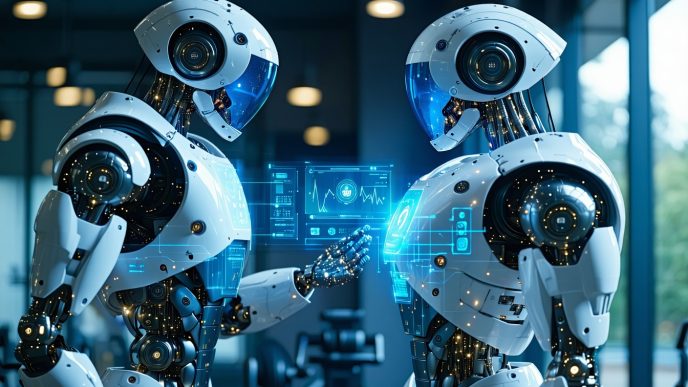
Robotic technology has increasingly found its way into fitness and wellness sectors, particularly in enhancing flexibility and facilitating muscle recovery. These advanced systems provide tailored support for individuals seeking to improve their physical health and mobility. Robotic stretching and massage systems are prominent tools in this innovation, adept at offering assistance through automated movements and specialized techniques.
As an increasing number of adults, particularly those aged 30-70, embrace the benefits of these systems, they are discovering that robotic assistance can serve diverse needs, ranging from injury rehabilitation to enhancing fitness routines. Fitness and physical assistance robots are taking a central role in the modern approach to wellness.
Role of Robots in Enhancing Fitness and Recovery
The integration of robots in fitness and muscle recovery regimes provides several advantages. Below is a summary of how these systems facilitate improved physical outcomes for users. 
| Benefit | Description |
|---|---|
| Enhanced Flexibility | Robotic systems focus on precise stretching techniques, improving range of motion effectively. |
| Accelerated Muscle Recovery | Automated massage functions help reduce soreness and speed up recovery processes after workouts. |
| Personalized Programs | Users can customize treatment plans based on individual fitness levels and recovery needs. |
| Increased Engagement | Interactive robots motivate individuals to maintain consistent workout and wellness routines. |
| Accessibility for Various Users | Suitable for aging populations, injured athletes, and tech-savvy fitness enthusiasts alike. |
Robots also play a significant role in rehabilitation settings, providing consistent therapy through programmable routines that can accommodate various rehabilitation goals. Adaptive systems can cater to users recovering from injuries or surgeries, ensuring that recovery processes are both efficient and effective. Those interested in the use of robots for rehabilitation can explore robots for physical therapy for more insights.
In summary, robotic assistance is reshaping the fitness landscape by not only facilitating flexibility and recovery but also enhancing overall health through technology-driven engagement and support. As adults increasingly demand innovative solutions for their fitness journeys, these robots stand out as essential tools in contemporary wellness practices.
Stretching and Massage Systems
Robotic technologies have revolutionized the approaches to flexibility and muscle recovery through advanced stretching and massage systems. These machines offer new methods for enhancing overall wellness and assist individuals in maintaining their physical health.
How Robotic Stretching Systems Work
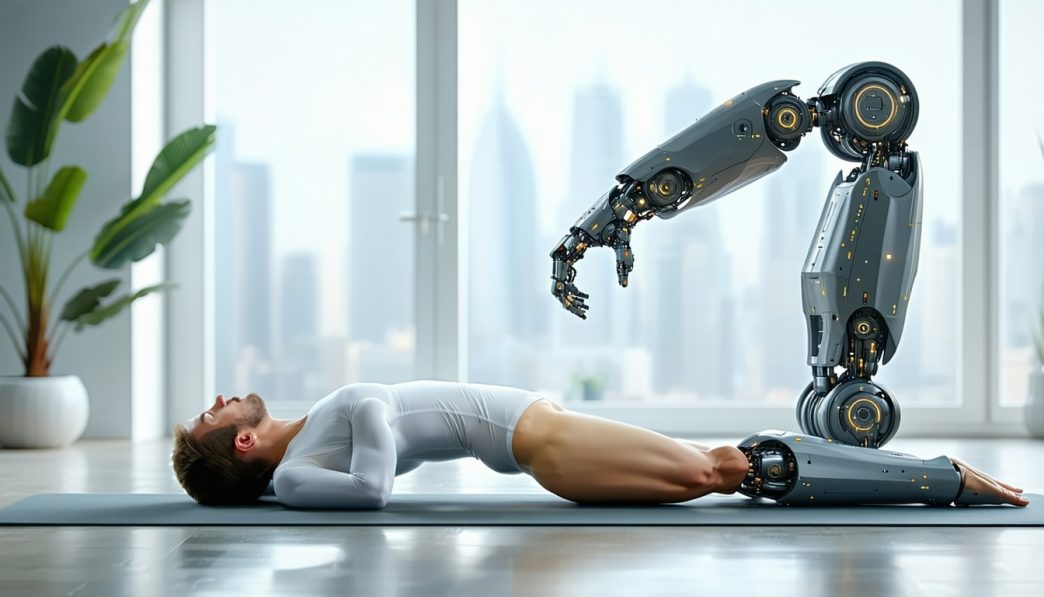
Robotic stretching systems utilize precision sensors and automated mechanisms to perform controlled stretching maneuvers. Users can input their specific flexibility goals or select predefined routines tailored to their needs. The system then guides the user through a series of stretches, adjusting angles and pressure to optimize muscle elongation while minimizing discomfort.
Key features of robotic stretching systems include:
| Feature | Description |
|---|---|
| Automated Movement | The system moves limbs through a range of motion, ensuring consistent stretching. |
| Adjustable Intensity | Users can customize the intensity of stretches to match their flexibility levels. |
| Feedback Mechanisms | Integrated sensors provide real-time feedback on muscle tension and range of motion. |
These systems are particularly beneficial for individuals recovering from injuries or those looking to improve their flexibility safely.
Benefits of Robotic Massage Systems
Robotic massage systems provide therapeutic benefits by replicating various massage techniques, such as kneading, tapping, and rolling. These systems can offer targeted relief for sore muscles and alleviate tension throughout the body.
Some of the key advantages include:
| Benefit | Description |
|---|---|
| Consistent Pressure | Robots deliver uniform pressure across muscle groups, which can enhance relaxation and effectiveness. |
| Customizable Settings | Users can select specific massage programs regarding duration, intensity, and technique. |
| Accessibility | Individuals with limited mobility can easily use these systems for self-care. |
Robotic massage systems have also been integrated into rehabilitation, helping users recover from muscle strain and improve overall physical well-being. For additional information on the application of robots in physical rehabilitation, refer to our article on robots for physical therapy.
Robotic stretching and massage systems represent a significant advancement in fitness and physical assistance, proving extremely valuable to individuals seeking to enhance their recovery and flexibility. For more details on how these technologies are used in various settings, explore additional resources on fitness and physical assistance robots.
Applications in Fitness and Therapy
The integration of robots into fitness and therapy has opened new avenues for enhancing well-being among various age groups. This section focuses on three key applications: the use of robots in home gyms, their introduction in rehab centers, and their support for personal mobility and independence.
Use of Robots in Home Gyms
Robots in home gyms facilitate personalized fitness experiences tailored to individual needs. These systems can provide assistance in flexibility training and muscle recovery, utilizing advanced algorithms to create customized workout plans. Many adults seeking to maintain fitness at home are turning to these innovative machines for a more engaging workout experience.
| Feature | Benefit |
|---|---|
| Customizable programs | Tailored to individual fitness levels |
| Real-time feedback | Immediate adjustments for effectiveness |
| Space efficiency | Compact designs ideal for home use |
For those interested in seamless support during their fitness journey, exploring fitness and physical assistance robots may offer valuable insights.
Introduction of Robots in Rehab Centers
Rehabilitation centers are increasingly adopting robotic systems to enhance recovery protocols for individuals who have experienced injuries or surgeries. Robots can assist in various therapeutic activities, ensuring that patients receive targeted care. They help in evaluating progress and adapting rehabilitation exercises to suit changing conditions.
| Rehabilitation Benefit | Description |
|---|---|
| Enhanced precision | Robots deliver consistent and accurate movements |
| Increased motivation | Interactive systems encourage patient engagement |
| Efficient monitoring | Regular assessments of patient progress |
For more information on how robotics is transforming therapy options, visit our article on robots for physical therapy.
Support for Personal Mobility and Independence
Robotic technology plays a significant role in aiding personal mobility, especially for aging individuals or those with mobility impairments. Assistive devices like exoskeletons and walking robots can help enhance mobility and allow users to perform daily activities more independently. By providing support and stability, these robots contribute to a higher quality of life.
| Type of Robot | Function |
|---|---|
| Assistive walking robots | Facilitate movement and support |
| Exoskeletons for fitness | Enhance strength during workouts |
| Robots for elderly mobility assistance | Help with daily activities |
For insights into mobility assistance, explore our article on assistive walking robots.
The applications of robotic assistance in fitness and therapy demonstrate the potential for transformative benefits. As technology advances, the future of these systems is promising, paving the way for improved outcomes in personal fitness, rehabilitation, and overall well-being. For a look at upcoming trends in this field, check out our article on the future of fitness robotics.
Advantages of Robot-Assisted Recovery
The integration of robotic systems into fitness and recovery processes offers numerous benefits. These innovations allow for targeted movements, personalized programs, and advanced monitoring that support overall wellness.
Targeted and Precise Movements
One of the primary advantages of robot-assisted recovery is the capability of these systems to provide targeted and precise movements. Robotic machines are designed to follow specific patterns and movements that are tailored to individual needs. This precision enhances effectiveness and safety, particularly in rehabilitation settings.
| Type of Robot System | Movement Type | Targeted Areas |
|---|---|---|
| Robotic Stretching Systems | Static and dynamic stretches | Muscle groups requiring flexibility |
| Robotic Massage Systems | Various massage techniques | Muscle soreness and tension relief |
Personalized Programs for Individuals
Another key benefit of robotic assistance is the ability to create personalized programs tailored to each individual’s recovery and fitness goals. By assessing the specific needs of a user, these systems can adjust exercise regimens accordingly. This customization is especially beneficial for aging populations or individuals recovering from injuries.
| User Profile | Program Focus | Customization Features |
|---|---|---|
| Aging Adults | Flexibility and mobility | Adjusts intensity and duration |
| Injury Recovery | Rehabilitation exercises | Tracks progress and adjusts based on feedback |
| Fitness Enthusiasts | Strength training | Targets specific muscle groups and goals |
Remote Monitoring and Progress Tracking
Robotic systems also provide advanced features for remote monitoring and tracking progress. This capability allows individuals to receive constant updates on their recovery or fitness journey. Such features enhance motivation and accountability, making it easier to stick with a fitness routine.
| Monitoring Feature | Description | Benefits |
|---|---|---|
| Activity Tracking | Monitors exercises performed and progress made | Provides data for personalized program adjustments |
| Remote Consultations | Allows healthcare or fitness professionals to review progress | Offers accountability and support between sessions |
| Data Analysis | Collects and analyzes user data over time | Identifies trends and areas for improvement |
The advantages of robot-assisted recovery make these systems a valuable tool for those looking to enhance their fitness and recovery experiences. By utilizing targeted movements, personalized programs, and advanced monitoring features, individuals can maximize their potential for improved health and wellness. For more insights into robotic systems in fitness, consider exploring topics such as fitness and physical assistance robots and robots for physical therapy.
Integration of Technology in Wellness
As robotic technology continues to advance, the integration of these systems into fitness and wellness is becoming more prevalent. This section explores future trends in robotic assistance and the challenges associated with their adoption.
Future Trends in Robotic Assistance
The future of robotic assistance in fitness includes several promising trends that could reshape how individuals approach exercise and recovery. These advancements may enhance efficiency, personalization, and accessibility in fitness regimens. Key trends include:
| Trend | Description |
|---|---|
| AI Integration | Artificial Intelligence will enable robots to better analyze user data and tailor programs for individual needs. |
| Telehealth Applications | Remote consultations using robots may become common, allowing users to interact with fitness professionals without leaving home. |
| Wearable Technology | Integration with wearable devices will enhance data collection on movement and health metrics, improving recovery processes. |
| Increased Variety of Devices | An expansion of robot stretching and massage systems, including devices designed for specific activities like yoga or pilates. |
| Social Engagement Features | Robots that facilitate group exercises or foster community connections will become increasingly popular. |
These future developments could significantly aid individuals seeking assistance in maintaining physical wellness, particularly benefiting aging populations and those recovering from injuries.
Challenges and Considerations in Adopting Robotic Systems
While the potential of robotic systems is clear, there are challenges that must be addressed:
| Challenge | Description |
|---|---|
| Cost of Implementation | The initial investment for robotic systems can be significant, which may limit accessibility for some users. |
| User Acceptance | There may be resistance or mistrust from individuals unfamiliar with robotics or technology in personal health. |
| Safety Concerns | Ensuring that robotic systems are safe and do not cause injury during use is paramount. Development of robust safety protocols is necessary. |
| Training Requirements | Users may need guidance on how to effectively use robotic systems for optimal results, requiring training resources to be developed and made accessible. |
| Integration with Existing Systems | Robotic systems must be compatible with other technologies in fitness and health monitoring to provide a seamless user experience. |
Addressing these challenges is essential for stakeholders in the industry to facilitate smoother adoption of robot-assisted technologies in personal fitness and rehabilitation settings. For more insights into how robots are utilized in various aspects of fitness and therapy, refer to our articles on fitness and physical assistance robots and robots for physical therapy.