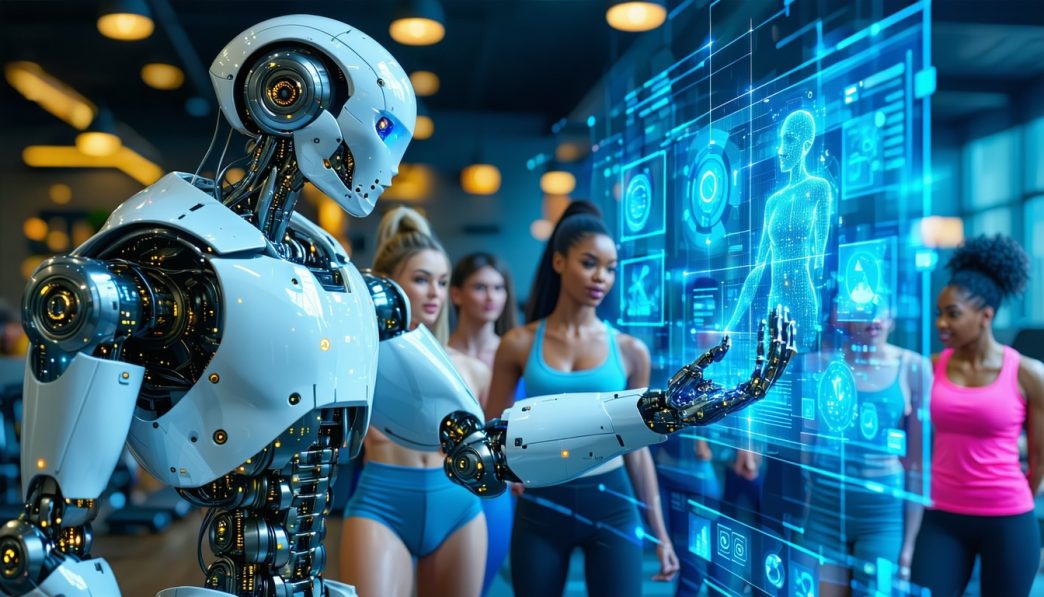
The Concept of Robotic Personal Trainers
Introduction to Robotic Assistance for Fitness
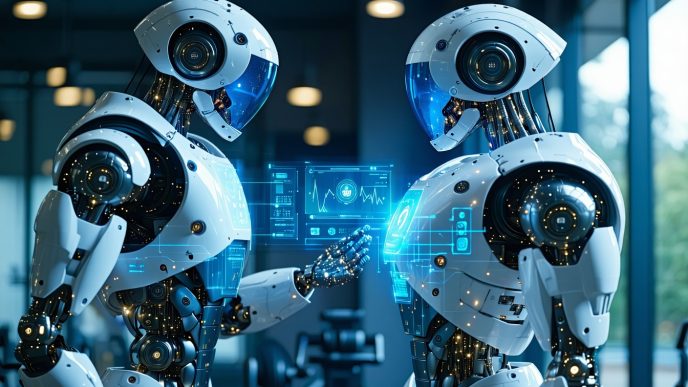
Robotic personal trainers are innovative technological solutions designed to assist individuals in achieving their fitness goals. These robots can range from simple devices providing guidance and encouragement to advanced systems capable of creating personalized workouts. With the increasing interest in health and fitness, the integration of robotic assistance offers a new dimension to traditional training methods.
Robotic trainers can serve various demographics, including aging populations, individuals recovering from injuries, and fitness enthusiasts looking for tech-led solutions. The main objective is to provide support, motivation, and expertise in a more accessible manner. For more information on the broader category of these devices, see our article on fitness and physical assistance robots.
Benefits of Using Robot Personal Trainers
Robot personal trainers offer numerous advantages that can enhance the fitness experience, especially for those seeking assistance and motivation. The following table outlines some key benefits: 
| Benefit | Description |
|---|---|
| Personalized Training | Robots can tailor workouts according to individual fitness levels, goals, and preferences. |
| Continuous Motivation | With built-in encouragement and reminders, robots can help users stay focused and committed. |
| Real-time Feedback | Many robots provide immediate feedback on performance, helping users improve their technique. |
| Flexibility and Convenience | Users can work out according to their own schedules without needing to book sessions with a trainer. |
| Enhanced Engagement | Interactive features create a more engaging workout environment, making fitness more enjoyable. |
| Safety Monitoring | Some robots are equipped to monitor safety and assist users to prevent injury during workouts. |
Robotic assistance in fitness is gradually transforming how individuals engage with their health routines. From robots for physical therapy to robot stretching and massage systems, these innovations deliver support and expertise, thereby fostering an improved approach to fitness.
Whether in home gyms, rehab centers, or for personal mobility support, robot personal trainers have the potential to enhance physical wellness for a wide range of users.
Types of Robot Personal Trainers
Robot personal trainers come in various forms, each designed to meet the specific needs of users in different environments. These include robotic personal trainers for home gyms, assistance in rehabilitation centers, and personal mobility support robots.
Robotic Personal Trainers in Home Gyms
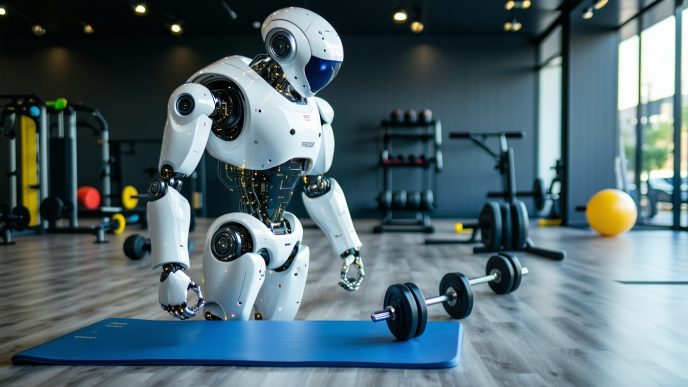
Robotic personal trainers for home gyms have gained popularity among fitness enthusiasts. These devices can provide workout guidance, track performance, and offer motivation during exercise sessions. They often feature interactive displays and can adjust workouts based on user feedback.
| Features of Home Gym Robots | Description |
|---|---|
| Workout Customization | Adapts workouts based on progress and goals. |
| Performance Tracking | Monitors activities, calories burned, and progress. |
| Feedback Systems | Provides real-time feedback on form and technique. |
For individuals interested in fitness and physical assistance robots, these robots can serve as a bridge between traditional fitness methods and advanced technology, enhancing the workout experience in a familiar environment.
Robot Assistance in Rehab Centers
In rehabilitation centers, robotic personal trainers play a crucial role in patient recovery. These robots are designed to assist individuals in regaining mobility and strength through guided exercises. They can simulate various physical activities and provide real-time adjustments to ensure safety and effectiveness.
| Benefits of Rehab Robots | Description |
|---|---|
| Personalized Therapy | Tailors rehabilitation exercises to individual needs. |
| Safety Monitoring | Ensures correct usage to prevent injury. |
| Progress Assessment | Tracks recovery milestones and adjusts routines accordingly. |
Robots for physical therapy are increasingly being integrated into therapy programs to enhance recovery for patients. More details can be found in our article on robots for physical therapy.
Personal Mobility Support Robots
Personal mobility support robots are designed to assist individuals who may have difficulty moving independently. These robots can help users navigate their environment, providing stability and support while promoting physical activity. They often feature functions like mobility tracking and reminders for physical exercises.
| Features of Mobility Support Robots | Description |
|---|---|
| Stability Assistance | Aids users in maintaining balance during movement. |
| Navigation Support | Helps users traverse difficult terrains. |
| Exercise Prompts | Encourages users to engage in physical activities. |
Such assistive devices, including assistive walking robots, can improve the quality of life for aging populations and those recovering from injuries. They facilitate movement while still allowing users to participate in physical activities.
The advancements in robotic personal trainers offer diverse solutions catering to different aspects of fitness and rehabilitation. Each type provides unique benefits that can enhance users’ physical capabilities and overall fitness experiences.
How Robot Personal Trainers Work
Robot personal trainers leverage advanced technology and interactive features to assist users in achieving their fitness goals. Understanding how these robotic assistants operate can help users maximize their benefits.
Technology Behind Robot Personal Trainers
Robot personal trainers are equipped with various technologies that allow them to provide effective guidance and support in fitness routines. Key components include:
| Technology Component | Function |
|---|---|
| Sensors | Measure user performance metrics such as heart rate, posture, and movement. |
| AI Algorithms | Analyze data to create personalized training plans based on user progress and needs. |
| Interactive Displays | Present workout routines, provide feedback, and display progress visually. |
| Connectivity | Sync with mobile devices and fitness apps for enhanced tracking and motivation. |
These technological components work together to create an integrated fitness experience. Sensors provide real-time feedback, allowing the robot to adjust workouts as needed. Additionally, advanced AI algorithms enable the robot to learn about a user’s preferences and adapt accordingly.
Interactive Features for Motivation
Incorporating interactive features is essential for enhancing motivation and maintaining engagement during workouts. Robot personal trainers often include:
| Interactive Feature | Description |
|---|---|
| Voice Instructions | Provide verbal prompts and encouragement throughout workouts. |
| Gamification | Introduce game-like elements, such as challenges and rewards, to make training fun and engaging. |
| Progress Tracking | Allow users to see their achievements, making it easier to set and reach goals. |
| Video Demonstrations | Show correct exercise techniques to ensure users perform moves safely and effectively. |
These features not only motivate users but also create a more engaging workout environment. For example, robots can set challenges that encourage users to push their limits or offer real-time feedback to improve form and technique. Users interested in exploring fitness and physical assistance robots can visit our page on fitness and physical assistance robots for more insights.
By utilizing advanced technology and interactive elements, robot personal trainers offer a comprehensive support system for individuals looking to improve their fitness outcomes. Fitness enthusiasts can consider these systems as valuable tools in their routines or recovery processes. For information on robots specific to physical therapy, explore our article on robots for physical therapy.
Considerations for Using Robot Personal Trainers
While the integration of robotic personal trainers into fitness routines offers numerous benefits, several considerations should be taken into account to ensure safe and effective use. These include safety measures, customization to meet individual fitness needs, and how these robotic assistants fit into existing workout regimens.
Safety Measures and Guidelines
Safety is paramount when utilizing robot personal trainers. It is essential for users to follow specific guidelines to prevent injuries and ensure a positive experience. Key safety measures include:
- Supervision: Users should have access to supervision, especially when using robots in rehabilitation settings or for those recovering from injuries. This helps monitor progress and address any issues that may arise.
- User Instructions: Following the robot’s user manual and instructions is critical for safe operation. This includes understanding the robot’s capabilities and limitations.
- Clear Space: The workout area should be free from obstacles to reduce the risk of accidents. Setting up the environment before engaging with a robot trainer can help facilitate a safer experience.
- Emergency Features: Many robots come equipped with emergency stop features. Users should familiarize themselves with these options in case of an unexpected situation.
| Safety Measure | Description |
|---|---|
| Supervision | Access to a trainer or coach for guidance |
| User Instructions | Adhering to the manual for proper use |
| Clear Space | Maintaining a tidy and obstacle-free environment |
| Emergency Features | Knowing how to stop the robot quickly |
Customization for Individual Fitness Needs
Customization is a significant advantage offered by robot personal trainers. These devices can adapt to users’ unique fitness objectives and physical capabilities, enhancing their workout experience. Important customization options include:
- Personalized Programs: Users can input their fitness levels, goals, and preferences, allowing the robot to create tailored workouts that adjust as the user progresses.
- Feedback Mechanisms: Many robots provide feedback based on performance, helping users understand areas that need improvement.
- Adaptive Features: Robots can adapt their routines based on the user’s fatigue levels or physical condition, offering modified exercises as needed.
- Data Tracking: Collecting and analyzing data over time enables users to see their progress and make informed adjustments to their routines.
| Customization Option | Description |
|---|---|
| Personalized Programs | Tailored workouts based on user input |
| Feedback Mechanisms | Performance responses to guide improvements |
| Adaptive Features | Modification of routines based on user condition |
| Data Tracking | Analysis of progress for informed adjustments |
Integration with Existing Fitness Routine
Successful incorporation of robot personal trainers into existing fitness plans enhances consistency and motivation. Considerations for integration include:
- Compatibility with Current Programs: Users should assess how the robot can complement their current exercises or therapies. This can vary widely, from adding robotic assistance during strength training to enhancing flexibility routines with experiences from robot stretching and massage systems.
- Variety of Activities: Introducing robotic trainers can introduce new forms of physical activities, appealing to users seeking diverse workout experiences.
- Tracking Progress: Integrating robots that also function as fitness trackers can provide insight into workout efficacy and facilitate adjustments for continuous improvement. Options for robotic companions for tracking goals are available at robot companions for fitness tracking.
| Integration Aspect | Description |
|---|---|
| Compatibility | Assessing how robots enhance existing workouts |
| Variety of Activities | Introducing new physical activities through robots |
| Tracking Progress | Utilizing robots for data-driven tracking |
By paying attention to safety, individual needs, and how robot personal trainers fit into an overall fitness strategy, users can maximize the benefits of robotic technology while maintaining a focus on health and wellness. For a deeper dive into the capabilities of robotic assistance, explore our articles on fitness and physical assistance robots and future of fitness robotics.
Future Trends in Robotic Fitness Assistance
The landscape of fitness is rapidly evolving, particularly with the emergence of robotic personal trainers. As advancements in technology continue to unfold, the integration of robotics into fitness routines has the potential to change the way individuals approach exercise and rehabilitation.
Advancements in Robotics for Fitness
Upcoming developments in robotics are focusing on creating more interactive and personalized experiences for users. Several key areas are currently seeing innovation:
| Advancement Area | Description |
|---|---|
| AI and Machine Learning | Enhanced algorithms are being developed to adapt to an individual’s performance and personalize training regimens. |
| Wearable Tech Integration | Future robots may include seamless connectivity with wearable devices, allowing for real-time monitoring of heart rate, muscle engagement, and overall health data. |
| Enhanced Mobility | Designs are prioritizing mobility, making robots more accessible for users with varying levels of physical ability. |
Further innovations include the use of exoskeleton robots for fitness, which can provide support during exercises, helping users maintain proper form and reduce the risk of injury. These advancements are aimed at making fitness more accessible, especially for populations such as the elderly or those recovering from injuries. For additional insights, visit our article on assistive walking robots.
Potential Impact on the Fitness Industry
The integration of robotic personal trainers into the fitness scene is anticipated to have significant effects:
| Impact Category | Potential Outcomes |
|---|---|
| Market Growth | The fitness and robotics market could expand significantly, appealing to a broader audience interested in both technology and health. |
| Enhanced Personalization | More tailored fitness experiences may lead to higher motivation and accountability for users, thereby improving workout adherence and outcomes. |
| Increased Accessibility | Individuals who may have found traditional fitness routines challenging, such as those seeking robots for elderly mobility assistance or undergoing physical therapy, could benefit from robotic assistance. |
As robotic solutions become more prevalent, they are also expected to revolutionize facilities like gyms and rehabilitation centers. Integration with existing equipment and training methods will make robotic support a standard component of fitness regimens. For more about various uses of robotics in this area, explore our article on fitness and physical assistance robots.
As the robotic fitness industry evolves, it is likely to lead to new methodologies and strategies for not only working out but also for improving overall health and wellness. The future of fitness robotics presents exciting possibilities for all demographics, encouraging participation in physical activities through innovative solutions.