Understanding Human-Robot Interaction
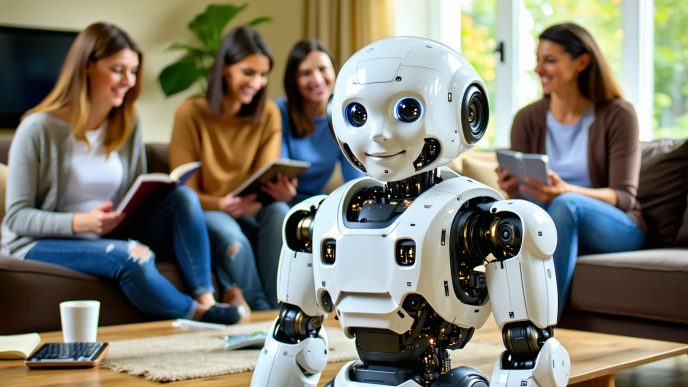
Understanding how humans and robots interact is crucial for creating systems that are safe, effective, and user-friendly. This section delves into the importance of human-robot interaction and provides a clear definition and scope of this emerging field.
Importance of Human-Robot Interaction
Human-robot interaction is critical as robots increasingly become an integral part of various environments, from homes to workplaces. Effective interaction can enhance productivity, ensure safety, and improve the adoption of robotic assistants. Key factors to consider include:
| Factor | Description |
|---|---|
| Enhances User Experience | Improved interaction leads to higher satisfaction and ease of use. |
| Promotes Trust | Building confidence in robotic systems fosters successful collaboration. |
| Facilitates Adoption | Effective interaction designs can encourage more users to embrace robotic technology. |
| Increases Safety | Proper interaction minimizes risks, making environments safer for humans and robots alike. |
By focusing on the aspects of trust between humans and robots, designers can create robots that users feel comfortable operating alongside. 
Definition and Scope of Human-Robot Interaction
Human-robot interaction refers to the multidisciplinary study of how humans and robots engage and collaborate together. This field encompasses several elements, including technology, psychology, sociology, and design. The scope includes:
- Interaction Methods: The techniques used for engagement, such as verbal communication and voice and gesture interaction with robots.
- Collaborative Tasks: Activities performed jointly by humans and robots, like those seen in collaborative robots in homes.
- Emotional Recognition: Robots designed to understand and respond to human emotions are a growing area of exploration, revealing the importance of robots understanding human emotions.
- Social Cues: The incorporation of robotic social cues is crucial for creating a natural and intuitive interaction experience.
The future of human-robot interaction promises exciting advancements as technology evolves, paving the way for more cohesive partnerships. Understanding each aspect will aid in developing robots that complement human needs effectively.
Human Factors in Robot Design
Designing robots that effectively interact with humans requires a deep understanding of human factors. This involves considering human needs and incorporating user feedback into the design process to ensure smooth and intuitive interactions.
Consideration of Human Needs
When creating robots intended for collaboration with humans, it is essential to recognize the diverse needs of users. These needs can range from physical requirements, such as accessibility for individuals with disabilities, to emotional aspects like the desire for companionship. Addressing these human factors can lead to more effective and satisfying interactions.
In the context of human robot interaction, designers must consider the following elements:
| Human Need | Considerations |
|---|---|
| Physical Comfort | Ergonomics of robot design, suitable height, interface accessibility |
| Emotional Support | Designing robots that provide companionship and understand social cues |
| Safety | Incorporating features that ensure user safety, such as automatic shut-off mechanisms |
| Intuitive Use | Creating user interfaces that are easy to navigate, including visual and auditory cues |
By prioritizing these considerations, robots can be designed to meet human needs effectively, enhancing the overall experience of interaction. For more information, explore our article on robotic social cues.
Incorporating User Feedback
User feedback is vital in refining robot design and functionality. Engaging users in the design process allows for the identification of potential issues and the opportunity to improve robot responsiveness. This iterative process not only enhances user satisfaction but also fosters trust between humans and robots.
Effective methods for incorporating feedback include:
| Method | Description |
|---|---|
| Surveys and Interviews | Collect qualitative data on user experiences and preferences |
| Prototype Testing | Allow users to interact with prototype robots and report their observations |
| Usability Studies | Assess how easily users can navigate robot interfaces and perform tasks |
By actively seeking and addressing user feedback, designers can create robots that are more responsive to human needs, ultimately improving their effectiveness in various applications. For additional insights, refer to our articles on trust between humans and robots and robot responsiveness to humans.
Integrating these aspects of human needs and user feedback into the design phase ensures that robots can engage with people in a safe and intuitive manner, paving the way for successful human-robot collaboration.
How Robots Learn to Work with Humans
The evolution of robots working alongside humans hinges on their ability to learn from and adapt to their human counterparts. Understanding the methodologies behind robot learning is critical for enhancing effective interaction within shared environments.
Machine Learning Algorithms
At the core of how robots learn to cooperate with humans are machine learning algorithms. These algorithms allow robots to analyze data, identify patterns, and make decisions based on their experiences. The application of machine learning in human-robot interaction is vital for interpreting human actions, predicting responses, and improving task execution.
Various types of machine learning algorithms are employed, including:
| Algorithm Type | Description | Application in Human-Robot Interaction |
|---|---|---|
| Supervised Learning | Learns from labeled data. | Teaching robots specific tasks or actions. |
| Unsupervised Learning | Discovers hidden patterns in data. | Enhancing robots’ adaptability to new environments. |
| Reinforcement Learning | Learns by trial and error. | Optimizing robots’ decision-making processes in dynamic scenarios. |
By utilizing these algorithms, robots can gain insights into robot responsiveness to humans, ultimately improving their ability to collaborate effectively.
Training Methods for Human-Robot Collaboration
Training methods play a crucial role in developing robots that work well with people. These methods aim to optimize robots’ functionalities and ensure safe interactions. Various training techniques include:
- Simulated Environments: Robots are trained in virtual settings that mimic real-world scenarios. This method allows for safe experimentation and learning without risking human safety.
- Real-world Testing: Engaging robots in actual tasks alongside humans facilitates practical learning experiences. This hands-on approach can highlight areas for improvement and inform adjustments in design and functionality.
- Human Feedback: Incorporating feedback from users during training sessions allows robots to refine their responses and adapt to human preferences and behaviors, fostering a strong sense of trust between humans and robots.
The effectiveness of these training methods can be measured through various performance metrics, such as efficiency, task completion rates, and interaction smoothness. Data regarding these metrics can be displayed in a table format to provide clearer insights.
| Training Method | Key Benefit | Performance Metric Example |
|---|---|---|
| Simulated Environments | Safe learning with controlled risks. | Improved accuracy in task completion. |
| Real-world Testing | Real-time adaptability and learning. | Increased user satisfaction ratings. |
| Human Feedback | Tailored learning based on user inputs. | Enhanced trust levels during interactions. |
Through these diverse training methods, robots develop the skills necessary for effective collaboration in dynamic environments, such as those found in collaborative robots in homes or workplaces.
Understanding how robots leverage these machine learning algorithms and training techniques enhances the potential for successful human-robot interaction. As technology and methods advance, robots will become more intuitive partners, leading to smoother and safer collaborations.
Ensuring Safety in Human-Robot Interaction
Safety is a crucial aspect of human-robot interaction. As robots increasingly integrate into everyday environments, ensuring that these machines operate safely alongside humans is imperative. This section addresses risk assessment and mitigation strategies, as well as compliance with safety standards.
Risk Assessment and Mitigation
Performing a thorough risk assessment is essential to identifying potential hazards associated with human-robot collaboration. This involves analyzing tasks where robots and humans will be working together to determine risks that could lead to accidents or injuries. Mitigation strategies are then implemented to address these risks.
A common approach in risk assessment is to employ a systematic method that evaluates factors such as:
| Risk Factor | Description |
|---|---|
| Proximity | Assessing the distance between humans and robots during operation. |
| Mobility | Evaluating the movement patterns of robots that may intersect with human paths. |
| Task Complexity | Analyzing the complexity of tasks robots perform that involve human interaction. |
By identifying and proactively addressing these risk factors, designers can enhance the safety and effectiveness of human-robot interactions. Techniques such as implementing safety zones or using sensors for proximity detection contribute to creating a safer collaborative environment. For more on the human aspects of robot design, see our article on trust between humans and robots.
Compliance with Safety Standards
Adhering to established safety standards is essential for ensuring safe human-robot interaction. Various organizations and regulatory bodies set guidelines to govern the design and operation of robots in environments where they interact with human users. Compliance with these standards not only helps to prevent accidents but also builds user confidence in robotic systems.
Key standards include:
| Standard | Description |
|---|---|
| ISO 10218 | Focuses on safety requirements for industrial robots. |
| ISO/TS 15066 | Provides guidelines for collaborative robots and their safety measures. |
| IEC 61508 | Addresses functional safety of electrical and electronic systems. |
By following these guidelines, designers enhance the safety and usability of robots in various applications, including those found in homes and workplaces. To learn more about how robots can interact with humans safely, check our article on robot responsiveness to humans.
Ensuring safety in human-robot interaction continues to be a dynamic area of research and development, contributing to better design principles and enhanced user experiences in collaborative spaces. Understanding emotional and social dynamics, as covered in our article on robots understanding human emotions, is another aspect of creating a safer and more intuitive robot.
Communication in Human-Robot Interaction
Effective communication between humans and robots plays a critical role in ensuring seamless interaction. This encompasses both verbal and non-verbal communication methods, along with the integration of artificial intelligence to enhance understanding and responsiveness.
Verbal and Non-Verbal Communication
Verbal communication involves the use of spoken language to convey information between humans and robots. It includes commands, questions, and responses that help facilitate tasks and improve collaboration. Robots equipped with voice recognition software can interpret these commands, allowing for intuitive dialogue.
Non-verbal communication encompasses gestures, facial expressions, and body language. These factors are particularly significant in enhancing human-robot interactions. For instance, a robot may use specific movements or visual cues to indicate its intentions or reactions. This aspect of communication helps to create a more natural and engaging experience for users.
The following table highlights the differences between verbal and non-verbal communication in human-robot interaction:
| Communication Type | Examples | Importance |
|---|---|---|
| Verbal | Commands, Questions | Facilitates clear interaction |
| Non-Verbal | Gestures, Facial Expressions | Enhances emotional understanding |
Integrating both forms of communication improves the overall effectiveness of interactions and fosters a better understanding of context. This dual approach also addresses the challenge of creating more relatable robots by incorporating robotic social cues in their design.
Role of Artificial Intelligence in Communication
Artificial intelligence (AI) is pivotal in enhancing human-robot communication. Through machine learning and natural language processing, robots can understand and interpret human speech more effectively. This ensures that robots can respond appropriately to various verbal commands and queries.
AI algorithms also enable robots to recognize emotions, which is essential for effective interactions. By understanding the emotional state of a user, a robot can tailor its responses to promote trust between humans and robots and ensure a more satisfying user experience.
Furthermore, AI supports the development of robots that can engage in voice and gesture interaction with robots, making them more adaptable to different communication styles. This results in improved robot responsiveness to humans, as they can recognize and adjust to user preferences in real-time.
The advancement of AI in communication strategies holds immense potential for future human-robot interactions. Enhanced communication not only aids collaboration but also improves the emotional connection between users and robots, making technology more accessible and user-friendly.
In conclusion, the integration of effective verbal and non-verbal communication, alongside AI capabilities, is crucial in shaping the future of human-robot interactions. These elements work together to create a seamless and intuitive experience, addressing various challenges and barriers in collaboration, as seen in articles on collaborative robots in homes and barriers to human robot collaboration.
Emotional Aspects of Human-Robot Interaction
The emotional connection between humans and robots plays a vital role in the effectiveness of their collaboration. Designing robots to recognize and engage with emotions can greatly enhance human-robot interaction, making it more intuitive and responsive.
Recognizing Emotions
The ability for robots to identify human emotions is essential for successful interaction. This involves using various technologies such as facial recognition, voice analysis, and behavioral observation. Robots equipped with these capabilities can better understand the emotional state of users and adjust their actions accordingly.
| Emotion | Recognition Method | Description |
|---|---|---|
| Happiness | Facial Recognition | Identifying smiling faces or positive vocal tones. |
| Sadness | Voice Analysis | Detecting a lower tone or slower pace in speech. |
| Anger | Behavioral Observation | Noticing abrupt movements or raised voices. |
| Confusion | Interaction Feedback | Analyzing hesitation in response times or repeated questions. |
Understanding emotions helps robots respond appropriately, fostering a more collaborative atmosphere. For more on how robots interpret human feelings, refer to our article on robots understanding human emotions.
Designing Robots for Emotional Engagement
Creating robots that can engage emotionally involves incorporating elements that evoke empathy and connection. This can include:
- Robotic Social Cues: Utilizing robotic social cues such as gestures, body language, and voice tone to create a more relatable presence.
- Adaptive Responses: Designing robots to modify their behavior based on emotional feedback from users improves the interaction experience.
- User Customization: Allowing individuals to customize their robot’s personality can increase emotional engagement. Features may include voice selection, appearance adjustments, and interaction styles.
| Feature | Purpose | Benefit |
|---|---|---|
| Personality Customization | Tailor robot interactions | Increased user satisfaction |
| Gesture Recognition | Respond to physical cues | Enhanced communication effectiveness |
| Voice Modulation | Adjust speech tone to user emotions | Improved rapport and trust |
By integrating these designs, robots can develop a sense of empathy, strengthening the bond they share with their human counterparts. For insights into effective communication methods with robots, explore our article on voice and gesture interaction with robots.
The emotional design of robots is crucial for promoting trust between humans and robots, which further facilitates smoother collaboration, particularly in environments such as homes or workplaces where productive teamwork is essential.
Challenges in Human-Robot Interaction
As robots increasingly integrate into daily life and workplaces, several challenges arise in human-robot interaction. Two primary areas of concern are ethical considerations and the barriers to adoption of these intelligent machines.
Ethical Considerations
Ethics plays a crucial role in shaping how robots are designed and implemented in society. Key ethical issues include:
- Privacy Risks: Robots often collect data to learn and adapt to users’ needs. This raises concerns about user privacy and data security.
- Autonomy and Control: Questions arise regarding how much autonomy robots should have and who should be accountable for their actions.
- Job Displacement: The introduction of robots can lead to fears of job loss in certain sectors, prompting discussions about the balance between efficiency and employment.
- Trust and Reliability: Users must feel confident in their interactions with robots. Factors affecting trust include trust between humans and robots and the reliability of robotic responses.
| Ethical Issue | Description |
|---|---|
| Privacy Risks | Data collection and its implications |
| Autonomy and Control | Decision-making authority of robots |
| Job Displacement | Impact on employment opportunities |
| Trust and Reliability | Confidence in robot performance and interaction |
Addressing these ethical considerations requires the collaboration of engineers, policymakers, and user communities. Guidelines and standards must be established to ensure responsible development and deployment of robots.
Overcoming Barriers to Adoption
Several obstacles inhibit the widespread adoption of robots in various settings. Understanding and addressing these barriers is essential for the future of human-robot collaboration. Common barriers include:
- Technological Complexity: Users may find it challenging to operate robots or understand their functionalities.
- Lack of Understanding: Many individuals are unaware of the benefits of robots, leading to skepticism and reluctance.
- Cost and Accessibility: The expense associated with advanced robotics may deter potential users.
- Cultural Resistance: Different cultures have varying attitudes toward robotics, impacting acceptance and integration into society.
| Barrier | Description |
|---|---|
| Technological Complexity | Difficulty in operation and comprehension |
| Lack of Understanding | Limited awareness of robotic benefits |
| Cost and Accessibility | High prices limit access for consumers and businesses |
| Cultural Resistance | Varied acceptance based on cultural beliefs |
To facilitate smoother integration of robots into everyday life, it is essential to educate users on robotic social cues and the importance of robot etiquette and behavior design. Additionally, efforts should be made to create user-friendly interfaces that promote robot responsiveness to humans and voice and gesture interaction with robots. Addressing these challenges will help pave the way for effective human-robot interaction and collaboration.
Future Outlook for Human-Robot Collaboration
As technology continues to advance, the prospects for human-robot collaboration are becoming increasingly promising. With a focus on improving interaction, safety, and emotional engagement, both developers and researchers are working diligently to enhance the ways in which robots can operate alongside humans.
Advancements in Human-Robot Interaction
The field of human-robot interaction (HRI) is rapidly evolving, driven by significant advancements in artificial intelligence (AI), machine learning, and robotics technology. These developments facilitate smoother, more intuitive interactions between humans and robots.
Recent innovations include:
| Advancement | Description |
|---|---|
| Enhanced AI Algorithms | Improved machine learning capabilities allow robots to adapt to human preferences and behaviors more effectively. |
| Improved Sensory Technology | Robots are being equipped with advanced sensors that enhance their ability to understand and respond to human actions and emotions. |
| Greater Autonomous Capabilities | Robots can perform tasks with minimal human intervention, fostering independence while maintaining safe operation alongside people. |
| Better Communication Tools | Advances in voice recognition and gesture control allow for more seamless communication between humans and robots. For more details on interaction methods, see voice and gesture interaction with robots. |
These advancements are paving the way for robots that are not only functional but also capable of understanding human behavior and emotions. For instance, robots designed to comprehend robotic social cues can better navigate social environments and enhance user experience.
Potential Applications and Implications
The practical applications for improved human-robot interaction are vast and encompass various sectors, including healthcare, manufacturing, and personal assistance. Some potential uses are:
| Application Area | Potential Uses |
|---|---|
| Healthcare | Robots assisting in rehabilitation, providing companionship, and performing routine tasks to support medical staff. |
| Education | Robots as interactive teaching assistants, enhancing learning experiences through engagement and personalization. |
| Home Automation | Collaborative robots helping with household chores and providing support for elderly or disabled individuals. Explore more in collaborative robots in homes. |
| Hazardous Environments | Robots performing tasks in unsafe scenarios, such as disaster response or dangerous manufacturing environments. |
The implications of these advancements extend beyond mere convenience. As robots become more adept at understanding human emotions, they can foster better trust between humans and robots and enhance overall satisfaction. Furthermore, designing robots with an understanding of robot etiquette and behavior design can create smoother interactions, ensuring that users feel comfortable and secure.
However, challenges remain, particularly in encouraging adoption and addressing any barriers to human robot collaboration. As society embraces these technologies, ongoing research into the ethical and emotional dimensions of human-robot interaction will be crucial. Exploring how robots can effectively respond to human emotions and establish rapport will continue to shape the future of this exciting field. For further insights, refer to our article on robots understanding human emotions and robot responsiveness to humans.