Introduction to Human-Robot Interaction
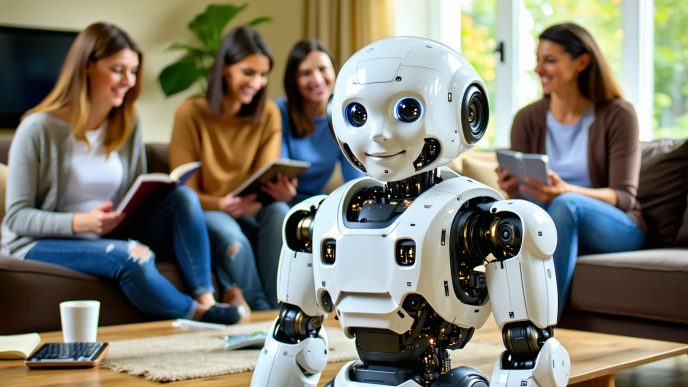
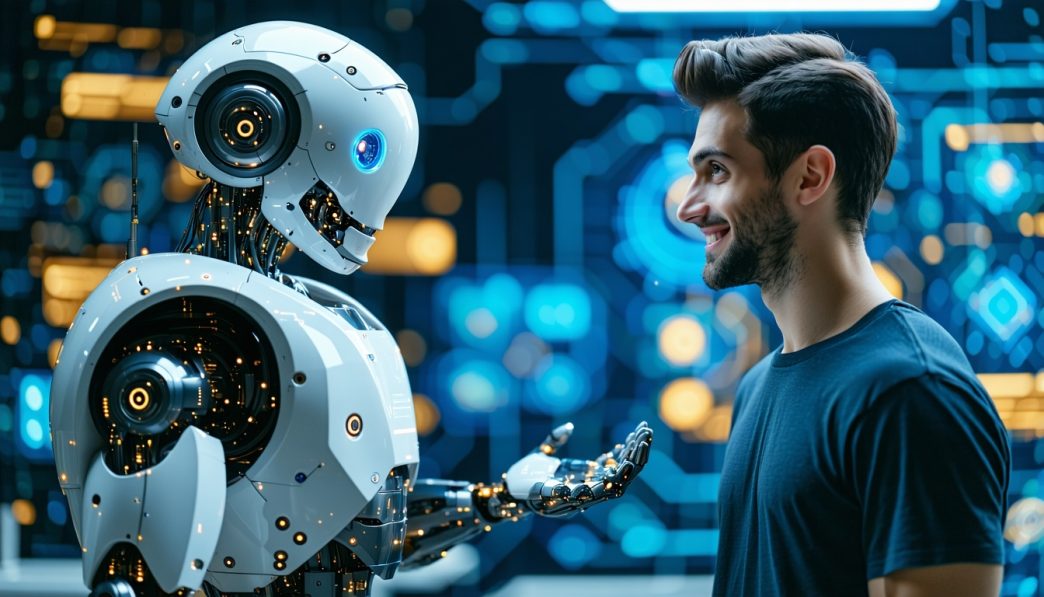
Human-robot interaction (HRI) refers to the interdisciplinary field studying how humans communicate and work with robots. This area encompasses various aspects of technology, psychology, and design, focusing on creating robots capable of facilitating smooth and intuitive interactions with people. Understanding HRI is crucial for advancing the development of robots that are not only functional but also responsive to human needs and emotions.
Importance of Designing Robots for Interaction
Designing robots for effective interaction is essential for several reasons. Firstly, as robotic technology becomes increasingly prevalent in everyday life, from smart homes to healthcare, it is imperative that these machines communicate in ways that humans can easily understand. Proper design enhances usability and fosters trust between humans and robots. Research shows that users are more inclined to accept robotic assistance when the robots exhibit appropriate robotic social cues.
Overview of How Robots Communicate
Robots communicate using a combination of movement, facial expressions, sound, and interactive displays. Each of these methods contributes to creating a nuanced interaction experience. The methods can be classified into various categories: 
| Communication Method | Description |
|---|---|
| Movement | Utilizes gestures and body language to convey information or intent. |
| Facial Expressions | Mimics human emotions to display feelings and foster emotional connections. |
| Voice and Sound | Employs verbal cues and sound effects to enhance interaction. |
| Visual Feedback | Uses lights and displays to provide immediate responses to user actions. |
These communication techniques work together to create a coherent interaction, allowing robots to respond effectively to human behavior and emotions. Understanding how robots can develop empathy and incorporate social cues will enhance their effectiveness in diverse environments, such as homes and workplaces. More on trust between humans and robots can be found in our related articles.
In summary, human-robot interaction design is a vital aspect of robotics, focusing on effectively bridging the gap between human users and robotic systems. The importance of communication methods in fostering interaction cannot be overstated, as they play a fundamental role in the success of robotic systems in everyday applications.
Movement as a Communication Tool
Robots are increasingly designed to interact with humans in ways that are intuitive and engaging. Movement plays a crucial role in this interaction, serving as a powerful communication tool that conveys meaning and emotion. Two primary aspects of movement are gestures and body language, which significantly influence how humans perceive and respond to robots.
Gestures and Body Language
Gestures and body language form a vital part of non-verbal communication. Robots equipped with the ability to perform specific gestures can enhance their interaction with users, making the experience more relatable and human-like. For instance, waving a robotic arm can signal a greeting, while nodding can indicate agreement or understanding.
Robots use pre-programmed movements that mimic common human gestures to convey intentions effectively. The following table summarizes some common robotic gestures along with their meanings:
| Gesture | Meaning |
|---|---|
| Waving | Greeting |
| Nodding | Agreement/Understanding |
| Pointing | Directing Attention |
| Tilting Head | Curiosity/Interest |
| Handshake Motion | Introduction/Connection |
By incorporating gestures, robots can create a more pleasant interaction experience and help establish a sense of connection with users. This aligns with the concept of robotic social cues, which are essential for fostering effective communication between humans and robots.
The Impact of Movement on Human Perception
Movement also influences how humans perceive robots. Smooth, fluid motions tend to create a sense of familiarity and trust. Conversely, abrupt or erratic movements can lead to feelings of discomfort or distrust. Research shows that movement quality significantly affects user satisfaction and engagement during interactions.
The following factors discuss the impact of movement on human perception:
| Factor | Impact |
|---|---|
| Fluidity of Motion | Enhances comfort and reduces anxiety |
| Speed of Movement | Quick movements can signal urgency |
| Body Orientation | Open posture conveys approachability |
| Consistency in Gestures | Builds trust and reliability in communication |
Designers of robots must consider these elements when programming movements. Understanding how users respond to different types of movement can help enhance trust between humans and robots and foster positive interactions.
Effective movement design also plays a role in robot responsiveness to humans. A robot’s ability to adapt its movements in response to user cues can significantly improve the overall interaction experience. This responsiveness encourages collaboration and comfort, which are especially important in environments such as collaborative robots in homes.
By integrating thoughtful movement and gesture design, robots can communicate more effectively, building stronger connections with users and enhancing the overall human-robot interaction experience. For further insights into how emotional understanding is integrated into these designs, refer to our article on robots understanding human emotions.
Facial Expressions and Emotions
Facial expressions and emotions play a pivotal role in human-robot interaction. To create a more effective and engaging communication experience, robots are designed to mimic human expressions and recognize feelings through advanced technology.
Mimicking Human Expression
Robots are equipped with mechanisms to replicate human facial features and movements. This ability to mimic expressions such as smiling, frowning, and raising eyebrows can enhance the emotional connection between humans and robots. By reflecting human-like expressions, robots can convey a range of emotions, making interactions more relatable and less mechanical.
The effectiveness of facial expression in robots can be illustrated by the following table:
| Expression | Likely Interpretation |
|---|---|
| Smile | Happiness, friendliness |
| Frown | Displeasure, concern |
| Raised eyebrows | Surprise, curiosity |
| Pursed lips | Disapproval, contemplation |
Mimicking human expressions contributes to improving trust between humans and robots. When a robot displays emotions that align with a user’s feelings or situation, it can lead to a more intuitive interaction.
Recognizing and Displaying Emotions
In addition to mimicking expressions, robots can also recognize human emotions through facial recognition technology and social cues. By analyzing facial movements and micro-expressions, robots can adapt their responses accordingly. This capability aids in creating a responsive interaction that considers the emotional state of the user.
The following table summarizes common emotional cues that robots might recognize:
| Emotion | Facial Cues | Robot Response |
|---|---|---|
| Happiness | Smile, relaxed facial muscles | Increased engagement, positive feedback |
| Sadness | Frown, downcast eyes | Softened voice, supportive gestures |
| Anger | Furrowed brows, pursed lips | Calm voice, avoidance of escalation |
| Surprise | Wide eyes, raised eyebrows | Excited tone, ask questions |
By integrating the ability to recognize and display emotions, robots enhance their overall robotic social cues. Robots that can respond to human emotions make interactions more meaningful and effective. This capability is essential for applications in various fields, including therapy, education, and collaborative robots in homes, where emotional intelligence is key to successful outcomes.
Understanding how robots mimic and recognize human emotions allows developers to create more effective robots that foster better interactions. This emphasis on emotional expression is vital in building empathetic robots that align with human needs and expectations. For more insights on robot interactions, refer to our article on robots understanding human emotions.
Voice and Sound Cues
In the realm of human-robot interaction, voice and sound play a crucial role in facilitating effective communication. By integrating vocal elements and auditory feedback, robots can enhance their ability to engage with humans.
Importance of Voice in Robot Communication
Voice serves as a primary interface for interaction. It allows robots to convey information, express emotions, and create a sense of connection with users. The tone, pitch, and volume of a robot’s voice can significantly impact how users perceive and respond to it.
Research has shown that a friendly and warm voice can promote trust and comfort, leading to more positive interactions. Conversely, a robotic or harsh tone may create feelings of distrust or discomfort. Robots designed to assist in social settings, such as in homes or healthcare, benefit greatly from employing human-like voice characteristics. To understand how these elements foster trust, consider visiting our article on trust between humans and robots.
Use of Sound Effects for Interaction
Sound effects further enhance robot communication by providing additional context and emotional cues. These auditory signals can range from simple beeps and chimes to complex melodies and varying vocal inflections.
Robots use sound effects in several ways, such as:
- Alerting users: Sounds can indicate when a task is complete or when attention is needed.
- Enhancing interaction: Background sounds or cues can help convey emotions and intentions.
- Guiding behavior: Specific auditory prompts can instruct users or encourage participation.
The effectiveness of sound effects relies on their appropriateness and timing. For example, a cheerful chime might encourage interaction, while an urgent beep might indicate an error or an important alert. The use of auditory feedback can improve robot responsiveness to humans and facilitate smoother interactions.
| Sound Type | Purpose | Example |
|---|---|---|
| Alerting Sounds | Notify users of tasks or changes | Beep when charging |
| Emotional Cues | Convey emotions through sound | Cheerful melody for help |
| Instructional Cues | Guide user actions | Prompt to wave hand |
This combination of voice modulation and sound effects shapes the way humans perceive and interact with robots. Understanding these components is essential for designing robots that can communicate effectively and intuitively with people. For more insights on how robots understand emotional contexts, take a look at our article on robots understanding human emotions.
Interactive Displays and Lights
Interactive displays and lights play a crucial role in enhancing communication between robots and humans. By utilizing visual feedback mechanisms, robots can effectively convey information, emotions, and intentions to their users.
Visual Feedback for Interaction
Visual feedback in robot communication includes any graphical displays or visual signals that help convey messages or responses. These elements can range from simple LED indicators to more complex screens that showcase emotions or current tasks.
The effectiveness of visual feedback is essential for creating a seamless interaction experience. By using vibrant colors, changes in light intensity, and animations, robots can express different states or signals visually. This can reinforce understanding and enhance the emotional connection between the user and the robot.
Examples of Visual Feedback Mechanisms
| Feedback Type | Description | Purpose |
|---|---|---|
| LED Indicators | Simple lights that change color or flash | To indicate status (e.g., charging, active) |
| Screens | Display images, emotions, or texts | To convey information, emotions, or tasks |
| Animated Lights | Patterns or movements of lights | To attract attention or express excitement |
Role of Lights and Displays in Communication
Lights and displays serve not only as tools for conveying information but also as channels for establishing trust and emotional responsiveness in robotic social cues. The integration of these features allows robots to mimic human-like communication styles, which can enhance user experience.
When robots exhibit dynamic lighting patterns in response to user interactions, it creates a sense of engagement. For example, a robot that brightens its lights in a festive manner when greeting someone can communicate warmth and friendliness. Additionally, through the careful design of visual cues, robots can facilitate a deeper understanding of their intentions, similar to how humans use facial expressions and body language.
The design of interactive displays and lights is also crucial for improving human-robot interactions. By providing clear and intuitive visual signals, robots can foster greater trust among users. Understanding how to effectively use these visual cues is essential for creating robots that respond intuitively to human emotion and intent. For more insights on this topic, visit our articles on trust between humans and robots and robots understanding human emotions.
By integrating the right combination of visuals and lighting into robot design, developers can create more responsive and emotionally attuned robotic companions. This enhances their role as collaborative partners in various environments, including homes and workplaces. For further information on these advancements in robot communication, explore our article on robot responsiveness to humans and collaborative robots in homes.
Personalization and Adaptation
In the realm of robotics, effective communication is key to creating meaningful interactions between humans and robots. Personalization and adaptation in communication methods can enhance user experience and promote trust.
Customizing Communication for Users
To meet individual user preferences and needs, robots can be designed to customize their communication style. This includes adjusting language, tone, and even the complexity of information delivered. Understanding user demographics, backgrounds, and preferences allows for better engagement.
The following table outlines various aspects of communication customization for different user profiles:
| User Profile | Customization Feature | Example |
|---|---|---|
| Young Adults | Casual Language | Informal dialogues and slang usage |
| Older Adults | Formal Language | Polite and respectful communication |
| Technically Savvy | Technical Terminology | Use of industry-specific jargon |
| Emotionally Sensitive | Empathetic Tone | Warm and supportive interactions |
By tailoring communication, robots can cater to a wide range of users, fostering better relationships and a more intuitive experience. This personalization also enhances emotional connection through effective robotic social cues.
Adapting to Different Interaction Styles
Each individual has a unique style of interaction influenced by their personality and preferences. Robots can enhance user satisfaction by adapting to these varied interaction styles. They may use different techniques such as voice modulation, gestures, and responsiveness based on user cues.
The table below demonstrates various interaction styles and corresponding robot adaptations:
| Interaction Style | Adaptation Technique | Implementation Example |
|---|---|---|
| Direct Communicator | Clear, concise responses | Straightforward answers to questions |
| Collaborative User | Suggestive prompts | Offering options and encouraging choices |
| Methodical Thinker | Detailed explanations | Providing thorough information and context |
| Impulsive User | Spontaneous engagement | Quick, informal responses and jokes |
By recognizing users’ interaction preferences, robots can create a more cohesive experience. This adaptability not only supports effective communication but also allows for improved robot responsiveness to humans and understanding of human emotions. Enhanced personalization and adaptability can lead to productive experiences and stronger bonds between humans and robots, as explored in the context of human robot interaction.
Empathy and Social Cues
The design of robots that can effectively interact with humans hinges on their ability to exhibit empathy and incorporate social cues. These aspects play a crucial role in fostering understanding and establishing a connection between robots and their users.
Building Empathy in Robot Design
Designing robots with empathy involves creating systems that can recognize and respond to human emotions. This requires a blend of advanced technology and psychological principles. Empathetic robots can enhance the overall interaction experience, leading to improved user satisfaction.
Empathy in robot design can be broken down into several key components:
| Component | Description |
|---|---|
| Emotion Recognition | The capacity to identify human emotions through voice, facial expressions, or body language. |
| Context Awareness | The ability to understand the context of an interaction, thereby responding appropriately. |
| Adaptive Responses | Customizing responses based on the user’s emotional state to create meaningful interactions. |
By implementing these components, robots can contribute to healthier relationships with users, thereby encouraging frequent engagement. It’s important to consider the role of trust between humans and robots to enhance user experience.
Incorporating Social Cues for Better Interaction
Social cues are essential for creating natural interactions between humans and robots. These cues help robots communicate in a way that is familiar and intuitive to people. Incorporating appropriate social behavior into robot design can enhance user comfort and acceptance.
Here are some social cues that can be integrated into robotic systems:
| Social Cue | Example of Application |
|---|---|
| Eye Contact | Robots can be designed to maintain eye contact with users to simulate attentive engagement. |
| Mirroring Behavior | Reflecting the user’s gestures or postures to create a sense of connection and understanding. |
| Verbal Acknowledgment | Using phrases or sounds to acknowledge user input or commands increases the sense of interaction. |
Robots equipped with these social cues can better engage with their environment and users, thereby improving robot responsiveness to humans. Understanding how robots can learn and adapt to these cues is fundamental in the field of social robotics, especially as robots strive to recognize human emotions. For deeper insights, explore our article on robots understanding human emotions.
By focusing on empathy and social cues, robotic designs can pave the way for more effective communication and collaboration, especially in contexts like collaborative robots in homes and professional settings. Emphasizing these features fosters a more seamless integration of robots into daily life while addressing the barriers to effective human-robot collaboration.
Future Trends in Robot Communication
Advancements in robotics are significantly influencing the way robots communicate with humans. Understanding how these developments impact human-robot interaction is vital for designing machines that can engage with users intuitively and effectively.
Advancements in Human-Robot Interaction
Recent advancements in technology are enhancing the capabilities of robots to interact more seamlessly with humans. These innovations are centred around improving robotic social cues, enabling robots to understand and respond to human behaviors and emotions more effectively. Key advancements include:
| Advancement | Description |
|---|---|
| Machine Learning | Enables robots to learn from interactions and improve their responses over time. |
| Natural Language Processing | Enhances the ability of robots to understand and generate human-like dialogue, making communication smoother. |
| Emotion Detection | Utilizes sensors to gauge human emotions through facial recognition, voice tone, and body language, leading to more empathetic interactions. |
These advancements are focused on building trust between humans and robots. By enabling robots to respond appropriately to social cues, designers can create better experiences for users in various environments, such as smart homes and collaborative workspaces.
Emerging Technologies in Robot Communication
Emerging technologies are poised to revolutionize how robots communicate and interact with their human counterparts. Some noteworthy technologies include:
| Technology | Features |
|---|---|
| Gesture Recognition | Allows robots to interpret human gestures and respond accordingly, enhancing interaction quality. |
| Advanced Material Use | Flexible materials enable robots to express themselves using motion and form, contributing to more engaging communications. |
| Interactive Displays | Robots can display information visually, making it easier for users to understand their functionality and status. |
As these technologies advance, robots are increasingly capable of responding appropriately to human interactions, promoting effective robot responsiveness to humans. This facilitates deeper connections and understanding, paving the way for successful integration into daily life.
Ongoing research into robots understanding human emotions and social behavior will further improve how robots communicate with us. Making robots more akin to human-like communicators can help bridge the gap between technology and humanity, reducing existing barriers to human robot collaboration.