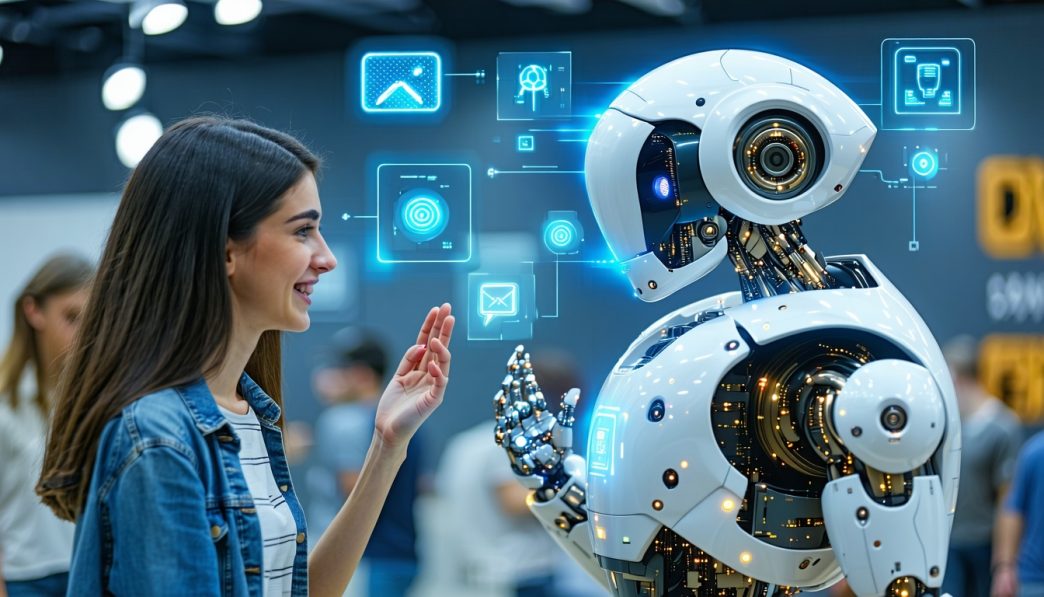
The Intersection of Robots and Etiquette
Importance of Politeness in Human-Robot Interaction
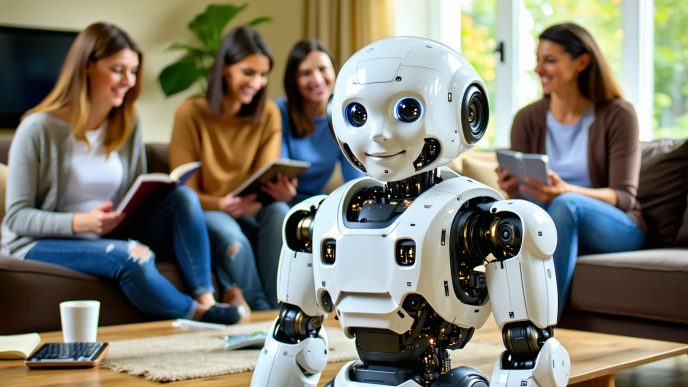
Politeness plays a crucial role in the interaction between humans and robots. As robots become more integrated into daily life, their ability to engage respectfully and courteously with people enhances user experience and fosters trust. The manner in which a robot communicates can significantly affect a user’s comfort level, willingness to interact, and overall satisfaction.
According to studies, a robot programmed to exhibit polite behavior can improve acceptance rates among users and encourage smoother collaboration. Imperatively, the foundational aspects of human-robot relationships are built on the principles of respect and courtesy, which directly influence the emotional responses of human users. For example, robots that follow established norms of politeness can lead to an enhanced feeling of safety and connection, making them more effective in roles such as caregiving or companionship.
Overview of Robot Etiquette and Behavior Design
Robot etiquette refers to the established guidelines that dictate how robots should behave in various social contexts. This encompasses everything from verbal interactions to body language, which are essential components of behavior design in robots. 
Key facets of robot etiquette include:
| Etiquette Aspect | Description |
|---|---|
| Verbal Cues | Use of polite language, greetings, and expressions of gratitude. |
| Non-verbal Cues | Gestures, posture, and facial expressions that convey respect. |
| Context Awareness | Recognizing when to adapt behavior based on situational dynamics. |
| User Personalization | Adjusting interactions based on user preferences and cultural background. |
Designing robots with effective etiquette requires understanding human psychology and the nuances of social interactions. By incorporating elements of robotic social cues and trust between humans and robots, developers can create robots that not only operate smoothly but also resonate emotionally with users. Insights from areas such as robots understanding human emotions and robot responsiveness to humans guide the creation of polite and respectful robot behavior.
By focusing on these aspects of behavior design, designers can enhance collaborative robots in homes and various settings, paving the way for intuitive and harmonious interactions between humans and machines.
Cultivating Polite Robots
Creating robots that effectively interact with humans requires a focus on etiquette and behavior design. It is essential to establish principles that guide robot interactions while ensuring design considerations account for the unique needs of users.
Principles of Robot Etiquette
The principles of robot etiquette serve as foundational guidelines for ensuring respectful and courteous interactions between robots and humans. These principles include:
- Respectful Communication: Robots are programmed to communicate using polite language and tone, which fosters a positive interaction environment.
- Acknowledgment: Recognition of a human’s presence and contributions is essential. Robots should be designed to respond appropriately when engaged by users.
- Patience: Robots must exhibit patience, allowing users to express themselves fully without interruption.
- Context Awareness: Understanding the context of conversations enhances robot responsiveness and the overall interaction experience.
A summary of these principles is provided in the table below:
| Principle | Description |
|---|---|
| Respectful Communication | Use of polite language and tone |
| Acknowledgment | Recognizing human presence and contributions |
| Patience | Allowing users to express themselves fully |
| Context Awareness | Understanding interaction context |
Human Factors Considerations in Robot Design
Human factors play a critical role in robot design, ensuring that robots can interact smoothly and intuitively with users. Key considerations include:
- User Comfort: The physical and emotional comfort of users should guide the interface design. Features such as adjustable height and friendly visual aesthetics contribute to a more inviting interaction.
- Usability Testing: Regular testing with actual users allows designers to identify potential barriers and refine the robot’s functions accordingly. Feedback from users helps to enhance robot responsiveness to humans.
- Cognitive Load: Minimizing cognitive load involves designing interactions that are straightforward. A robot’s instructions should be clear and easy to comprehend, reducing user confusion.
A summary of human factors considerations is illustrated in the following table:
| Consideration | Focus Area |
|---|---|
| User Comfort | Enhancing physical and emotional comfort |
| Usability Testing | Identifying barriers through user feedback |
| Cognitive Load | Simplifying interactions for better comprehension |
By applying these principles of robot etiquette and incorporating human factors into design, developers can create robots that enhance the experience of human-robot interaction. Understanding and implementing these strategies are crucial in cultivating robots that engage users positively and effectively.
Charismatic Communication
Effective communication plays a crucial role in fostering positive interactions between humans and robots. This section examines verbal communication strategies as well as non-verbal communication cues, both of which contribute to the concept of robot etiquette and behavior design.
Verbal Communication Strategies
Verbal communication is a primary way robots interact with humans. The language and tone used by robots can significantly impact user experience. Several strategies contribute to effective verbal communication:
| Strategy | Description |
|---|---|
| Friendly Tone | Using a warm and welcoming tone helps create a positive atmosphere. Robots should be programmed to adjust their pitch and speed based on context. |
| Clear Instructions | Robots must provide straightforward and concise instructions to avoid confusion. Clarity is key to effective communication. |
| Personalization | Addressing users by name and adapting responses based on previous interactions can build rapport and enhance user experience. |
| Empathetic Language | Incorporating phrases that acknowledge emotions can make robots appear more understanding and relatable. Insights into robots understanding human emotions are essential in this aspect. |
| Contextual Awareness | Tailoring responses based on the user’s situation or environment helps robots stay relevant and engaged. |
These verbal strategies promote a more pleasant interaction and help build trust between humans and robots. Exploring the dynamics of human robot interaction further illustrates the importance of communication in robotic designs.
Non-Verbal Communication Cues in Human-Robot Interaction
Non-verbal communication plays a vital role in human-robot interactions. Robots can utilize a variety of non-verbal cues to convey messages effectively:
| Cue Type | Description |
|---|---|
| Facial Expressions | Robots with facial displays can use expressions to show emotions, enhancing empathy and connection. |
| Body Language | Adjusting posture and movement can communicate attentiveness and readiness to assist. Robots should be designed to use robotic social cues to reflect their intent. |
| Gestures | Utilizing hand movements or gestures can accompany verbal communication, making interactions more engaging. Voice and gesture interaction with robots highlights this approach. |
| Proximity | Maintaining appropriate physical distance is crucial for comfort. Robots must be programmed to understand personal space and adapt accordingly. |
| Visual Cues | Offering visual indicators, such as displaying information on screens, aids understanding and keeps users informed. |
These non-verbal strategies enhance communication and contribute to a more intuitive interaction experience. By addressing both verbal and non-verbal elements, designers can create robots that resonate more with users, promoting effective engagement and cooperation, especially in settings involving collaborative robots in homes.
Safety and Respect in Robot Programming
Designing robots that interact safely and respectfully with humans is essential. This section delves into how boundaries are established and protocols are implemented to ensure secure interactions.
Setting Boundaries and Respectful Behavior
Robots, as they navigate various environments, must be programmed to recognize and respect personal boundaries. This involves designing algorithms that help robots detect a safe distance from individuals and respond appropriately in social contexts. Respectful behavior can be categorized into various dimensions, as shown in the table below.
| Boundary Type | Description | Suggested Robot Behavior |
|---|---|---|
| Personal Space | The physical distance an individual prefers | Maintain a distance of 3 feet unless invited closer |
| Privacy | Respecting personal information and space | Avoid intruding into private areas or conversations |
| Emotional Boundaries | Acknowledging individual feelings and reactions | Adjust behavior according to human emotional cues |
By incorporating these respectful behaviors, robots can foster trust between humans and machines, enhancing the overall experience of human-robot interaction.
Protocols for Ensuring Safety During Interaction
Safety protocols are crucial in robot programming to prevent accidents or misunderstandings during interactions. These protocols can include emergency stop mechanisms, clear communication signals, and guidelines for interaction. The following table outlines key safety protocols for robots, ensuring they operate smoothly and intuitively around humans.
| Safety Protocol | Description | Implementation Example |
|---|---|---|
| Emergency Stop | A function allowing immediate shutdown of robot | A button or verbal command that halts robot activity |
| Clear Communication | Use of verbal indicators to announce actions | Robots verbally announcing their movements or tasks |
| Response to Proximity | Adjusting actions based on human distance | Slowing down or pausing when humans are too close |
Establishing these protocols not only enhances robot responsiveness to humans but also addresses potential barriers to human-robot collaboration. For instance, ensuring robots can handle unexpected human movements reduces accidents and builds confidence in robotic social cues.
By implementing boundaries and protocols, robots can engage in safer interactions. These measures are critical for developing robots that understand human behavior and can respond accordingly, creating a harmonious blend of technology and social interaction. For further exploration of how robots understand human feelings, refer to our article on robots understanding human emotions.
Emotional Intelligence in Robots
Emotional intelligence in robots encompasses their ability to understand, interpret, and respond to human emotions. This capability is critical for fostering effective interactions and ensuring that human-robot relationship dynamics are positive and constructive.
Emulating Empathy and Understanding
To design robots that can effectively emulate empathy, developers incorporate various techniques that promote a sense of understanding. These may include:
- Sentiment Analysis: Robots can analyze tone, facial expressions, and body language to gauge emotional states.
- Adaptive Responses: Behavioral programming allows robots to adjust their actions based on emotional cues, making responses more appropriate to the context.
- Conversational Context: Understanding the flow of conversation is crucial. Robots are designed to maintain thematic continuity, ensuring that their dialogue feels natural.
| Aspect | Description |
|---|---|
| Sentiment Analysis | Interpreting human emotions through voice and facial cues. |
| Adaptive Responses | Adjusting behavior based on emotional feedback. |
| Conversational Context | Maintaining relevant topics for fluid interactions. |
These techniques not only enhance the robot’s ability to respond to emotions but also improve the perception of robots as empathetic companions rather than just machines. For more on this, see our article on robots understanding human emotions.
Handling Emotional Responses from Humans
Effectively managing human emotional responses is vital for promoting trust and ease in human-robot interaction. This involves several essential strategies:
- Calm Interactions: Robots are programmed to provide calm responses during stressful situations, which can help to soothe anxiety or frustration.
- Positive Reinforcement: Using affirmations can increase user comfort and foster better relationships over time.
- Feedback Mechanisms: Robots can be designed to seek user feedback on their performance and behavior, allowing for adjustments that align with human emotional needs.
| Strategy | Purpose |
|---|---|
| Calm Interactions | To soothe users during tense situations. |
| Positive Reinforcement | To enhance user experience and comfort. |
| Feedback Mechanisms | To adjust behavior based on human feelings and preferences. |
By implementing these strategies, robots can create more engaging and supportive environments. Building trust between humans and robots fosters smoother interactions, making the robots’ emotional intelligence an essential aspect of their design. For further insights, explore our article on robotic social cues and how they contribute to effective communication.
Ethical Considerations in Human-Robot Interactions
As robots increasingly become part of daily life, ethical considerations surrounding their design and behavior are paramount. Two critical areas of focus are privacy and consent in robot interactions and ensuring ethical decision-making in robot programming.
Addressing Privacy and Consent in Robot Behavior
In the realm of robot etiquette and behavior design, understanding privacy and consent is essential. Robots often collect and process personal data to function effectively. This raises concerns regarding how this information is stored, used, and shared. Designers must establish transparent practices to ensure users are fully informed about what data is being collected and how it will be utilized.
A study on the ethical handling of personal data in robotic applications indicated that:
| Ethical Concern | Percentage of Respondents |
|---|---|
| Awareness of Data Collection | 78% |
| Concerns Over Data Sharing | 72% |
| Need for Consent Mechanisms | 85% |
To address these concerns, protocols should be established that require explicit consent from users before any data collection occurs. Additionally, implementing opt-out options will allow users to manage their privacy actively. For insights on how robots can improve trust with users, see our article on trust between humans and robots.
Ensuring Ethical Decision-Making in Robot Programming
Ethical decision-making is another fundamental aspect of human-robot interaction. Robots must be programmed to make decisions that respect user autonomy and safety. This involves creating algorithms that prioritize ethical considerations, particularly in complex situations where human lives may be at stake.
Developing a framework for ethical decision-making in robots involves analyzing potential scenarios and their implications. For instance, robots designed for collaborative tasks in homes must consider human safety and comfort while executing their functions.
Key elements to include in ethical programming are:
| Ethical Principle | Description |
|---|---|
| Beneficence | The robot should act in ways that benefit users and society. |
| Non-maleficence | The robot must avoid causing harm to individuals. |
| Autonomy | The robot should respect individual choices and freedom. |
Implementing guidelines based on these principles fosters safe interactions and enhances the reliability of robots in performing their designated tasks. For insights into how robots can respond to human emotions, refer to our article on robots understanding human emotions.
With consideration to privacy and ethical programming, the path is paved for positive and respectful interactions between humans and robots in various settings.
Designing for Diversity and Inclusivity
In the realm of robotics, creating robots that can interact effectively with people from various backgrounds is essential. Designing for diversity and inclusivity involves understanding the nuances of human behavior and adapting robot etiquette and behavior design to accommodate these differences.
Adapting Robot Behavior to Cultural Norms
Cultural norms significantly influence how individuals communicate, behave, and interpret gestures. For robots to engage successfully, they must be programmed to recognize and respect these norms. This is achieved by integrating cultural sensitivity into their behavior design.
One way to measure the adaptability of robots to cultural differences is through the following dimensions:
| Dimension | Description | Example of Cultural Adaptation |
|---|---|---|
| Communication Style | The way messages are conveyed, either directly or indirectly. | In high-context cultures, robots may use subtle cues instead of direct statements. |
| Greeting Etiquette | The customs surrounding introductions and farewells. | Robots might offer handshakes in some cultures and bows in others. |
| Personal Space | The physical distance preferred during interactions. | Robots need to adjust their positioning based on cultural norms for personal space. |
American robots might incorporate direct verbal communication, while robots interacting with individuals from East Asian cultures may rely more on non-verbal signals. Achieving effective human-robot interaction requires acknowledging these differences in behavior.
Recognizing and Respecting Diverse Human Needs
In addition to cultural norms, robots must be designed with an understanding of the diverse needs of individuals. This encompasses a range of factors, including age, ability, and personal preferences. By identifying these needs, robots can foster more meaningful and respectful interactions.
The following table outlines various human factors that robots should consider:
| Factor | Description | Potential Robot Adaptation |
|---|---|---|
| Age | Different age groups have varying communication styles and expectations. | Robots may use more playful language with children and formal language with seniors. |
| Ability | Some individuals may have disabilities requiring special accommodations. | Robots may offer voice commands for those with limited mobility or visual aids for the visually impaired. |
| Personal Preferences | Individual preferences can include favorite communication styles and ways of interacting. | Customizable robot settings could allow users to select preferred modes of interaction, such as speech or gesture-based commands. |
To ensure effective and comfortable interactions, robots need to demonstrate robot responsiveness to humans while being empathetic toward diverse human experiences. Programs designed to respond appropriately to emotional contexts or recognize human emotions can further enhance inclusivity. For more on this aspect, explore our article on robots understanding human emotions.
By integrating these considerations into robot design, developers can create machines that support inclusivity and respect for all individuals, leading to better trust between humans and robots and smoother collaborative experiences in various settings, including collaborative robots in homes.