How Robots Interpret Commands
Human-robot interaction has undergone significant evolution over the past few decades. As technology advances, robots are being designed not only to perform tasks but also to communicate effectively with humans. The ability to interpret voice and gesture commands has become essential in making robots more intuitive and user-friendly.
The Evolution of Human-Robot Interaction
From the early days of robotic systems that relied heavily on programmed instructions, the field has progressed toward a more interactive approach. Initially, robots could only execute simple commands through remote controls or pre-set programming. With the advancement of artificial intelligence and machine learning, robots can now analyze and interpret complex commands, making them more versatile in daily interactions.
| Timeline | Development | Impact |
|---|---|---|
| 1960s | Introduction of basic robots | Limited functionality |
| 1980s | Early voice recognition | Basic voice command execution |
| 2000s | Gesture recognition development | Enhanced interaction capabilities |
| 2020s | Integration of voice and gesture | Improved user experience and engagement |
Importance of Understanding Voice and Gesture Commands
Understanding both voice and gesture commands is crucial for effective communication between humans and robots. Voice commands allow for a more natural interaction, while gestures can convey non-verbal cues that enhance the understanding of intentions. 
Robots that can interpret both forms of communication can respond more appropriately to human needs, leading to smoother interactions.
- Enhanced Communication: Voice and gesture interaction with robots provides a multi-faceted communication approach.
- Increased Accessibility: Users with varied abilities can interact with robots in a way that suits them best.
- Improved Efficiency: Robots can perform tasks more effectively by accurately understanding user requests.
As robots develop the ability to understand both vocal commands and gestures, the potential for collaboration between humans and machines increases significantly. This evolution fosters a more seamless integration of robots in environments such as homes, workplaces, and social settings. Understanding this dual interaction is a fundamental aspect of advancing human-robot interaction and building trust between users and robots.
Comprehending how to effectively communicate with robots will pave the way for future advancements in robot responsiveness to humans and the design of robots with robotic social cues that resonate with human emotions.
Voice Recognition
Voice recognition is a critical component in the way robots interpret and respond to user commands. This technology enables robots to process spoken language, allowing for more natural interactions between humans and machines.
How Robots Interpret Voice Commands
Robots utilize a combination of algorithms and machine learning techniques to decode voice commands. When a user speaks, the robot captures the sound waves, converting them into digital signals. These signals are analyzed for phonetic patterns using language processing software. The process generally includes the following steps:
- Sound Wave Capture: The robot uses microphones to detect voice input.
- Signal Processing: The captured sound waves are digitized for analysis.
- Speech Recognition: Algorithms identify words and phrases based on training data.
- Command Interpretation: The recognized commands are matched with programmed responses.
A well-designed voice recognition system can handle multiple languages, accents, and dialects, optimizing user interaction.
| Step | Description |
|---|---|
| Sound Wave Capture | Microphones detect sound waves. |
| Signal Processing | Digital conversion of audio signals. |
| Speech Recognition | Algorithms identify spoken words. |
| Command Interpretation | Commands matched with responses. |
Challenges and Advances in Voice Recognition Technology
Despite significant advancements, several challenges remain in voice recognition technology. These challenges can impact the efficiency and accuracy of robots. Common issues include:
- Background Noise: Extraneous sounds can interfere with the robot’s ability to accurately interpret spoken commands.
- Accent Variations: Diverse accents may lead to misinterpretation of commands.
- Ambiguity in Language: Similar-sounding words or phrases can confuse retrieval processes.
Researchers and developers are actively working to address these challenges. Advances in artificial intelligence (AI) and deep learning techniques are enhancing the capabilities of voice recognition systems. For instance:
- Noise Cancellation: Improved technology filters out background noise, allowing for clearer command interpretation.
- Contextual Understanding: AI systems are being trained to better understand context and nuance in spoken language, enabling them to respond more appropriately to user commands.
These ongoing developments are crucial for improving overall human-robot interaction, making robots more responsive and intuitive. By addressing current limitations, engineers enhance robot responsiveness to humans and facilitate smoother communication between people and machines.
Gesture Recognition
Gesture recognition plays a vital role in enhancing communication between humans and robots. By interpreting various hand movements and body language, robots can respond intuitively, facilitating smoother interactions. This section explores how robots interpret gesture commands and the technologies that enable this understanding.
How Robots Interpret Gesture Commands
Robots utilize advanced algorithms and sensors to decode the gestures made by humans. These can include basic movements like waving or pointing, as well as more complex patterns like sign language. The interpretation process generally involves the following steps:
- Detection: Cameras or depth sensors identify the presence of a person and their gestures within the robot’s field of view.
- Tracking: Once detected, the robot tracks the movement of the person’s hands or body over time, establishing a motion path.
- Recognition: Using machine learning models, the robot analyzes the captured data against pre-defined gesture patterns to interpret the meaning behind the movements.
- Response: After understanding the command, the robot takes appropriate action, whether it be moving, speaking, or performing a task.
The effectiveness of gesture recognition is influenced by factors such as lighting conditions, the distance of the user from the robot, and the complexity of the gestures performed.
Technologies Used for Gesture Recognition
Several technologies are employed to facilitate gesture recognition in robots. Here are some of the most prominent:
| Technology | Description | Advantages |
|---|---|---|
| Camera Systems | Utilize video cameras to capture real-time images of gestures. | High-resolution input; versatile. |
| Infrared Sensors | Use infrared light to detect motion and distance. | Works well in low light; less sensitivity to ambient light. |
| Depth Sensors | Create a three-dimensional map of an environment to track gestures. | Accurate gesture recognition; can function in various settings. |
| Accelerometers | Sensors that detect movement based on speed and direction. | Compact size; suited for mobile robots. |
| Machine Learning Algorithms | Software that enables robots to learn and improve their gesture understanding over time. | Adapts to user-specific movements; enhances accuracy. |
The integration of these technologies allows for sophisticated voice and gesture interaction with robots that accommodates diverse user needs. To ensure optimal performance, robots must be designed with effective gesture recognition systems, which promote better robot responsiveness to humans and overall interaction quality. This knowledge is crucial for developers and enthusiasts eager to explore the future of human-robot interactions.
Combined Voice and Gesture Interaction
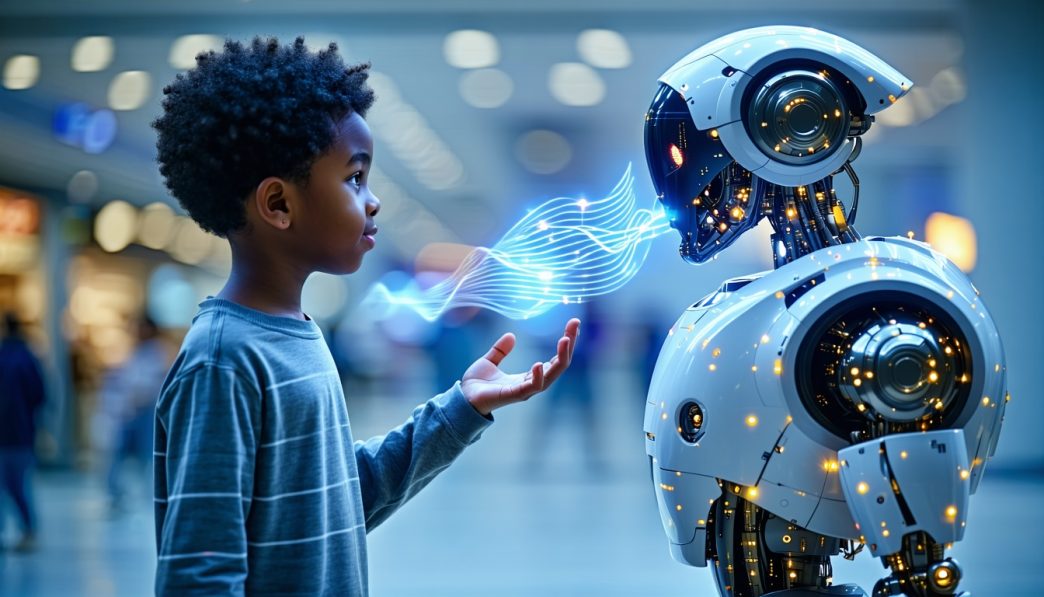
Integrating voice and gesture commands significantly enhances how robots interact with humans. This dual approach allows for more intuitive communication, making it easier for users to engage with robotic systems in their environments.
Benefits of Integrating Voice and Gesture Commands
The combination of voice and gesture commands offers numerous advantages. Below are some of the most notable benefits:
| Benefit | Description |
|---|---|
| Improved Accuracy | Using both voice and gestures reduces the potential for misinterpretation. Robots can better understand user intent when multiple cues are provided. |
| Enhanced Flexibility | Users can choose their preferred method of interaction based on the situation. For instance, a gesture can complement or clarify a voice command. |
| Increased Efficiency | Combining inputs allows robots to execute commands more rapidly, optimizing task completion times. |
| Natural Interaction | Mimicking human communication styles fosters a more relatable and instinctive interaction, bridging the gap between users and robots. |
By employing both voice and gesture commands, robots can create a more user-friendly environment that enhances the overall interaction experience. The integration of these commands aligns with the principles of human-robot interaction, ensuring that technology better accommodates human needs.
Enhancing User Experience through Combined Interaction
Combining voice and gesture commands not only redefines usability but also improves user satisfaction. Here’s how this integration benefits the user experience:
| Factor | Enhancement |
|---|---|
| User Engagement | A multi-modal approach keeps users engaged, as different commands cater to diverse preferences and contexts. |
| Accessibility | For individuals with speech impairments or hearing difficulties, gesture commands serve as an alternative means of interaction, promoting inclusiveness. |
| Context Awareness | Robots can assess the context better by interpreting both voice tone and gestures, resulting in more tailored responses. |
| Social Interaction | Incorporating robotic social cues through gestures makes interactions feel more personal and relatable, increasing trust and comfort. |
The combination of voice and gesture commands also supports trust between humans and robots, which is crucial in environments like homes and workplaces. This enhancement not only streamlines communication but contributes positively to robot responsiveness to humans. Ultimately, the goal is to create a seamless interaction experience where users feel understood and in control when engaging with robotic systems.
For those interested in how robots can respond to human emotions, exploring the robots understanding human emotions may provide additional insights into the evolving field of human-robot interaction. Furthermore, understanding robot etiquette and behavior design can help improve how humans perceive and interact with robots in various environments, ensuring a harmonious coexistence.
Safety Measures
Ensuring safety in human-robot interactions is essential for the effective and responsible integration of robotic systems into everyday life. As robots become more prevalent in various environments, from homes to workplaces, the importance of establishing safety measures cannot be overstated.
Ensuring Safety in Human-Robot Interactions
The primary focus in creating safe human-robot interactions is to minimize risks to human users while maximizing the robot’s functionality. Various strategies are in place to ensure this safety.
| Safety Measure | Description | Example Application |
|---|---|---|
| Proximity Sensors | Detects the presence of nearby individuals to prevent collisions. | Collaborative robots in factories. |
| Force Feedback | Reacts to unintentional contact with humans, halting movement. | Assistive robots in healthcare. |
| Emergency Stop | A manual or automatic mechanism to stop robot operation instantly. | Service robots in public spaces. |
| Soft Materials | Utilizing soft materials for robot construction to prevent injury. | Social robots used in homes. |
These strategies help foster trust between humans and robots, encouraging users to interact with robots confidently. Properly designed robots can respect personal space and respond to human actions appropriately, allowing for a smoother human-robot coexistence. Further exploration of this topic can be found in our article on trust between humans and robots.
Incorporating Safety Protocols in Voice and Gesture Commands
The integration of voice and gesture interaction with robots presents unique safety challenges. Incorporating safety protocols in command recognition is vital for preventing misunderstandings that could lead to unsafe interactions.
| Safety Protocol | Description | Implementation Examples |
|---|---|---|
| Command Confirmation | Requires users to confirm intentions before executing critical actions. | Smart home robots managing sensitive tasks. |
| Gesture Limits | Specifies which gestures are recognized to prevent confusion. | Robots designed for elderly assistance. |
| Adaptive Learning | Systems that adapt to user behavior, improving understanding over time. | Home assistant robots personalizing responses. |
| Error Recovery | Protocols for robots to handle misinterpreted commands gracefully. | Delivery robots returning to a base when confused. |
Implementing these safety protocols enhances robot responsiveness to humans, reducing the likelihood of accidents or misunderstandings during interaction. This insight is crucial as the field of robotics increasingly intersects with human factors and psychology. For a deeper look into social guidelines for robotic interactions, check our article on robot etiquette and behavior design.
Overall, safety measures are foundational in the development of user-friendly and secure robots. These measures pave the way for innovative human-robot collaborations that respect personal boundaries and ensure positive and safe interactions.
Emotional Intelligence in Robots
Robots are increasingly being designed to interpret not just commands but also emotional cues within those commands. This aspect of human-robot interaction represents a significant advancement in how robots can engage with users.
Understanding Emotional Cues in Commands
Emotional intelligence in robots focuses on the ability to understand and respond appropriately to the emotional states of their human counterparts. This involves recognizing vocal inflections, body language, and facial expressions that can indicate emotions such as happiness, frustration, or confusion.
Robots equipped with advanced sensors and software can analyze various vocal attributes to ascertain the emotional tone behind spoken commands. For instance, the robotic system can measure pitch, speed, and volume to determine the user’s emotional state. The following table outlines common emotional cues and their associated indicators:
| Emotion | Vocal Indicators | Gesture Indicators |
|---|---|---|
| Happiness | High pitch, fast tempo | Smiling, open gestures |
| Frustration | Raised volume, abrupt pauses | Frowning, tense fists |
| Confusion | Slowing down, uncertain tone | Head tilting, frowning |
| Anger | Loud, harsh tones | Pointed fingers, aggressive posture |
Understanding these emotional signals enables robots to adapt their responses accordingly, fostering more intuitive interactions. For example, a robot might soften its tone or take a step back if it detects frustration in the user’s voice.
Designing Robots with Emotional Intelligence
Creating robots that can effectively interpret emotional cues requires careful consideration of their design and programming. Engineers and designers are increasingly integrating principles from psychology and human factors into their development processes. This approach helps to enhance robots’ capacities for robot responsiveness to humans and ensures they adhere to acceptable robot etiquette and behavior design.
The design of interactive robots typically incorporates a blend of hardware—such as cameras and microphones—and sophisticated algorithms that can analyze input from these devices. The goal is to create a seamless experience that mimics human interaction, allowing for a deeper level of engagement with users. Below is a table summarizing key features integrated into emotionally intelligent robots:
| Design Feature | Purpose |
|---|---|
| Facial Recognition | Identify user emotions through expressions |
| Voice Analysis | Detect emotional tone and content |
| Gesture Tracking | Monitor non-verbal communication |
| Adaptive Responses | Alter behavior based on user emotional state |
Equipping robots with the ability to recognize and respond to emotions not only enhances human robot interaction but also builds trust between humans and robots. As robots become more integrated into daily life, such as in collaborative robots in homes, emotional intelligence will play a pivotal role in their acceptance and effectiveness.
Future Possibilities
As technology continues to advance, the potential for sophisticated voice and gesture interaction with robots becomes increasingly relevant. This section explores the promising future of these interactions and the implications for the evolving relationship between humans and robots.
Potential of Advanced Voice and Gesture Interaction
The future of voice and gesture interaction in robotics holds significant potential for enhancing user experiences. Advanced algorithms will allow robots to better understand complex commands and nuances in human communication. This paves the way for more intuitive interactions, where users can communicate with robots in a natural and seamless manner.
| Advancement | Description |
|---|---|
| Context Awareness | Robots will leverage machine learning to understand the context of interactions, improving their responsiveness. |
| Enhanced Multimodal Communication | Integration of voice and gesture commands will create more efficient communication pathways between humans and robots. |
| Personalized Interactions | Robots could adapt their responses based on individual user preferences and emotional states. |
These advancements could lead to robots being integrated into various aspects of daily life, from personal assistants in homes to collaborative robots in workplaces. The potential applications span across entertainment, education, healthcare, and assistive technologies, showcasing the versatility of human-robot interaction in addressing different needs.
Implications for Human-Robot Relationships
As robots become more adept at interpreting voice and gesture commands, the dynamics of human-robot relationships are likely to evolve. Increased reliability and responsiveness in robots can foster a sense of trust among users. According to research, trust plays a crucial role in how people perceive and utilize robotic systems.
| Relationship Aspect | Implication |
|---|---|
| Trust Development | Enhanced interactions may lead to deeper trust between humans and robots, positively affecting adoption rates. |
| Emotional Connection | Robots capable of recognizing and responding to emotional cues may foster stronger emotional bonds with users. |
| Social Integration | As robots demonstrate better responsiveness to human behaviors, they may become more accepted as social companions. |
Understanding robotic social cues is central to improving these relationships. Researchers emphasize the importance of designing robots with awareness of human emotions and social contexts. This is not merely about making robots efficient but also about ensuring that they behave in ways that are relatable and respectful to human users. For further insights into this aspect, refer to our article on robots understanding human emotions.
As voice and gesture interaction with robots evolves, it is essential to prioritize users’ psychological comfort and societal implications. Future advancements will significantly impact the design of robots, particularly in areas such as robot etiquette and behavior design and trust between humans and robots, ultimately shaping the future landscape of human-robot interaction.