


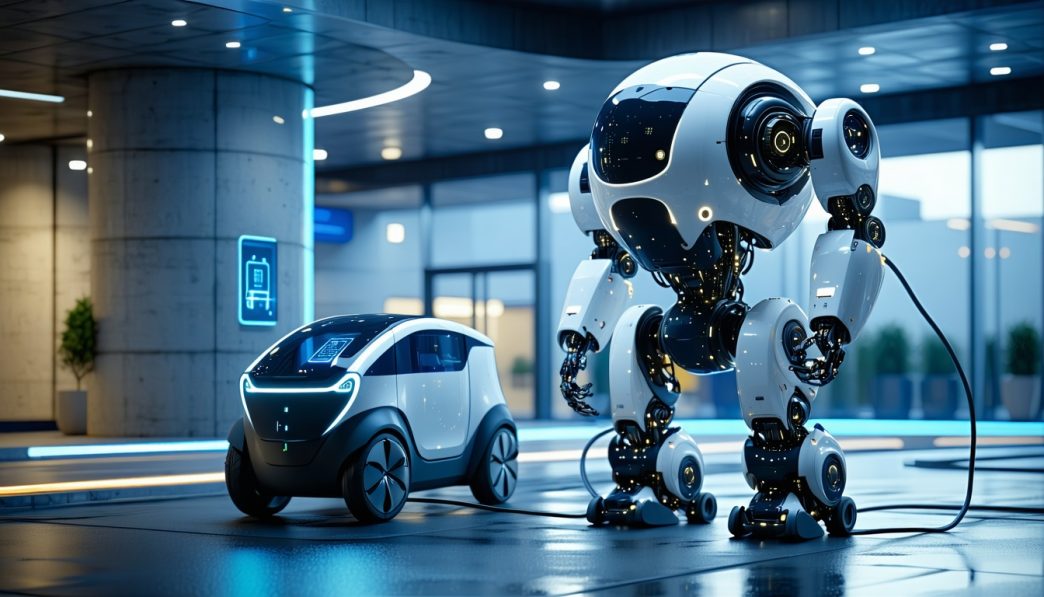
The Evolution of Charging Systems for Robots
As technology advances, charging systems for robots have evolved to address the growing demand for efficient and effective energy solutions. Ensuring robust battery life is a fundamental aspect of consumer robots, especially as they are integrated into daily life for various tasks, from cleaning to assisting in smart home environments.
Importance of Battery Life in Consumer Robots
Battery life plays a crucial role in the functionality and convenience of consumer robots. Longer battery life translates to extended operational time, reducing the frequency of charging interruptions. For tech enthusiasts and smart home owners, a robot that can perform its duties without needing frequent recharges enhances overall efficiency and user satisfaction.
| Battery Type | Average Life (hours) | Charging Time (hours) |
|---|---|---|
| Lithium-ion | 1.5 – 3 | 1 – 2 |
| Nickel-Metal Hydride | 1 – 2 | 3 – 5 |
| Lead Acid | 0.5 – 1 | 6 – 8 |
Despite advancements in battery technology, consumers often prefer robots equipped with fast charging systems. These systems significantly enhance battery life appreciation by providing quicker turnarounds for charging, ensuring that robots spend more time performing tasks rather than being docked to recharge. 
The Impact of Fast Charging on Robot Availability
Fast charging technology has a substantial impact on the availability of robots for tasks. This capability allows robots to recharge much quicker than traditional methods, which is particularly beneficial for users who rely on these devices throughout the day.
The table below illustrates the differences in charging times between standard and fast charging systems:
| Charging System | Standard Charging Time | Fast Charging Time |
|---|---|---|
| Low-capacity Robot | 3 hours | 1 hour |
| Medium-capacity Robot | 5 hours | 2 hours |
| High-capacity Robot | 8 hours | 3 hours |
With reduced charging times, users can deploy their robots more effectively and align with busy lifestyles without cumbersome delays for recharging. The ability to return to tasks rapidly after a short charging session enhances convenience and productivity.
Understanding the importance of power systems in robots is crucial for consumers seeking reliable machines that fit seamlessly into their routines. For more insights on how battery life affects robot performance and operation, refer to our article on robot battery life explained and explore advancements in robot battery and charging systems.
Understanding Fast Charging Technology
Fast charging technology has become essential for enhancing the efficiency and usability of consumer robots. This section will delve into how fast charging systems work and the benefits they bring to consumers.
How Fast Charging Systems Work
Fast charging systems utilize advanced technology to increase the rate at which a robot’s battery is replenished. These systems typically involve higher voltage and current levels compared to standard charging methods. Fast charging can be categorized into three types: rapid charging, quick charging, and adaptive charging.
- Rapid Charging: This method allows the battery to be charged at maximum capacity in the shortest possible time, making it ideal for robots that require quick turnaround.
- Quick Charging: This approach charges the battery faster than traditional methods but typically at a lower rate than rapid charging. It provides a good balance between speed and battery health.
- Adaptive Charging: This system intelligently adjusts the charging rate based on battery capacity and current charge level, helping to optimize the charging process for longer battery life.
The following table outlines the differences among these charging types:
| Charging Type | Charging Speed | Typical Applications |
|---|---|---|
| Rapid Charging | Very Fast | Industrial robots in urgent tasks |
| Quick Charging | Fast | Home cleaning robots |
| Adaptive Charging | Varies | General consumer robots, optimizing health |
Benefits of Fast Charging for Consumers
Fast charging systems offer several advantages for consumers, making them a worthwhile investment for robot owners. Some key benefits include:
- Increased Availability: Fast charging helps reduce downtime, ensuring that robots are available for operation when needed. This is particularly important for busy households or commercial environments.
- Enhanced User Experience: With shorter charging times, users can enjoy more continuous functionality from their robots, leading to improved satisfaction and productivity.
- Convenience and Efficiency: The ability to charge robots quickly allows users to integrate these devices seamlessly into their daily routines, facilitating ease of use and maintenance.
The efficiency of fast charging technology not only enhances convenience but also complements discussions around robot battery and charging systems and the importance of understanding battery capacity vs performance in robots.
Types of Fast Charging Systems in Robots
Fast charging systems play a crucial role in enhancing the usability of robots. Understanding the different types of fast charging systems can help tech enthusiasts, robot buyers, and smart home owners make informed decisions when selecting robots that align with their lifestyle needs.
Rapid Charging
Rapid charging systems are designed to significantly reduce the time taken to recharge a robot’s battery. These systems can often charge a battery to a substantial percentage in as little as 30 minutes, making them ideal for applications requiring quick turnaround times.
| Charging Type | Charge Time (Approx.) | Charge Capacity (% in 30 mins) |
|---|---|---|
| Rapid Charging | 30 minutes | 70-80% |
Rapid charging is increasingly used in commercial robots, where downtime needs to be minimized.
Quick Charging
Quick charging systems provide a more moderate fast charging solution. These systems typically take a bit longer than rapid chargers, usually between one to two hours to charge the battery significantly.
| Charging Type | Charge Time (Approx.) | Charge Capacity (% in 1 hour) |
|---|---|---|
| Quick Charging | 1-2 hours | 50-70% |
Quick chargers strike a balance between speed and battery health, often being a good fit for home robots that need to recharge occasionally but not immediately.
Adaptive Charging
Adaptive charging systems optimize the charging process based on the battery’s condition and usage patterns. These systems intelligently adjust the charge rate to ensure efficient charging without causing damage or decreasing the battery’s lifespan.
| Charging Type | Charge Time (Approx.) | Charge Capacity (% in 1 hour) |
|---|---|---|
| Adaptive Charging | Varies | Varies (depends on conditions) |
Adaptive charging is beneficial for robots used in varied environments as it maximizes battery performance and longevity. For an in-depth look at how these different charging methods impact battery life and efficiency, refer to other articles on our site.
By understanding these fast charging systems, consumers can better navigate their options for selecting the most suitable robots for their needs.
Factors Affecting Fast Charging Efficiency
When it comes to fast charging robots, several factors play a significant role in determining how efficiently a robot can be powered. Understanding these factors can help consumers make informed decisions about which robots best fit their needs.
Battery Capacity
Battery capacity is a crucial element influencing the efficiency of fast charging systems. Measured in milliampere-hours (mAh), a battery’s capacity indicates how much energy it can store. Robots equipped with higher capacity batteries can run longer between charges but may also take longer to charge completely.
| Battery Capacity (mAh) | Charging Time with Fast Charger (Hours) |
|---|---|
| 2000 | 1.5 – 2 |
| 4000 | 3 – 4 |
| 6000 | 5 – 6 |
| 8000 | 7 – 8 |
For effective fast charging, the battery capacity in relation to the charging output is vital. To learn more about how battery capacity affects performance, check out our article on battery capacity vs performance in robots.
Voltage Compatibility
Voltage compatibility is another significant factor in fast charging efficiency. The voltage of the charging system must match the battery voltage requirements. Incompatible voltage levels can lead to ineffective charging or potential damage to the battery and the robot itself.
Fast charging systems often use higher voltages to reduce charging time. Upgrading the voltage requires careful design to ensure the robot can handle the increased power without overheating or compromising safety. For insights on battery safety, refer to our article on battery safety in robots.
| Charging Voltage (V) | Compatible Battery Voltage (V) |
|---|---|
| 5 | 3.7 |
| 9 | 7.4 |
| 12 | 11.1 |
| 24 | 22.2 |
Charging Time
Charging time is the duration it takes for a battery to reach full capacity. Fast charging significantly decreases this time compared to standard methods. However, the actual charging time can vary based on both the robot’s battery capacity and the charging technology used.
Fast charging can typically reduce the charging duration to less than half that of traditional charging methods. Understanding the expected charge times is important for practical robot usage.
| Charging Method | Estimated Charging Time (Hours) |
|---|---|
| Standard Charging | 4 – 8 |
| Fast Charging | 1 – 4 |
For a deeper dive into robot battery and charging systems, check out our article on robot battery and charging systems. Evaluating these factors can aid consumers in selecting the fast charging robots that meet their lifestyle demands while minimizing interruptions for charging.
Advantages of Fast Charging Robots
Fast charging robots offer several key advantages that enhance their functionality and user experience. These benefits are significant for technology enthusiasts, robot buyers, and smart home owners seeking reliable and efficient solutions for their everyday needs.
Increased Robot Availability
One of the primary advantages of fast charging robots is increased availability. With traditional charging systems, robots may require significant downtime to recharge, limiting their operational time. Fast charging technology allows robots to recharge quickly, which translates to more time spent on tasks rather than idling.
The following table outlines the average charging times for different types of robots with varying charging technologies:
| Charging Technology | Average Charging Time | Operational Time After Charge |
|---|---|---|
| Standard Charging | 6-8 hours | 1-2 hours |
| Quick Charging | 1-2 hours | 4-6 hours |
| Rapid Charging | 30-60 minutes | 8-10 hours |
With the ability to recharge rapidly, robots equipped with this technology can be back in action much faster, significantly improving their overall availability.
Enhanced User Experience
Fast charging robots also provide an enhanced user experience. Users often prefer devices that are ready when needed without long wait times. The convenience of rapid recharge improves satisfaction, as it enables the robots to be deployed for a range of tasks without the worry of battery life.
Additionally, fast charging systems can reduce user anxiety regarding the readiness of the robot. With less frequent interruptions for charging, users can trust that their robots will be operational when required. Information about robot battery life explained can provide further insights into battery management.
Convenience and Efficiency
Fast charging technology brings significant convenience and efficiency to users. Busy lifestyles often dictate limited time slots for chores and tasks. Fast charging allows robots to be charged during short breaks or while users are occupied with other duties, resulting in minimal disruption to their workflow.
Moreover, the integration of fast charging systems into robots enhances their overall efficiency by streamlining the charging process. Users can utilize time management tools to optimize when to charge their robots, gaining maximum performance over the day.
For additional insights into charging systems and how they affect robot operations, check out robot battery and charging systems. Fast charging robots represent a significant advancement in technology, catering to practical-minded individuals who desire seamless integration of robotics into their everyday lives.
Challenges in Implementing Fast Charging
While fast charging technology promises to enhance the usability of consumer robots, several challenges arise during its implementation. These obstacles must be addressed to ensure that fast charging robots run efficiently and consistently.
Heat Management
Fast charging systems generate considerable heat as they rapidly deliver power to robot batteries. Excessive heat can lead to performance degradation and pose safety hazards. Efficient heat management solutions are crucial for maintaining optimal operating temperatures during the charging process.
Common strategies to handle heat include:
- Integrated Cooling Systems: These may involve fans or liquid cooling solutions.
- Thermal Regulation: Systems designed to monitor temperatures and adjust charging speeds accordingly.
Effective heat management is essential for ensuring the longevity and safety of robot batteries. For insights on battery safety, refer to our article on battery safety in robots.
Battery Lifespan
While fast charging significantly reduces charging time, it can also adversely affect battery lifespan. Rapid charging produces stress on battery cells, which may lead to a reduction in the number of charge cycles a battery can endure. Understanding the balance between quick charging and maintaining battery health is essential for consumers.
| Charging Method | Typical Lifespan (Charge Cycles) |
|---|---|
| Standard Charging | 500 – 1000 |
| Fast Charging | 300 – 500 |
Consumers must be informed about the trade-offs between fast charging and battery longevity. For more on how battery life is affected by usage, check out our article on robot battery life explained.
Compatibility Issues
The implementation of fast charging systems may also be hindered by compatibility challenges. Different robots may use various battery chemistries, connector types, and charging protocols. Ensuring widespread compatibility among different fast charging systems and devices is crucial for manufacturers.
Key factors include:
- Charging Connector Types: Standardization is needed to streamline the charging process across various robot models.
- Battery Chemistry: Different battery types may have unique voltage and current requirements for optimal fast charging.
Addressing these compatibility issues will enhance user experience and make fast charging robots more accessible. For related information, refer to our article on robot charging docks and battery swapping in robots.
Future Trends in Fast Charging Technology
As the demand for fast charging robots increases, several trends are emerging that promise to enhance the efficiency and convenience of these robotic systems. The following sections will explore three significant advancements in charging technology: wireless fast charging, smart charging solutions, and sustainable charging practices.
Wireless Fast Charging
Wireless fast charging is expected to revolutionize how robots replenish their energy. This technology eliminates the need for physical connectors by using electromagnetic fields to transfer energy between a charging station and the robot. This advancement removes the hassle of plugging in devices, allowing robots to charge while in use or parked on designated charging pads.
Several advantages are associated with wireless charging:
| Advantages | Description |
|---|---|
| Convenience | Robots can charge without manual intervention. |
| Reduced Wear | No physical connectors means less wear and tear on ports. |
| Efficiency | Continuous charging allows for more uptime. |
For more information on this technology, visit our article on wireless charging for robots.
Smart Charging Solutions
Smart charging solutions use data and algorithms to optimize the charging process of robots. These systems assess various factors such as battery capacity, usage patterns, and operational demands to determine the most efficient way to recharge.
Benefits of smart charging include:
| Benefits | Description |
|---|---|
| Energy Efficiency | Reduces power consumption by timing charging sessions effectively. |
| Longer Battery Life | Adjusts charging rates to preserve battery health. |
| Predictive Charging | Anticipates charging needs based on user habits. |
Smart charging enhances the overall user experience and minimizes downtime, ensuring that robots are always ready for action. Learn more about robot battery and charging systems in our article on robot battery and charging systems.
Sustainable Charging Practices
As concerns about the environment grow, sustainable practices in battery technology are becoming increasingly important. Innovations such as eco-friendly batteries and renewable energy sources are being integrated into fast charging systems.
Key aspects of sustainable charging include:
| Key Aspects | Description |
|---|---|
| Eco-Friendly Batteries | Development of batteries that have a minimal environmental impact. |
| Renewable Energy | Utilizing solar or wind energy to power charging stations. |
| Battery Swapping | Creating systems that allow for quick battery replacements, minimizing downtime and promoting battery recycling. |
These advancements not only contribute to a greener planet but also align with the practical needs of consumers looking for efficient and responsible technology solutions. For further insights, visit our article on robot battery life explained.
The evolution of charging technologies promises to make fast charging robots even more accessible and efficient, providing tech enthusiasts and smart home owners with solutions that fit their lifestyles seamlessly.


