


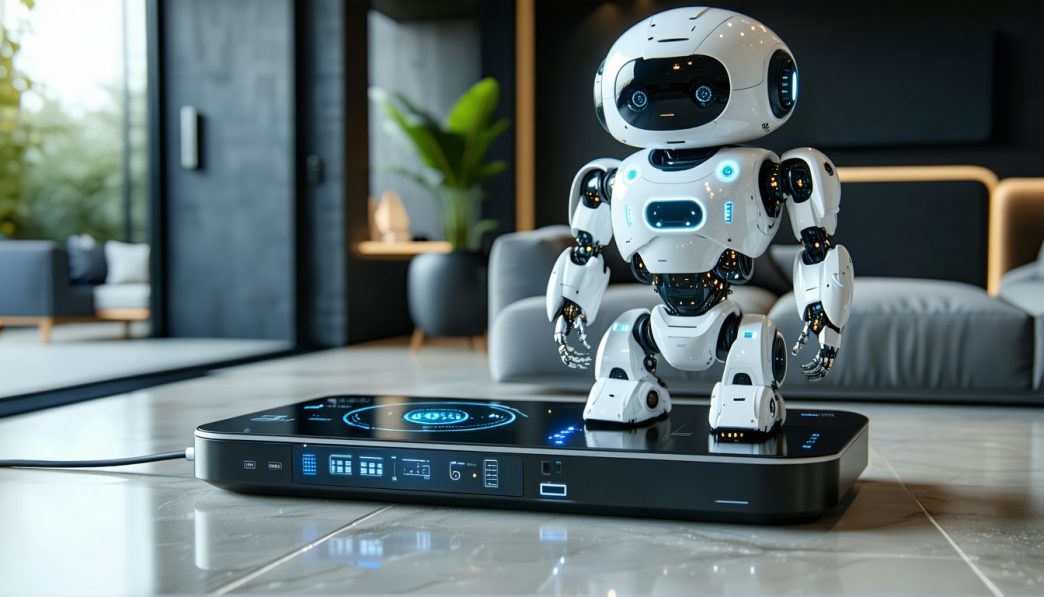
The Role of Charging Stations in Robotics
Importance of Battery Life in Consumer Robots
Battery life is a crucial aspect of consumer robots, as it directly impacts their usability and effectiveness. Prospective owners often prioritize devices that can operate for extended periods without the need for frequent recharging. This desire for longevity stems from practical considerations, such as ensuring that robots can complete tasks without interruption. Understanding how battery life affects robot performance can lead to better purchasing decisions. For more details, refer to our article on robot battery life explained.
| Robot Type | Typical Battery Life (hours) |
|---|---|
| Vacuum Robot | 60 – 120 |
| Lawn Mower Robot | 90 – 180 |
| Floor Scrubbing Robot | 90 – 150 |
Evolution of Charging Systems in Robotics
Over the years, charging systems in robotics have evolved significantly. Early robots relied on basic plug-in chargers, which required manual connection and disconnection. As technology advanced, the introduction of more sophisticated charging solutions became necessary to meet the growing demands of robotic functionality.
Modern innovations include automatic charging stations that allow robots to return to their docks autonomously when battery levels are low. This evolution enhances user convenience and ensures that devices are always ready for operation. For additional insights into battery management, see our article on robot battery and charging systems. 
Overview of Automatic Charging Stations
Automatic charging stations have become a game changer in the robotics field. These stations eliminate the constant need for manual recharging and enable robots to maintain optimal performance without user intervention. Typically equipped with sensors, these smart docks detect when a robot is running low on power and guide it back to recharge.
Modern automatic charging stations feature additional capabilities such as fast charging technology and integrated cleaning systems for the robot. Detailed features vary based on the specific model, making it essential for potential buyers to consider their needs carefully when selecting a robot charging dock. For strategies on energy efficiency, explore our section on fast charging robots.
| Feature | Description |
|---|---|
| Sensor Detection | Automatically identifies low battery levels |
| Self-Alignment | Guides robots to the charger |
| Fast Charging Capability | Reduces downtime through quicker charging |
| Cleaning Integration | Some docks can clean robot brushes during charging |
The diversity in charging technology significantly enhances the overall user experience, integrating seamlessly into smart home systems. Users can enjoy the benefits of advanced robotics without the hassle of regular maintenance.
Understanding Automatic Charging Stations
Automatic charging stations play a vital role in ensuring that consumer robots operate smoothly without frequent interruptions for recharging. This section explores the functionality, benefits, and features of modern charging docks designed specifically for robots.
How Automatic Charging Stations Work
Automatic charging stations function through a combination of hardware and software that facilitate seamless recharging. Typically, these stations use conductive charging methods, where the robot aligns itself with the charger when its battery is low.
The process generally involves:
- Navigation: The robot uses sensors and cameras to find its way back to the charging dock when battery levels drop.
- Connection: Once aligned, the dock connects to the robot’s charging port through direct contact or inductive pads.
- Charging: Power is transferred from the dock to the robot, allowing it to recharge its battery efficiently.
| Step | Description |
|---|---|
| Navigation | Robot identifies the charging station location using sensors. |
| Connection | Dock aligns with the robot to establish charging. |
| Charging | The battery receives power until fully charged. |
Advantages of Automated Charging for Robots
Opting for automated charging systems offers several benefits for users who prioritize convenience and efficiency in their robotic devices:
- Reduced Downtime: Robots can autonomously return to charging stations, minimizing operational disruptions.
- Extended Battery Life: Regular recharging helps maintain optimal battery health, as robots can recharge before completely depleting their batteries.
- User Convenience: Users do not need to manually charge their robots, allowing for a more effortless integration into their routines.
These advantages cater to the lifestyles of tech enthusiasts and smart home owners who prefer low-maintenance devices. For more insights into charging technologies, see our article on robot battery and charging systems.
Features of Modern Charging Docks
Modern charging docks come equipped with several advanced features designed to enhance the functionality and usability of robot charging. These include:
- Smart Sensors: Detect when a robot is approaching and adjust accordingly for ease of docking.
- Fast Charging Capabilities: Many docks now support rapid charging technology, allowing robots to recharge in a fraction of the time. For information on rapid charging solutions, refer to our article on fast charging robots.
- Safety Mechanisms: Integrated safety features help prevent overcharging and overheating, ensuring the longevity of both the battery and the robot. Learn more about safety concerns in our section on battery safety in robots.
| Feature | Description |
|---|---|
| Smart Sensors | Automate the docking process for easy charging. |
| Fast Charging | Decreases charging time significantly. |
| Safety Mechanisms | Protect both the robot and battery from damage. |
The evolution of automatic charging systems reflects the growing demand for user-friendly and efficient robotic solutions in everyday life. By understanding how these charging docks work and their benefits, consumers can better select robots that meet their needs.
Different Types of Robot Charging Docks
When it comes to powering consumer robots, various charging dock options are available. Each type offers specific benefits and features that cater to the needs of tech enthusiasts, robot buyers, and smart home owners. Understanding these options can help individuals make informed decisions about the charging systems that best fit their lifestyle.
Inductive Charging Stations
Inductive charging stations utilize electromagnetic fields to transfer energy from the dock to the robot. This method eliminates the need for physical connectors, allowing for a more seamless charging experience. These stations are especially beneficial for robots that require frequent charging without the hassle of connecting and disconnecting cables.
| Feature | Description |
|---|---|
| Charging Method | Electromagnetic induction |
| Convenience | No cables required |
| Compatibility | Designed for various robot models |
| Charging Time | Moderate to long, depending on robot model |
Inductive charging can also contribute to maintaining the integrity of charging ports, leading to less wear and tear over time.
Plug-In Charging Docks
Plug-in charging docks are the traditional charging option, where robots connect directly to a power source via a cable. These docks are known for their reliability and typically offer faster charging times compared to their inductive counterparts. However, the reliance on physical connections may pose some challenges for users.
| Feature | Description |
|---|---|
| Charging Method | Direct electricity via cables |
| Convenience | Requires manual connection |
| Charging Speed | Generally faster than other types |
| Durability | Ports can wear down over time |
For individuals seeking fast charging robots, plug-in options may be the most effective solution.
Solar-Powered Charging Stations
Solar-powered charging stations harness sunlight to power robots, making them an eco-friendly alternative. These docks typically include solar panels that convert sunlight into electricity, allowing robots to charge without relying on grid power. This is particularly useful for outdoor robots or homes that prioritize sustainability.
| Feature | Description |
|---|---|
| Charging Method | Solar energy |
| Convenience | Passive charging when exposed to sunlight |
| Cost Efficiency | Potentially lowers electricity costs |
| Environmental Impact | Eco-friendly option |
For those interested in sustainable technology, exploring eco-friendly robot batteries and charging solutions can be advantageous.
Understanding these different types of charging docks allows users to choose the most suitable power solutions for their robotic devices. Each option presents unique advantages that cater to differing preferences regarding convenience, speed, and environmental impact. Incorporating this knowledge helps optimize both battery life and the overall performance of consumer robots. For detailed insights about battery performance with these charging systems, refer to articles like robot battery life explained and robot battery and charging systems.
Factors to Consider When Choosing Charging Stations
When selecting the right charging station for consumer robots, several critical factors should be evaluated. These aspects ensure that the robotic device operates efficiently and meets the user’s lifestyle needs without frequent interruptions for charging.
Compatibility with Robot Models
Not all robot charging docks are compatible with every robot model. It is essential to verify that the charging station is designed for use with a specific robot brand and model. This compatibility ensures that the station connects properly and provides the correct voltage and amperage required for charging.
| Robot Model Compatibility | Example Features |
|---|---|
| Model A | Compatible with specific robotic vacuum cleaners |
| Model B | Works with select robotic lawn mowers |
| Model C | Designed for various floor cleaning robots |
Users should consult the manufacturer’s specifications for both the robot and the charging dock, referencing articles like robot battery and charging systems to better understand their options.
Charging Time and Efficiency
Charging time significantly affects the convenience of using robots. A quicker charging process allows for minimal downtime. Efficiency is also important; some charging docks may have advanced features that optimize power usage, reducing electricity costs while ensuring that batteries are charged effectively.
| Charging Dock Type | Average Charging Time | Efficiency Rating |
|---|---|---|
| Inductive Charging | 3-5 hours | High |
| Plug-In Docking | 1-3 hours | Moderate |
| Solar-Powered | 5-8 hours | Variable |
For those interested in time-saving technologies, exploring fast charging robots can offer insights into innovations designed to decrease charging durations.
Durability and Maintenance
The durability of a charging dock is crucial for long-term use. A robust station withstands wear and tear from regular use, particularly in busy home environments. Additionally, maintenance ease should be considered. A dock that is difficult to clean or requires frequent repairs can detract from the overall convenience of robotic appliances.
| Consideration | Importance |
|---|---|
| Material Quality | High durability leads to longer lifespan |
| Maintenance Level | Easy maintenance enhances user experience |
| Warranty | A good warranty suggests manufacturer confidence in product |
For guidance regarding the safety and care of robotic batteries, the article on battery safety in robots provides essential insights. Users may also find advantages in exploring battery swapping in robots as a maintenance strategy.
Innovations in Robot Charging Technology
Advancements in charging technology have significantly improved the efficiency and convenience of robot operations. Innovations such as wireless charging solutions, smart charging algorithms, and integration with home automation systems are transforming how robots charge and maintain power.
Wireless Charging Solutions
Wireless charging technology is gaining popularity in the robotics field. This method eliminates the need for physical connections, allowing robots to charge simply by being positioned close to a charging dock. The technology primarily utilizes inductive charging, where energy is transferred through electromagnetic fields.
| Advantage | Description |
|---|---|
| Convenience | No need to plug and unplug chargers. |
| Safety | Reduces wear on connectors, minimizing potential damage. |
| Accessibility | Ideal for hard-to-reach areas or multiple robots. |
Wireless charging for robots enhances usability, especially in homes and workplaces where frequent manual charging can disrupt tasks. For more details, visit our article on wireless charging for robots.
Smart Charging Algorithms
Smart charging algorithms optimize the charging process according to the robot’s specific needs and usage patterns. These algorithms assess factors like battery level, usage frequency, and ambient conditions to determine the most efficient charging schedule.
| Feature | Benefit |
|---|---|
| Adaptive Charging | Adjusts power input based on battery condition, extending longevity. |
| Scheduling | Charges at off-peak times, conserving energy and saving costs. |
| Monitoring | Provides real-time data on battery health and charging efficiency. |
The implementation of smart charging algorithms improves battery life and operational efficiency. For insights into robot battery life, refer to our article on robot battery life explained.
Integration with Home Automation Systems
With the rise of smart home technology, integrating robot charging docks with home automation systems has become increasingly common. This integration enables robots to communicate with other smart appliances and systems, streamlining operations and enhancing user experience.
| Integration Type | Benefits |
|---|---|
| Voice Commands | Control charging routines via smart speakers. |
| Remote Monitoring | Monitor charging status through smartphone apps. |
| Automation | Start charging based on user-defined schedules or robot activity. |
By integrating with home automation systems, charging stations become more user-friendly and efficient. For more on this topic, consider reading about robot battery and charging systems.
These innovations in robot charging technology significantly enhance the practicality and ease of use for consumers. They address both the need for efficient battery management and the desire for hassle-free operations in busy households or work environments.


