


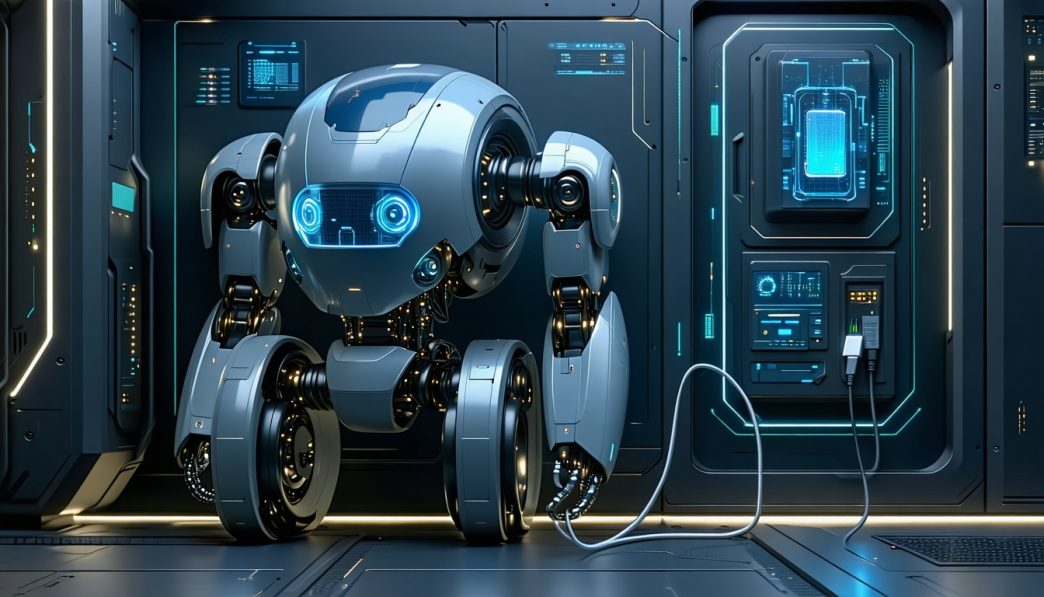
Powering the Robots
Keeping robots powered and ready to operate hinges on efficient battery systems and effective charging mechanisms. With the increasing reliance on robots in various settings, understanding these components has become essential for tech enthusiasts, robot buyers, and smart home owners.
Importance of Efficient Battery Systems
Efficient battery systems play a crucial role in the overall effectiveness of a robot. They not only influence how long a robot can perform its tasks but also affect the robot’s ability to recharge quickly, thus reducing downtime. This efficiency directly impacts user satisfaction, as consumers prefer robots that can operate continuously without frequent interruptions.
The choice of battery type also contributes to the efficiency of overall energy consumption. Below is a comparison of common battery types based on their efficiency metrics. 
| Battery Type | Energy Density (Wh/kg) | Charge Time (Hours) | Cycle Life (Charge/Discharge) |
|---|---|---|---|
| Lithium-Ion Batteries | 150 – 250 | 1 – 3 | 500 – 2000 |
| Nickel-Metal Hydride Batteries | 60 – 120 | 2 – 6 | 300 – 500 |
| Lead-Acid Batteries | 30 – 50 | 4 – 8 | 200 – 300 |
As seen in the table, lithium-ion batteries are preferred due to their high energy density and longer cycle life. Ensuring robots are equipped with efficient battery systems is vital for optimal performance.
Understanding Charging Mechanisms
Charging mechanisms determine how quickly and effectively robots recharge their batteries. Understanding these mechanisms can aid users in maximizing the performance and longevity of their devices.
-
Wired Charging: Most robots utilize a direct wired connection to charging docks, which allows for fast recharging. The charging time varied significantly depending on the battery type. For instance, lithium-ion batteries typically require less time to charge compared to lead-acid batteries. For detailed insights into this technology, refer to our article on fast charging robots.
-
Wireless Charging: This innovative charging method is becoming increasingly common for robots, allowing for easier placement and convenience. It uses electromagnetic fields to transfer energy from the charging pad to the robot. This technology is addressed more in our article on wireless charging for robots.
-
Smart Charging Features: Many modern robots come equipped with smart charging systems that optimize the charging process based on battery health, environmental conditions, and user habits. These systems can prevent overcharging and extend battery lifespan, which is essential for maintaining performance. For more information on these features, check our article on battery safety in robots.
Overall, understanding these charging mechanisms can enable users to select robots that fit their lifestyle while minimizing interruptions for charging. Knowledge of battery systems complements the selection process, ensuring that users choose robots that meet their needs effectively.
Types of Batteries Used
In consumer robots, the type of battery used plays a crucial role in efficiency, performance, and maintenance. This section will examine three common battery types utilized in robotic systems: lithium-ion batteries, nickel-metal hydride batteries, and lead-acid batteries.
Lithium-Ion Batteries
Lithium-ion (Li-ion) batteries are widely regarded as the most popular choice for powering robots. They offer a high energy density, which allows for longer run times in a compact size. These batteries are lightweight and have a relatively low self-discharge rate, making them highly efficient.
| Feature | Description |
|---|---|
| Energy Density | High |
| Lifespan | 2-3 years (with proper maintenance) |
| Self-Discharge Rate | Low |
| Charging Time | 1-4 hours (depending on technology) |
| Common Applications | Domestic robots, drones, and smart devices |
Lithium-ion batteries are also known for their ability to support fast charging mechanisms, making them suitable for applications where minimal downtime is crucial. More information about fast charging solutions can be found in our article on fast charging robots.
Nickel-Metal Hydride Batteries
Nickel-metal hydride (NiMH) batteries were once the go-to option before lithium-ion batteries became prevalent. NiMH batteries still have their place in certain robotic applications due to their ability to handle a higher discharge rate compared to some other battery types.
| Feature | Description |
|---|---|
| Energy Density | Moderate |
| Lifespan | 3-5 years (with proper maintenance) |
| Self-Discharge Rate | Moderate |
| Charging Time | 3-6 hours |
| Common Applications | Older robotics models and some household appliances |
These batteries are valued for their stability and safety over lithium-ion batteries. NiMH batteries also have less environmental impact than lithium batteries, making them a more eco-friendly option. Read more about sustainable choices in our article on eco-friendly robot batteries.
Lead-Acid Batteries
Lead-acid batteries are known for their robustness and affordability. These batteries are often used in heavier robots and machines where weight is less of a concern due to their larger size.
| Feature | Description |
|---|---|
| Energy Density | Low |
| Lifespan | 1-3 years (depending on usage) |
| Self-Discharge Rate | High |
| Charging Time | 8-12 hours |
| Common Applications | Industrial robots and larger autonomous systems |
While lead-acid batteries can offer reliable power, their weight and size can be limiting factors for many consumer robots. Maintenance of these batteries typically involves ensuring correct water levels and balancing the charge. Insights on battery safety can be found in our article on battery safety in robots.
Understanding the different types of batteries available allows consumers to make informed choices when selecting robots that best fit their lifestyle and operational needs. Maximizing battery life and performance is essential, with resources available on topics like robot battery life explained and battery capacity vs performance in robots to guide users.
Battery Life Expectancy
Understanding the lifespan of robot batteries is crucial for ensuring that robots operate efficiently and meet user expectations. Factors can significantly impact battery longevity, and there are various strategies to maximize their life.
Factors Affecting Battery Life
Several elements can influence the battery life of consumer robots. These include:
| Factor | Impact |
|---|---|
| Temperature | Extreme heat or cold can reduce battery efficiency. Optimal operating temperatures are crucial for performance. |
| Charge Cycles | Each full charging and discharging cycle affects the overall lifespan. Frequent cycles can lead to wear and tear. |
| Usage Patterns | Continuous use or heavy workloads can drain batteries faster. Varying tasks can impact how much energy is consumed. |
| Battery Type | Different batteries have varying potencies and durability. Lithium-ion batteries generally have better longevity than NiMH or lead-acid types. |
For more details on how each element plays a role, refer to our article on robot battery life explained.
Maximizing Battery Lifespan
To enhance battery longevity and optimize performance, several best practices can be implemented:
| Practice | Description |
|---|---|
| Optimal Charging | Avoid letting batteries fully discharge. Keeping the charge between 20%-80% can prolong lifespan. |
| Temperature Control | Store and operate robots within recommended temperature ranges to prevent overheating or freezing. |
| Regular Updates | Keeping the robot’s software updated can improve battery management and efficiency. |
| Periodic Maintenance | Routine checks and cleaning of contacts can ensure optimal charging efficiency and safety. For tips on safety, see our article on battery safety in robots. |
By implementing these strategies, technology enthusiasts and smart home owners can ensure they enjoy uninterrupted usage of their robots. For additional information on charging methods, check out articles on fast charging robots and wireless charging for robots.
Charging Systems
Charging systems are integral to the operation and efficiency of robots. Understanding the various charging methods available can help users select robots that align with their lifestyle needs.
Fast Charging Technology
Fast charging technology is designed to minimize the downtime of robots between tasks. This technology allows for rapid recharge of batteries, enabling robots to return to work without prolonged interruptions.
Typically, fast chargers can replenish battery levels significantly quicker than standard chargers. The table below illustrates the charging times for various battery types when using fast charging technology:
| Battery Type | Standard Charge Time | Fast Charge Time |
|---|---|---|
| Lithium-Ion | 4-6 hours | 1-2 hours |
| Nickel-Metal Hydride | 5-8 hours | 2-4 hours |
| Lead-Acid | 8-12 hours | 3-5 hours |
For those interested in robots with this feature, exploring the topic of fast charging robots provides further details on its implementation and benefits.
Wireless Charging Solutions
Wireless charging solutions offer a convenient alternative to traditional charging methods. Through the process of electromagnetic induction, robots can charge without the need for direct cable connections.
This type of charging increases user convenience and reduces wear on charging ports. Additionally, robotic systems equipped with this technology can maintain docked status while autonomously charging.
The efficiency of wireless chargers can vary depending on the design and technology used. Key advantages include reduced clutter and improved robot durability. For more information on wireless solutions, refer to our article on wireless charging for robots.
Smart Charging Features
Smart charging features enhance the robot’s ability to manage its power needs effectively. These systems can automatically adjust the charging process based on battery health, energy availability, and user schedules.
Key functionalities include:
- Battery Health Monitoring: Keeping track of battery performance and notifying users if attention is needed.
- Scheduling Charges: Allowing users to set specific times for charging, such as during off-peak electricity hours.
- Environmental Adaptability: Adjusting charging rates based on ambient temperature to prolong battery life.
These smart features help optimize the robot’s operation and user convenience. To learn more about charging mechanisms in robots, check out our article on robot charging docks.
Understanding these aspects of robot battery and charging systems supports informed decisions while enhancing the user experience.
Maintenance Tips
Maintaining a robot’s power and charging systems is crucial for ensuring optimal performance and longevity. This section outlines best practices in storage, cleaning, and software management.
Proper Storage Practices
When not in use, it’s important to store robots in a suitable environment to prevent damage to the battery and overall system. Ideally, they should be kept in a cool, dry place away from direct sunlight. Temperature extremes can negatively affect battery health.
| Storage Condition | Recommended Range |
|---|---|
| Temperature | 32°F to 86°F (0°C to 30°C) |
| Humidity | 20% to 80% |
Implementing these storage practices will help prolong the life of both the robot and its battery systems.
Cleaning and Care
Regular cleaning is essential to maintain a robot’s performance. Dust and debris can accumulate in charging ports and vents, leading to inefficient energy transfer.
Key cleaning steps include:
- Wipe Down Surfaces: Use a soft, damp cloth to clean the robot’s exterior.
- Clean Charging Contacts: Check and clean the charging contacts with a soft brush or cloth to ensure optimal connectivity.
- Check for Blockages: Ensure that wheels, brushes, or sensors are free from dust or hair.
Regular maintenance helps uphold the efficiency of the robot’s battery and charging systems.
Software Updates and Optimization
Software plays a crucial role in managing battery performance and charging efficiency. Keeping the robot’s software up-to-date allows it to take advantage of enhancements and fixes that improve its power management.
Important steps include:
- Check for Updates Regularly: Most robots can be updated through companion apps or Wi-Fi connectivity.
- Optimize Charging Settings: Adjust settings for scheduled charging times, especially if the robot is idle for extended periods.
By ensuring the software is current, users can maximize the robot’s usability. For more insights on robot battery life management, refer to our article on robot battery life explained.
By following these maintenance tips, users can enhance the performance, safety, and lifespan of their robots, ensuring a seamless integration into their lifestyles.
User-Friendly Features
When selecting consumer robots, understanding their user-friendly features related to battery and charging systems can enhance usability and convenience. Key features include battery status indicators, automatic docking and charging, and energy-saving modes, all designed to minimize interruptions and maximize efficiency.
Battery Status Indicators
Battery status indicators provide real-time information on remaining battery life, ensuring users are informed about the operational capacity of their robots. These indicators can be visual (like LED lights) or digital displays that show the percentage of battery left.
| Indicator Type | Description |
|---|---|
| LED Lights | Often show a color code indicating battery status (e.g., green for full, red for low) |
| Digital Display | Shows precise percentage of remaining battery life |
Understanding battery levels allows users to effectively plan charging sessions and avoid unexpected interruptions during tasks. For more insights into how battery life affects robot performance, refer to our article on robot battery life explained.
Automatic Docking and Charging
Automatic docking and charging features enable robots to return to their charging stations autonomously when battery levels are low. This functionality eliminates the need for users to manually recharge their devices, allowing them to focus on other tasks.
Table illustrating robot docking options:
| Docking Method | Description |
|---|---|
| Standard Docking | Robot navigates to a fixed charging station to recharge |
| Adaptive Docking | Robot identifies and connects to the nearest charging dock in its environment |
For more information on various docking systems, explore our article on robot charging docks.
Energy-Saving Modes
Energy-saving modes help prolong battery life by reducing power consumption during periods of inactivity. These modes can be preset or activated manually, allowing robots to enter a low-power state when not in use.
| Energy Mode Type | Features |
|---|---|
| Sleep Mode | Automatically activates after a specified duration of inactivity |
| Standby Mode | Reduces power usage while maintaining system readiness |
Implementing energy-saving features is essential for maximizing battery capacity and performance. For more details on how battery capacity affects performance, check out our article on battery capacity vs performance in robots.
These user-friendly features contribute significantly to the efficient operation of robot battery and charging systems, aligning with the needs of tech enthusiasts, robot buyers, and smart home owners seeking convenience and reliability in their devices.
Future Developments
As technology advances, robot battery and charging systems are evolving to enhance performance and efficiency. This section delves into the significant innovations that are shaping the future of how robots are powered.
Advances in Battery Technology
Recent developments in battery technology focus on improving energy density, safety, and charging speed. New materials and chemistries are being researched to increase the capacity and lifespan of batteries used in robots.
| Battery Type | Energy Density (Wh/kg) | Estimated Lifespan (Cycles) |
|---|---|---|
| Lithium-Ion | 150-200 | 500-1500 |
| Nickel-Metal Hydride | 60-120 | 300-1000 |
| Solid-State | 300+ | 2000+ |
Solid-state batteries, in particular, have gained traction for their potential to offer higher energy densities and improved safety compared to traditional lithium-ion batteries. Enhanced energy capacity allows robots to work longer without needing frequent charges, a feature valued by tech enthusiasts and smart home owners.
Autonomous Charging Capabilities
Robots are increasingly designed with autonomous charging capabilities. This feature allows them to recharge themselves without human intervention, thus eliminating manual charging tasks.
Autonomous charging involves several key aspects:
- Automatic Docking: Robots can locate and dock themselves with charging stations when their battery is low.
- Battery Swapping: In future systems, robots may incorporate battery swapping technology, enabling quicker changeovers instead of waiting for a full charge. For more on this, check battery swapping in robots.
- Smart Navigation: Using sensors and mapping technology, robots can efficiently navigate to their charging docks, ensuring they remain powered and ready.
These innovations enhance user convenience by reducing the attention required to manage charging schedules.
Sustainability in Robot Power
As the focus on sustainability grows, the development of eco-friendly robot batteries becomes increasingly important. These batteries are designed to reduce environmental impact while maintaining high performance.
Key features of sustainable battery technology include:
- Recyclability: Innovations focus on using materials that can be easily recycled once the battery reaches its end of life.
- Lower Toxicity: New formulations aim to minimize harmful substances involved in battery production and disposal. More on this can be found in our article about eco friendly robot batteries.
- Energy Efficiency: Advances in smart charging systems are promoting energy-efficient practices, which ultimately decrease energy consumption.
The integration of sustainability within robot battery and charging systems not only meets consumer demand for eco-friendly solutions but also contributes to a healthier planet. By understanding these ongoing developments, consumers can choose robots that align with their lifestyle goals and ecological values.


