The Role of Robots in Security
Introducing Security Robots
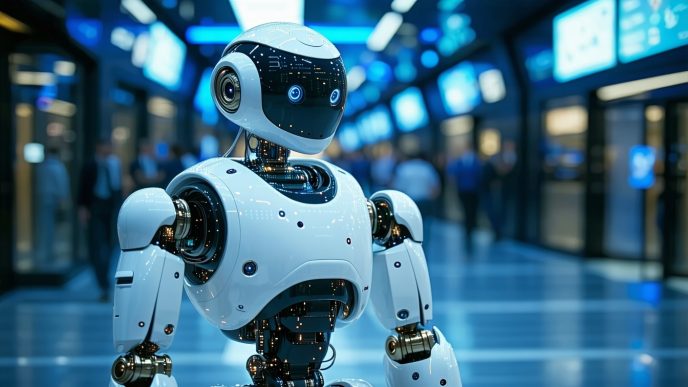
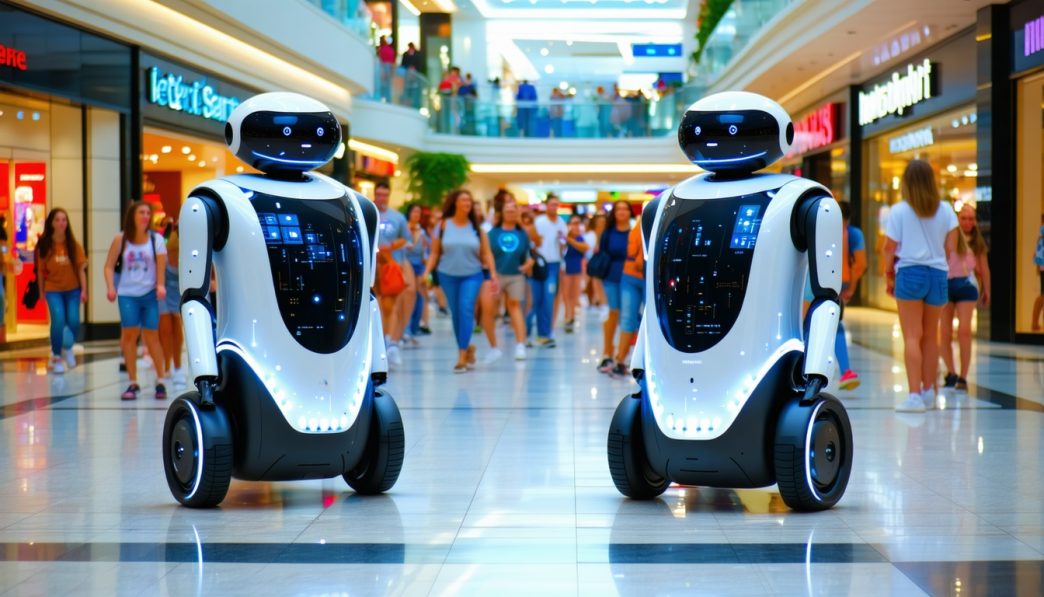
Security robots have become an integral part of modern surveillance and safety strategies. Equipped with advanced technologies, these robots can monitor environments, detect unusual activity, and respond proactively to potential threats. Particularly in crowded venues, such as malls and public spaces, security robots play a critical role in maintaining safety and order.
These autonomous machines typically feature a combination of sensors, cameras, and artificial intelligence that enable them to navigate their surroundings effectively. They assist security personnel by providing real-time data and alerts, facilitating a faster response to incidents. For a more in-depth look at various types, refer to our article on security and surveillance robots.
Advantages of Robotic Security Solutions
There are numerous benefits to implementing robotic security solutions in various settings. Below are some of the primary advantages: 
| Advantage | Description |
|---|---|
| 24/7 Surveillance | Robots can operate continuously without fatigue, providing round-the-clock monitoring of areas of interest. |
| Cost Efficiency | Over time, robotic solutions can reduce labor costs associated with traditional security personnel, making them a financially viable option. |
| Enhanced Accuracy | With advanced algorithms and sensors, security robots can detect potential threats more accurately than human counterparts, reducing false alarms and improving overall safety. |
| Data Collection | Security robots gather extensive data on traffic and behavior patterns, which can be analyzed for insights into security needs and planning. |
| Integration with Systems | Many robots can be integrated with existing security systems, such as CCTV and alarm systems, enhancing overall effectiveness. For more on this, see robots integrated with smart security systems. |
The implementation of security robots in malls and public spaces addresses increasing demands for safety and efficiency. By leveraging robotics in security, organizations can enhance their protective measures while maintaining a cost-effective approach. Each advantage contributes to a safer environment for shoppers and visitors alike, ultimately elevating the standard for security.
Applications in Crowded Environments
Security robots have emerged as a vital component in enhancing safety within crowded environments. Two key areas where these robotic solutions are making a significant impact are in malls and public spaces.
Security Robots in Malls
Malls are bustling hubs of activity, attracting large crowds on a daily basis. The implementation of security robots in these environments serves multiple purposes, including deterring crime, enhancing public safety, and providing assistance to shoppers.
Security robots in malls are typically equipped with advanced technology such as cameras and sensors, enabling them to monitor foot traffic and detect unusual activities. They can patrol designated areas autonomously, providing a constant surveillance presence. Below is a summary of the key features and functionalities:
| Feature | Description |
|---|---|
| Surveillance | High-definition cameras for real-time monitoring |
| Assistance | Offering directions and information to visitors |
| Interaction | Engaging with shoppers through voice technology |
| Emergency Response | Alerting security personnel in emergencies |
These robotic systems not only help in maintaining security but also contribute to a more positive shopping experience by providing assistance, information, and emergency support. For more information on robots patrolling homes and properties, refer to our article on robots patrolling homes and properties.
Security Robots in Public Spaces
Public spaces, including parks, streets, and events, can present security challenges due to their unpredictable nature. Security robots deployed in these areas enhance safety measures through proactive surveillance and quick response capabilities.
Robots functioning in public spaces typically integrate with smart security systems to provide increased situational awareness. They can track crowd movements, detect potential threats, and communicate with law enforcement agencies when unusual behavior is identified.
The following table summarizes the functionalities of security robots used in public settings:
| Functionality | Description |
|---|---|
| Monitoring | Continuous observation of crowds and activities |
| Data Collection | Gathering analytics on foot traffic and behaviors |
| Detection | Identifying anomalies and alerting authorities |
| Collaboration | Working alongside human security personnel |
By utilizing these robotic solutions, public authorities can improve safety measures and respond swiftly to any incidents. For insights on robotic technology that enhances security capabilities, explore our article on robots integrated with smart security systems.
The deployment of security robots in both malls and public spaces highlights their potential to improve safety and efficiency in crowded environments, ensuring an added layer of protection for visitors and patrons alike.
Functions and Features
The effectiveness of security robots in increasing safety in crowded environments can primarily be attributed to their surveillance capabilities and monitoring and patrolling abilities. These functions allow them to efficiently manage security in areas such as malls and public spaces.
Surveillance Capabilities
Security robots are equipped with advanced surveillance technology that allows them to monitor activities and capture crucial data in real-time. They use high-definition cameras, integrated sensors, and various imaging technologies to keep a watchful eye over specified areas.
| Feature | Description |
|---|---|
| High-Definition Cameras | Capture high-quality video footage for detailed monitoring. |
| Night Vision | Allow for effective surveillance in low-light conditions. |
| Motion Sensors | Detect movement and alert security personnel to unusual activities. |
With these capabilities, security robots can conduct thorough surveillance of crowded environments, such as shopping centers and event venues. They can also seamlessly integrate with other robots integrated with smart security systems to enhance overall security measures.
Monitoring and Patrolling Abilities
Monitoring and patrolling are crucial functions of security robots. These robots can navigate designated areas autonomously, conducting routine patrols to ensure safety and detect any irregularities.
| Capability | Description |
|---|---|
| Autonomous Navigation | Perform self-guided patrols without requiring manual control. |
| Real-Time Alerts | Notify security personnel of any detected threats or incidents. |
| Data Collection | Gather and store surveillance data for future analysis. |
This functionality is particularly advantageous in maintaining safety in high-traffic venues. Through constant monitoring and patrolling, security robots can identify potential threats quickly, such as those involving robots detecting unusual activity. The insights gathered can also help guide future security planning and risk assessments.
The combination of surveillance capabilities and monitoring abilities underscores the role of security robots in enhancing safety in malls and public spaces. They offer revolutionary solutions to traditional security challenges, fostering a safer environment for all.
Benefits for Stakeholders
The use of security robots in malls and public spaces not only enhances safety and security but also brings efficiency and cost-effectiveness to various stakeholders involved.
Enhancing Safety and Security
Security robots are pivotal in maintaining a safe environment. These robots are designed to monitor activities, identify potential threats, and respond to incidents in real time. They are equipped with advanced technologies that enable them to detect unusual activities or behaviors.
| Safety Feature | Description |
|---|---|
| Surveillance Cameras | Capture high-definition video footage for monitoring. |
| Motion Sensors | Detect movement and alert personnel to suspicious activity. |
| Audio Alerts | Provide verbal warnings or instructions to individuals. |
| Emergency Response Capabilities | Notify authorities in case of emergencies. |
The ability to patrol continuously and efficiently contributes significantly to crime prevention. For example, studies show that locations monitored by security robots experience a decrease in vandalism and theft due to increased visibility and deterrence. Further insights can be found in our article on robots detecting unusual activity.
Efficiency and Cost-Effectiveness
Integrating security robots into existing systems can lead to substantial cost savings for businesses and property managers. These robots can cover large areas without the need for breaks, unlike human security personnel who require rest periods.
| Efficiency Metric | Traditional Security | Security Robots |
|---|---|---|
| Coverage Area (sq ft) | 1,000 | 4,000 |
| Average Patrol Time (hours) | 8 | 24 |
| Cost (per month) | $5,000 | $1,500 |
The table highlights that robots not only extend coverage but also significantly lower operational costs. By automating security tasks, resources can be reallocated to other critical areas within the organization. Additionally, robots can be integrated with existing smart security systems for enhanced functionality. Explore more on this integration in our article about robots integrated with smart security systems.
These benefits showcase how stakeholders, including homeowners and business owners, can leverage robotic solutions to create safer environments while optimizing their security expenses.
Addressing Privacy Concerns
As the use of security robots in malls and public spaces increases, addressing privacy concerns becomes paramount. Stakeholders, including homeowners, business owners, and property managers, must navigate the delicate balance between ensuring safety and maintaining individual privacy.
Data Protection Measures
To protect the privacy of individuals in crowded areas, robust data protection measures are essential. Many security robots are equipped with advanced technology that complies with data protection regulations. These measures may include:
| Data Protection Measures | Description |
|---|---|
| Encryption | Data collected by robots is often encrypted to prevent unauthorized access. |
| Anonymization | Information is processed in a way that removes personal identifiers, ensuring individual identities are protected. |
| Limited Data Retention | Security robots may only retain data for a specified period, minimizing the risk of long-term storage of personal information. |
| User Consent | Prior to data collection, robo-systems might require clear user consent, informing individuals about how their data will be used. |
These protocols help ensure that while security robots monitor for safety, they do not infringe on personal privacy.
Ethical and Legal Considerations
The deployment of security robots brings forth ethical and legal questions that stakeholders must consider. Key considerations include:
| Ethical and Legal Considerations | Importance |
|---|---|
| Compliance with Laws | Security robots must adhere to local laws regarding surveillance and data collection. This may involve obtaining operating permits or following specific regulations. |
| Transparency | Clear communication about how robots operate and what data they collect fosters public trust. Stakeholders should provide information to the public about security practices. |
| Accountability | Establishing who is responsible for data collected by security robots helps in maintaining ethical standards. This includes outlining who manages the data and how it is used. |
By addressing these ethical and legal aspects, stakeholders can ensure that the use of robots in security aligns with acceptable societal standards and enhances public confidence in robotic systems. For more insights on the evolution of these technologies, refer to our article on future of robotic security systems.
Future of Security Robots
Emerging Trends
The landscape of security robots is rapidly evolving, introducing innovative solutions that enhance safety in crowded environments. Current trends indicate a shift towards smarter and more autonomous systems. Key developments in this area include:
-
Integration with IoT: Security robots are increasingly being integrated with Internet of Things (IoT) technology. This allows for real-time data collection and communication with other security systems, providing a more comprehensive security framework. For more information about how these systems work, refer to our article on robots integrated with smart security systems.
-
AI and Machine Learning: Many modern security robots are incorporating artificial intelligence (AI) and machine learning algorithms. This enables them to learn from their environment, recognize patterns, and make smarter decisions regarding potential threats. The effectiveness of these systems is enhanced through continuous learning and adaptation.
-
Enhanced Mobility: New designs in robotics are focusing on improved mobility features such as obstacle avoidance and more complex navigation systems. This allows robots to function effectively in crowded spaces like malls and public venues.
-
Emergency Response Features: Increasingly, security robots are being equipped with emergency response capabilities. These features allow robots to provide immediate notifications to security personnel or local authorities in case of detected disturbances, as discussed in our article on robot emergency response features.
| Trend | Description |
|---|---|
| IoT Integration | Real-time data sharing with other security systems |
| AI & Machine Learning | Enhanced decision-making and pattern recognition |
| Mobility Improvements | Better navigation in crowded environments |
| Emergency Response | Rapid alerts to security teams |
Potential Impact on Security Industry
The adoption of security robots in malls and public spaces is expected to significantly influence the security industry. The following points outline the potential impacts:
-
Increased Efficiency: With robots handling routine surveillance tasks, human security personnel can focus on more complex situations that require human judgment. This enhances overall operational efficiency.
-
Cost Savings: As the technology becomes more integrated and commonplace, businesses and property managers may experience a decrease in security costs. Robots can supplement, and in some cases replace, traditional security guards, minimizing labor expenses in the long run.
-
Improved Safety: The presence of security robots may serve as a deterrent to criminal activity. Their surveillance capabilities can help in detecting unusual activities promptly. More information can be found in our article on robots detecting unusual activity.
-
Advancements in Data Collection: The ability of robots to gather and analyze data over time is leading to smarter security protocols. This data can inform future security measures, creating safer environments for everyone.
-
Addressing Limitations: Though there are challenges, such as technology malfunctions or the need for human oversight, the innovations in robotics are addressing these limitations. Understanding these constraints is crucial for implementation, as discussed in our article on limitations of security robots.
The future of robotic security systems looks promising, paving the way for more effective surveillance and enhanced safety solutions for crowded environments. Stakeholders can benefit from staying informed about the latest trends to make educated decisions regarding their security needs. For further insights into these advancements, see our article on future of robotic security systems.