Introduction to Robotic Security Solutions
Robotic security solutions have transformed how security is managed across homes and properties. These innovative technologies offer enhanced monitoring capabilities, ensuring that protection measures are effective and efficient. As crime rates fluctuate, homeowners and business owners increasingly seek advanced solutions to safeguard their properties.
The Evolution of Security Technology
The development of security technology has taken significant strides over the decades. Historically, security relied on manual patrols, alarm systems, and basic surveillance cameras. With advancements in technology, these systems have evolved to incorporate automation, artificial intelligence, and robotics.
| Time Period | Security Evolution |
|---|---|
| 1970s | Static cameras and manual monitoring |
| 1990s | Introduction of basic motion sensors |
| 2000s | Digital surveillance and integrated alarm systems |
| 2010s | Emergence of drones and automated patrol robots |
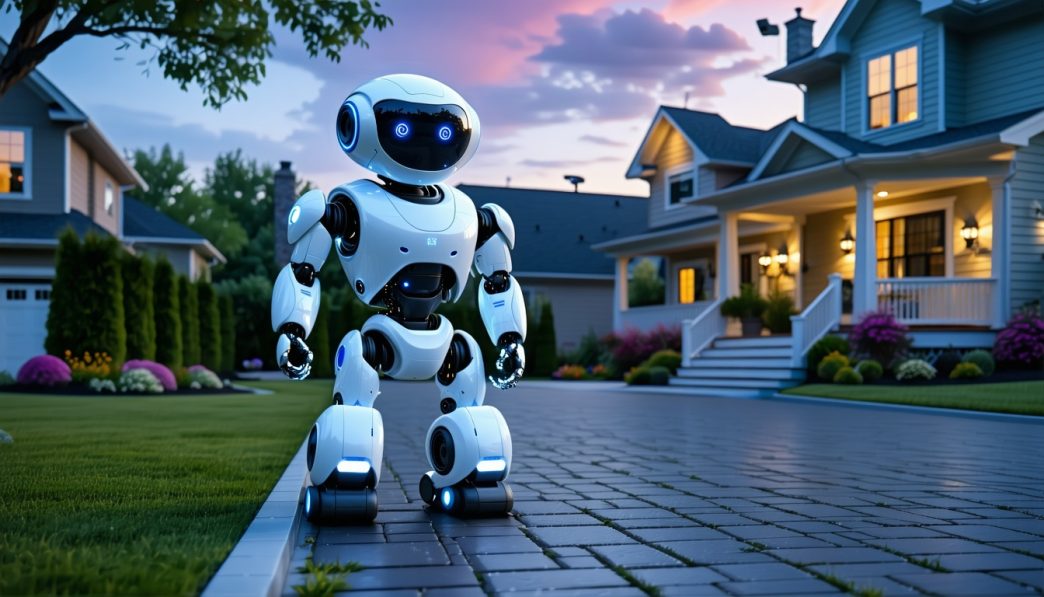
The convergence of these technologies has led to the emergence of robots patrolling homes and properties. Today, these solutions offer increased situational awareness and a proactive approach to monitoring, significantly reducing the response time to incidents. 
Role of Robots in Monitoring and Patrolling
Robots play a crucial role in enhancing security measures. They utilize various technologies, such as security and surveillance robots, to patrol designated areas, detect intruders, and monitor for suspicious activity.
With the ability to move autonomously or be remotely operated, robots can traverse spaces that may be challenging for human guards. This capability is particularly beneficial for large properties where continuous monitoring by human personnel may not be feasible. Various types of robots, including ground-based units and aerial drones, can be employed in different scenarios.
Robotic systems can also be integrated into existing security frameworks, working alongside traditional components such as alarms and cameras. Establishing such integration allows for a more comprehensive security strategy that enhances overall effectiveness. These innovations mark a shift toward modernized and efficient property protection strategies, making robots essential tools in contemporary security practices.
For a deeper understanding of the capabilities of robots in this field, explore our articles on autonomous surveillance robots and robots integrated with smart security systems.
Types of Robots for Surveillance
In the realm of robotic security solutions, various types of robots are utilized for effective monitoring, patrolling, and protecting properties. Each type offers unique features and applications that cater to different surveillance needs. This section explores three primary types of surveillance robots: aerial drones, ground-based robots, and hybrid systems.
Aerial Drones
Aerial drones have become a popular choice for surveillance due to their ability to cover large areas quickly and efficiently. Equipped with high-resolution cameras, these drones can capture real-time footage from above, providing a comprehensive view of the property.
| Feature | Description |
|---|---|
| Coverage Area | Up to several kilometers |
| Flight Time | Typically 20-30 minutes |
| Camera Capabilities | HD video, infrared night vision |
| Control Range | 1-5 kilometers, depending on model |
Aerial drones can be especially beneficial for monitoring vast outdoor spaces, such as farms or large residential developments. They can be programmed to fly predetermined routes or be remotely operated to survey specific areas. In cases of suspicious activity, drones can rapidly report findings back to security personnel.
Ground-based Robots
Ground-based robots operate at street level, navigating through properties to monitor for unusual behavior. These robots often come equipped with various sensors and cameras that gather data as they patrol.
| Feature | Description |
|---|---|
| Navigation | Autonomous or remote-controlled |
| Operational Terrain | Indoor and outdoor environments |
| Sensor Types | Motion sensors, thermal imaging, audio detection |
| Average Speed | 1-3 mph |
Ground-based surveillance robots can move around obstacles, seamlessly monitoring both residential and commercial spaces. They can also communicate findings to central monitoring systems, ensuring that any suspicious activity is reported promptly. For more information on how these robots function, refer to our article on autonomous surveillance robots.
Hybrid Systems
Hybrid systems combine the capabilities of both aerial and ground-based robots. This integration allows for a more versatile approach to security monitoring. These systems can employ drones for aerial views while using ground robots to patrol closer to the property.
| Feature | Description |
|---|---|
| Flexibility | Can operate in various environments |
| Coverage | Combines aerial and ground patrols |
| Integration | Can share data across platforms |
| Response Time | Faster due to multiple monitoring angles |
Hybrid systems are ideal for complex properties that require extensive coverage. They can be deployed strategically to enhance surveillance efficacy, making them valuable assets for homeowners and business owners alike. For insights into how these systems work with current technology, check out our article on robots integrated with smart security systems.
Each type of surveillance robot presents distinct advantages, helping to create a comprehensive perimeter of protection around homes and properties. Through the use of these robots, property owners can experience increased safety and security.
How Robots Detect Intruders
Robots designed for monitoring and patrolling properties utilize cutting-edge technology to detect intruders and potential threats. Their effectiveness is largely attributed to the integration of advanced sensors, cameras, and artificial intelligence.
Sensors and Cameras Integration
The primary elements that enable robots to gather information about their environment are sensors and cameras. These components work together to create a comprehensive surveillance system.
Key Sensor Types:
| Sensor Type | Purpose |
|---|---|
| Motion Sensors | Detect movement within a designated area. |
| Infrared Sensors | Identify heat signatures, useful for spotting intruders in low light. |
| Sound Sensors | Pick up unusual noises, alerting robots to possible disturbances. |
Cameras equipped with high-definition capabilities provide real-time video feeds, allowing for remote monitoring. These cameras often have features such as night vision and pan-tilt-zoom (PTZ) functionality to extend surveillance range and detail. The combination of sensors with cameras enhances the ability of robots patrolling homes and properties to identify unusual activities accurately. For further insights into how these technologies combine, check our article on security and surveillance robots.
Artificial Intelligence in Intruder Detection
Artificial intelligence (AI) plays a crucial role in how robots analyze the data collected from sensors and cameras. AI algorithms are programmed to differentiate between normal activities and suspicious behavior by analyzing patterns over time.
AI Capabilities:
| AI Functionality | Description |
|---|---|
| Pattern Recognition | Identifies unusual movements or behaviors. |
| Anomaly Detection | Flags activities that deviate from normal patterns. |
| Learning Algorithms | Improves detection accuracy over time by learning from past incidents. |
These AI systems enable robots to make quick decisions about potential threats. When an anomaly is detected, the robot can trigger alarms, alert property owners, or communicate with central monitoring systems through integrated platforms. For more on the implications of these features, readers can explore our article on robots detecting unusual activity.
By leveraging integrated sensors, cameras, and advanced AI, robots effectively monitor for intruders and suspicious events, providing a robust security solution for homes and properties. Moreover, integrating such robots with smart security systems enhances their overall effectiveness. For more details, see our article on robots integrated with smart security systems.
Robots’ Response to Suspicious Activity
In the realm of security and surveillance, robots play a significant role in responding to suspicious activities. Two critical components of this response include alarm triggers and communication with central monitoring systems.
Alarm Triggers
When monitoring homes and properties, robots are equipped with advanced sensors and cameras that can detect unusual movements or sounds. These triggers prompt the robotic units to initiate an alert system. The types of alarms can vary, including:
| Alarm Type | Description |
|---|---|
| Audio Alarms | Loud sounds designed to deter trespassers and alert nearby individuals. |
| Visual Alarms | Flashing lights or projectors that signal a security breach. |
| Status Alerts | Notifications sent to homeowners or property managers via mobile apps. |
Once activated, these alarms serve as immediate notifications of potential threats. By having robots patrol homes and properties, property owners can enhance their overall security.
Communication with Central Monitoring Systems
Robots designed for security purposes often communicate with central monitoring systems. This ensures that any suspicious activity is promptly relayed to a designated team, such as security personnel or the police. Key functions of this communication include:
| Communication Feature | Description |
|---|---|
| Real-time Updates | Instantaneous reports of detected activity to security teams. |
| Video Streaming | Live feeds of the monitored area can be sent to central systems for review. |
| Remote Access | Homeowners can monitor activity remotely through linked devices. |
This integration allows for a cohesive security approach that enhances the reaction time to any detected incidents. As robotic technology evolves, many systems can be integrated with smart security systems, providing comprehensive coverage and response capabilities.
By employing robots for patrolling and monitoring, individuals and businesses can significantly improve their security measures, ensuring quicker responses to any potential intrusions. For further insights into how robots are utilized for detecting unusual activity, you can explore our article on robots detecting unusual activity.
Benefits of Robotic Security Solutions
Robotic security solutions offer numerous advantages for homeowners, business owners, and property managers looking to enhance safety and surveillance. The following sections outline three key benefits: 24/7 monitoring capability, swift response time, and cost-effectiveness.
24/7 Monitoring Capability
One of the most significant benefits of using robots for security is their ability to provide round-the-clock monitoring. Unlike human security personnel, robots can operate continuously without fatigue, ensuring that properties are consistently surveyed. This constant vigilance significantly decreases the likelihood of undetected intrusions during off-hours.
| Feature | Benefit |
|---|---|
| Continuous Operation | No breaks, no fatigue |
| Comprehensive Coverage | Eliminates blind spots |
| Real-time Data Collection | Immediate alerts on suspicious activity |
Swift Response Time
Robots equipped with advanced sensors and artificial intelligence can detect unusual activities and respond quickly. When a potential threat is identified, these robots can alert property owners or central monitoring systems almost instantaneously. This rapid response is critical in preventing incidents from escalating and ensuring timely action is taken.
| Response Time | Description |
|---|---|
| Instant Alerting | Immediate notification of activity |
| Fast Deployment | Robots can patrol and investigate swiftly |
| Integration with other systems | Coordination with alarm systems for enhanced response |
Cost-Effectiveness
Implementing robotic security solutions can be more cost-effective than traditional security measures. While the initial investment in robotics may be higher, the reduction in costs associated with human personnel and overtime, combined with the increased efficiency, can lead to significant long-term savings.
| Cost Factors | Impact |
|---|---|
| Staffing Savings | Fewer personnel needed for monitoring |
| Lower Insurance Premiums | Enhanced security may lower rates |
| Maintenance Costs | Generally lower than human resource costs |
Robotic security solutions not only improve safety through constant vigilance but also deliver agile responses and ensure a higher return on investment. For more insights on security and surveillance robots, exploring their functionality can provide valuable information on their efficacy in various environments.
Considerations for Implementing Robotic Security
When evaluating the use of robots patrolling homes and properties, several important factors must be taken into account. These include the property layout and size, integration with existing security systems, and maintenance and training requirements.
Property Layout and Size
The configuration and dimensions of the property play a significant role in the effectiveness of robotic security solutions. A larger area may require multiple robots for adequate coverage, while unique layouts with obstacles may necessitate specialized models that can navigate effectively.
| Property Size | Recommended Number of Robots |
|---|---|
| Small (up to 1 acre) | 1 – 2 |
| Medium (1 – 5 acres) | 2 – 4 |
| Large (5+ acres) | 4+ |
It’s essential to assess the specific needs of the property to determine the ideal number of robots for efficient patrolling.
Integration with Existing Security Systems
Robots can enhance security when integrated with existing systems. Homeowners and property managers should evaluate how robotic units will work alongside current cameras, alarms, and installations. This integration can create a comprehensive security network, allowing for improved monitoring and quick responses to incidents.
Robots equipped with features for robots integrated with smart security systems offer numerous advantages such as centralized control and seamless communication between devices. Effective integration can lead to more efficient monitoring and increased safety.
Maintenance and Training Requirements
The upkeep of robotic security systems is critical for ongoing effectiveness. Regular maintenance ensures that robots function properly and remain capable of detecting unusual activity. Additionally, training for users is vital to maximize the benefits that robotic security solutions can offer.
A maintenance schedule should include:
| Maintenance Task | Frequency |
|---|---|
| Software Updates | Quarterly |
| Sensor Calibration | Biannually |
| Battery and Hardware Check | Monthly |
Training involves familiarizing staff with operational protocols, troubleshooting procedures, and emergency response features. Understanding the capabilities and limitations of these systems is essential for effectively utilizing robot emergency response features and ensuring a quick reaction to potential intruders.
For more information on the capabilities and considerations of security robots, explore our articles on security and surveillance robots and autonomous surveillance robots.