


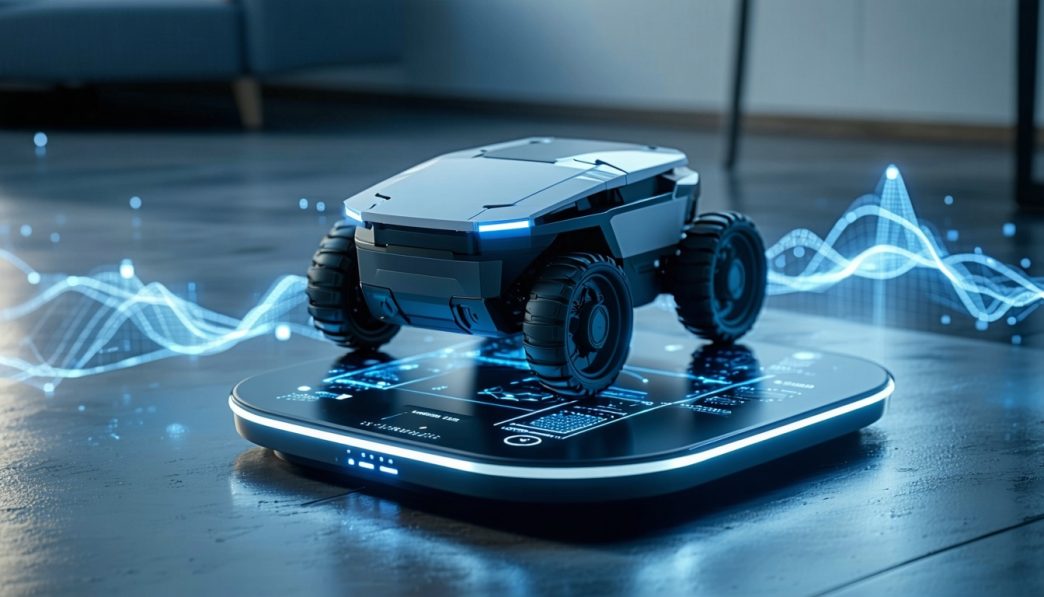
The Evolution of Robot Charging
The way robots are charged has significantly evolved over the years. Understanding the different charging methods can help users appreciate the advancements that are shaping the future of home robotics.
Traditional Charging Methods
Traditionally, robots have relied on wired charging methods. This approach typically involves the use of a charging dock or a direct connection to a power outlet. Users must manually place their robots onto the dock or plug in the charging cable to recharge the battery. While this method may be functional, it often presents challenges in terms of convenience and usability.
In many cases, these charging docks require precise alignment, and users might encounter issues if the robot does not return to the dock correctly. Moreover, frequent plugging and unplugging can lead to wear and damage to both the robot’s charging port and the cables used. 
| Charging Method | Advantages | Disadvantages |
|---|---|---|
| Wired Charging | Simple design, cost-effective | Manual placement required, wear and tear on connectors |
| Charging Docks | Provides a dedicated space for charging | Precise alignment needed, potential for docking failure |
Introduction to Wireless Charging
As technology advances, wireless charging has emerged as a potential solution to traditional charging methods. This system uses electromagnetic fields to transfer energy between a charging pad and the robot without the need for a direct connection. This means that robots can recharge simply by being placed onto a charging pad, dramatically increasing convenience and ease of use.
Wireless charging for robots operates on the principles of inductive and resonant charging, which enable the transfer of energy over short distances. This shift offers a decreased reliance on manual charging methods and can reduce wear and tear on physical connectors. For more information on how wireless charging operates, explore our sections on robot battery and charging systems and battery capacity vs performance in robots.
| Charging Method | Advantages | Disadvantages |
|---|---|---|
| Wireless Charging | Convenient, reduced wear and tear | Potential inefficiency, higher initial costs |
The evolution of robot charging illustrates a growing trend towards simplifying and enhancing the user experience as technology continues to develop. As interest in wireless charging escalates, it remains a key area of exploration within the realm of consumer robotics.
How Does Wireless Charging Work?
Wireless charging technology has transformed how home robots are powered, eliminating the need for cumbersome cables and connectors. This section will explore how wireless charging functions, focusing on the two primary methods: inductive charging and resonant charging.
Inductive Charging
Inductive charging is the most common method used in wireless charging for robots. This technique relies on electromagnetic fields to transfer energy between two coils—one in the charging pad and one within the robot.
When current flows through the charging pad’s coil, it generates an electromagnetic field. The coil within the robot captures this energy and converts it back into electrical power to charge the battery.
| Feature | Inductive Charging |
|---|---|
| Efficiency | Typically 70-80% |
| Typical Distance | Up to 4 cm |
| Charging Time | Varies by battery capacity |
Inductive charging is convenient but may be less efficient compared to wired charging. It is suitable for robots that require regular maintenance-free operation and is ideal for charging at designated spots like robot charging docks.
Resonant Charging
Resonant charging builds upon the principles of inductive charging but uses resonant inductive coupling to improve efficiency and range. This method allows for greater distances between the charging pad and the robot, enabling more flexibility in charging placement.
Both the charging pad and the robot contain coils tuned to resonate at the same frequency. When aligned correctly, the energy transferred is maximized, allowing for efficient power delivery over a larger gap.
| Feature | Resonant Charging |
|---|---|
| Efficiency | Typically 80-90% |
| Typical Distance | Up to 10 cm |
| Charging Time | Faster than inductive |
Resonant charging is increasingly being integrated into home robots, accommodating users’ needs for practicality and reduced charging interruptions.
Both inductive and resonant charging technologies present their advantages and challenges when considering robot battery and charging systems. Understanding these methods helps consumers make informed choices regarding their robotic devices and how often they need to charge them. For insights on charging time and performance, refer to our article on robot battery life explained.
Advantages of Wireless Charging for Home Robots
Wireless charging presents several benefits for home robots, making the integration of this technology appealing for both users and manufacturers. The primary advantages include convenience and ease of use as well as a reduction of wear and tear on the robot’s components.
Convenience and Ease of Use
One of the most significant advantages of wireless charging for robots is the convenience it offers. Users can place their robots on a charging pad without needing to connect any cables or plugs. This simple setup allows for an intuitive use case, particularly for tech enthusiasts who seek seamless operation in their smart homes.
| Feature | Benefit |
|---|---|
| Cable-Free Operation | No need to plug in or unplug the robot. |
| Easy Accessibility | Users can charge the robot in various locations without hassle. |
| Quick Setup | Just place the robot on the pad to initiate charging. |
This convenience aligns with the lifestyle of practical-minded consumers who prefer devices that integrate smoothly into their routines. Additionally, robots equipped with wireless charging capabilities can return to their charging stations independently, ensuring they are always powered and ready for use. For more on charging systems, view our article on robot battery and charging systems.
Reduction of Wear and Tear
Wireless charging technology can also lead to a significant reduction in wear and tear on a robot’s connectors and charging ports. Traditional charge methods often involve frequent plugging and unplugging, which can wear out physical connectors over time. Wireless charging eliminates this concern by removing physical contact, thereby prolonging the lifespan of the robot’s internal components.
| Advantage | Impact |
|---|---|
| Fewer Moving Parts | Reduced risk of damage due to worn-out connectors. |
| Improved Durability | Less mechanical stress on charging points increases overall longevity. |
| Enhanced Reliability | Minimizes potential failure points associated with traditional systems. |
This extended durability is crucial for consumers seeking robots that fit into their lifestyles without frequent interruptions for maintenance. Robots utilizing wireless charging can maintain their functionality longer with less downtime, aligning with the consumer preference for efficiency. For tips on enhancing battery life, check our article on robot battery life explained.
Challenges of Wireless Charging for Home Robots
While wireless charging for robots presents several advantages, it also comes with certain challenges that must be addressed to enhance user experience and functionality.
Efficiency Concerns
One major challenge faced by wireless charging systems is efficiency. The process of transferring energy wirelessly can result in energy loss, particularly due to heat generation. Traditional wired charging often provides a quicker and more efficient energy transfer compared to wireless methods.
| Charging Method | Efficiency (%) | Charge Time (Minutes) |
|---|---|---|
| Wired Charging | 90 – 95 | 30 – 60 |
| Inductive Charging | 70 – 80 | 45 – 120 |
| Resonant Charging | 80 – 90 | 60 – 120 |
As shown in the table, inductive charging tends to fall short in efficiency when compared to wired charging. This can lead to longer charging times and may not fully meet the needs of users requiring minimal interruptions for their home robots. Understanding these efficiency concerns is vital for those considering the implementation of wireless charging systems in their devices.
Compatibility Issues
Compatibility remains another significant challenge when it comes to wireless charging for robots. Not all home robots are designed to work with every type of wireless charging system. This can cause discrepancies between devices and their respective charging pads or docks.
Different robots may support various standards of wireless charging, such as Qi or resonant charging. Therefore, consumers must ensure that the charging system they choose is compatible with their specific robot model.
| Robot Model | Compatible Standard | Notes |
|---|---|---|
| Model A | Qi Standard | Direct compatibility with most Qi chargers |
| Model B | Resonant Charging | Requires specific resonant charger |
| Model C | None | No wireless charging capability |
The table above illustrates various robot models and their compatibility with wireless charging standards. Users should verify this information prior to making any purchasing decisions to avoid the inconvenience of incompatible products.
As the technology continues to evolve, addressing these efficiency and compatibility issues will be essential for the widespread adoption of wireless charging in home robotics. For further information on charging systems, explore our articles on robot battery and charging systems and robot charging docks.
Wireless Charging Standards
As the technology behind wireless charging continues to advance, various standards have emerged to facilitate the charging process for consumer robots. Understanding these standards is essential for tech enthusiasts and smart home owners looking to ensure compatibility and efficiency with their devices.
Qi Standard
The Qi standard is the most widely recognized protocol for wireless charging. Developed by the Wireless Power Consortium, Qi utilizes inductive charging technology to transfer power between a charging pad and compatible devices. Most consumer electronics, including smartphones and smart home gadgets, support this standard.
| Feature | Details |
|---|---|
| Power Output | Ranges from 5W to 15W |
| Charging Distance | Up to 4 cm |
| Efficiency | Generally 70% – 80% |
| Compatibility | Broadly compatible with various devices, including robots |
The Qi standard’s popularity and widespread adoption make it a strong candidate for future robot implementations. For insights on how robot batteries work with charging systems, refer to our article on robot battery and charging systems.
Other Emerging Standards
In addition to the Qi standard, other wireless charging technologies are emerging, each with unique advantages:
| Standard | Description | Power Output |
|---|---|---|
| AirFuel | Utilizes both inductive and resonant technologies. | Ranges from 5W to 30W |
| PMA | Developed by the Power Matters Alliance; focuses on inductive charging. | Ranges from 5W to 15W |
| Rezence | Offers resonant charging for larger devices; supports multiple devices on a single pad. | Up to 50W |
These emerging standards address various needs, from increased charging speed to the ability to power multiple devices simultaneously. Exploring these options can help robot buyers make informed decisions when considering their next home robot.
For those interested in optimizing robot battery performance, check out our articles on battery capacity vs performance in robots and battery safety in robots.
Implementation in Home Robot Designs
The integration of wireless charging in home robot designs requires careful consideration of various factors. As technology progresses, the implementation of efficient charging systems becomes essential for enhancing the functionality and practicality of consumer robots.
Integration Considerations
When designing robots with wireless charging capabilities, it is crucial for engineers to address several integration factors. These include the size and placement of charging components, the overall design of the robot, and the compatibility of existing technologies.
| Consideration | Description |
|---|---|
| Charging Pad Design | The charging pad must be easily accessible for the robot while ensuring proper alignment for optimal charging. |
| Space Requirements | Sufficient space must be allocated for both the robotic unit and its charging station to prevent any obstructions. |
| Safety Features | Implementing safety features, such as overcharging protection and temperature control, is necessary to maintain battery health. |
| Power Supply Compatibility | The charging system should be compatible with various power sources to enhance user convenience. |
This careful planning ensures that the robots can effectively utilize wireless charging without compromising their design or functionality.
Impact on User Experience
The incorporation of wireless charging into home robots significantly enhances user experience. By eliminating the need for physical connectors, users enjoy a more streamlined and convenient way to keep their robots charged.
| User Experience Aspect | Impact |
|---|---|
| Ease of Use | Users can set their robots on the charging pad without worrying about plugging in cables. |
| Time-Saving | Wireless charging can reduce the time needed for charging intervals, allowing robots to remain operational for longer periods. |
| Maintenance | Minimal wear and tear on charging ports can lead to improved longevity and reduced maintenance needs for the robot. |
| Aesthetic Appeal | Wireless charging stations offer a cleaner, more modern look compared to traditional charging docks, blending seamlessly with smart home environments. |
These advantages align with the lifestyle aspirations of tech enthusiasts and smart home owners, making wireless charging an appealing feature. For more details on charging systems, consider exploring our articles on robot battery and charging systems and robot charging docks.
Maintenance and Care for Wireless Charging
Maintaining and caring for wireless charging systems in home robots is essential for ensuring their longevity and performance. Proper upkeep helps to maximize efficiency and minimize any potential issues that may arise during operation.
Cleaning Guidelines
Regular cleaning of the charging pads and robot contact points is crucial for optimal performance. Dust, dirt, and debris can interfere with the efficiency of wireless charging for robots. Here are some guidelines for keeping the charging surfaces clean:
| Component | Cleaning Method |
|---|---|
| Charging Pad | Wipe with a soft, dry cloth to remove dust. Use a damp cloth for sticky residues. Ensure no moisture seeps into openings. |
| Robot Contact Points | Use a microfiber cloth to gently remove dust. If there are stains, lightly dampen the cloth and avoid excessive moisture. |
It’s advisable to inspect the charging surface and robot contact points regularly. Accumulated dirt can hinder alignment and may reduce charging efficiency. For detailed information on robot charging systems, refer to our article on robot battery and charging systems.
Troubleshooting Common Issues
Despite regular maintenance, users may still encounter issues with wireless charging. The following are common problems and proposed solutions:
| Issue | Possible Cause | Solution |
|---|---|---|
| Robot not charging | Misalignment on charging pad | Adjust the position of the robot to ensure proper alignment with the charging pad. |
| Slow charging | Dirty charging pad or contact points | Clean both surfaces as outlined above to improve conductivity. |
| Robot stops charging prematurely | Weak battery performance | Assess the battery health through diagnostics; consider checking battery capacity vs performance in robots. |
| Overheating during charging | Excessive dust or poor ventilation | Ensure the charging pad is clean and has adequate airflow around it. |
Understanding these guidelines for cleaning and troubleshooting can significantly enhance the experience of using wireless charging systems in home robots. For more in-depth information on battery safety, explore our article on battery safety in robots.


