Understanding Robot Types
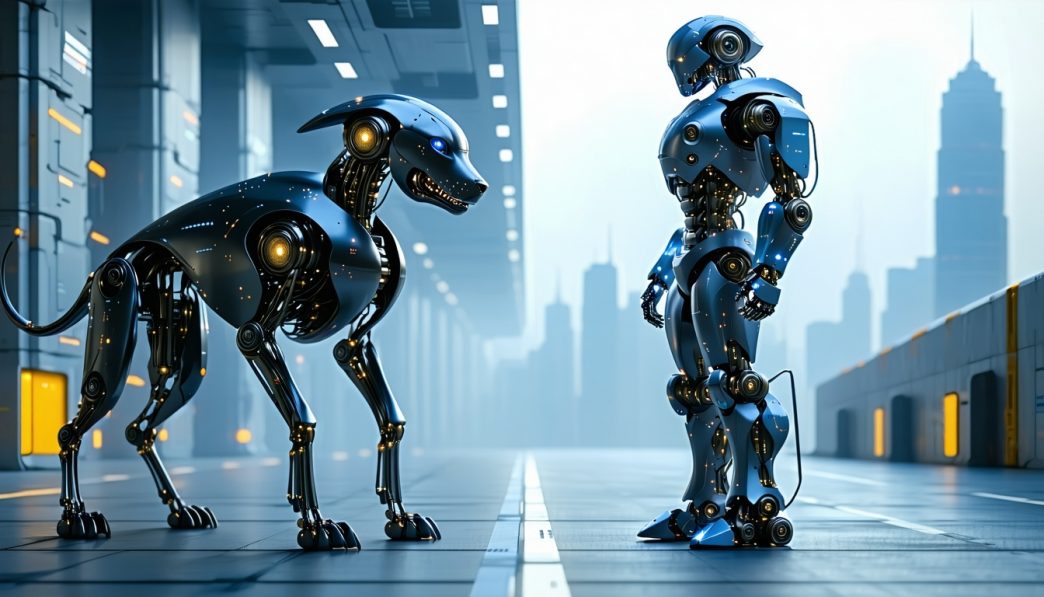
When examining the landscape of robotics, particularly for home use, two primary categories emerge: quadruped robots and humanoid robots. Each type showcases unique characteristics that impact their functionality and usability in everyday scenarios.
Quadruped Robots
Quadruped robots are designed to mimic the movement of four-legged animals. They exhibit remarkable agility and stability, allowing them to traverse various terrains, both indoors and outdoors. Their design primarily focuses on mobility and adaptability, making them suitable for practical applications in diverse environments.
Key features of quadruped robots include: 
| Feature | Description |
|---|---|
| Mobility | Capable of navigating rough and uneven surfaces |
| Stability | Four legs provide enhanced balance and control |
| Speed | Typically faster than bipedal robots in various terrains |
| Payload Capacity | Often designed to carry objects or equipment |
Quadruped robots may serve various roles in home settings, such as security patrol, assistance with heavy lifting, or companionship for pet-like interaction. For comparisons of specific quadruped models, visit our article on unitree go2 vs xiaomi cyberdog and boston dynamics spot vs agility digit.
Humanoid Robots
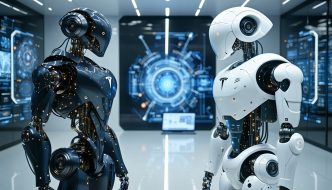
Humanoid robots are designed to resemble human form and behavior. Their primary focus is on mimicking human interactions, making them suitable for social contexts or tasks requiring human-like engagement. These robots often incorporate advanced sensors and artificial intelligence to enhance their interaction capabilities.
Key features of humanoid robots include:
| Feature | Description |
|---|---|
| Interaction | Capable of engaging in conversation and responding to commands |
| Dexterity | Often have articulated joints for manipulation of objects |
| Aesthetics | Designed to look like humans, which could be appealing in social roles |
| Communication | Equipped with voice recognition and processing capabilities |
Humanoid robots can effectively serve in various domestic roles such as personal assistants, caregiving support, or educational tools for children. For specific comparisons among humanoid models, explore articles on tesla optimus vs figure 01 and sanctuary ai phoenix vs apptronik apollo.
The differences between quadruped robots and humanoid robots are essential when considering their application in home settings. Buyers, tech enthusiasts, and researchers should evaluate these attributes to determine which type aligns best with their needs and preferences. Understanding these categories lays the groundwork for an informed choice between robot a vs robot b comparisons.
Performance Analysis
Analyzing the performance of quadruped robots compared to humanoid robots involves evaluating their mobility, navigation capabilities, and their ability to manipulate and interact with their environment. Each robot type brings its own set of strengths and limitations that can significantly impact their practical applications in home settings.
Mobility and Navigation
Mobility is a crucial factor in determining how effectively a robot can navigate various environments. Quadruped robots are designed to mimic the movement of animals, offering superior stability and the ability to traverse uneven terrain. Conversely, humanoid robots are engineered to replicate human movement, which allows them to interact within human-centric environments more seamlessly.
| Feature | Quadruped Robots | Humanoid Robots |
|---|---|---|
| Stability | High | Moderate |
| Terrain Adaptability | Excellent for rough terrain | Limited to flat surfaces |
| Speed | Moderate to high | Moderate |
| Maneuverability | Flexible in various spaces | Limited due to body design |
Manipulation and Interaction Capabilities
Manipulation capabilities define how well a robot can perform tasks that require physical handling of objects. Humanoid robots often feature articulated arms and hands, making them adept at complex tasks such as cooking, cleaning, or providing assistance with personal care. Quadruped robots, while effective at mobility, typically have more limited manipulation abilities, focusing instead on carrying loads or performing simple functional tasks.
| Capability | Quadruped Robots | Humanoid Robots |
|---|---|---|
| Object Handling | Limited (basic grasping) | High (detailed manipulation) |
| Task Complexity | Moderate | High |
| Interaction with Humans | Limited | Advanced |
Evaluating the quadruped robots vs humanoid robots performance provides insights into their suitability for specific applications. Buyers interested in service-oriented tasks may find humanoid robots more appealing, while those focused on mobility and endurance in various terrains may prefer quadruped models. Further comparisons can be made through our articles on robot a vs robot b comparisons or specific robot comparisons such as tesla optimus vs figure 01.
Use Cases Comparison
When evaluating the practical applications of robots, it’s important to compare domestic and industrial uses, particularly in the context of quadruped robots vs humanoid robots. Each type has unique strengths that cater to specific needs.
Domestic Applications
In the domestic setting, robots serve various functions that enhance convenience and efficiency in daily life. Quadruped robots are often designed for tasks involving mobility over different terrains, while humanoid robots focus on interaction and manipulation.
| Feature | Quadruped Robots | Humanoid Robots |
|---|---|---|
| Navigation | Excellent off-road and terrain adaptability | Good in structured environments |
| Interaction | Limited to basic commands and movement | Advanced interaction through speech and gestures |
| Typical Use Cases | Delivery, security, household chores | Personal assistance, companionship, entertainment |
Quadruped robots excel in outdoor tasks, such as delivering goods or patrolling areas, utilizing their agility and balance. In contrast, humanoid robots can engage in more complex interactions and are suitable for personal assistance, making them ideal for households needing help with daily tasks or companionship.
Industrial Applications
In industrial environments, the functionality of robots is tailored to enhance productivity and safety. Quadruped robots can cover a wide range of physical tasks, whereas humanoid robots often engage in intricate operations that require a human-like approach.
| Feature | Quadruped Robots | Humanoid Robots |
|---|---|---|
| Environment Adaptability | Designed for rugged terrains and factories | Optimized for structured factory settings and office spaces |
| Task Complexity | Simple to moderately complex tasks (surveillance, navigation) | High complexity (assembly, maintenance, service) |
| Typical Use Cases | Surveillance, material transport, inspection | Quality control, assembly support, training |
Quadruped robots are often employed for tasks requiring robust mobility in challenging environments, such as inspections in construction sites or transporting materials across uneven terrain. Humanoid robots, however, thrive in environments needing versatility and human-like dexterity, such as assembly lines or service roles.
The differences in domestic and industrial applications highlight the importance of matching robot type to specific use cases. For more detailed comparisons of different robots, explore our articles on robot a vs robot b comparisons, unitree go2 vs xiaomi cyberdog, and tesla optimus vs figure 01.
Price Considerations
When comparing the practicality of robots, it is essential to examine the price aspect. Both quadruped and humanoid robots come with varying initial purchase costs as well as maintenance and upkeep expenses. Understanding these financial factors can greatly influence the decision-making process for buyers.
Initial Purchase Cost
The initial cost of a robot can vary significantly based on its type, features, and capabilities. Quadruped robots generally have different pricing structures compared to humanoid robots. Below is a sample table illustrating the estimated initial purchase costs for various types of robots.
| Robot Type | Estimated Cost Range |
|---|---|
| Quadruped Robots | $2,000 – $30,000 |
| Humanoid Robots | $5,000 – $100,000 |
This price range shows that while quadruped robots may be more accessible for some buyers, humanoid robots often come with advanced capabilities that justify their higher cost. For a specific cost analysis, refer to our comparisons, such as unitree go2 vs xiaomi cyberdog and tesla optimus vs figure 01.
Maintenance and Upkeep Costs
Owning a robot also entails understanding the ongoing costs associated with maintenance and upkeep. This can include software updates, repairs, and other necessary services to keep the robot functional. The table below provides an overview of the estimated yearly maintenance costs for each type of robot.
| Robot Type | Estimated Yearly Maintenance Cost |
|---|---|
| Quadruped Robots | $500 – $1,500 |
| Humanoid Robots | $1,000 – $5,000 |
As shown, maintenance costs for humanoid robots tend to be higher, reflecting the complexity and technology involved. For a closer examination of specific comparisons, see articles like apptronik apollo vs figure 01 and boston dynamics spot vs agility digit.
By considering both the initial purchase costs and the long-term maintenance expenses, buyers can make a well-informed choice when contemplating quadruped robots vs humanoid robots for their needs.
Features and Functionality
When comparing quadruped robots vs humanoid robots, understanding their features and functionality is vital for making an informed decision. Key aspects to consider are their sensor systems and communication abilities.
Sensors and Perception
Both quadruped and humanoid robots are equipped with various sensors that enhance their ability to perceive their environment. These sensors play a crucial role in mobility, obstacle avoidance, and interaction with objects.
| Robot Type | Sensor Types | Common Uses |
|---|---|---|
| Quadruped Robots | Lidar, Ultrasonic, Cameras | Navigation in terrain, Object detection |
| Humanoid Robots | Cameras, Force sensors, Touch sensors | Human interaction, Gesture recognition |
Quadruped robots typically use a combination of lidar and ultrasonic sensors, allowing them to navigate diverse terrains effectively. On the other hand, humanoid robots integrate cameras and force sensors for more advanced human-like interactions. This includes recognizing hand gestures and facial expressions, enhancing their communication capabilities.
Communication Abilities
The ability to communicate is crucial for both types of robots, albeit their methods may differ significantly. Understanding these communication abilities can influence a buyer’s choice based on intended use.
| Robot Type | Communication Methods | Interaction Level |
|---|---|---|
| Quadruped Robots | Limited speech, Visual signals | Basic interactions |
| Humanoid Robots | Voice, Gestures, Facial expressions | Advanced interactions |
Quadruped robots often use basic communication methods such as visual signals and limited speech capabilities for simple commands. In contrast, humanoid robots utilize a more sophisticated communication system that includes voice interaction and the ability to understand and replicate human gestures and expressions. This allows for a more engaging interaction, making humanoid robots more suitable for tasks requiring complex communication.
Understanding these features and functionalities helps buyers, tech enthusiasts, and researchers weigh the pros and cons of each robot type effectively. For a deeper analysis of different models, refer to detailed comparisons like robot a vs robot b comparisons to highlight specific differences in performance, price, and usability.
Making the Right Choice
Choosing the right robot for home use requires careful consideration of individual needs and preferences, as well as the robot’s ability to evolve with future technological advancements.
Matching Needs and Preferences
When evaluating whether to go for quadruped robots vs humanoid robots, it’s essential for buyers to assess their specific requirements. Quadruped robots are often designed for mobility and navigating uneven terrain, making them suitable for outdoor use or environments that may not be easily accessible. Humanoid robots, on the other hand, are built for interaction and performing tasks similar to human movements, which can be beneficial in domestic settings.
To assist in making a choice, the following table outlines key aspects to consider:
| Feature | Quadruped Robots | Humanoid Robots |
|---|---|---|
| Mobility | Excellent on various terrains | Good for structured environments |
| Interaction | Limited interaction | Designed for human-like interaction |
| Task Efficiency | Specialized tasks like delivery | General tasks including assistance |
| Space Requirement | Requires more space for movement | Can work in smaller areas |
Potential buyers should think about the environment where the robot will be used as well as the types of tasks they expect the robot to perform. For more comparisons, refer to articles like robot a vs robot b comparisons.
Future Scalability and Adaptability
Another critical factor is how well the robot can adapt to evolving technologies and user requirements. Quadruped robots are typically engineered for specific functions and may have limited upgradeability. Humanoid robots, however, can often be more versatile due to their design and software capabilities, allowing for updates that enhance performance or add features.
In assessing scalability, buyers should consider the following features and functionalities:
| Feature | Quadruped Robots | Humanoid Robots |
|---|---|---|
| Software Updates | Limited flexibility | Frequent updates for added features |
| Expandability | Specific task focus | Can evolve for various applications |
| Integration with Smart Home Systems | Limited integration | High compatibility with smart devices |
As technology advances, choosing a robot with flexible capabilities can lead to better long-term value. For instance, comparisons like tesla optimus vs figure 01 can provide insights into future-proof technologies.
By carefully matching personal demands and considering the scalability of the robot, buyers can make informed choices between quadruped robots and humanoid robots that suit their lifestyles and expectations.