


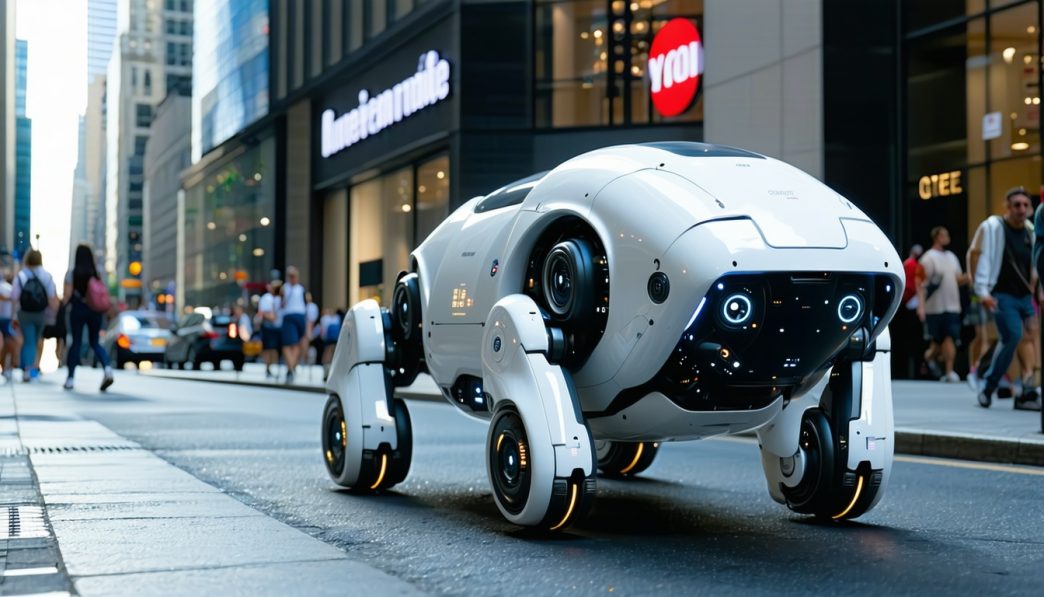
Quadruped Robots in Delivery Services
Introduction to Quadruped Robots
Quadruped robots, known for their four-legged design, have piqued the interest of tech enthusiasts and robotics hobbyists alike. These robots combine advanced engineering with agility, allowing them to traverse various terrains and navigate complex environments. Unlike traditional wheeled robots, quadrupeds emulate the locomotion of animals, providing unique advantages in mobility and balance.
The adaptability of quadruped robots makes them suitable for several applications, including delivery services, surveillance, and exploration. Their design allows them to manage challenging environments effectively, making them a focus area for innovation in robotics.
Rise of Quadruped Robots for Last Mile Delivery
The last mile delivery segment has witnessed a surge in the utilization of quadruped robots. As e-commerce grows, the need for efficient delivery methods has prompted businesses to explore autonomous options. Quadruped robots offer several key benefits that enhance their viability for this purpose. 
| Feature | Description |
|---|---|
| Maneuverability | Quadruped robots can navigate tight spaces and urban environments effectively, making them ideal for residential areas. |
| Obstacle Navigation | With advanced sensors and navigation technologies, these robots can avoid obstacles typically encountered on delivery routes. |
| Stability | Their four-legged structure provides enhanced balance over uneven terrain, reducing the risk of tipping over during delivery. |
Many companies are beginning to invest in quadruped robots for delivery, recognizing their potential to streamline logistics. Examples of such robots include the Agility Digit quadruped robot and the Boston Dynamics Spot robot, which showcase significant advancements in robotic technology.
The combination of mobility, technology, and functionality positions quadruped robots as a promising solution to enhance last mile delivery services, ultimately improving efficiency and customer satisfaction. As these technologies continue to evolve, the exploration of quadruped robot navigation and their specific use cases will provide more insights into their long-term impact in the delivery sector.
Advantages of Quadruped Robots
Quadruped robots have gained attention for their potential in various applications, especially in delivery services. Their design offers several distinct advantages that make them suitable for tasks requiring mobility and adaptability.
Maneuverability in Urban Environments
One key advantage of quadruped robots is their exceptional maneuverability in urban settings. Their four-legged structure allows for better movement through complex terrains and crowded spaces. Unlike traditional wheeled robots, quadruped robots can navigate curbs, stairs, and uneven surfaces with ease. This capability makes them ideal for delivering items in densely populated areas where obstacles are common.
| Feature | Wheeled Robots | Quadruped Robots |
|---|---|---|
| Maneuverability | Moderate | High |
| Terrain Adaptability | Low | High |
| Ability to Climb Stairs | No | Yes |
Ability to Navigate Obstacles Efficiently
Quadruped robots are designed to handle navigating obstacles in ways that other types of robots may struggle with. They can dynamically adjust their posture and foot placement to overcome barriers, ensuring that they can deliver packages efficiently even in challenging scenarios. This ability to adapt in real-time enhances their effectiveness in last-mile delivery tasks.
For more detailed insights on the navigation capabilities of these robots, visit our article on quadruped robot navigation.
Enhanced Stability and Balance
Stability is crucial for any delivery robot, especially when traversing uneven terrain. Quadruped robots offer enhanced stability due to their four-point contact with the ground. This balance allows them to maintain control even when moving at speed or when faced with unexpected shifts in terrain. Their sophisticated balance mechanisms help prevent tipping, which is essential for safely transporting goods.
| Stability Feature | Wheeled Robots | Quadruped Robots |
|---|---|---|
| Balance Mechanism | Fixed | Dynamic |
| Load Distribution | Centralized | Distributed |
| Performance on Hills | Poor | Excellent |
With improved maneuverability, obstacle navigation, and stability, quadruped robots are emerging as a practical solution for last-mile delivery challenges. For further exploration of their applications, see our article on quadruped robot use cases.
Challenges of Quadruped Robots
While quadruped robots offer promising solutions for various applications, including last mile delivery, they are not without challenges. Understanding these limitations is essential for anyone interested in the practical use of quadruped robots for delivery and other purposes.
Limited Payload Capacity
One of the primary challenges facing quadruped robots is their limited payload capacity. Typically designed for agility and maneuverability, these robots can carry only a small amount of weight compared to other delivery methods. The average payload capacity for common quadruped robots ranges from 5 to 10 kilograms, which may hinder their ability to transport larger items.
| Quadruped Robot Model | Payload Capacity (kg) |
|---|---|
| General Quadruped Robot | 5 – 10 |
| Boston Dynamics Spot Robot | 14 |
| Agility Digit Quadruped Robot | 10 |
This limitation necessitates careful planning regarding the types of goods being delivered. Larger or heavier packages may require additional delivery methods, significantly impacting the efficiency of the delivery system.
Energy Efficiency Concerns
Energy efficiency remains a significant concern for quadruped robots. The complex movements and functions require substantial power, which can lead to rapid battery depletion during operations. On average, a quadruped robot can operate for approximately 2 to 4 hours on a single charge, depending on its activity level and terrain.
| Operating Conditions | Average Runtime (Hours) |
|---|---|
| Flat Terrain | 4 |
| Hilly Terrain | 2 |
| Urban Obstacles | 3 |
In addition to runtime, the energy required for recharging can lead to operational downtimes, affecting the overall efficiency of delivery services. Solutions may involve improving battery technology or developing more energy-efficient movement patterns, but these advancements are still in progress.
Potential Issues with Social Acceptance
The integration of quadruped robots into public spaces poses potential social acceptance issues. People may feel uneasy or uncertain about the presence of these robots, particularly in urban environments. Concerns over privacy, safety, and the potential for job displacement can lead to resistance against these innovative technologies.
Surveys indicate that while many individuals recognize the benefits of robotic delivery systems, a significant percentage express hesitance towards their widespread use:
| Concern | Percentage of Respondents Who Expressed Concerns (%) |
|---|---|
| Privacy Issues | 60 |
| Safety Threats | 45 |
| Job Displacement | 50 |
Educating the public about the roles and benefits of these robots, alongside addressing ethical concerns, is crucial for fostering acceptance. Initiatives that demonstrate the capabilities and safety of quadruped robots in different contexts, such as quadruped robot use cases, will play a key role in this process.
While quadruped robots for delivery present unique advantages, addressing these challenges will be essential for their successful deployment and acceptance in real-world scenarios.
Real-World Applications
Quadruped robots exhibit a variety of functionalities that can be employed in real-world scenarios. Their unique design and capabilities allow them to perform tasks that require agility, stability, and navigation in challenging environments.
Autonomous Last Mile Delivery
One of the primary applications of quadruped robots lies in autonomous last mile delivery. Their ability to traverse urban environments and navigate through narrow pathways makes them ideally suited for delivering goods to residential neighborhoods. Equipped with advanced navigation systems, these robots can operate in crowded spaces and reach their destinations efficiently.
| Feature | Benefit |
|---|---|
| Agility | Maneuvers through tight spaces |
| Navigation | Uses GPS and sensor data for optimal routing |
| Load Capacity | Can carry varying payloads for different delivery needs |
This capability aligns with the growing trend of e-commerce, where fast and reliable delivery services are crucial. Quadruped robots can serve as a complementary solution to traditional delivery methods, providing an option that reduces human labor and increases efficiency. Interest in quadruped robots for delivery has surged, with several pilots and trials indicating promising results.
Surveillance and Security
Quadruped robots also play a significant role in surveillance and security applications. Their ability to navigate diverse terrains allows them to monitor both indoor and outdoor locations. Equipped with cameras and sensors, these robots can conduct patrols, detect intrusions, and relay real-time data to security personnel.
| Capability | Application |
|---|---|
| Mobility | Patrols uneven terrain and difficult access areas |
| Sensing Technology | Monitors specific zones for activity or breaches |
| Data Transmission | Communicates critical information instantly |
This functionality is particularly beneficial for large facilities, campuses, and public spaces, where constant monitoring enhances security effectiveness. Insights about quadruped robot navigation have led to advancements in this field, making them valuable assets in security operations.
Search and Rescue Operations
In search and rescue missions, quadruped robots demonstrate their life-saving potential. They can traverse hazardous landscapes, including rubble from collapsed buildings or hard-to-reach wilderness areas, to assist in locating and rescuing individuals. Their stability and balance are vital in navigating these unpredictable environments.
| Feature | Impact |
|---|---|
| Terrain Adaptability | Accesses rugged or unstable surfaces |
| Real-Time Data | Provides feedback on environmental conditions |
| Carrying Equipment | Can transport essential tools and supplies during rescues |
The deployment of quadruped robots in emergency scenarios can augment human efforts, providing additional support during crisis situations. Research into the development of models like agility digit quadruped robot focuses on improving these capabilities for more effective outcomes in real-world scenarios.
The versatility of quadruped robots opens many opportunities across different sectors, from delivery services to security and emergency response. As technology continues to advance, the practical applications of these agile robots will likely expand further, providing innovative solutions to contemporary challenges.
Development and Future Trends
As quadruped robots gain traction for applications such as delivery and surveillance, advancements in technology are paving the way for their broader implementation.
Advances in AI and Robotics
The integration of artificial intelligence (AI) in quadruped robots significantly enhances their capabilities. Machine learning algorithms allow these robots to adapt to various environments, improving their navigation and decision-making processes. They can learn to maneuver through complex terrains and make real-time adjustments based on sensory input.
| AI Feature | Description |
|---|---|
| Path Planning | Algorithms that help determine the most efficient route |
| Object Recognition | Ability to identify and avoid obstacles |
| Autonomous Learning | Machines adapt and improve based on experience |
The focus on AI is crucial for creating robust quadruped robots for delivery, ensuring they can navigate urban landscapes effectively. Applications of AI in quadruped robots include real-time obstacle avoidance and enhanced interaction with users.
Integration with Smart City Infrastructure
As urban areas evolve into smart cities, the role of quadruped robots in the delivery system will expand. Integrating these robots with existing city infrastructure can lead to greater efficiency. For example, they may communicate with traffic management systems, enabling real-time adjustment of routes based on traffic conditions.
| Integration Aspect | Potential Benefit |
|---|---|
| Traffic Signals | Improved navigation and reduced travel time |
| Delivery Stations | Automated drop-offs at designated locations |
| Surveillance Systems | Enhanced security and monitoring in public areas |
This synergy will allow quadruped robots not only to thrive in the smart city landscape but also to contribute to its safety and efficiency. Exploring the integration of these robots into smart ecosystems can lead to innovative quadruped robot use cases.
Regulatory Considerations and Ethical Implications
The proliferation of quadruped robots for delivery raises several regulatory and ethical questions. Policymakers must consider aspects such as safety, liability, and privacy. Regulations may dictate how these robots are to operate in public spaces and handle interactions with pedestrians.
| Regulatory Challenge | Considerations |
|---|---|
| Safety Standards | Ensuring robots operate safely around humans |
| Data Privacy | Protecting user information collected during operations |
| Liability Issues | Determining responsibility in case of accidents |
Addressing these challenges will be vital for the successful implementation of delivery systems using quadruped robots. Discussing regulatory frameworks early on can facilitate a smoother transition into widespread use, balancing innovation with public safety.
Interested readers may explore more about quadruped robot navigation and quadruped robot stability and terrain to understand the fundamental capabilities these robots need to succeed in real-world applications.
Comparison with Other Delivery Methods
In the evolving landscape of delivery services, quadruped robots are often compared to other methods, including drones, wheeled robots, and human couriers. Each delivery method has its own strengths and weaknesses, making it essential to evaluate them in context.
Quadruped Robots vs. Drones
When comparing quadruped robots with drones, the main differences lie in their operational capabilities and environments. Drones excel in aerial delivery, significantly reducing delivery time over large distances. However, they may face challenges in urban environments, such as regulations and obstacles.
Quadruped robots, on the other hand, are designed for ground navigation, making them adept at traversing complex terrains and urban landscapes. They can navigate stairs, curbs, and obstacles that drones might struggle with.
| Feature | Quadruped Robots | Drones |
|---|---|---|
| Terrain Ability | Excellent on land | Limited to open areas |
| Payload Capacity | Moderate | Limited |
| Delivery Speed | Average | Fast |
| Navigation | Ground-based | Aerial |
Quadruped Robots vs. Wheeled Robots
Quadruped robots and wheeled robots both aim to deliver packages efficiently. Wheeled robots are generally more energy-efficient on smooth surfaces and can travel faster on flat roads. However, they have limitations when it comes to navigating uneven terrain or obstacles.
Quadruped robots offer greater adaptability, providing enhanced stability and better obstacle negotiation. This quality makes them more suited for environments where surface conditions vary.
| Feature | Quadruped Robots | Wheeled Robots |
|---|---|---|
| Movement Flexibility | High | Moderate |
| Terrain Handling | Superior | Limited |
| Payload Capacity | Moderate | Higher |
| Speed | Moderate | Faster on flat surfaces |
Quadruped Robots vs. Human Couriers
Human couriers have long been the backbone of last-mile delivery. They are capable of complex decision-making, interpersonal communication, and can adapt in real-time to dynamic situations. However, human couriers face limitations such as fatigue and are bound by working hours.
Quadruped robots can operate continuously and do not require breaks, making them a promising alternative for round-the-clock delivery. Despite their advantages, quadruped robots might lack the nuanced decision-making capabilities of humans in unpredictable environments.
| Feature | Quadruped Robots | Human Couriers |
|---|---|---|
| Operational Hours | 24/7 | Limited by shifts |
| Decision-Making | Basic | Complex |
| Fatigue Management | None | Affected by fatigue |
| Delivery Flexibility | High | Very High |
Each delivery method presents distinct advantages and challenges. Understanding these differences helps in determining the best approach for autonomous last-mile delivery. To explore more about quadruped robots, visit our articles on quadruped robots and quadruped robot use cases.


