Introduction to Facial Recognition in Robots
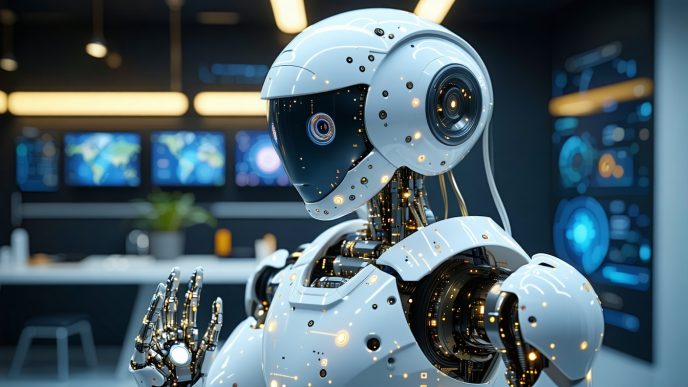
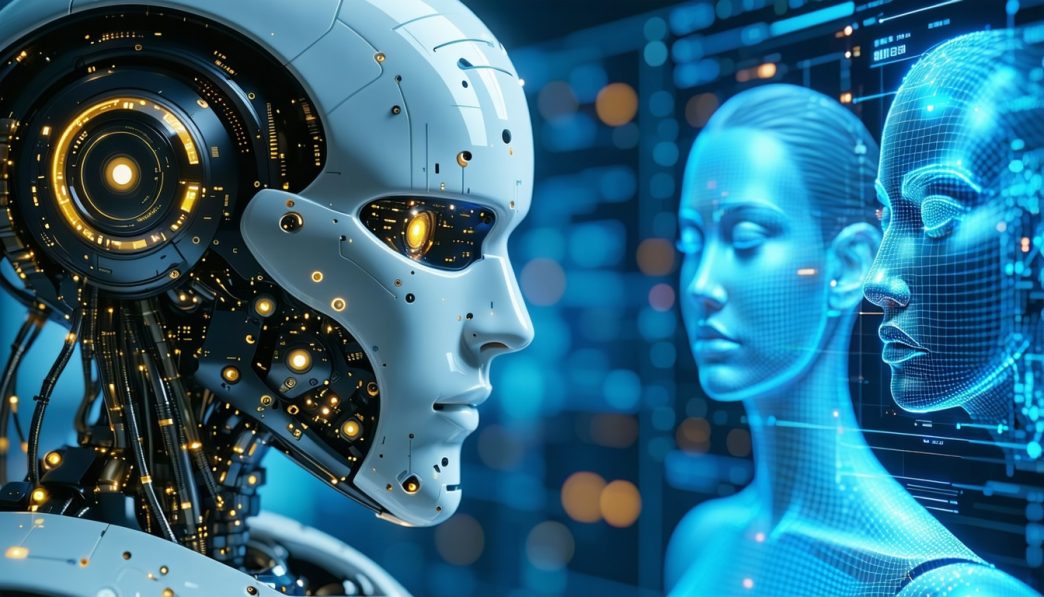
The integration of facial recognition in robots has become a significant aspect of robotic development. This technology enables robots to identify and differentiate between human faces, contributing to improved interactions and functionality in various applications.
Importance of Facial Recognition in Robotics
Facial recognition technology plays a critical role in enhancing the capabilities of robots. With the ability to identify individuals, robots can personalize interactions and improve user experiences. This technology is particularly important in fields such as security, healthcare, and customer service, where recognizing faces can lead to more effective responses and services.
| Application Area | Importance |
|---|---|
| Security | Enhances surveillance systems; identifies intruders |
| Healthcare | Assesses patient emotions; provides personalized care |
| Customer Service | Recognizes regular clients; improves service quality |
As robots increasingly become part of daily life, the implementation of facial recognition remains important for fostering trust and ensuring smooth human-robot collaboration. 
Overview of How Robots Identify Faces
Robots identify faces through a combination of advanced technologies and algorithms. The process begins with image capture using integrated camera systems that collect visual data. Once the images are captured, they are processed to detect facial features, allowing the robot to recognize and analyze individual faces.
The key steps in the facial recognition process in robots are:
- Image Capture: Utilizing camera systems in robots to obtain facial images.
- Facial Feature Detection: Applying algorithms to locate distinctive facial landmarks such as eyes, nose, and mouth.
- Face Recognition: Comparing detected features to stored facial data to identify individuals.
This systematic approach enables robots to successfully identify faces, enabling a variety of applications in enhancing human-robot interaction and improving overall efficiency in task completion. For an extensive overview of related topics, explore our articles on object detection in robots and robot vision challenges.
The Technology Behind Facial Recognition
Facial recognition technology in robots relies on advanced methodologies that enable them to identify and interact with human faces. This section will explore the machine learning algorithms and facial feature detection processes that facilitate facial recognition in robots.
Machine Learning Algorithms
Machine learning algorithms are the backbone of facial recognition systems. These algorithms enable robots to learn from data, recognize patterns, and improve their accuracy over time. The most commonly employed algorithms in this domain include:
| Algorithm Type | Description |
|---|---|
| Convolutional Neural Networks (CNNs) | Specialized for image processing, extracting features from faces efficiently. |
| Support Vector Machines (SVMs) | Classifies data into categories and is effective for recognizing facial features. |
| K-Nearest Neighbors (KNN) | A simple algorithm that classifies based on the closest training examples. |
| Decision Trees | Models decisions and their consequences for facial identification. |
These algorithms process large datasets containing images of human faces to learn distinguishing features such as eyes, nose, and mouth shapes. Through training, robots can achieve high accuracy rates in recognizing faces, thus allowing for advanced human-robot interaction.
Facial Feature Detection
Facial feature detection is a critical step in the facial recognition process. This technology helps robots identify specific landmarks on a face, enhancing their ability to recognize emotions and identities. Key aspects of facial feature detection include:
| Feature Detection Technique | Description |
|---|---|
| Haar Cascades | Uses machine learning patterns to detect facial features quickly and accurately. |
| HOG (Histogram of Oriented Gradients) | Extracts features based on the gradient orientation, effective in identifying edges in facial structures. |
| Facial Landmarks | Identifies key points such as the corners of the eyes, mouth, and nose to create a facial map. |
Using such techniques, robots can analyze and interpret facial features, contributing to the field of robot vision and object recognition. These capabilities not only enhance a robot’s ability to recognize individuals but also help in interpreting their emotional states.
For example, accurate facial feature detection enables robots to respond appropriately in social situations, making them more effective companions and helpers. In addition, combining these technologies with depth sensing in robots and camera systems in robots results in a more comprehensive understanding of the environment.
As advancements continue, integrating AI models for visual recognition in robots is set to enhance the robustness and performance of facial recognition systems, helping solve challenges associated with robot vision and the future of robot vision.
Understanding Facial Emotions
Facial recognition in robots extends beyond simply identifying faces; it encompasses interpreting emotions as well. This capability is becoming increasingly important as robots interact with humans in various environments.
How Robots Interpret Emotions
Robots use a combination of algorithms and machine learning techniques to assess facial expressions and determine emotional states. By analyzing features such as the position of the eyes, mouth, and eyebrows, robots can identify basic emotions, including happiness, sadness, anger, surprise, and disgust.
The interpretation process involves several stages:
-
Facial Feature Detection: Using advanced camera systems in robots, robots first capture images of a person’s face. Then, facial landmarks are detected through algorithms.
-
Emotion Classification: Once the features are identified, machine learning models classify them into specific emotional categories. These models are trained on extensive datasets that include various facial expressions associated with different emotions.
-
Feedback Mechanisms: Some robots also utilize feedback from interactions to refine their interpretations. By observing humans’ responses, they can adjust their emotional readings to improve accuracy.
The table below illustrates the basic emotions commonly interpreted by robots:
| Emotion | Key Features |
|---|---|
| Happiness | Smiling, lifted eyebrows |
| Sadness | Frowning, drooping mouth |
| Anger | Furrowed brows, tight lips |
| Surprise | Raised eyebrows, open mouth |
| Disgust | Wrinkled nose, raised upper lip |
Challenges in Emotion Recognition
Despite advancements in technology, robots face several challenges when interpreting emotions. These hurdles affect the effectiveness of facial recognition in robots:
-
Cultural Differences: Emotional expressions can vary significantly across cultures. A robotic system trained on one cultural dataset may misinterpret emotions in another cultural context.
-
Subtlety of Expressions: Human emotions can be complex and subtle. Variations in facial expressions, such as micro-expressions, can be difficult for robots to detect accurately.
-
Variability in Lighting and Angles: Changes in lighting conditions or the angle from which a face is viewed can influence recognition accuracy. Robots must adapt their systems to handle different environmental situations effectively.
-
Limited Data: Training models require extensive and diverse datasets. If the data is limited or biased, the robot’s ability to accurately recognize and interpret emotions suffers.
Understanding these challenges provides insight into the current limitations of object detection in robots related to emotional recognition. Continuous advancements in AI models and vision technology will play a vital role in overcoming these obstacles, enhancing the overall capabilities of robots in human interaction. For more on machine learning techniques used in visual recognition, see our article on AI models for visual recognition in robots.
Applications of Facial Recognition in Robotics
Facial recognition technology in robots has evolved significantly, leading to various practical applications that enhance security, surveillance, and human-robot interaction. These applications illustrate how integrating advanced visual capabilities can improve functionality and user experience.
Security and Surveillance
Facial recognition plays a crucial role in the security sector. Robots equipped with this technology can monitor public spaces, identify individuals, and alert security personnel about potential threats. They can integrate with camera systems for real-time data processing, allowing for quick responses to any suspicious activity.
| Application | Description |
|---|---|
| Intrusion Detection | Robots can scan for unauthorized personnel in restricted areas, ensuring safety. |
| Public Safety Monitoring | Robots can oversee crowded environments, alerting authorities to incidents. |
| Automated Access Control | Robots can manage entry points, granting access only to authorized individuals. |
These robotic systems employ algorithms for effective analysis of faces, enhancing monitoring capabilities. For more details on how cameras contribute to robot functionalities, check out our article on camera systems in robots.
Human-Robot Interaction
Facial recognition technology also enhances human-robot interaction. Robots can recognize and respond to human emotions, making them more relatable. This ability allows for a more personalized interaction, important in areas like healthcare and customer service.
| Interaction Type | Benefit |
|---|---|
| Emotional Support | Robots can identify feelings and provide appropriate responses. |
| Assistive Technology | Robots can assist elderly or disabled individuals more effectively by recognizing their needs. |
| Service Robots | In retail settings, robots can gauge customer satisfaction based on facial expressions. |
By understanding emotions, robots can improve communication and ensure that they cater to individual user needs. For further insights into other aspects of robot vision, such as object detection, visit our article on object detection in robots.
The applications of facial recognition in robotics continue to expand, influencing various sectors and improving the way humans interact with machines. Keeping up with advancements in this field is essential for understanding future developments in robot capabilities.
Privacy and Ethical Considerations
Data Security Concerns
As robots increasingly employ facial recognition technology, issues related to data security have come to the forefront. The collection, storage, and processing of facial data can expose sensitive information, making it vulnerable to breaches and unauthorized access. Companies and developers must prioritize security measures to protect users’ biometric data.
The following table outlines common data security practices for facial recognition systems:
| Security Practice | Description |
|---|---|
| Encryption | Protects data during transmission and storage. |
| Access Controls | Limits access to sensitive information only to authorized personnel. |
| Regular Audits | Ensures compliance with security standards and identifies vulnerabilities. |
| Anonymization | Removes personal identifiers from data sets for enhanced privacy. |
Establishing robust security protocols is essential in ensuring that data collected by facial recognition systems is safeguarded against potential misuse.
Privacy Regulations for Facial Recognition
Privacy regulations surrounding the use of facial recognition technology vary across regions. Governments and organizations are increasingly drafting and implementing laws to protect citizens’ rights and privacy. These regulations influence how facial recognition in robots can be used in public and private spaces.
Key regulations include:
| Regulation | Purpose |
|---|---|
| GDPR (EU) | Protects personal data and requires explicit consent for data collection. |
| CCPA (California) | Gives consumers the right to know what information is collected and accessed. |
| Biometric Information Privacy Act (Illinois) | Regulates the use of biometric identifiers, including facial recognition. |
These regulations are designed to ensure that individuals’ privacy rights are respected while allowing for technological advancements. Compliance with privacy laws is fundamental for companies developing robotic systems that utilize facial recognition technology. For a deeper dive into the technology involved in facial recognition, readers can explore the section on robot vision and object recognition.
The Future of Facial Recognition in Robotics
The landscape of facial recognition in robots is rapidly evolving, paving the way for groundbreaking advancements that are reshaping both technology and society. This section examines the latest developments in facial recognition technologies and the broader implications these innovations may have.
Advancements in the Field
Recent advancements in the field of facial recognition have made robots more adept at identifying individuals and interpreting emotions. Machine learning continues to be pivotal in this progress, enabling robots to refine their recognition software, improving both accuracy and speed. Key technological advancements include:
| Advancement | Description |
|---|---|
| Improved Algorithms | Enhanced algorithms are allowing for more precise facial and emotional recognition, reducing error rates. |
| Real-Time Processing | The capability for real-time analysis is increasing, allowing robots to respond quickly to human interactions. |
| Multi-Dimensional Analysis | Robots are now able to analyze facial expressions in 3D, providing a deeper understanding of emotional cues. |
These innovations are supported by advanced camera systems in robots that enhance visual processing capabilities. Additionally, integration with AI models for visual recognition in robots is enhancing the ability of robots to differentiate between individuals based on more complex attributes.
Potential Impacts on Society
The implications of enhanced facial recognition capabilities in robotics are far-reaching. These advancements can improve human-robot collaboration across various sectors, including healthcare, education, and security. Potential impacts include:
- Enhanced Safety: Improved facial recognition may lead to improved security measures in public spaces and wise allocation of resources in emergency situations.
- Better Customer Service: Robots equipped with emotional recognition might provide personalized interactions in retail and hospitality, catering to customer needs more effectively.
- Ethical Concerns: The proliferation of facial recognition technologies raises significant ethical questions regarding privacy and consent.
In addressing these challenges, the importance of establishing robust regulations cannot be overstated. Awareness must be heightened around the implications of using facial recognition technology, especially in areas related to robot vision challenges.
As the technology progresses, ongoing discussions around ethical guidelines and privacy regulations will determine how society adapts to these emerging capabilities. Future developments in depth sensing in robots and object detection in robots will further enrich the toolkit of facial recognition technologies, orchestrating an exciting future for robotics.
Understanding these advancements in facial recognition is crucial for tech enthusiasts and potential robot buyers as they navigate a rapidly changing landscape. For deeper insights into upcoming trends, the future of robot vision presents a tantalizing frontier of possibilities.
Challenges and Limitations
The development of facial recognition technologies in robots has made significant strides, yet challenges and limitations remain in accuracy and bias. Understanding these issues is crucial for improving both the technology itself and its applications.
Accuracy Issues
Accuracy is a primary concern in the field of facial recognition in robots. Factors such as lighting, angle, and occlusion can impair a robot’s ability to accurately identify faces. Additionally, variations in facial expressions and accessories like glasses or hats can lead to incorrect recognition.
The accuracy rates of different systems can vary significantly. The table below illustrates general accuracy rates for various facial recognition systems:
| System Type | Accuracy Rate (%) |
|---|---|
| Standard Facial Recognition | 85 – 95 |
| Advanced Machine Learning | 90 – 98 |
| Real-Time Recognition | 70 – 90 |
These rates highlight the need for continuous improvements in algorithms and hardware, such as higher quality camera systems in robots and better object detection in robots.
Bias and Diversity Concerns
Bias in facial recognition systems represents a significant ethical challenge. Studies have shown that these systems can be less accurate for individuals from diverse racial and ethnic backgrounds. This discrepancy raises concerns about equal treatment and effectiveness in applications like security or human-robot interaction.
Research has shown varying accuracy levels across different demographic groups, as illustrated in the following table:
| Demographic Group | Accuracy Rate (%) |
|---|---|
| Light-Skinned Individuals | 90 – 95 |
| Dark-Skinned Individuals | 70 – 80 |
| Women vs. Men | 85 – 90 (women) vs. 90 – 95 (men) |
Addressing these bias and diversity issues requires extensive training datasets that encompass a wide range of facial features and demographics. The implementation of robust AI models for visual recognition in robots is essential in ensuring a fair and equitable recognition process. For more information on related challenges in robotic vision, check our article on robot vision challenges.
Continued advancements in technology and awareness of these issues will play a critical role in shaping the future of facial recognition in robotics and its applications. For insights into upcoming developments, see our article on the future of robot vision.