The Intersection of AI and Robotics
Introduction to Visual Recognition in Robots
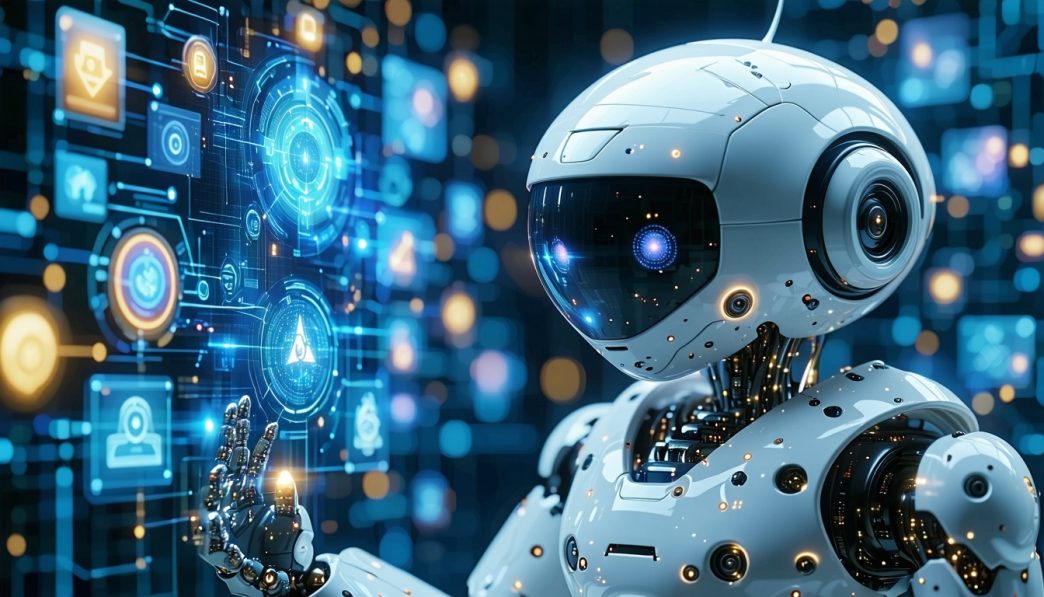
At the convergence of artificial intelligence (AI) and robotics lies visual recognition technology, which enables robots to identify and interact with their surroundings effectively. Robots equipped with advanced vision systems can detect, analyze, and respond to various objects, people, and obstacles. This capability not only enhances their ability to perform tasks but also improves safety and efficiency in various applications.
Robot vision is powered by AI models that comprehend images similarly to humans, utilizing techniques that interpret visual data. These models analyze pixel patterns, colors, and shapes to recognize different elements within their environment. For those interested in how robots utilize visual recognition, our article on robot vision and object recognition provides a comprehensive overview.
Importance of AI Models for Object Recognition
AI models play a pivotal role in the effective operation of robots. They serve as the foundation for how robots learn to recognize and categorize objects. The models are trained on extensive datasets, allowing them to gain accuracy in identifying items under various conditions. 
The significance of these AI models can be highlighted through the following points:
| Aspect | Description |
|---|---|
| Accuracy | Reliable object recognition enhances robots’ task performance. |
| Speed | Faster processing allows for real-time decision-making and adaptability. |
| Versatility | AI models can be designed to recognize a wide range of objects, from simple shapes to complex items. |
A crucial part of the training process includes object detection in robots, where models are trained specifically to locate and classify items in visual inputs. These capabilities are further refined through ongoing learning and adjustments in response to environmental changes. The use of different AI techniques, such as facial recognition in robots and color and shape recognition in robots, exemplifies how specialized models improve robot interaction with diverse stimuli.
Integrating camera systems in robots provides the essential sensory input for the AI models to analyze, allowing for sophisticated depth perception and an understanding of spatial relationships in their environment. Thus, the role of AI in enhancing visual recognition in robotics is crucial for developing intelligent, capable machines that can navigate the complexities of human environments.
For those looking into the challenges faced in robot vision, our article on robot vision challenges provides insights into various hurdles that affect performance and accuracy. Understanding these challenges is vital as we move towards the future of robot vision and its potential evolutions.
How AI Trains Robots
The effective training of robots in visual recognition relies on sophisticated processes that involve various stages of learning. This section will outline the key components of how AI models for visual recognition in robots are developed and implemented.
Overview of Training Processes
Training robots to recognize objects, people, and obstacles involves a multi-step methodology. This methodology typically includes data collection, model training, and evaluation. The process begins with gathering substantial datasets that contain images and videos of various objects and environments. These datasets serve as the foundation for teaching robots to identify and respond to different visual stimuli.
Key stages in the training process include:
- Data Collection
- Data Annotation
- Neural Network Training
- Performance Evaluation
Data Collection and Annotation
Data collection is crucial for developing effective AI models. Robots need a diverse range of images that capture various objects from multiple angles, under differing lighting conditions, and dynamic environments. This ensures that the trained model can generalize well to real-world scenarios.
Once the data is collected, annotation is required to label images accurately. This labeling often involves identifying objects and their boundaries, which helps the AI understand what to look for. Data annotation can be performed manually or through automated systems, depending on the complexity and requirement of the data.
The following table summarizes the key aspects of data collection and annotation:
| Aspect | Description |
|---|---|
| Source | Images from databases, cameras, real-world scenarios |
| Diversity | Variety of objects, angles, and environments |
| Annotation Type | Object boundaries, labels, classifications |
Neural Network Training
After data collection and annotation, the training phase begins. Neural networks, particularly convolutional neural networks (CNNs), are commonly employed for their effectiveness in image processing. During this phase, the model learns to identify patterns and features from the annotated dataset.
The training process involves several iterations where the model is fed input data, makes predictions, and receives feedback based on the correct outputs. This feedback loop continues until the model achieves a satisfactory level of accuracy.
Key components of neural network training include:
- Loss Function: Measures how well the model’s predictions align with the actual outcomes.
- Optimizer: Adjusts the model’s parameters to reduce the loss.
- Epochs: Represents the number of complete passes through the training dataset.
In summary, training robots to recognize their surroundings is an intricate process that combines substantial data collection, thorough annotation, and advanced neural network methodologies. For more information about specific challenges in robot vision, see our article on robot vision challenges or explore the potential of object detection in robots.
Adaptive Learning in Robots
Adaptive learning is a crucial aspect of modern robotics, enabling machines to respond intelligently to their surroundings. By learning from environmental interactions and continually improving their performance, robots become more efficient and effective in their tasks.
Learning from Environment Interaction
Robots equipped with AI models for visual recognition learn by interacting with their environment. During this process, they gather data on various objects, people, and obstacles, allowing them to build a comprehensive understanding of their surroundings.
The learning process typically involves several key components:
| Component | Description |
|---|---|
| Sensor Data Collection | Robots utilize sensors and camera systems to gather data from their surroundings. These systems capture visual and spatial information about objects. See more about camera systems in robots. |
| Data Processing | The collected data is processed by AI algorithms that identify patterns and features. This includes recognizing shapes, colors, and sizes, which is essential for tasks like object detection in robots. |
| Feedback Mechanisms | Robots receive feedback from their actions, allowing them to refine their understanding and improve accuracy. For instance, successful navigation around obstacles helps the robot learn more about spatial relationships. |
This cycle of interaction and learning enables robots to adjust their behaviors based on real-time feedback, thereby enhancing their abilities to perform tasks effectively.
Continual Improvement and Adaptation
Adaptation is a process of continual improvement that allows robots to evolve their performance over time. As robots collect more data and interact with their environment, they refine their models, leading to enhanced recognition capabilities.
Key elements of this adaptive learning process include:
| Element | Description |
|---|---|
| Incremental Learning | Robots can update their recognition models incrementally based on new data, which helps in recognizing previously unseen objects or environments. |
| Transfer Learning | This involves applying knowledge from previously learned tasks to new but similar tasks, improving recognition efficiency. For example, a robot that learns to identify a chair can more easily recognize variations of chairs. |
| Self-Calibration | Some robots have the ability to calibrate their sensors and recognition algorithms autonomously based on realized inconsistencies. Challenges such as robot vision challenges may prompt the robot to adjust its measurements and improve overall performance. |
By focusing on continual improvement and adaptation, robots become increasingly proficient at recognizing objects and interacting safely within their environment. This advancement in learning methods ultimately supports the growing expectations for robotic applications in various settings, such as manufacturing, healthcare, and personal assistance. For those interested in the potential future of these technologies, explore the future of robot vision.
Implementation in Robotics
The practical application of AI in robotics focuses on enhancing the robots’ ability to perceive their surroundings and respond appropriately. This section covers key components of this implementation: real-time object recognition, obstacle avoidance mechanisms, and the interaction with humans.
Real-Time Object Recognition
Real-time object recognition allows robots to identify and classify objects instantaneously, which is crucial for their effective operation. AI models are trained to recognize various objects using visual inputs, enabling robots to make decisions based on what they detect. The performance metrics of these models are often expressed in terms of accuracy and speed.
| Model Type | Accuracy (%) | Speed (frames per second) |
|---|---|---|
| Convolutional Neural Networks (CNN) | 90 – 95 | 30 – 60 |
| YOLO (You Only Look Once) | 85 – 95 | 45 – 150 |
| SSD (Single Shot Multibox Detector) | 80 – 90 | 30 – 60 |
These AI models for visual recognition in robots are integral for applications ranging from manufacturing to autonomous vehicles. To learn more about the technology behind this, explore our article on robot vision and object recognition.
Obstacle Avoidance Mechanisms
Obstacle avoidance is critical for ensuring the safety of both the robot and its surroundings. Robots equipped with advanced visual recognition systems can detect and navigate around obstacles in real-time. The core mechanisms typically include sensors, camera systems, and advanced algorithms.
| Sensor Type | Detection Range (meters) | Accuracy (%) |
|---|---|---|
| Lidar | 0.1 – 100 | 90 |
| Ultrasonic Sensors | 0.02 – 4 | 75 |
| Vision Systems | 0.5 – 10 | 80 |
The integration of these sensors allows robots to perceive depth, detect obstacles, and maneuver effectively. For more on the types of sensors used in robotics, check out our article on camera systems in robots.
Human Interaction and Safety
Safety during human-robot interaction is crucial and involves several layers of design and implementation. Robots are equipped with features like facial recognition and behavioral analysis to ensure they operate safely around people.
| Safety Feature | Functionality |
|---|---|
| Facial Recognition | Identifies and monitors individuals for safety |
| Proximity Sensors | Detects human presence and adjusts movements |
| Emergency Stop Systems | Halts all operations in case of danger |
Ensuring robots can identify and interact with humans appropriately minimizes risks and enhances cooperation. For more on how robots recognize human features, refer to our article on facial recognition in robots.
The integration of these implementations demonstrates how AI transforms robots into intelligent entities capable of safe and effective interactions with their environment. For deeper insights into the challenges of robot vision, visit our article on robot vision challenges.
Future Developments
The field of robotics is rapidly evolving, particularly in the realm of AI models that enhance visual recognition capabilities. This section explores the advancements in AI for robotics, potential applications of these technologies, and the ethical considerations surrounding their use.
Advancements in AI for Robotics
Recent innovations in AI are significantly improving the capabilities of robots in visual recognition. Enhanced algorithms and improved neural networks have resulted in more accurate and efficient object recognition. These advancements allow robots to process visual information in real-time, resulting in better interaction with their environment.
Some key advancements include:
| Technology | Description |
|---|---|
| Deep Learning | Advanced algorithms enable more precise visual data interpretation. |
| Improved Image Processing | Faster and more accurate analysis of visual information enhances decision-making. |
| Transfer Learning | AI models built on previous experiences adapt quickly to new tasks. |
AI models for visual recognition in robots are becoming more capable, as these technologies handle complex environments and various conditions effectively. Robots equipped with these advanced systems can perform tasks like navigation, obstacle avoidance, and even facial recognition more accurately.
Potential Applications of AI-Enabled Robotics
The advancements in AI visual recognition are paving the way for numerous potential applications in various industries. Some applications include:
| Industry | Application |
|---|---|
| Healthcare | Assisting with patient monitoring and identifying medical supplies. |
| Manufacturing | Enhancing quality control and ensuring precise assembly operations. |
| Autonomous Vehicles | Facilitating navigation and collision detection in real-world environments. |
| Security | Monitoring environments through sophisticated surveillance and facial recognition. |
As AI-enabled robotics continue to evolve, their integration across multiple sectors can lead to increased efficiency and safety. For example, in warehouse automation, robots can use object detection in robots to identify and sort products accurately.
Ethical Considerations in AI-Driven Robotics
While the benefits of AI in robotics are significant, ethical considerations must be acknowledged. The deployment of advanced AI models raises questions about privacy, security, and the potential for misuse. Concerns include:
- Data Privacy: The collection and usage of visual data must be managed to protect individuals’ privacy rights.
- Bias in AI Algorithms: Algorithms could inadvertently reinforce biases if not carefully monitored and adjusted.
- Safety of Human Interaction: Ensuring that robots operate safely around humans is paramount, particularly in applications like facial recognition in robots.
As technology progresses, comprehensive frameworks and guidelines will be essential to govern the ethical implications of AI-driven robotics. Ongoing discussions within the industry aim to address these challenges to ensure responsible development and deployment.
The exploration of advancements in AI for robotics, along with its potential applications and ethical considerations, contributes to understanding the future landscape of robotic vision and object recognition. Further discussions around these topics can be found in articles like robot vision challenges and future of robot vision.