


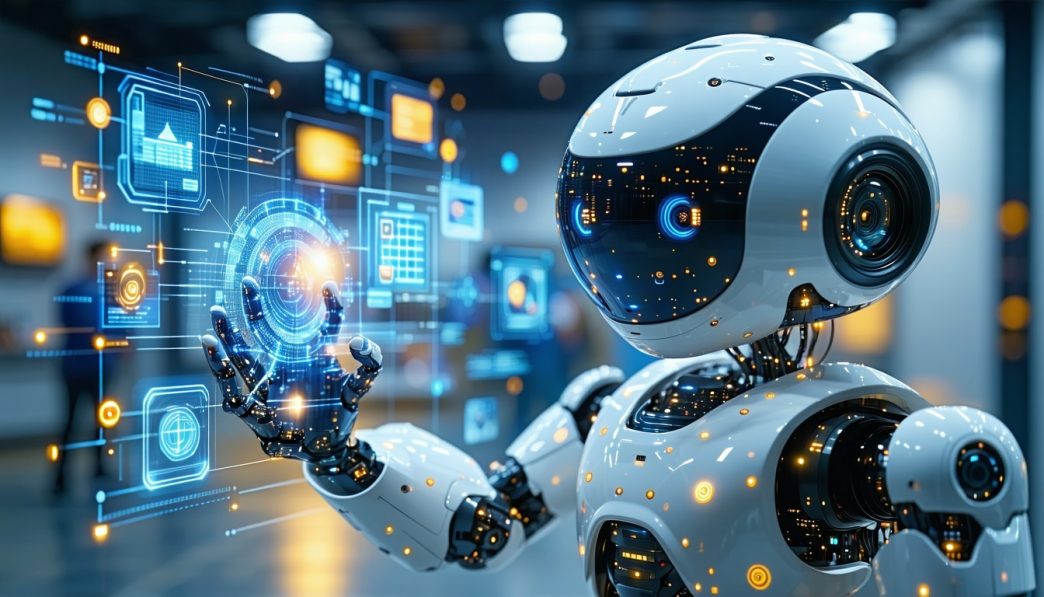
Camera Systems in Robots: A Crucial Component for Vision
Introduction to Camera Systems in Robots
Camera systems in robots play a fundamental role in enabling machine perception. These systems are responsible for capturing visual information from the environment, which is critical for tasks such as object identification, navigation, and interaction. Various types of cameras, including digital, thermal, and depth cameras, are utilized in robot applications, each serving a unique purpose and enhancing the robot’s capabilities to process visual data.
The effectiveness of these camera systems directly impacts the robot’s ability to understand its surroundings. By effectively integrating these vision systems, robots can operate autonomously and interact safely with people and objects around them.
Importance of Camera Systems in Robot Vision
The importance of camera systems in robot vision cannot be overstated. These systems allow robots to interpret complex environments, facilitating essential functions such as: 
-
Object Detection and Recognition: This capability enables robots to identify items and understand their characteristics, such as size and shape. Effective object detection relies on sophisticated algorithms that process the images captured by the camera systems.
-
Navigation and Obstacle Avoidance: Cameras assist robots in navigating through their surroundings, identifying obstacles, and planning paths to avoid collisions. This is crucial for robots operating in dynamic environments.
-
Data Gathering and Analysis: Camera systems collect vast amounts of data that can be used for training AI models. This data helps in improving the accuracy and efficiency of visual recognition tasks. For more information regarding these processes, refer to our articles on robot vision and object recognition and object detection in robots.
The following table summarizes camera system features:
| Feature | Digital Cameras | Thermal Cameras | Depth Cameras |
|---|---|---|---|
| Primary Use | General vision | Heat detection | Distance measurement |
| Typical Resolution | High (up to 20MP) | Medium (640×480) | Medium (640×480) |
| Operating Environment | Well-lit areas | Low light | Varied conditions |
| Cost Range | $50 – $500 | $100 – $1000 | $125 – $800 |
Robots equipped with the right camera systems can navigate complex tasks while ensuring safety and efficiency. As technology advances, the integration of more sophisticated camera systems will enhance robot vision further, leading to better performance in a variety of applications. For insights into the challenges faced in robot vision, explore our article on robot vision challenges.
Types of Cameras Used in Robots
Robots rely on various camera systems to perceive and interpret their environment effectively. Different types of cameras serve distinct functions in robot vision, enabling tasks such as object detection, navigation, and obstacle avoidance. The following sections explore three primary types of cameras: digital cameras, thermal cameras, and depth cameras.
Digital Cameras
Digital cameras are one of the most common types of camera systems used in robots. They capture images in visible light, allowing robots to recognize and process what they see. This type of camera is suitable for applications that require high-resolution images, such as facial recognition and color detection.
| Feature | Specification |
|---|---|
| Resolution | Up to 20 megapixels |
| Frame Rate | 30-60 frames per second |
| Field of View | Approximately 60-90° |
| Image Quality | High |
Digital cameras are particularly valuable for robot vision and object recognition. They process visual data efficiently, enabling robots to differentiate between objects based on color and shape. This function is essential in scenarios where the robot must identify specific items or navigate through crowded environments.
Thermal Cameras
Thermal cameras detect infrared radiation, allowing robots to see in low-light or complete darkness conditions. These cameras create images based on temperature differences in objects, making them ideal for applications such as search and rescue operations and surveillance.
| Feature | Specification |
|---|---|
| Resolution | Typically 320×240 |
| Frame Rate | 9-60 frames per second |
| Field of View | 45-90° |
| Temperature Detection | -20°C to 120°C |
Thermal imaging enables robots to identify people or animals based on their body heat, which can be crucial in object detection in robots. High-end thermal cameras can provide detailed imagery that enhances a robot’s ability to assess its environment accurately.
Depth Cameras
Depth cameras are designed to measure the distance between the camera and objects in its field of view. They use various technologies, such as infrared light or structured light, to create 3D images that help robots understand spatial relationships within their environment.
| Feature | Specification |
|---|---|
| Resolution | Generally 640×480 |
| Frame Rate | 30 frames per second |
| Field of View | Between 60-120° |
| Depth Accuracy | ± 1% – 5% |
Depth cameras are critical for navigation and obstacle avoidance. They allow a robot to gauge the proximity of objects and can significantly improve a robot’s efficiency and safety in dynamic environments. For more details on how depth perception enhances robot capabilities, refer to our article on depth sensing in robots.
Understanding the different types of camera systems in robots enables tech enthusiasts, robot buyers, and students to appreciate how robots perceive their environment. Each camera type plays a pivotal role in enhancing a robot’s functionality and efficiency. For deeper insights into visual recognition, explore AI models for visual recognition in robots.
Factors Influencing Camera Selection
When selecting camera systems in robots, several factors play a crucial role in determining their effectiveness in various applications. These factors include resolution and image quality, field of view, and frame rate. Each of these elements impacts how well a robot can perceive and interact with its environment.
Resolution and Image Quality
Resolution refers to the amount of detail an image holds, typically measured in pixels. Higher resolution cameras capture more detailed images, which is vital for tasks such as object recognition and tracking. Effective image quality safeguards accurate interpretation by the robot’s vision system.
| Camera Type | Resolution (Megapixels) | Image Quality |
|---|---|---|
| Basic Digital | 1 – 2 | Low |
| Standard Digital | 5 – 12 | Moderate |
| High-End Digital | 20+ | High |
| Thermal | Varies (depends on model) | Variable |
A camera with good resolution and image quality is necessary for applications like facial recognition in robots and object detection in robots.
Field of View
Field of view (FOV) is the extent of the observable environment visible at any given moment. A wider FOV allows a robot to capture more information about its surroundings without needing to move the camera. Conversely, a narrower FOV provides more detailed information about specific objects or areas.
| Camera Type | Typical FOV (Degrees) |
|---|---|
| Rectilinear | 60 – 180 |
| Fish-eye | 180+ |
| Standard Digital | 45 – 75 |
Choosing the appropriate field of view is crucial for tasks like color and shape recognition in robots and navigating through complex environments.
Frame Rate
Frame rate denotes the number of images captured by the camera per second, measured in frames per second (FPS). A higher frame rate allows more fluid motion tracking, essential for dynamic applications where the robot needs to react quickly to changes in its environment.
| Camera Type | Frame Rate (FPS) |
|---|---|
| Basic Digital | 15 – 30 |
| Standard Digital | 30 – 60 |
| High-Speed | 120+ |
For applications that involve real-time analysis, such as monitoring moving objects or depth sensing in robots, a high frame rate is critical. Selecting the right frame rate ensures that the robot can continuously process visual inputs effectively, leading to improved performance in complex tasks.
Understanding these factors aids in making informed decisions about the camera systems in robots. By considering resolution, field of view, and frame rate, developers can enhance a robot’s ability to perform complex tasks safely and intelligently.
Integration of Camera Systems with Robot Vision
The integration of camera systems into robotic architectures plays a crucial role in enhancing their vision capabilities. This section explores how camera systems contribute to object detection and recognition, as well as navigation and obstacle avoidance.
Object Detection and Recognition
Camera systems in robots enable the identification and classification of objects in their environment. This process is fundamental for tasks such as picking items, navigating through spaces, and interacting with humans.
Robots utilize various techniques and algorithms to perform object detection and recognition, including machine learning and image processing methods. The integration of advanced software with camera systems allows robots to accurately discern between different objects and assess their characteristics.
Here is a breakdown of some key technologies and their functions in object recognition:
| Technology | Function |
|---|---|
| Computer Vision Algorithms | Analyze images captured by cameras to identify shapes, colors, and textures. |
| Machine Learning Models | Learn from large datasets to improve accuracy in recognizing objects over time. |
| Depth Sensing | Enhances the capability to determine the distance of objects, aiding in accurate identification. |
For further details on how robots identify objects, you can explore our article on object detection in robots.
Navigation and Obstacle Avoidance
In addition to recognizing objects, camera systems are essential for the navigation of robots in dynamic environments. The ability to detect obstacles in real-time allows robots to make quick decisions, ensuring they can navigate safely and efficiently.
Robots typically employ a combination of camera types, such as depth cameras and thermal cameras, to enhance their navigation capabilities. Depth cameras provide information about the distance and shape of objects, while thermal cameras can detect heat signatures, helping robots navigate in low-light situations.
Here is a summary of key elements involved in navigation and obstacle avoidance:
| Component | Purpose |
|---|---|
| Visual Data Processing | Interprets images and videos to locate obstacles in the robot’s path. |
| Sensor Fusion | Combines data from multiple camera systems and sensors for comprehensive situational awareness. |
| Real-Time Processing | Enables immediate response to detected obstacles, facilitating safe navigation. |
For more on how robots use visual data for navigation, consider reading about depth sensing in robots.
Understanding how camera systems enable effective object detection and navigation is crucial for anyone interested in the advancements of robotic capabilities. These systems not only enhance the robots’ proficiency in task execution but also significantly contribute to the development of safer autonomous technologies.
Challenges and Solutions in Camera Systems
In the realm of robot vision, various challenges arise that affect the performance and reliability of camera systems. This section explores three significant obstacles: low light conditions, occlusions, and calibration/synchronization. Each challenge is coupled with potential solutions for optimizing camera functionality in robotic applications.
Low Light Conditions
Low light environments pose a significant challenge for robot vision systems. Cameras may struggle to capture clear images under insufficient lighting, affecting object recognition and navigation. Poor visibility can lead to inaccurate assessments and hinder task completion.
To overcome low light issues, several solutions can be implemented:
| Solution | Description |
|---|---|
| Infrared Cameras | These cameras detect infrared radiation, enabling them to see in complete darkness. |
| Low-Light Enhancement | Advanced algorithms improve the quality of images captured in low light by increasing brightness and contrast. |
| Image Processing Techniques | Techniques such as noise reduction and histogram equalization can enhance image clarity. |
Occlusions
Occlusions occur when objects partially or completely obstruct the camera’s view of a target, complicating detection and recognition tasks. This challenge can lead to errors during navigation or when performing specific functions.
To address occlusions, robots can employ the following strategies:
| Solution | Description |
|---|---|
| Multiple Cameras | Utilizing a network of cameras with different angles improves the chances of capturing unobstructed views. |
| Depth Sensors | Integrating depth cameras allows robots to understand spatial relationships, helping to identify objects behind obstructions. Refer to our article on depth sensing in robots for more insights. |
| AI Algorithms | Utilizing sophisticated AI models can help predict occluded objects based on context and previous interactions. These models can be found in our discussion on AI models for visual recognition in robots. |
Calibration and Synchronization
Proper calibration and synchronization of camera systems are crucial for ensuring accurate measurements and cohesive performance across multiple sensors. Misalignment can lead to discrepancies in data interpretation, impacting task execution.
To improve calibration and synchronization, the following methods can be employed:
| Solution | Description |
|---|---|
| Automated Calibration Systems | Implement automated procedures to adjust camera settings and align systems effortlessly. |
| Regular Manual Checks | Scheduled assessments ensure optimal performance and identify adjustments needed for any misalignments. |
| Software Tools | Utilizing calibration software can facilitate the coordination of multiple camera inputs, streamlining data collection. |
Addressing these challenges helps in enhancing the effectiveness of robot vision and object recognition. With advances in technology and thoughtful design, robotic camera systems can achieve better performance in real-world scenarios. A deeper understanding of these obstacles and their resolutions leads to improved reliability and functionality in robotic applications.
Future Trends in Camera Technology for Robots
As technology evolves, camera systems in robots are becoming increasingly sophisticated. Several trends are shaping the future of robotic vision, particularly in the areas of AI integration and enhanced sensing capabilities.
Advances in AI Integration
The integration of artificial intelligence (AI) into camera systems is revolutionizing how robots perceive their environment. With AI algorithms, robots can process and analyze images more effectively, enabling improved object detection and recognition. This makes them capable of identifying and categorizing objects, people, and obstacles with greater accuracy.
The following table outlines some key advancements in AI integration for robotic camera systems:
| Feature | Description |
|---|---|
| Real-time Processing | AI algorithms allow for immediate analysis of visual data, facilitating swift decision-making. |
| Machine Learning | Robots can learn from previous experiences, improving their performance over time. |
| Enhanced Recognition | Advanced models enable comprehensive identification of various objects, enhancing capabilities in tasks such as facial recognition in robots and color and shape recognition in robots. |
These advancements significantly boost the utility of camera systems in robots and enhance their overall efficiency. For a deeper understanding of how these technologies work together, explore our article on robot vision and object recognition.
Enhanced Sensing Capabilities
Camera systems are also seeing improvements in their sensing capabilities, allowing robots to better understand their surroundings. The development of depth cameras, for example, enables robots to perceive the three-dimensional structure of their environment. This technology is crucial for navigation and obstacle avoidance, allowing robots to operate effectively in complex spaces.
Here are some notable enhancements in sensing capabilities:
| Sensing Technology | Benefit |
|---|---|
| Depth Cameras | Provide precise information about distances and help in creating 3D maps of environments, discussed further in depth sensing in robots. |
| Thermal Imaging | Offers solutions for low-light environments, helping robots to identify heat signatures effectively. |
| Lidar Integration | Combines camera data with laser scanning to generate accurate spatial information. |
These advancements not only improve the robot’s ability to navigate safely but also make them more adaptable to varied working conditions. The future of camera systems in robots is promising, as AI technologies and enhanced sensing continue to evolve and redefine what is possible in automated vision. For more insight into emerging developments, refer to our article on the future of robot vision.


