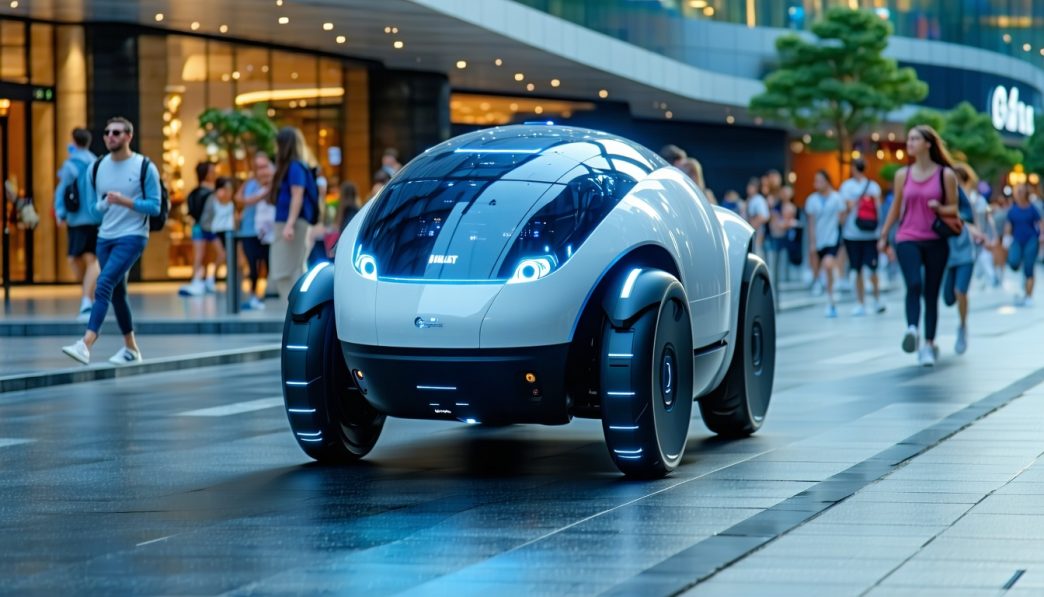
Rideable Robots: The Future of Mobility
Introduction to Rideable Robots
Rideable robots represent an innovative leap in the realm of mobility solutions. Designed to provide convenient transportation, these robots can carry riders over various terrains and through different environments. Their emergence reflects advancements in robotics, engineering, and artificial intelligence, aimed at enhancing daily commuting and recreational travel.
The technology behind rideable robot mobility combines principles from various fields, enabling these machines to navigate complex environments efficiently. Depending on their design, rideable robots can move in different ways, including rolling, walking, or climbing, thereby adapting to the specific needs of their users.
| Type of Rideable Robot | Movement Mechanism | Example Uses |
|---|---|---|
| Self-Balancing Robots | Two wheels, gyroscopic stabilization | Personal transport, leisure |
| Multi-Legged Robots | Climbing and walking | Search and rescue, exploration |
| Wheeled Robots | Rolling on wheels | Delivery, logistics |
| Hybrid Robots | Combination of wheels and legs | Diverse applications |
Importance of Stability and Terrain Handling
Stability and terrain handling are critical factors in the design of rideable robots. Ensuring that these machines can maintain balance while transporting users is essential for safety and comfort. Various mechanisms come into play to achieve this stability, including gyroscopic systems and inertial measurement units. These technologies work together to detect shifts in weight or position and make necessary adjustments to keep the robot steady. 
Furthermore, adapting to different terrains is equally important. The ability to traverse uneven surfaces and obstacles influences the usability of rideable robots in real-world applications, such as urban commuting or outdoor activities. Various design features, including all-terrain wheels and specialized climbing mechanisms, enhance a robot’s capability to handle diverse environments.
| Challenge | Solution |
|---|---|
| Uneven surfaces | Active suspension systems |
| Steep inclines | Climbing mechanisms |
| Indoor navigation | Advanced sensors and algorithms |
Understanding the intricacies of rideable robot mobility is paramount for developers and enthusiasts alike. Innovations in stability and terrain handling will shape the future of personal and commercial transportation, offering insights into the evolution of mobility technology. For further details, readers can explore topics such as robot movement and mobility and terrain adaptation in robots.
Main Types of Rideable Robots
Rideable robots come in various designs and mechanisms, each tailored for specific tasks, mobility needs, and environments. This section explores the primary types of rideable robots: self-balancing robots, multi-legged robots, wheeled robots, and hybrid robots.
Self-Balancing Robots
Self-balancing robots are engineered to maintain stability while moving, utilizing mechanisms like gyroscopic sensors and accelerometers. These robots often rely on user input to control speed and direction, making them intuitive for riders.
| Feature | Description |
|---|---|
| Stability Mechanism | Gyroscopes and sensors |
| Typical Uses | Personal transport, fun rides |
| Maximum Speed | Up to 12 mph |
| Weight Limit | Approximately 220 pounds |
These robots are popular for recreational uses and short-distance travel. More insights into how these robots achieve stability can be found in our article on robot stability systems.
Multi-Legged Robots
Multi-legged robots are designed to mimic the natural motion of animals and are well-suited for traversing uneven surfaces and varied terrains. With advanced algorithms, these robots can navigate complex environments by adjusting their gait and balance dynamically.
| Feature | Description |
|---|---|
| Number of Legs | Typically 4 to 6 |
| Terrain Adaptability | Excellent for rough and uneven surfaces |
| Speed | Generally slower than wheeled robots |
| Use Cases | Search and rescue, exploration |
These robots demonstrate impressive adaptability, especially in challenging outdoor settings. Learn more about how these robots adapt with our article on terrain adaptation in robots.
Wheeled Robots
Wheeled robots are among the most common types of rideable robots. They utilize wheels and are designed for smooth, stable movement over flat surfaces. These robots are generally faster and more efficient than their multi-legged counterparts.
| Feature | Description |
|---|---|
| Wheel Configuration | 2, 3, or 4 wheels |
| Speed | Can exceed 20 mph depending on design |
| Maneuverability | Good on smooth surfaces, limited on rugged terrain |
| Applications | Delivery, transportation |
Wheeled robots are ideal for urban settings and can be optimized for speed and energy efficiency. For more details on the performance of these robots, refer to our article on robot speed and energy efficiency.
Hybrid Robots
Hybrid robots combine various locomotion methods, which could include wheels and legs. This versatility allows them to navigate diverse environments efficiently, adapting their movement style based on terrain conditions.
| Feature | Description |
|---|---|
| Movement Mechanisms | Combination of wheels and legs |
| Terrain Handling | Highly versatile |
| Speed | Variable based on mode of motion |
| Use Cases | Industrial, rescue operations, and exploration |
Hybrid robots showcase the future of versatile mobility in robotics, adapting to a range of operational contexts. Learn more about their unique features in our article on hybrid locomotion systems in robots.
Understanding these main types of rideable robots highlights the breadth of mobility options available in robotics today. Each design offers distinct advantages, making them suitable for different tasks and environments.
Stability Mechanisms
Stability is a crucial factor in the mobility of rideable robots. Various mechanisms contribute to maintaining balance and ensuring smooth movement over different terrains. The primary stability mechanisms include gyroscopic systems, inertial measurement units, and active suspension systems.
Gyroscopic Systems
Gyroscopic systems utilize the principles of angular momentum to maintain balance. These systems are equipped with gyroscopes that detect changes in orientation and help stabilize the robot. By adjusting the position of the gyroscopes in real-time, these systems can counteract any tilting or falling motion.
The effectiveness of gyroscopic systems can be influenced by factors such as their size and rotation speed. Below is a table comparing specifications:
| Specification | Standard Gyroscopic System | Advanced Gyroscopic System |
|---|---|---|
| Size (diameter) | 5-10 cm | 10-15 cm |
| Rotation Speed | 3000-6000 RPM | 8000+ RPM |
| Weight | 0.5-1.5 kg | 1.5-3 kg |
For a deeper understanding of robot stability systems, visit our article on robot stability systems.
Inertial Measurement Units
Inertial measurement units (IMUs) are electronic devices that combine accelerometers and gyroscopes to monitor the robot’s motion and orientation. They provide real-time data regarding speed, acceleration, and angular velocity, allowing the robot to adjust its balance dynamically.
IMUs are essential for rideable robots deployed in varying environments. Their integration into a robot’s control system enhances its ability to react promptly to changes in terrain or rider movement.
Key Features of IMUs:
| Feature | Details |
|---|---|
| Measurement Range | ±16g for acceleration |
| Sensitivity | High sensitivity for precise data |
| Data Output Frequency | 100-200 Hz |
For insights on how robots adapt to terrain, check out our article on terrain adaptation in robots.
Active Suspension Systems
Active suspension systems actively adjust the height and damping characteristics of the robot’s body to improve stability. These systems use sensors and actuators to detect surface conditions and rider movements. By altering the spring and damping properties, active suspension helps maintain balance while enhancing ride quality.
This technology is particularly effective for rideable robots that operate on uneven or challenging terrains. Its ability to provide a smoother ride contributes significantly to user comfort.
Here’s a summary of active suspension specifications:
| Specification | Standard Active System | Advanced Active System |
|---|---|---|
| Adjustment Frequency | 25 Hz | 50 Hz |
| Response Time | 50-100 ms | 20-50 ms |
| Weight | 3-5 kg | 5-7 kg |
For further details about the various types of robots and their locomotion styles, you can read about legged robots vs wheeled robots and hybrid locomotion systems in robots.
Understanding these mechanisms is essential for appreciating how rideable robots achieve mobility and stability in various environments, thus enhancing their usability and reliability.
Terrain Adaptability
Terrain adaptability is a crucial feature for rideable robots, enabling them to navigate various environments, whether rough outdoor landscapes or complex indoor layouts. This section explores how different mechanisms are utilized for effective movement over diverse surfaces.
All-Terrain Wheels and Treads
All-terrain wheels and treads are designed to enhance the mobility of rideable robots across different surfaces. These specialized wheels or tracks can grip various terrains, including mud, sand, and gravel, ensuring stable and reliable movement.
| Type | Description | Suitable Terrain |
|---|---|---|
| Pneumatic Tires | Inflated tires that provide cushioning and traction | Gravel, sand, and mud |
| Track Systems | Continuous band of rubber covering multiple wheels | Snow, rocky surfaces, and slush |
| Rigid Wheels | Solid wheels designed for stability | Indoor floors and smooth pavements |
The choice of all-terrain wheels or treads significantly impacts the robot’s performance. Factors such as the robot’s weight and the conditions it will regularly navigate must be considered. For more information about the capabilities of these wheels, see our article on all terrain robots.
Climbing Mechanisms
Climbing mechanisms grant rideable robots the ability to ascend and descend obstacles, making them functional in more challenging environments. Common climbing features include:
- Articulated Legs: Mimicking legged robots, these systems allow for climbing stairs or uneven surfaces.
- Gripping Appendages: Equipped with claws or hooks to help the robot navigate steep inclines.
- Adaptive Treads: Increase traction on inclines or uneven surfaces.
The effectiveness of these mechanisms greatly enhances a robot’s versatility. For detailed insights on how different robots manage climbing tasks, refer to our article on robot stair climbing.
Indoor Navigation Systems
Indoor navigation systems are essential for robots designed to operate within buildings. These systems help robots efficiently maneuver through obstacles such as furniture and walls. Key components include:
- Lidar Sensors: These detect obstacles and measure distances to create a detailed map of the environment.
- Camera Systems: Used for vision-based navigation to identify and avoid obstacles.
- Infrared Sensors: Useful for detecting nearby objects and adjusting movement accordingly.
The integration of these systems enables rideable robots to operate smoothly indoors while ensuring efficient routing. For more on how robots navigate their environments, check out our article on terrain adaptation in robots.
Rideable robots that effectively adapt to various terrains showcase impressive mobility features, enhancing their usability in different environments for various applications. Understanding these attributes is vital for anyone interested in the evolving field of robotics and its impact on practical mobility solutions.
Challenges and Solutions
Rideable robots face several challenges in maintaining mobility, especially concerning uneven surfaces, obstacle navigation, and rider safety. Understanding these challenges and the solutions designed to address them can provide insights into the field of robotic development.
Handling Uneven Surfaces
Uneven surfaces present a significant challenge for rideable robots. These surfaces can include gravel paths, cobblestones, and grassy areas, which can destabilize robots not equipped to handle such terrain. To navigate these obstacles effectively, many robots utilize advanced algorithms and stability systems.
| Challenge | Solution |
|---|---|
| Surface irregularity | Use of gyroscopic systems to maintain balance |
| Sudden drops or rises | Implementation of active suspension systems to absorb shocks |
| Vibration from rough terrain | Adoption of all-terrain wheels specifically designed for varied surfaces |
Robots designed for mobility in differing environments must include effective terrain adaptation in robots to ensure stability and comfort for riders.
Navigating Obstacles
Obstacle navigation is another critical area for rideable robots. These robots must identify and maneuver around physical barriers effectively. Employing sensors and smart technology is essential for achieving this goal.
| Challenge | Solution |
|---|---|
| Identifying obstacles | Integration of lidar and cameras for real-time scanning |
| Dynamic pathfinding | Use of AI algorithms to predict and plan routes |
| Avoidance techniques | Development of hybrid locomotion systems for agile movement |
Robots that can successfully navigate obstacles enhance their usability in real-world scenarios, making them suitable for a variety of applications, including those discussed in robot movement and mobility.
Enhancing Rider Safety
Safety is paramount in rideable robot design, especially when the rider’s well-being is at stake. Ensuring a secure riding experience should not be overlooked while maximizing mobility.
| Challenge | Solution |
|---|---|
| Risk of falls | Implementation of stability systems to prevent tipping |
| Impact protection | Use of ergonomic designs to ensure rider security and comfort |
| User awareness | Inclusion of control interfaces that alert users to environmental hazards |
A focus on enhancing rider safety promotes confidence in using rideable robots in various settings. For more information, consider exploring robot stability systems as well as strategies for ensuring safe movement.
Overall, addressing these challenges through innovative solutions not only improves rideable robot mobility but also increases the overall user experience and reliability in diverse environments.
User Experience Factors
When considering the usability of rideable robots, several factors significantly influence user experience. Comfort, control interfaces, and durability play vital roles in how individuals interact with and rely on these technologies. Understanding these aspects helps enhance the practical value of rideable robot mobility.
Comfort and Ergonomics
The comfort of a rideable robot is crucial for users, especially during extended use. Ergonomic design accommodates the natural posture of users, minimizing strain and fatigue. Features such as adjustable seating, shock absorption systems, and vibration reduction mechanisms contribute to overall comfort.
| Feature | Importance |
|---|---|
| Adjustable Seating | Aids in finding the right riding position |
| Shock Absorption | Reduces impact from rough terrain |
| Vibration Dampening | Enhances comfort during movement |
Robots designed with user comfort in mind are more likely to encourage frequent use and enhance overall satisfaction.
Control Interfaces
The control interface is the means through which the user interacts with the robot. A well-designed interface improves usability and provides an intuitive experience. Control options can vary, from joystick and touchscreen interfaces to voice-activated commands.
| Control Type | Advantages |
|---|---|
| Joystick | Offers precise directional control |
| Touchscreen | Allows for interactive and customizable settings |
| Voice Activation | Provides hands-free operation |
Understanding the different control interfaces helps users select a rideable robot that suits their preferences. Users can enhance their robot movement and mobility experience by choosing interfaces that offer a balance of responsiveness and simplicity.
Durability and Reliability
Durability and reliability are key considerations in rideable robot mobility. Robots must withstand various environments, from indoor settings to rugged outdoor terrains. Durability is often determined by the materials used in construction and the design of components.
| Durability Feature | Benefit |
|---|---|
| Water Resistance | Increases usability in wet conditions |
| Impact-Resistant Materials | Enhances longevity and reduces wear and tear |
| High-Quality Sensors | Improves reliability in navigation and stability |
A reliable rideable robot reduces maintenance needs and enhances user confidence. This contributes to the overall success of the technology in real-world applications.
By focusing on these user experience factors, designers can create rideable robots that meet the demands of users while providing an exceptional mobility solution. For insights into how different types of robots differ in movement, read about legged robots vs wheeled robots, and explore how these factors impact the overall functionality of robots on various terrains with terrain adaptation in robots.
Real-World Applications
The rising popularity of rideable robots has led to innovative applications across various fields. These applications demonstrate the potential of rideable robots in enhancing mobility and convenience in everyday life. Here are three notable real-world applications:
Commercial Delivery Robots
Commercial delivery robots are designed to autonomously transport goods within urban environments. They utilize advanced rideable robot mobility mechanisms to navigate sidewalks, streets, and other terrains while ensuring safety and efficiency. Many models are equipped with all-terrain capabilities to handle various surface types, making them versatile for different delivery scenarios.
| Feature | Specification |
|---|---|
| Load Capacity | 20 – 100 lbs |
| Speed | 4 – 8 mph |
| Operating Range | 10 – 30 miles |
| Terrain Adaptability | All-terrain capable |
Delivery robots often incorporate sophisticated stability systems, such as robot stability systems, to balance while carrying loads. This focus on stability is crucial, particularly when navigating uneven surfaces or crowded areas. For further information on how these robots adapt to varying terrains, check our insights on terrain adaptation in robots.
Assistive Mobility Devices
Assistive mobility devices incorporate rideable robots to enhance mobility for individuals with disabilities or limited mobility. These robots are designed to provide users with safe and efficient means of transportation in various environments. With features tailored for user comfort and ease of use, these devices greatly improve the quality of life for their users.
| Feature | Specification |
|---|---|
| Maximum Speed | 3 – 5 mph |
| Range per Charge | 15 – 25 miles |
| Weight Capacity | Up to 300 lbs |
| Terrain Handling | Smooth and rough terrain |
Assistive robots utilize several mechanisms to ensure stability, including gyroscopic systems and active suspension systems. This focus on stability and adaptability allows users to navigate obstacles and uneven surfaces more easily. For further exploration of legged vs. wheeled designs in assistive devices, refer to our article on legged robots vs wheeled robots.
Entertainment and Recreation Robots
Entertainment and recreation robots, such as rideable robotic vehicles or personal mobility devices, offer unique experiences for users. These robots combine fun and functionality, appealing to both leisure enthusiasts and those seeking novel modes of transport.
| Feature | Specification |
|---|---|
| Speed | 10 – 15 mph |
| Range | 20 – 50 miles |
| Weight Capacity | Up to 250 lbs |
| Terrain Capability | Indoor and outdoor |
These robots may include innovative features like hybrid locomotion systems to improve versatility in both indoor and outdoor settings. Riders enjoy a thrilling experience while benefiting from rideable robot mobility efficiency. For additional insights into how these robots navigate various terrains, explore our piece on robot stair climbing and hybrid locomotion systems in robots.
The advancements in rideable robots across these applications not only enhance mobility but also open up new possibilities for interaction, accessibility, and entertainment.