The Evolution of Robotics Mobility
As technology advances, the design and functionality of robots are evolving to meet diverse mobility needs. Understanding how different robots move and adapt to varying environments is crucial for their effectiveness and usability.
Importance of Movement in Robotics
Movement plays a vital role in the functionality of robots. It enables them to perform tasks in various settings, including industrial, domestic, and outdoor environments. The ability to navigate different terrains is essential for maximizing a robot’s utility. This includes not only reaching specific destinations but also interacting with surroundings efficiently. Research on robot movement and mobility continues to focus on enhancing these capabilities, ultimately improving the user experience.
Shift towards All-Terrain Robots
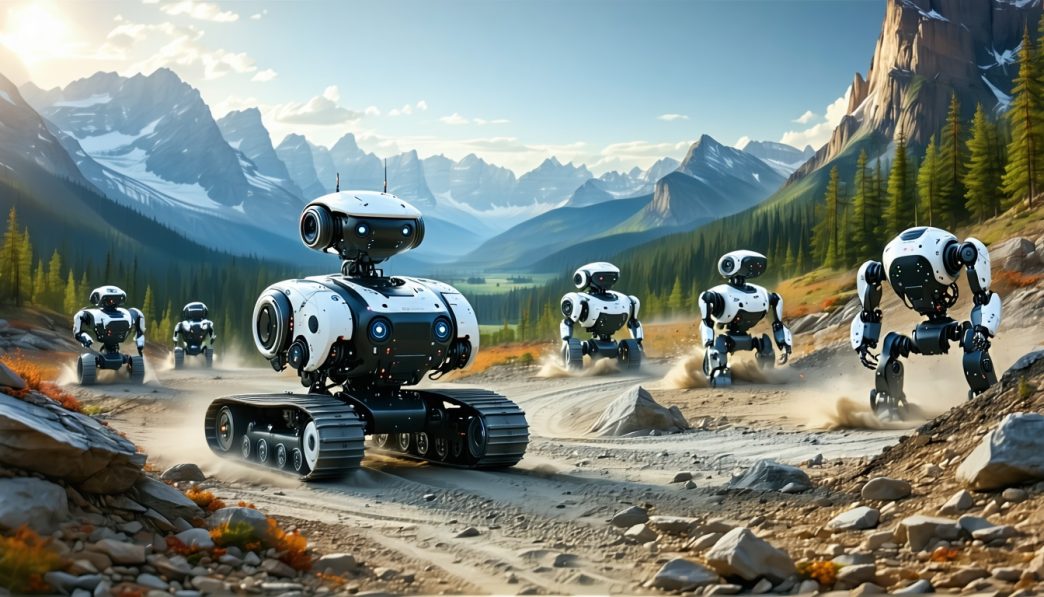
There has been a noticeable shift towards the development of all-terrain robots, meaning they can navigate a variety of surfaces, including rough and uneven ground. These robots are designed to handle diverse conditions, making them suitable for applications in agriculture, military, exploration, and disaster response. The move toward all-terrain capabilities meets the demands of users who require reliable performance in unpredictable environments. 
| Robot Type | Terrain Adaptation | Use Cases |
|---|---|---|
| Wheeled Robots | Limited | Indoor tasks, flat surfaces |
| Legged Robots | Moderate | Uneven ground, steep inclines |
| Climbing Robots | High | Vertical surfaces, rugged landscapes |
| Hybrid Robots | Very High | Mixed terrain, complex environments |
Key Considerations for Mobility
When designing robots for mobility, several key factors must be taken into account:
-
Surface Adaptability: Robots should be able to adjust their movement techniques based on the surface type—be it smooth, rough, or inclined. Research on terrain adaptation in robots explores these adjustments.
-
Speed and Efficiency: The speed of a robot affects its operational efficiency. Understanding the balance between robot speed and energy efficiency is essential for optimizing performance.
-
Stability and Control: Stability systems are critical to ensure that robots maintain balance during movement. Insights into robot stability systems provide guidelines for maintaining control, especially on uneven surfaces.
-
Task Requirements: The specific tasks that the robot needs to perform will dictate its design features. For instance, robots designed for carrying loads, such as rideable robot mobility, need robust support systems.
This combination of factors contributes to the overall effectiveness of robots, ensuring they serve their intended purposes efficiently and adaptively. The evolution of robotics mobility continues to innovate and enhance how robots will function in both indoor and outdoor settings.
Walking Robots
Walking robots are designed to imitate the movement of biological organisms, providing versatility in mobility across different environments. This section will focus on the mechanisms that enable walking robots and their advantages and limitations.
Mechanisms of Walking Robots
Walking robots employ various mechanisms to achieve movement, mainly based on jointed legs and actuators that simulate limb motion. These constructions can be categorized into the following systems:
| Mechanism Type | Description |
|---|---|
| Bipedal | Mimics human walking with two legs. Utilizes sophisticated balance and gait algorithms. |
| Quadrupedal | Incorporates four legs, providing stability and adaptability across rough terrain. Commonly seen in all-terrain robots. |
| Multi-legged | More than four legs, enhancing stability and load distribution, making these robots suited for uneven surfaces. |
These walking mechanisms require precise control and feedback systems to maintain balance and coordinate movement. Many walking robots utilize sensors for navigation and stability, essential for real-world applications like robot stair climbing and navigating unstructured environments.
Advantages and Limitations
Walking robots come with distinct advantages and limitations, making them suitable for particular use cases.
Advantages
- Versatility: Walking robots can navigate a variety of terrains, including steep inclines, rocky surfaces, and obstacles. This capability aligns with the growing interest in all terrain robots.
- Stability: The multi-legged design enhances stability, allowing these robots to handle uneven ground effectively.
- Agility: Walking robots can maneuver through tight spaces and adapt their gait based on the terrain, providing flexibility that wheeled robots may lack.
Limitations
- Complex Control Systems: The intricate coordination needed for stable walking results in complex algorithms and control mechanisms, which can increase development costs and time.
- Energy Consumption: Walking robots typically consume more energy than wheeled counterparts due to the physical demands of maintaining balance and mobility, impacting robot speed and energy efficiency.
- Slower Movement: While they excel at maneuverability, walking robots may not achieve the same speed as wheeled robots, which can cover ground more quickly on flat surfaces.
Walking robots embody innovative design and engineering solutions, offering unique features that cater to specific mobility needs. Their adaptability makes them valuable for applications that demand a combination of stability, versatility, and mobility in varied environments. For a deeper dive into mobility types, see our comparison of legged robots vs wheeled robots.
Wheeled Robots
Wheeled robots are one of the most common types of mobile robots, primarily designed for efficiency and speed on flat surfaces. Their ability to navigate various terrains makes them a popular choice in numerous applications.
Design and Functionality of Wheeled Robots
Wheeled robots typically feature a simple yet effective design that includes one or more wheels. The functionality of these robots largely depends on their wheel configuration, which can vary from two-wheeled to four-wheeled systems, and even more complex arrangements.
| Configuration | Description | Typical Use Cases |
|---|---|---|
| Two-Wheeled | Balances on two wheels; may use a feedback control system. | Lightweight applications, indoor navigation. |
| Four-Wheeled | Provides stability and ease of movement; can traverse rough surfaces. | All-terrain robots, logistics, and delivery. |
| Mecanum Wheels | Allows for omnidirectional movement; wheels are specially designed. | Industrial robots, tight space navigation. |
These designs enable wheeled robots to effectively carry payloads, perform tasks, and navigate their environments. Additionally, many wheeled robots incorporate advanced features such as sensors for obstacle detection and adjustment of movement.
Adaptability to Different Surfaces
Wheeled robots must be capable of adapting to a variety of surfaces to be effective in real-world scenarios. Their design plays a vital role in this adaptability.
| Surface Type | Performance Characteristics | Recommended Solutions |
|---|---|---|
| Smooth Floors | Excellent performance; minimal resistance. | Standard rubber wheels. |
| Gravel or Sand | Reduced mobility; may require specific tire treads. | Large, wide tires for better traction. |
| Grass | Moderate performance; can be hindered by moisture. | All-terrain wheels or larger diameter wheels. |
| Inclines | Challenges with steep grades; requires adequate torque. | Enhanced motor strength and traction systems. |
The adaptability of wheeled robots to various surfaces is crucial for their operational effectiveness, especially in outdoor environments. Innovations in wheel design and materials continue to improve their performance, allowing them to function as all terrain robots. Understanding these dynamics informs buyers and enthusiasts about what to expect from wheeled robotics in diverse scenarios.
For more insights into how wheeled robots compare to their walking counterparts, refer to our article on legged robots vs wheeled robots.
Legged Robots
Legged robots have gained significant attention due to their unique ability to navigate complex environments. This section explores the benefits and challenges associated with these robots, which are increasingly viewed as effective solutions for various terrains.
Benefits of Legged Robots
Legged robots offer several advantages, making them suitable for a variety of applications. Some of the key benefits include:
-
Versatility: Legged robots can traverse a wide range of terrains, including uneven surfaces, stairs, and obstacles. This adaptability is crucial for missions in both indoor and outdoor settings, aligning with the concept of all terrain robots.
-
Stability: The ability to distribute weight across multiple points of contact with the ground enhances the stability of legged robots. This is particularly important in environments where balance might be a concern. For more on keeping robots steady, see our article on robot stability systems.
-
Human-like Mobility: The design of legged robots often mimics human or animal movement, which can be beneficial in tasks requiring interaction with human environments or when following humans in dynamic settings.
-
Obstacle Navigation: With their articulated joints, legged robots can maneuver over or around obstacles more effectively than wheeled variants. This capability is essential for search and rescue operations, exploration, and other complex tasks.
| Benefit | Description |
|---|---|
| Versatility | Navigates uneven surfaces and obstacles. |
| Stability | Maintains balance across multiple contact points. |
| Human-like Mobility | Mimics human movement for interaction. |
| Obstacle Navigation | Maneuvers effectively around various barriers. |
Challenges in Design and Implementation
Despite their benefits, legged robots face several significant challenges during design and implementation:
-
Complex Mechanics: Creating a mechanism that mimics the natural movement of limbs demands advanced engineering and precise control algorithms. This complexity can make development time-consuming and costly.
-
Energy Efficiency: The power consumption of legged robots can be higher than that of wheeled robots, especially during complex movements like climbing stairs or navigating obstacles. Monitoring robot speed and energy efficiency is vital for practical applications.
-
Control Systems: Developing effective control systems that allow for stable and responsive movement can be challenging. The need for real-time adjustments in balance and position requires sophisticated sensors and processing algorithms.
-
Increased Wear and Tear: The numerous moving parts in legged robots can lead to increased wear and tear compared to simpler designs, necessitating regular maintenance and potentially affecting reliability over time.
| Challenge | Description |
|---|---|
| Complex Mechanics | Requires intricate engineering and algorithms. |
| Energy Efficiency | Higher energy use during complex movements. |
| Control Systems | Needs robust systems for real-time movement. |
| Increased Wear and Tear | More parts lead to potential maintenance issues. |
Understanding these benefits and challenges helps in the design and application of legged robots, particularly as they continue to evolve and integrate into various fields. For further insights on movement types, consider exploring legged robots vs wheeled robots and hybrid locomotion systems in robots.
Climbing Robots
Climbing robots are designed to navigate vertical surfaces and complex terrains, showcasing a unique form of mobility that significantly expands their operational capabilities. This section explores the innovations shaping climbing robotics and the various applications and limitations they encounter.
Innovations in Climbing Robotics
Recent advancements in climbing technology have led to the development of numerous innovative designs and mechanisms. Some key innovations include:
- Adhesive Systems: Many climbing robots utilize advanced adhesive technologies, such as gecko-inspired pads, allowing them to stick to walls and smooth surfaces. This enables them to traverse vertical areas without the need for traditional climbing tools.
- Modular Designs: Modular climbing robots can adapt their configurations based on the specific requirements of their environments. This flexibility enhances their operational potential across varying surfaces and obstacles.
- Robust Mobility Mechanisms: Various mechanisms, including articulated limbs and multi-directional wheels, allow climbing robots to travel on uneven surfaces and overcome physical barriers effectively.
The following table outlines some key features and types of climbing robots:
| Type of Climbing Robot | Key Features |
|---|---|
| Wall Climbing Robots | Adhesive technologies, lightweight design |
| Modular Climbing Robots | Reconfigurable components, versatile movement |
| Robotics with Legs | Articulated limbs, ability to navigate rough terrain |
These innovations significantly enhance the performance of climbing robots in various settings, demonstrating their versatility and usefulness in challenging environments.
Applications and Limitations
Climbing robots have a wide range of applications across various industries, such as:
- Search and Rescue Operations: Climbing robots can maneuver through debris and hazardous locations to assist in locating survivors in disaster situations.
- Inspection and Maintenance: They are used in performing inspections of buildings, bridges, and other structures, allowing for maintenance checks in hard-to-reach areas.
- Military Operations: Their ability to navigate vertical surfaces makes them valuable for reconnaissance and surveillance missions.
Despite their advantages, climbing robots face several limitations:
- Surface Limitations: Not all climbing robots can engage with every type of surface effectively. Factors such as texture, angle, and material may impede their performance.
- Power Efficiency: Climbing can be energy-intensive, limiting the duration of operation. Many climbing robots require advancements in robot speed and energy efficiency for prolonged use.
- Complex Design Considerations: Designing climbing robots involves intricate engineering challenges, including ensuring stability and maneuverability, discussed in more detail in robot stability systems.
In summary, climbing robots serve as a vital component of all-terrain robotics. Their innovative designs and diverse applications indicate their growing importance in addressing real-world challenges. For those interested in exploring how climbing robots compare to other mobility systems, the article on legged robots vs wheeled robots offers valuable insights.
Hybrid Mobility Solutions
Hybrid mobility solutions combine multiple modes of movement into a single robotic system. These systems are designed to navigate a wider variety of environments, using the strengths of each mobility type to overcome obstacles and achieve better functionality.
Integration of Multiple Mobility Systems
The integration of various mobility systems allows robots to adapt flexibly to their surroundings. For instance, a robot equipped with both wheeled and legged capabilities can drive on flat surfaces while also walking over rugged terrain. The design of these systems often involves advanced technology that enables seamless transitions between different movement modes.
| Mobility Type | Benefits | Challenges |
|---|---|---|
| Wheeled + Legged | Efficient on flat surfaces, greater stability on uneven ground | Complexity in control systems |
| Wheeled + Climbing | Fast movement on land and ability to navigate vertical surfaces | Increased weight and energy consumption |
| Legged + Climbing | Agile on diverse terrains, can navigate obstacles | Higher design complexity and lower speed |
These hybrids demonstrate the potential for all-terrain robots to perform in various environments, from urban landscapes to rugged wilderness areas. For more information on how robots adapt to different terrains, refer to our article on terrain adaptation in robots.
Enhanced Capabilities and Versatility
The versatility of hybrid systems fosters innovative applications across multiple fields. For example, rescuers can deploy hybrid robots in disaster scenarios, benefiting from their ability to traverse debris and steep surfaces. Similarly, agricultural robots can switch between rolling through fields and climbing over fences or walls.
Moreover, hybrid mobility improves stability and reliability, particularly in challenging conditions. Such systems can address obstacles without losing momentum, making them ideal for applications that require endurance and efficiency. This adaptability contributes to advancements in robot speed and energy efficiency, as discussed in our article on robot speed and energy efficiency.
As hybrid robots evolve, further developments may include advanced stability systems for enhanced maneuverability, making them even more suitable for real-world applications. For those interested in specifics, explore our article on robot stability systems for a deeper understanding of how these systems support reliable movement.
Remote-Controlled Robots
Role and Utility of Remote-Controlled Robots
Remote-controlled robots play a significant role in various applications, offering operators the ability to interact with and control robots from a distance. This type of robotic mobility is essential for tasks that may be too hazardous for humans or for applications that require precision and control in environments where direct human involvement is impractical.
The utility of remote-controlled robots extends across multiple fields, including military, exploration, and entertainment. These robots can traverse difficult terrains, providing real-time data and performing tasks while ensuring operator safety.
One of the key advantages of remote-controlled robots is their ability to operate in environments that are often challenging for humans. They are equipped with sensors and cameras that deliver feedback, allowing for effective navigation and interaction despite being physically removed from the action.
Use Cases and Benefits
Remote-controlled robots have a diverse array of use cases, reflecting their adaptability and efficacy. Here are some notable applications:
| Use Case | Description |
|---|---|
| Search and Rescue | Robots can be deployed in disaster zones to locate survivors and assess structural damage, minimizing risk to human rescuers. |
| Military Operations | Used for reconnaissance and bomb disposal, providing critical information while keeping personnel out of danger. |
| Industrial Inspection | Employed in factories and plants for monitoring equipment and performing routine inspections, enhancing safety and efficiency. |
| Agriculture | Used to monitor fields and crops, providing data on health and growth while reducing the need for human presence in hazardous areas. |
| Entertainment | Remote-controlled robots are utilized for educational purposes and fun, allowing users to explore robotics and programming. |
The benefits of these robots include improved safety, efficiency, and productivity in various settings. They can increase operational capabilities in environments that would typically challenge wheeled or legged robots, making them an essential component of the broader category of all terrain robots.
Additionally, remote-controlled robots often come with features that enhance their usability. These may include:
| Feature | Benefit |
|---|---|
| Live Video Feed | Operators can see what the robot sees, aiding navigation and decision-making. |
| High Mobility | Many remote-controlled robots are designed for uneven surfaces, providing versatility in diverse environments. |
| Ease of Control | User-friendly interfaces allow for precise control, making them accessible to operators with varying levels of experience. |
Remote-controlled robots exemplify the intersection of technology and practical application, showcasing how robotics can influence numerous sectors and supporting the continuous evolution of movement and mobility in robotics. For more insights on how different robots compare in mobility capabilities, check out our article on legged robots vs wheeled robots.
Autonomous Robots
The development of autonomous robots represents a significant advancement in robotics mobility. These robots can navigate their environments without human intervention, utilizing sophisticated technologies and algorithms.
Advancements in Autonomous Navigation
Innovations in sensor technology and artificial intelligence have dramatically improved the navigation abilities of autonomous robots. They can now process real-time data from their surroundings to create detailed maps and make instantaneous decisions. Key advancements include:
- Sensors: Integration of LIDAR, cameras, and ultrasonic sensors allows robots to perceive their environments accurately.
- Machine Learning: This enables robots to learn from prior experiences, improving their navigation and obstacle avoidance over time.
- Simultaneous Localization and Mapping (SLAM): This technique allows robots to map unknown environments while keeping track of their current location.
Comparison of Navigation Technologies
| Technology | Description | Advantages |
|---|---|---|
| LIDAR | Light Detection and Ranging, uses laser pulses to create a 3D map | High accuracy, works well in various lighting conditions |
| Cameras | Visual data processing for environmental recognition | Cost-effective, can recognize colors and shapes |
| Ultrasonic Sensors | Uses sound waves to detect objects | Effective in close-range detection, simple implementation |
These advancements help create all terrain robots capable of navigating both indoor and outdoor environments, making them versatile for various applications.
Impacts on Productivity and Efficiency
The rise of autonomous robots has greatly influenced productivity and efficiency across multiple industries. Businesses are increasingly adopting these robots to enhance operational effectiveness in areas such as:
- Manufacturing: Autonomous robots can perform repetitive tasks with precision and speed, leading to enhanced output and reduced labor costs.
- Logistics: These robots optimize warehouse operations by autonomously transporting goods, reducing the time required for delivery and inventory management.
- Agriculture: Autonomous robots assist in tasks such as planting and harvesting, which maximizes production while minimizing human labor.
Productivity Gains from Autonomous Robots
| Industry | Efficiency Improvement (%) | Impact on Labor Costs (%) |
|---|---|---|
| Manufacturing | 25 | 15 |
| Logistics | 30 | 20 |
| Agriculture | 20 | 10 |
The increasing reliability of autonomous robots enhances their acceptance in workplaces, significantly impacting job roles and workflows. The implications of these advancements extend beyond operational efficiencies to foster innovations in robot movement and mobility strategies. Future developments may further enhance their stability and adaptability, as explored in our article on robot stability systems.