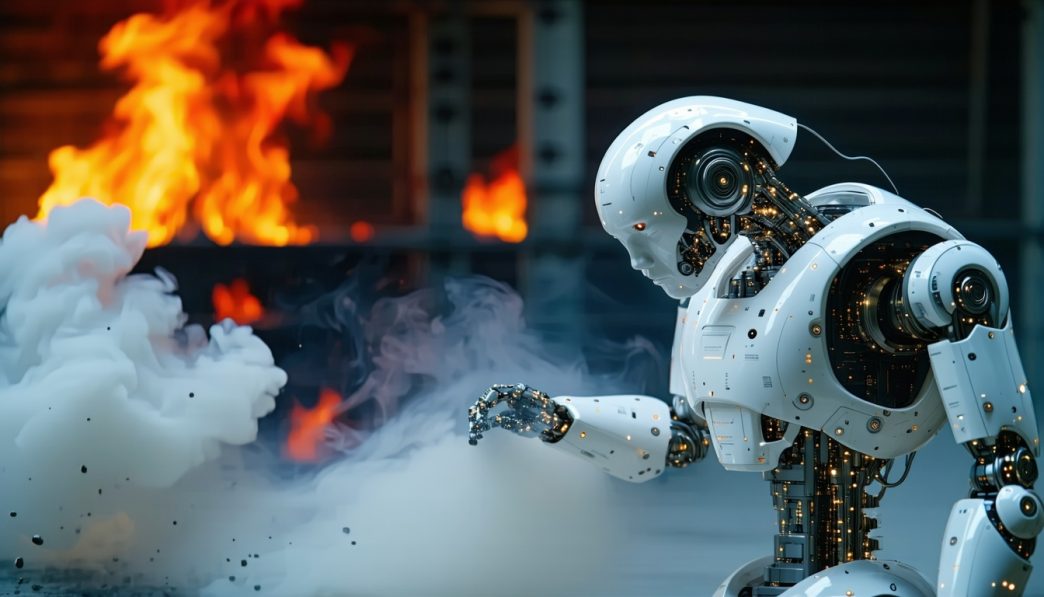
Robot Safety Features
Importance of Safety Features in Robots
Safety features in robots play a crucial role in ensuring both the well-being of users and the efficiency of operations. As robots become more integrated into homes and workplaces, the need for robust safety systems has grown. Effective safety features help to reduce risks associated with robotic operations, making it essential for manufacturers to prioritize these capabilities in their designs.
Robots equipped with advanced safety features can actively monitor their environments and respond to potential hazards. This capability not only enhances user trust but also promotes broader adoption of robotic technology in various settings. For families, businesses, and safety-conscious consumers, understanding these features is critical when considering the implementation of robots into their daily lives.
Overview of Safety Technologies in Modern Robots
Modern robots integrate a variety of safety technologies that contribute to their ability to detect fires, gas leaks, and other dangers. The table below summarizes key safety technologies used in robots: 
| Technology | Description |
|---|---|
| Fire Detection Sensors | Systems that utilize heat and smoke detectors to identify potential fire hazards. |
| Gas Sensors | Devices capable of detecting harmful gases and alerting users to leaks or dangerous conditions. |
| Obstacle Detection | Technologies that enable robots to sense and avoid obstacles, ensuring safe navigation within their environment. |
| Emergency Stop Systems | Mechanisms allowing users to halt robot operations immediately in hazardous situations. |
| Collision Avoidance Technology | Features that help prevent robots from inadvertently colliding with people or objects. |
| Fall Recovery Systems | Systems that allow robots to regain stability after falling, minimizing damage and risk. |
| Redundancy and Backup Systems | Implementations that ensure critical functions remain operational even if primary systems fail. |
These safety technologies, when combined, create a comprehensive safety framework within robots. For instance, fire and hazard detection in robots is supported by fire detection sensors and gas sensors working together to provide reliable monitoring. For detailed insights on features like obstacle detection in robots and robot emergency stop systems, further exploration of safety technologies is recommended.
In an environment where safety is paramount, the integration of these technologies ensures robots can perform their tasks without posing unnecessary risks to users or their surroundings. Understanding these features supports informed decisions when selecting and using robots within homes and businesses.
Fire Detection in Robots
Fire detection in robots is a critical component of their safety features. This capability ensures that robots can identify fire hazards early, allowing for timely responses that can prevent accidents and protect both individuals and property.
How Robots Detect Fires
Robots utilize various methodologies to detect fires. These methods often rely on a combination of sensors and algorithms designed to recognize signs of fire. Key mechanisms include:
- Temperature Sensors: These sensors monitor ambient temperatures. A significant increase can indicate a potential fire.
- Smoke Detectors: Robots may be equipped with smoke detection technology that alerts the system when smoke particles are present in the environment.
- Infrared Sensors: These sensors detect heat signatures associated with flames. They can operate in conditions where visibility is poor.
Each of these sensors plays a vital role in ensuring comprehensive fire detection. They provide robots with the ability to recognize a fire’s presence, which is crucial for initiating emergency protocols.
Technologies Used for Fire Detection in Robots
The fire detection technologies employed in robots can be categorized into several types. Below is a table highlighting some common fire detection technologies and their functionalities.
| Technology Type | Description | Benefits |
|---|---|---|
| Temperature Sensors | Measure heat levels to identify overheating or fire sources | Fast response time to heat changes |
| Smoke Detectors | Use light scattering or ionization to detect smoke particles | Reliable detection of various smoke types |
| Infrared Sensors | Detect specific wavelengths of infrared radiation emitted by flames | Effective in low visibility environments |
| Video Analysis | Utilizes camera systems and image processing algorithms to identify flames | Powerful for visual confirmation of hazards |
| Multi-Sensor Fusion | Combines data from various sensors for improved detection accuracy | Reduces false alarms and enhances reliability |
Robots equipped with these advanced fire detection systems represent a significant step forward in ensuring safety in residential, commercial, and industrial settings. By understanding the different technologies available for fire detection in robots, users can make informed decisions when considering the integration of such robots into their environments. For more details on robot safety features, visit our article on robot safety and emergency features.
Gas Leak Detection
Gas leaks can pose significant safety risks, making it essential for robots to successfully identify and respond to these dangers. The capability to detect gas leaks is one of the key safety features that many modern robots possess. This section explores the mechanisms that enable robots to recognize gas leaks and the technologies involved in these detection systems.
Robot’s Ability to Detect Gas Leaks
Robots designed for safety and emergency responses can effectively detect gas leaks in various environments, including homes and commercial spaces. Their capability relies on advanced sensors and algorithms that allow them to sense the presence of potentially harmful gases.
In typical scenarios, robots equipped with gas detection systems can identify various gases, including natural gas (methane), propane, and carbon monoxide. These robots are programmed to monitor air quality continuously and can provide real-time alerts to users when gas levels exceed safe thresholds.
The following table illustrates some common gases that robots may detect, along with their permissible exposure limits:
| Gas Type | Chemical Formula | Permissible Exposure Limit (ppm) |
|---|---|---|
| Methane | CH₄ | 1000 |
| Propane | C₃H₈ | 1000 |
| Carbon Monoxide | CO | 50 |
Gas Sensors and Detection Mechanisms
The heart of a robot’s ability to detect gas leaks lies in its gas sensors. These sensors are designed to respond to specific gas molecules and can operate based on different principles. Below are some common types of gas sensors used in robots:
| Sensor Type | Operating Principle | Common Uses |
|---|---|---|
| Metal Oxide Sensors | Detect gas through resistance changes in oxide layers | Common for methane and propane detection |
| Electrochemical Sensors | Utilize chemical reactions producing current | Effective for carbon monoxide detection |
| Infrared Sensors | Measure gas concentration by analyzing specific wavelengths of light | Often used for detecting hydrocarbons |
These sensors work in tandem with the robot’s software to analyze data and determine the presence of hazardous gases. Upon detection, robots can initiate emergency protocols, inform users via alerts, or even take corrective actions, such as shutting off gas valves or notifying emergency services.
Overall, understanding the fire and hazard detection in robots provides reassurance to consumers interested in implementing robotics into their home or workplace. For more information on robot safety and emergency features, explore our article on robot safety and emergency features.
Emergency Protocols
Robots equipped with fire and hazard detection capabilities play a crucial role in ensuring safety in homes and workplaces. Understanding how these robots respond to emergencies, particularly fires and gas leaks, provides reassurance to users considering integrating this technology into their environments.
Response to Fire Emergencies
Upon detecting a fire, robots are designed to activate their emergency protocols swiftly. The following are typical steps taken by robotic systems in response to fire incidents:
| Action | Description |
|---|---|
| Immediate Alert | Once a fire is detected, the robot sends alerts to designated users, which may include homeowners, business managers, or emergency services. |
| Evacuation Assistance | Some robots can guide occupants to exits, ensuring a safe evacuation route is available. |
| Fire Suppression | Advanced systems may integrate fire suppression tools to attempt to douse small flames before they escalate. |
| Continuous Monitoring | The robot continues to monitor the situation, providing real-time updates until emergency responders arrive. |
The integration of these emergency response features enhances the effectiveness of robots in fire safety. For further details on robot functionalities, explore our article on robot safety and emergency features.
Response to Gas Leak Emergencies
In the event of a detected gas leak, robotic systems are equally equipped with protocols to address this dangerous situation. Typical responses include:
| Action | Description |
|---|---|
| Leak Detection Alert | The robot immediately alerts users to the presence of gas, specifying the type and concentration when available. |
| Area Shutdown | If applicable, the robot can trigger automatic shutdown systems for appliances that may ignite gas. |
| Ventilation Activation | Some robots can initiate ventilation systems to disperse gas, helping to mitigate the risk of explosion or poisoning. |
| Emergency Notification | Similar to fire situations, the robot notifies emergency services for further assistance. |
The ability of robots to proactively manage gas leak situations contributes significantly to safety in environments with potential hazards. For more information on detection systems, check our article on robot emergency stop systems.
Through these structured responses to emergencies, robots enhance the overall safety ecosystem, making daily environments safer for individuals and families.
Other Hazard Detection Capabilities
In addition to fire detection and gas leak identification, modern robots are equipped with advanced capabilities to detect other potential hazards such as carbon monoxide and water leaks. These features enhance the overall safety of environments where robots operate, providing peace of mind for smart home adopters, families, and business buyers.
Detection of Carbon Monoxide
Carbon monoxide (CO) is a colorless, odorless gas that can pose significant health risks when present in high concentrations. Robots equipped with carbon monoxide detection technology can help identify dangerous levels of this gas before they escalate into an emergency situation.
The process of detecting carbon monoxide typically involves specialized sensors that monitor CO levels continuously. When a certain threshold is reached, the robot can send alerts to users, enabling them to take necessary precautions.
| Detection Capability | CO Threshold Levels | Response Actions |
|---|---|---|
| Low-Level Detection | 35 ppm | Alert users; recommend ventilation |
| High-Level Detection | 100 ppm | Immediate alert to users; recommend evacuation |
Robots can either automatically shut down systems that pose a risk or communicate with safety protocols in place.
Water Leak Detection
Water leaks can cause serious damage to properties if not detected in a timely manner. Robots with water leak detection capabilities utilize moisture sensors to monitor for signs of leaks in real-time. These sensors can be particularly useful in environments with plumbing systems or in homes where water-related appliances are present.
When a leak is detected, the robot can provide immediate notifications to its users, helping to mitigate water damage risks.
| Detection Capability | Moisture Levels Detected | Response Actions |
|---|---|---|
| Minor Leak Detection | 1% moisture | Alert users; recommend inspection |
| Major Leak Detection | 5% moisture | Immediate alert to users; automate water shut-off |
The integration of these detection capabilities contributes to comprehensive safety systems, ensuring that users are informed and can take action swiftly. Enhanced awareness around such hazards is part of the growing focus on robot safety and emergency features in smart environments.
Integration of Safety Features
The integration of safety features in robots is a critical aspect that ensures they operate effectively within various environments. By combining different safety technologies, robots can enhance their capabilities in detecting potential hazards such as fires and gas leaks.
How Safety Features Work Together
Safety features in robots function collaboratively to create a comprehensive safety system. This integration allows robots to respond more efficiently to emergencies and to make informed decisions based on real-time data.
For example, fire detection systems work in tandem with gas leak sensors to identify simultaneous threats. If a robot detects a fire, it may also check for gas concentrations nearby, ensuring that both scenarios are evaluated. The following table highlights how different safety features collaborate:
| Safety Feature | Integration Function | Outcome |
|---|---|---|
| Fire detection | Triggers gas sensor activation | Detects potential gas leaks during fires |
| Gas sensors | Reports detected gas levels | Allows robot to assess danger levels |
| Emergency stop systems | Interrupts operations immediately | Prevents further hazards during emergencies |
| Collision avoidance technology | Aids navigation during threats | Avoids obstacles and maintains safety |
These integrated safety systems not only protect the robot but also enhance the safety of people and property within its environment. For more about these technologies, explore our article on robot safety and emergency features.
Importance of Comprehensive Safety Systems
Comprehensive safety systems are vital for ensuring the effectiveness and reliability of robots, especially in situations where fire and hazard detection in robots is necessary. A holistic approach to safety means that each feature reinforces others, allowing for layered defenses against potential dangers.
Robots equipped with comprehensive systems can perform various functions such as:
- Continuous Monitoring: Ongoing checks for hazards, ensuring early detection and response.
- Redundancy and Backup Systems: Multiple pathways for data processing enhance reliability, particularly during emergencies. For more, visit our article on redundancy and backup systems in robots.
- Adaptable Emergency Protocols: Allows robots to switch routines based on the nature of the detected threat.
As robots become increasingly integrated into homes and commercial spaces, the importance of a robust safety framework cannot be overstated. Organizations and individuals must consider regulations and safety certifications ensuring these devices meet high safety standards. For further details, check our resource on regulations and safety certifications for robots.
With these comprehensive safety systems, robot users can be assured of effective performance while significantly enhancing safety and peace of mind in various settings.
Limitations of Robot Safety Features
Advancements in robotics have led to significant development in safety features, including fire and hazard detection in robots. However, several challenges still exist that impact their effectiveness and reliability.
Challenges Faced by Robot Safety Systems
Robot safety systems encounter various obstacles that can hinder their performance in emergency situations. Some of the key challenges are:
| Challenge | Description |
|---|---|
| Environmental Factors | Dust, smoke, and other environmental elements can obstruct sensors, reducing their efficiency. |
| Range of Detection | Sensors may have limited coverage, leading to potential blind spots in detection capabilities. |
| False Positives | Robots may misinterpret harmless anomalies as threats, resulting in unnecessary emergency responses. |
| Sensor Calibrations | Periodic recalibration of sensors is required to maintain accuracy, which may be overlooked during maintenance. |
| Data Processing | Processing the data from multiple sensors in real-time can overwhelm a robot’s computing capabilities. |
These challenges can impact how effectively robots respond to potential dangers, raising concerns for users regarding their reliability.
Areas for Improvement in Robot Safety Technology
To enhance the capabilities of robots in detecting hazards and responding to emergencies, several areas need focus:
| Area for Improvement | Description |
|---|---|
| Advanced Sensor Technology | Developing more sophisticated sensors that can differentiate between various types of hazards, thereby reducing false alarms. |
| Enhanced Coverage Solutions | Implementing a network of sensors to create overlapping detection areas, minimizing blind spots. |
| Integration of AI | Utilizing artificial intelligence to improve data interpretation, which can help in differentiating between various stimuli that robots encounter. |
| Streamlined Calibration | Creating automated calibration systems that regularly adjust sensor settings based on environmental changes. |
| Robust Communication Protocols | Building better communication systems that allow robots to share hazard detection information with other devices, including alarms and monitoring systems. |
These enhancements will bolster the effectiveness of robot safety features, making them more reliable for smart home adopters, families, and business buyers. By addressing these limitations, technology can offer greater reassurance regarding the safety protocols associated with robots in emergency situations. For a broader understanding of safety features and their integration, consider reviewing our article on robot safety and emergency features.